Eustachian Tube: A Complete Medical Overview
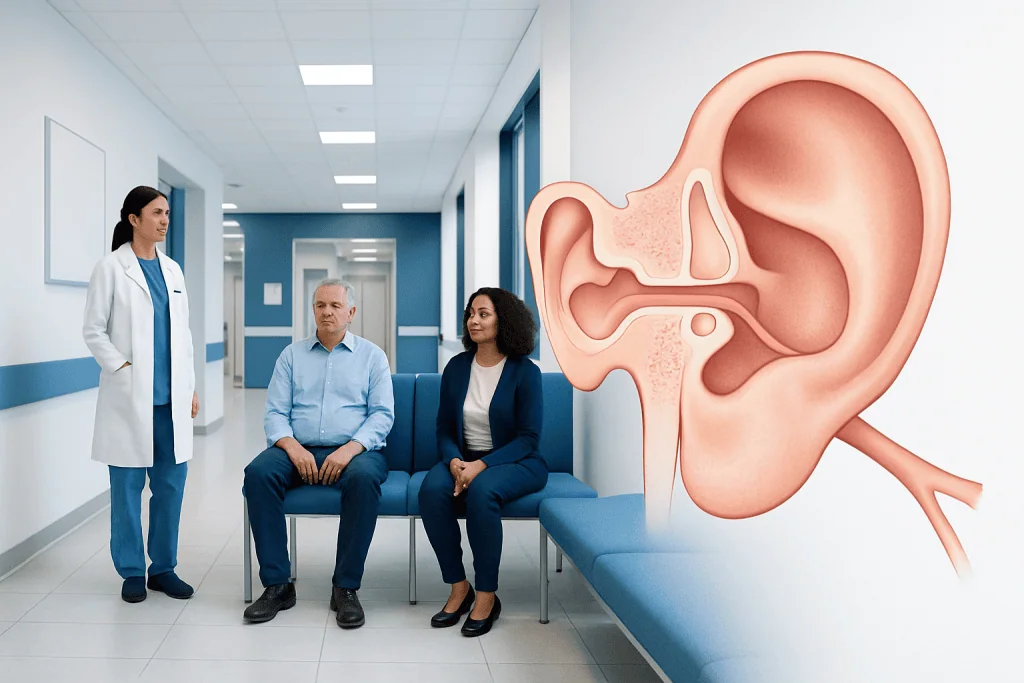
The eustachian tube helps equalize pressure, drain secretions, and protect the middle ear from germs and sound pressure. Eustachian tube dysfunction often causes ear fullness, popping, muffled hearing, or discomfort, especially during colds, allergies, or air travel.
Key Takeaways
- The eustachian tube helps equalize pressure, drain secretions, and protect the middle ear from germs and sound pressure.
- Eustachian tube dysfunction often causes ear fullness, popping, muffled hearing, or discomfort, especially during colds, allergies, or air travel.
- Most cases improve when the underlying cause, such as nasal congestion or inflammation, is treated.
- A doctor may examine the ear, assess hearing, and check pressure in the middle ear if symptoms last or keep returning.
- Persistent symptoms, significant pain, fluid behind the eardrum, or hearing loss should be evaluated by a qualified clinician.
The eustachian tube is a small passage that connects the middle ear to the back of the nose and throat. Its main job is to balance ear pressure, drain fluid, and protect the middle ear, but when it does not work well, it can lead to fullness, discomfort, hearing changes, and repeated ear problems.
What the eustachian tube is and why it matters
The eustachian tube is a narrow canal that links each middle ear to the upper part of the throat behind the nose. Even though it is small, it plays an important role in everyday ear health. When it opens and closes normally, it keeps air pressure balanced on both sides of the eardrum, allows normal drainage from the middle ear, and helps protect the ear from infection and irritating secretions coming from the nose and throat.
Many people only become aware of the eustachian tube when they feel ear pressure during a flight, a cold, allergy season, or a change in altitude. In these situations, the tube may not open properly, which can create a blocked or “full” feeling in the ear. This is often called eustachian tube dysfunction, and it may happen for a short time or become more persistent.
Understanding this structure can make common symptoms easier to interpret. Ear fullness, popping, muffled hearing, and occasional discomfort do not always begin in the ear itself. In many cases, they reflect how well the eustachian tube is ventilating the middle ear and responding to inflammation in nearby tissues.
How the eustachian tube works

The eustachian tube is usually closed and opens briefly during swallowing, yawning, chewing, or speaking. These small movements of nearby muscles help the tube open just enough to let air pass between the throat and the middle ear. This keeps pressure even, which allows the eardrum to move normally and support clear hearing.
Its function can be understood in three parts: ventilation, drainage, and protection. Ventilation means pressure regulation. Drainage means removing normal secretions or small amounts of fluid from the middle ear into the throat. Protection means reducing the backward movement of germs, fluids, and pressure from the nose and throat into the ear.
Children are especially prone to ear problems related to this tube because their eustachian tubes are shorter, narrower, and more horizontal than those of adults. This makes drainage less efficient and may increase the likelihood of fluid buildup or middle ear infection. For this reason, eustachian tube problems are often closely linked with middle ear infections in childhood.
Common symptoms of eustachian tube problems

When the eustachian tube does not open or drain properly, symptoms can vary from mild annoyance to more persistent discomfort. The most common complaint is a feeling of pressure or fullness in one or both ears. Some people describe it as the sensation of being underwater or needing the ear to “pop.”
Other symptoms may include muffled hearing, clicking or popping sounds, mild ear pain, ringing in the ear, or brief imbalance. Symptoms may worsen during air travel, mountain driving, scuba diving, or while recovering from a cold. In some cases, fluid can collect behind the eardrum, which may reduce hearing more noticeably.
Less commonly, the tube may stay too open rather than too closed. This is called a patulous eustachian tube. People with this problem may hear their own voice or breathing unusually loudly inside the ear. Because several ear conditions can cause similar symptoms, persistent concerns should be assessed by an ear, nose, and throat specialist.
What can cause blockage or dysfunction
The most common reason the eustachian tube stops working well is inflammation around its opening in the back of the nose. Colds, sinus infections, seasonal allergies, and other upper respiratory illnesses can cause swelling and mucus that interfere with normal opening. Even after the main illness improves, the tube may remain sluggish for a short time.
Structural and long-term factors can also play a role. Enlarged adenoids, nasal polyps, chronic sinus disease, a deviated nasal septum, or irritation from smoke may contribute to recurrent symptoms. Reflux affecting the throat, sudden pressure changes, or repeated infections may also affect tube function in some individuals. In children, enlarged adenoids are a well-known contributor to ongoing ear pressure and middle ear fluid.
Doctors also consider related conditions when symptoms are frequent or prolonged. For example, chronic nasal inflammation may coexist with sinusitis, and persistent throat-related irritation can be part of a broader ENT assessment. Risk factors that may increase the chance of eustachian tube dysfunction include:
- Recent cold or upper respiratory infection
- Seasonal or year-round allergies
- Frequent air travel or altitude changes
- Smoking or exposure to secondhand smoke
- Childhood anatomy, including enlarged adenoids
- Chronic nasal or sinus inflammation
How doctors diagnose the problem
Diagnosis begins with a medical history and physical examination. A clinician will usually ask when the symptoms started, whether they are linked to travel, infections, or allergies, and whether hearing seems affected. Examination of the ear with an otoscope can show whether the eardrum looks retracted, dull, or affected by fluid behind it.
Additional tests may help when symptoms persist or keep returning. Tympanometry measures how the eardrum moves and can suggest abnormal pressure in the middle ear. Hearing tests may be recommended if there is muffled hearing, tinnitus, or fluid. In children or adults with repeated problems, the nose and throat may also be examined to look for adenoid enlargement or other causes of blockage.
Imaging is not needed for most straightforward cases, but it may be considered if symptoms are unusual, one-sided, severe, or not improving as expected. The goal is not only to confirm eustachian tube dysfunction but also to rule out other causes of ear pressure, hearing change, or pain. If needed, a specialist may arrange a more detailed ENT check-up to assess the full ear, nose, and throat system.
Treatment options and when procedures are considered
Treatment depends on the cause, severity, and duration of symptoms. If a cold, allergy flare, or short-term congestion is responsible, care usually focuses on reducing inflammation and supporting natural drainage. A doctor may recommend measures such as saline nasal rinses, allergy management, or other symptom-directed treatment based on the person’s overall health and examination findings.
When middle ear fluid develops or symptoms continue, follow-up may be needed to monitor hearing and the eardrum. If there is infection, the treatment plan may change according to age, symptoms, and exam findings. In selected cases, treating related nasal or sinus conditions can help improve the function of the eustachian tube over time.
For persistent or recurrent dysfunction, especially when hearing is affected or fluid remains trapped, ENT specialists may consider procedures. These may include pressure-equalizing ear tubes or, in some patients, ear tube insertion. If enlarged adenoids are contributing, children may benefit from evaluation for adenoid surgery. Treatment is individualized, and a specialist will weigh symptom pattern, age, hearing status, and the underlying cause before recommending any intervention.
Self-care, prevention, and everyday pressure relief
Many mild symptoms improve as congestion settles, especially after a cold or short-lived allergy flare. Swallowing, chewing gum, sipping water, or yawning may help the tube open more effectively during everyday pressure changes. During flights, staying awake for takeoff and landing and using frequent swallowing can be helpful, especially for people who are prone to ear pressure.
General prevention focuses on reducing irritation and managing contributing conditions. Good allergy control, avoiding cigarette smoke, and seeking treatment for persistent nasal blockage can all support ear health. People who know they react strongly to altitude or air travel may wish to discuss preventive strategies with a doctor before a trip.
Self-care should be gentle. Forceful pressure maneuvers may not be suitable for everyone and can sometimes worsen discomfort if used incorrectly. It is also wise to avoid inserting cotton swabs or other objects into the ear canal. If ear symptoms are frequent, repeated, or part of a broader breathing or sinus problem, a fuller ENT review may be more useful than repeated home remedies alone.
When to seek medical care
Medical advice is recommended if ear fullness, pain, or hearing change lasts more than a few days after a cold, keeps coming back, or affects daily activities. It is also important to seek evaluation if symptoms occur mainly on one side, if there is significant dizziness, or if a child seems to have trouble hearing or delayed speech responses.
More urgent assessment is appropriate for severe ear pain, fever, drainage from the ear, sudden hearing loss, or symptoms after trauma or major pressure change. These may suggest a condition that needs prompt medical attention rather than simple eustachian tube dysfunction.
For people with ongoing or complicated symptoms, specialist care can help identify the exact cause and the most appropriate treatment plan. Near the end of the care pathway, it may be helpful to know that Acibadem International’s multidisciplinary specialists and JCI-accredited hospitals evaluate and treat ear, nose, and throat conditions for international patients, including persistent eustachian tube-related concerns.
Frequently asked questions
What does the eustachian tube do?
The eustachian tube connects the middle ear to the back of the nose and throat. It helps balance air pressure, drains normal fluid from the middle ear, and protects the ear from germs and secretions.
Why does the ear feel blocked during a cold or on a plane?
Colds, allergies, and altitude changes can affect how well the eustachian tube opens. When the tube does not open normally, pressure builds up in the middle ear and causes fullness, popping, or muffled hearing.
Can eustachian tube dysfunction go away on its own?
Yes, many short-term cases improve as a cold resolves or nasal inflammation settles. If symptoms last, return often, or affect hearing, medical evaluation is a good idea.
Is eustachian tube dysfunction the same as an ear infection?
No. Eustachian tube dysfunction refers to poor pressure regulation or drainage, while an ear infection involves inflammation or infection in the middle ear. However, the two can be related because poor drainage can increase the chance of fluid buildup and infection.
How is eustachian tube dysfunction diagnosed?
A doctor usually diagnoses it with a symptom review and ear examination. If needed, hearing tests or tympanometry may be used to check middle ear pressure and eardrum movement.
When are ear tubes needed?
Ear tubes may be considered when symptoms are persistent, fluid remains behind the eardrum, hearing is affected, or problems recur frequently. This decision is made after an ENT assessment and depends on age, symptoms, and the underlying cause.
References
- American Academy of Otolaryngology–Head and Neck Surgery
- National Institute on Deafness and Other Communication Disorders
- Merck Manual Professional Edition
- Mayo Clinic
- MedlinePlus
This article is for general information only and is not a substitute for professional medical advice. Please consult a qualified doctor about your individual situation.
Explore treatments in Turkey — costs, top hospitals & a free quote
JCI-accredited · board-certified surgeons · reply within 24h
Add us as a Preferred Source to see more of our trusted health content across Google Search, AI Overviews and Discover.