3Rd Degree Burn Treatment: How It Works, Results and What to Expect
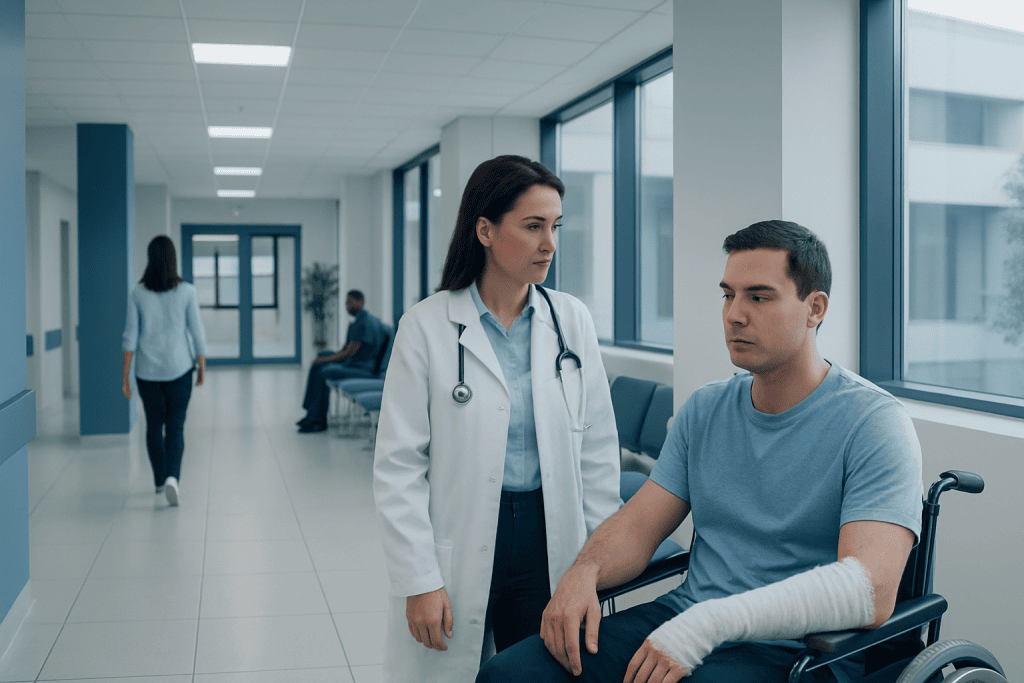
A third-degree burn destroys the full thickness of the skin and needs immediate medical assessment. The burned area may look white, brown, charred, leathery, or dry and can have little or no sensation at its center.
Key Takeaways
- A third-degree burn destroys the full thickness of the skin and needs immediate medical assessment.
- The burned area may look white, brown, charred, leathery, or dry and can have little or no sensation at its center.
- Surgery and skin grafting are often needed because full-thickness skin loss cannot reliably regrow on its own.
- Recovery can include wound care, scar management, rehabilitation, and emotional support over months or longer.
- Burns involving the face, hands, feet, genitals, major joints, airway, or a large area require specialized burn care.
3rd degree burn treatment is urgent specialist care for a full-thickness skin injury. Treatment usually involves stabilizing the person, cleaning and covering the wound, preventing infection, managing pain, and often removing damaged tissue and using skin grafts or reconstructive procedures.
Overview: What Is 3rd Degree Burn Treatment?
3rd degree burn treatment involves urgent medical care for a full-thickness burn, meaning the injury has destroyed the outer and deeper layers of skin. Care commonly includes assessment of breathing and circulation, pain relief, wound cleaning, infection prevention, removal of nonviable tissue, and surgical closure with a skin graft or another form of coverage when needed.
Third-degree burns can be caused by flames, hot liquids, electricity, chemicals, prolonged contact with a hot object, or severe sun exposure. They may appear waxy white, tan, brown, dark red, or charred. Because nerve endings may be destroyed, the center of the wound can feel numb, although surrounding partial-thickness burn areas can be very painful.
These burns should not be treated at home. Prompt evaluation is important even if the injured person feels relatively little pain, because the depth and extent of a burn cannot be judged safely by appearance alone. Treatment aims to protect the body from fluid loss and infection, preserve movement and function, support healing, and reduce scarring where possible.
When to Seek Medical Care
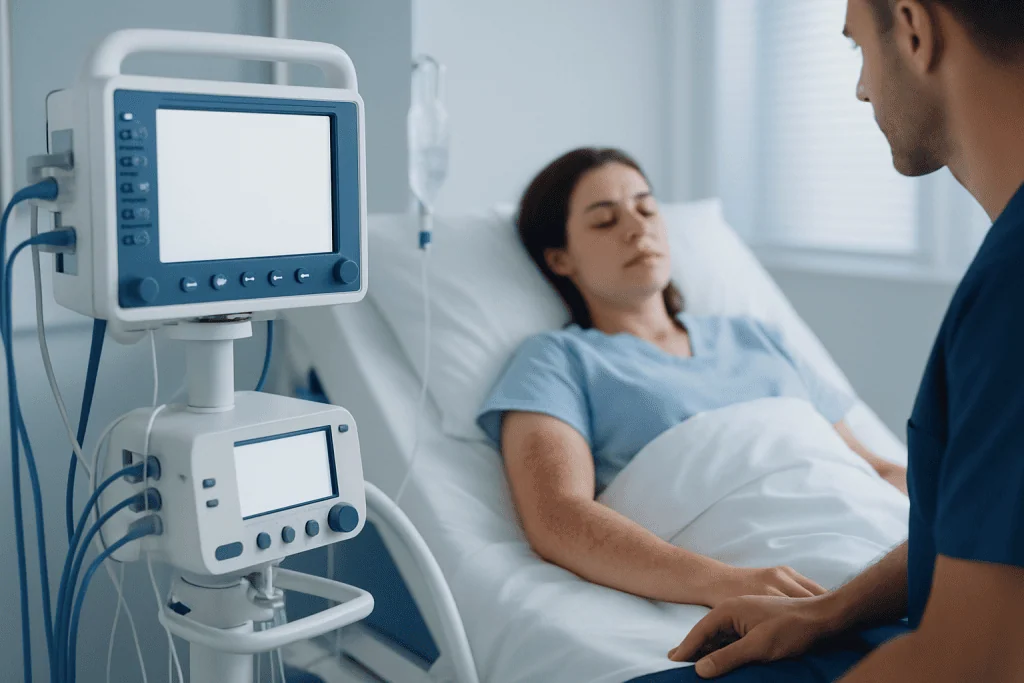
A suspected third-degree burn needs emergency medical care. Emergency services should be contacted immediately for burns caused by electricity or chemicals, burns after an explosion, burns with breathing difficulty, facial burns, or burns associated with smoke exposure. An electrical injury can cause internal damage or heart rhythm problems even when the skin wound seems small.
Urgent assessment is also needed for any deep burn affecting the face, hands, feet, genitals, buttocks, a major joint, or a large area of the body. Children, older adults, pregnant people, and people with diabetes, immune suppression, heart disease, or circulation problems may need particularly careful assessment.
Until help arrives, the person should be moved away from the source of injury if it is safe to do so. Remove jewelry and restrictive clothing near the area before swelling develops, but do not pull away material stuck to the skin. Cover the burn loosely with a clean, dry cloth or sterile dressing, keep the person warm, and do not use ice, butter, creams, or adhesive dressings on a severe burn.
How Does a Doctor Treat a 3rd Degree Burn?
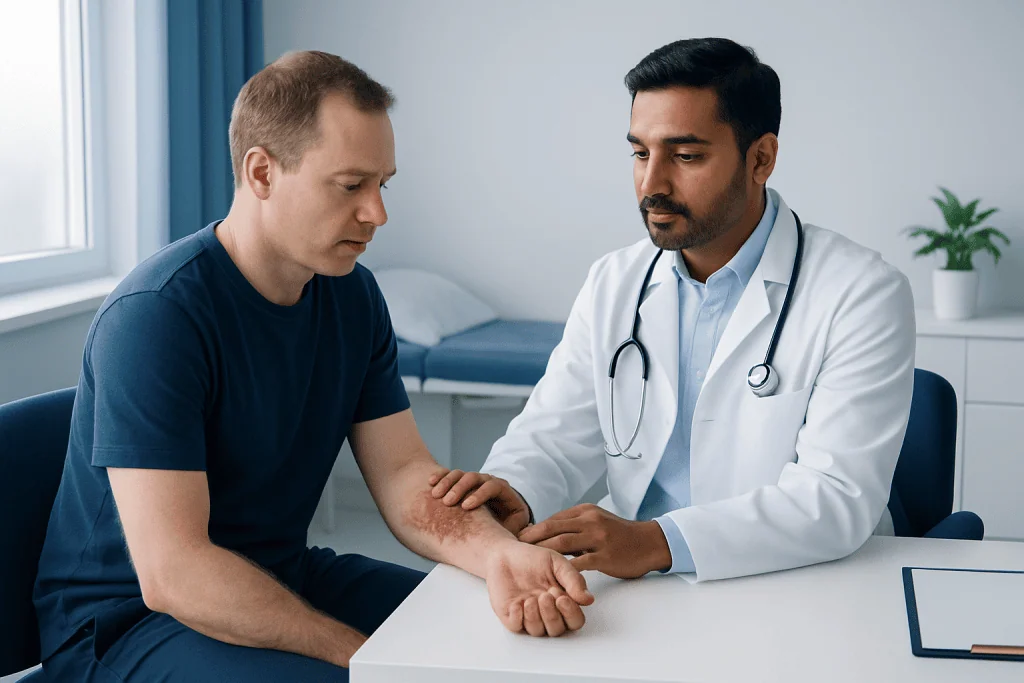
A doctor first evaluates the person’s airway, breathing, circulation, level of consciousness, and other injuries. Smoke inhalation may require oxygen, airway monitoring, or specialized respiratory support. For extensive burns, clinicians calculate the body surface area involved and provide carefully monitored fluids, warming measures, pain control, and blood tests when appropriate.
The wound is examined for depth, location, circulation, and signs of associated tissue injury. Treatment may include gentle cleansing, removal of loose dead skin, protective dressings, and tetanus vaccination if indicated. Antibiotics are not routinely used for every burn, but they may be prescribed when there is a confirmed or strongly suspected infection or another clinical reason.
Full-thickness tissue generally needs surgical removal, called excision or debridement, followed by wound coverage. A surgeon may use a temporary biologic or synthetic covering while the patient is stabilized or while a permanent option is planned. The primary method of permanent closure is often skin grafting, in which healthy skin is moved from a donor area or another appropriate source to cover the wound.
Care is usually coordinated among burn surgeons, plastic and reconstructive surgeons, anesthesiologists, wound-care nurses, physiotherapists, occupational therapists, nutrition specialists, and mental health professionals. The exact plan depends on the cause, depth, size, body location, and the person’s overall health.
How 3rd Degree Burn Surgery and Skin Grafting Work
Before surgery, the burn team confirms that the person is medically stable and develops a plan for wound coverage. The procedure is commonly performed under anesthesia. The surgeon removes damaged tissue until a healthy, bleeding wound bed is reached; this is important because dead tissue cannot support healing and can increase infection risk.
A split-thickness skin graft, containing the epidermis and part of the dermis, is frequently used for extensive burns. It may be applied as a sheet for visible or functionally important areas, or meshed so a smaller donor site can cover a larger wound. In selected situations, a full-thickness graft, flap reconstruction, dermal substitute, or other reconstructive approach may be considered.
After placement, grafts are secured and covered with dressings. The affected body part may be elevated, splinted, or temporarily immobilized to protect the graft. The team watches for graft adherence, blood flow, bleeding, fluid collection, infection, and pressure-related problems. Some patients need more than one procedure, especially after large or complex burns.
In addition to closing the wound, surgery may be needed to relieve constricting burned tissue. A deep, circumferential burn around a limb or chest can tighten as swelling increases and may affect circulation or breathing. In this situation, a surgeon may perform an escharotomy, making carefully placed incisions through the stiff burned tissue to release pressure.
Who May Need Specialist Burn Treatment?
All suspected full-thickness burns should be assessed by a clinician, and many require referral to a specialized burn service. A person may be a candidate for surgical wound excision and grafting when the burn is clearly full thickness, is unlikely to close on its own, involves functionally important body areas, or leaves exposed tissue that needs durable coverage.
Timing is individualized. Some wounds are treated surgically early, while others need observation, repeat assessment, or temporary coverage before definitive closure. The team considers medical stability, the extent of injury, available donor skin, infection risk, nutrition, circulation, and whether the injury includes deeper structures such as fat, muscle, tendon, or bone.
People with deep burns of the hands or joints benefit from early rehabilitation planning because stiffness and scar tightening can interfere with daily activities. If the burn is accompanied by trauma, inhalation injury, or chronic health conditions, additional specialists may be involved to ensure all aspects of care are addressed safely.
What Are the Stages of 3rd Degree Burn Healing?
The early stage focuses on emergency stabilization, accurate burn-depth assessment, and protecting the wound. For larger burns, this can include fluid management, temperature support, breathing assessment, nutrition planning, and regular checks for infection or circulation problems. Dressings are selected to protect the tissue and manage fluid from the wound.
The next stage is wound-bed preparation and closure. A full-thickness burn does not have enough surviving skin structures to reliably regenerate normal skin across the injured area. Surgical debridement and grafting are therefore often used to create a closed, protected surface. A graft is monitored closely during the first days as it establishes its blood supply.
Rehabilitation begins early and continues after wound closure. It may include range-of-motion exercises, positioning, splints, compression garments, massage techniques recommended by the care team, and occupational therapy. Scar maturation is gradual; scars may initially be red, raised, itchy, tight, or sensitive and can change over many months.
Long-term follow-up addresses function, appearance, comfort, emotional well-being, and any late complications. Some people may need scar treatments or reconstructive surgery later if scar contractures limit movement or if a healed area breaks down repeatedly.
Do 3rd Degree Burns Ever Fully Heal?
Third-degree burns can close and become stable after expert treatment, but the injured skin does not usually return to its original structure or function. When a graft heals successfully, it restores a protective barrier and can support meaningful recovery, but grafted skin may differ in color, texture, sweating, sensation, hair growth, and response to sunlight.
The outcome depends on burn size and location, the depth of injury, age, underlying health, infection, treatment timing, and whether tendons, joints, nerves, or other deeper tissues were affected. Smaller burns in less mobile areas may have a different recovery pattern from burns involving the hands, face, or joints.
Scars are expected after full-thickness burns, but their effect varies widely. Skilled wound care, rehabilitation, sun protection, and regular follow-up can help manage scar symptoms and preserve movement. It is helpful for patients to discuss realistic functional and cosmetic goals with their burn team throughout recovery.
Do Nerves Grow Back After Third-Degree Burns?
Third-degree burns can destroy nerve endings in the skin, which is one reason the deepest part of a burn may be painless or numb at first. Some nerve recovery can occur gradually from the edges of the injury or through healing tissues, especially if the deeper nerve pathways remain intact. However, sensation may not return completely or may feel different from before the injury.
During recovery, a person may experience numbness, tingling, itching, hypersensitivity, altered temperature sensation, or pain. These symptoms can improve over time, but their pattern is unpredictable. Grafted skin may remain less sensitive than uninjured skin, making protection from heat, cold, friction, and sun especially important.
If pain is persistent, sleep-disrupting, burning in quality, or associated with worsening weakness or loss of movement, the burn team should review it. Rehabilitation clinicians and pain specialists can recommend individualized approaches that may include activity adjustments, desensitization techniques, scar care, and appropriate medicines.
Frequently asked questions
Can a 3rd degree burn heal without a skin graft?
A very small full-thickness burn may occasionally close from the edges over time, but this is slow and often results in significant scarring and contraction. Most third-degree burns require assessment by a burn specialist, and many need surgical excision and skin grafting for reliable wound closure.
How long does recovery from a third degree burn take?
Initial wound closure may take weeks, particularly if surgery or more than one grafting procedure is needed. Scar maturation, strength recovery, and rehabilitation can continue for many months or longer, depending on the location and severity of the injury.
Is a third degree burn always painful?
The deepest part of a third-degree burn may have little sensation because nerve endings have been destroyed. However, the surrounding skin and associated partial-thickness burns can be severely painful, and pain may change during healing.
What happens if a third degree burn becomes infected?
Infection can delay healing, damage a skin graft, and in serious cases spread beyond the wound. Increasing redness, warmth, swelling, drainage, fever, worsening pain, or an unpleasant odor should be assessed promptly by a healthcare professional.
Will a skin graft look like normal skin?
A healed graft provides important coverage, but it may not look or behave exactly like surrounding skin. Differences in pigment, texture, hair growth, sweating, sensation, and thickness are common, and scars can continue to change with time.
What follow-up care is needed after a third degree burn?
Follow-up commonly includes wound and graft checks, dressing guidance, scar management, movement exercises, and monitoring for infection or contractures. At Acibadem International, multidisciplinary specialists in JCI-accredited hospitals can assess and treat burn injuries for international patients, with follow-up plans tailored to the individual’s recovery needs.
References
- American Burn Association
- World Health Organization
- National Institute of General Medical Sciences
- MedlinePlus
- American Academy of Dermatology Association
This article is for general information only and is not a substitute for professional medical advice. Please consult a qualified doctor about your individual situation.
Explore treatments in Turkey — costs, top hospitals & a free quote
JCI-accredited · board-certified surgeons · reply within 24h
Add us as a Preferred Source to see more of our trusted health content across Google Search, AI Overviews and Discover.