4 Months Pregnant: What Is Normal, What Is Not, and When to Seek Care

At 4 months pregnant, the pregnancy is usually in the early second trimester, around weeks 14 to 17. Common normal changes include less nausea, more energy, a visible bump, mild round ligament pain, and breast enlargement.
Key Takeaways
- At 4 months pregnant, the pregnancy is usually in the early second trimester, around weeks 14 to 17.
- Common normal changes include less nausea, more energy, a visible bump, mild round ligament pain, and breast enlargement.
- Light cramps, constipation, heartburn, and occasional headaches can occur, but severe or persistent symptoms should be discussed with a clinician.
- Heavy bleeding, strong abdominal pain, fainting, fever, leaking fluid, or reduced well-being need urgent medical advice.
- Regular prenatal visits, balanced nutrition, hydration, and avoiding smoking and alcohol support a healthy pregnancy.
At 4 months pregnant, many people enter the second trimester and begin to feel more comfortable as nausea often eases and energy improves. Normal changes can include a growing abdomen, breast changes, mild aches, and increased appetite, while symptoms such as heavy bleeding, severe pain, fever, or leaking fluid are not considered normal and should be assessed promptly.
Overview: What 4 Months Pregnant Usually Feels Like
Being 4 months pregnant usually means a person is in the second trimester, often between weeks 14 and 17. For many, this phase brings welcome relief from the nausea, extreme fatigue, and food aversions that are common in early pregnancy. It is also a time when the abdomen may start to show more clearly, clothes may fit differently, and routine prenatal care becomes especially important.
There is a wide range of normal at this stage. Some people feel significantly better, while others still have nausea, tiredness, or mood changes. The baby’s growth is continuing quickly, and the uterus is expanding upward out of the pelvis, which can create new sensations such as stretching, pelvic pressure, or mild side pain.
What matters most is the overall pattern. Gradual body changes, manageable discomforts, and normal prenatal checkups are usually reassuring. Symptoms that are sudden, severe, or associated with bleeding, fever, or fluid leakage should not be ignored.
What Is Normal at 4 Months Pregnant
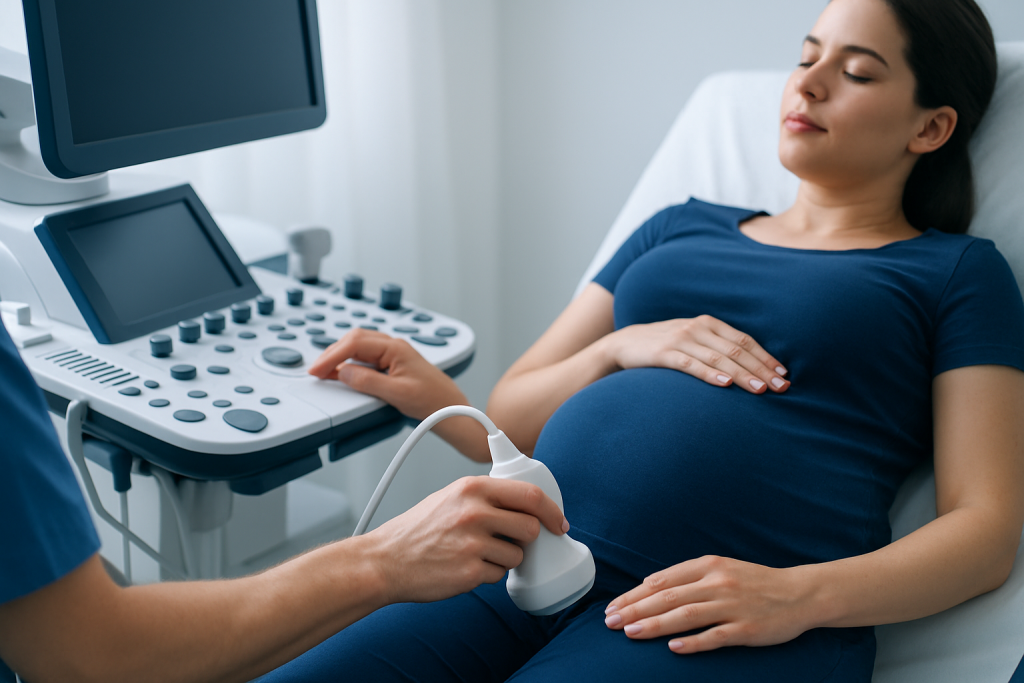
Several changes are commonly considered normal at 4 months pregnant. Nausea may lessen, energy may improve, and appetite may return. The breasts often feel fuller or more tender, the waistline becomes less defined, and some people notice darker skin changes such as a line on the abdomen or darkening around the nipples.
Mild physical discomforts are also common as the body adapts. Stretching of the ligaments that support the uterus can cause brief, sharp aches on one or both sides of the lower abdomen, often called round ligament pain. Constipation, bloating, heartburn, nasal congestion, and occasional headaches may happen as pregnancy hormones affect digestion, blood vessels, and soft tissues.
Some people may begin to feel subtle fetal movement later in this month, especially if they have been pregnant before, but many will not notice movement until a little later. Not feeling movement yet at this stage is often completely normal.
- A gradually growing belly
- Less morning sickness or vomiting
- Improved energy, though some fatigue can continue
- Mild cramping or stretching sensations
- Breast growth and nipple changes
- Constipation, gas, or heartburn
- Increased vaginal discharge that is clear or milky and not irritating
What Is Not Normal: Symptoms That Need Attention

While many symptoms at 4 months pregnant are harmless, some are not considered normal and should be discussed with a healthcare professional. Heavy vaginal bleeding, passing clots, severe abdominal pain, or painful cramping can signal a problem that needs prompt evaluation. Fainting, chest pain, shortness of breath that is new or worsening, or a severe headache with visual changes also deserve urgent attention.
Leaking fluid from the vagina is another symptom that should not be ignored, because it may represent amniotic fluid rather than normal discharge. Fever, burning with urination, persistent vomiting, or one-sided pelvic pain can suggest infection or other conditions that may affect pregnancy. Marked swelling of the face or hands, though more often discussed later in pregnancy, should also be reported if it appears suddenly.
It can be difficult to judge symptoms alone. If something feels significantly different from the usual pregnancy changes, calling a maternity care team is a safe choice. Evaluation may include an exam, blood or urine tests, or imaging such as pregnancy ultrasound to check the baby and the pregnancy.
Why These Changes Happen
The physical changes of 4 months pregnant are largely driven by hormones and the growing uterus. Rising levels of progesterone can slow digestion, leading to constipation, bloating, and reflux. Increased blood volume supports the pregnancy but can contribute to headaches, dizziness, and a feeling of warmth.
As the uterus grows, it stretches surrounding muscles and ligaments. This can cause lower abdominal pulling sensations and mild back discomfort. The breasts continue preparing for feeding, which explains tenderness and enlargement. Skin changes happen because pregnancy hormones can increase pigment production and affect oil glands.
At the same time, the placenta is developing into a strong support system for the baby. Because of this shift, many people notice that the most difficult first-trimester symptoms start to improve. Even so, every pregnancy is different, and a person may still have symptoms that overlap with earlier weeks.
Prenatal Checkups and How Doctors Assess Well-Being
Regular prenatal visits at 4 months pregnant help confirm that both parent and baby are doing well. At a routine appointment, a clinician will usually review symptoms, measure weight and blood pressure, and test urine when needed. They may also listen for the fetal heartbeat and assess how the uterus is growing.
Depending on the timing and the individual’s medical history, blood tests may be offered to screen for anemia, infections, blood type concerns, or certain genetic conditions. Imaging may also be used to assess growth and anatomy. If there is pain or bleeding, doctors may evaluate for causes such as ectopic pregnancy in earlier pregnancy or other complications, although by 4 months an established intrauterine pregnancy is usually already confirmed.
Some patients need additional surveillance because of preexisting conditions, multiple pregnancy, high blood pressure, diabetes, thyroid disease, or a history of pregnancy complications. In these situations, care may include more frequent visits and coordinated support from obstetric, endocrine, or fetal medicine specialists.
Self-Care, Daily Habits, and Staying Comfortable
Healthy daily habits can make 4 months pregnant more comfortable and support normal development. Eating balanced meals with protein, whole grains, fruit, vegetables, calcium-rich foods, and iron-rich foods is helpful. Small, frequent meals may reduce heartburn or nausea. Prenatal vitamins, especially folic acid and iron when recommended, remain important throughout pregnancy.
Hydration, gentle activity, and good sleep routines also matter. Many people benefit from walking, prenatal stretching, or other clinician-approved exercise. Resting on the side later in pregnancy may become more comfortable, but at 4 months the main focus is finding a sleep position that reduces strain. Supportive bras, looser clothing, and attention to posture can help with breast and back discomfort.
It is also important to avoid smoking, alcohol, and non-prescribed drugs, and to check with a clinician before starting any medicine or supplement. If nausea remains severe or if there is ongoing vomiting and weight loss, assessment is important because persistent symptoms can sometimes be related to hyperemesis gravidarum.
- Drink water regularly through the day
- Choose fiber-rich foods to help prevent constipation
- Stay active with pregnancy-safe movement
- Use pillows or supports for back and hip comfort
- Attend scheduled prenatal visits even if feeling well
When to Seek Medical Care
Medical care should be sought promptly if there is heavy vaginal bleeding, severe or persistent abdominal pain, leaking of clear fluid, fever, fainting, or trouble breathing. A clinician should also be contacted for severe headache, vision changes, painful urination, repeated vomiting, or symptoms that are rapidly getting worse instead of staying mild and manageable.
Even symptoms that seem small can be worth discussing if they cause concern. Pregnancy care is not only for emergencies; it is also for reassurance, monitoring, and prevention. If there is uncertainty about whether a symptom is normal, a maternity team can guide the next step safely.
Specialist assessment may include laboratory testing, prenatal check-up and evaluation, or imaging based on symptoms. For international patients who need coordinated pregnancy-related care, Acibadem International’s multidisciplinary specialists and JCI-accredited hospitals provide diagnostic and treatment services tailored to individual needs.
Frequently asked questions
How many weeks is 4 months pregnant?
Four months pregnant usually corresponds to about 14 to 17 weeks of pregnancy. Exact timing can vary slightly depending on how months are counted, but it is generally part of the early second trimester.
Is cramping normal at 4 months pregnant?
Mild cramping or stretching sensations can be normal as the uterus grows and ligaments stretch. Severe, persistent, or one-sided pain, especially with bleeding, fever, or dizziness, should be assessed by a doctor.
Should a baby bump show at 4 months pregnant?
Many people begin to show more clearly by 4 months pregnant, but this varies widely. Body shape, muscle tone, and whether someone has been pregnant before can all affect when the bump becomes visible.
Is it normal not to feel the baby move yet at 4 months pregnant?
Yes. Some people feel movement around this time, while others do not notice it until later in the second trimester. This is especially common in a first pregnancy.
What kind of discharge is normal at 4 months pregnant?
A clear or milky white vaginal discharge without a bad odor, itching, or burning is often normal in pregnancy. Green, gray, foul-smelling discharge, or discharge with irritation or fluid-like leaking, should be checked.
When should someone call a doctor at 4 months pregnant?
A doctor should be called for heavy bleeding, severe pain, fever, leaking fluid, painful urination, fainting, or persistent vomiting. It is also appropriate to call for symptoms that feel unusual, worrying, or are becoming more intense.
References
- American College of Obstetricians and Gynecologists
- Centers for Disease Control and Prevention
- National Institute for Health and Care Excellence
- World Health Organization
This article is for general information only and is not a substitute for professional medical advice. Please consult a qualified doctor about your individual situation.
Persistent digestive symptoms? Get evaluated in Turkey
JCI-accredited · board-certified surgeons · reply within 24h
Add us as a Preferred Source to see more of our trusted health content across Google Search, AI Overviews and Discover.