7 Signs of Low Vitamin D and When to See a Doctor

Vitamin D helps the body absorb calcium and supports bone, muscle and immune function. Symptoms of low vitamin D can be subtle and overlap with many other health conditions.
Key Takeaways
- Vitamin D helps the body absorb calcium and supports bone, muscle and immune function.
- Symptoms of low vitamin D can be subtle and overlap with many other health conditions.
- A blood test is the reliable way to diagnose vitamin D deficiency.
- Treatment usually includes vitamin D supplementation and addressing contributing factors under medical guidance.
- People with limited sun exposure, darker skin, older age or digestive conditions may have a higher risk.
Low vitamin D is common and may develop gradually, sometimes without noticeable symptoms. Recognizing possible signs and seeking a simple blood test when needed can help protect bone, muscle and overall health.
Overview: What Does Low Vitamin D Mean?
Vitamin D is a fat-soluble nutrient and hormone-like substance that helps the body absorb calcium and phosphate. These minerals are important for building and maintaining strong bones and teeth. Vitamin D also contributes to normal muscle function and supports several processes within the immune system.
The body can make vitamin D in the skin after exposure to sunlight. It is also available in some foods, including oily fish, egg yolks, fortified dairy products and fortified plant-based alternatives. However, diet alone may not provide enough vitamin D for many people, especially when sun exposure is limited.
Low vitamin D may refer to a level below the desired range, while vitamin D deficiency is a more significant reduction that can affect health. Symptoms are not always present, and they can be nonspecific. A healthcare professional can interpret vitamin D results in the context of a person’s age, health history, medications and symptoms.
7 Possible Signs of Low Vitamin D
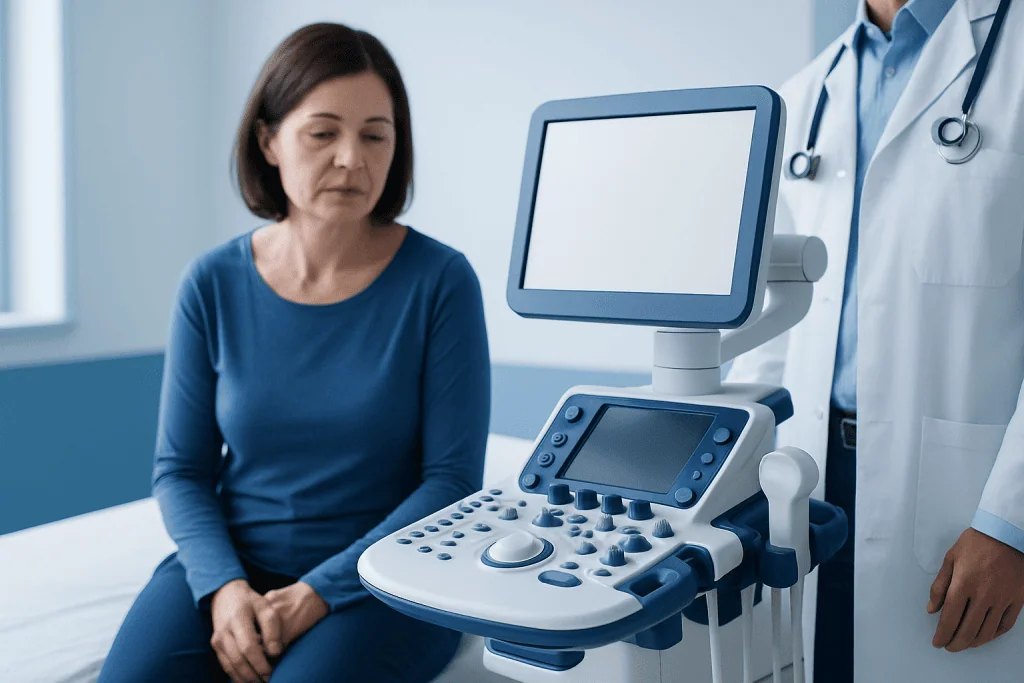
Low vitamin D often causes no clear symptoms. When symptoms do occur, they may develop slowly and can resemble those of stress, poor sleep, anemia, thyroid disorders, depression or other medical concerns. Having one or more of these signs does not confirm a deficiency, but it may be a reason to discuss testing with a doctor.
- 1. Ongoing tiredness: Persistent low energy or fatigue can have many causes, including low vitamin D.
- 2. Bone pain or back pain: Vitamin D is needed for normal calcium absorption. Deficiency may be associated with aching bones, particularly in the back, hips, legs or ribs.
- 3. Muscle weakness or aches: Some people experience muscle discomfort, cramps, weakness or reduced physical performance.
- 4. Frequent illness: Vitamin D has a role in immune function, although recurrent infections always need a broader medical assessment.
- 5. Slow recovery from injuries or wounds: Delayed healing may have several explanations, but low vitamin D can be one factor in some people.
- 6. Low mood: Depression and low vitamin D can occur together, particularly during seasons with less daylight. Low vitamin D should not be assumed to be the cause of mood symptoms.
- 7. Stress fractures or fragile bones: Long-term deficiency can contribute to reduced bone mineralization, increasing the risk of bone pain and fractures.
In children, severe or prolonged vitamin D deficiency can interfere with healthy bone development and may lead to rickets. In adults, it can contribute to osteomalacia, a condition in which bones become softer and may be painful. These conditions require medical assessment and treatment.
Causes and Risk Factors

The most common reason for low vitamin D is inadequate production in the skin due to limited sunlight exposure. This may occur during winter, in regions with less sunlight, or when someone spends most of the day indoors. Covering most of the skin for cultural, medical or personal reasons can also reduce vitamin D production.
Risk can be higher in people with darker skin because more melanin reduces the amount of vitamin D the skin produces from sunlight. Older adults may also make less vitamin D in the skin and may spend less time outdoors. Infants who are exclusively breastfed can need supplementation because breast milk alone may not provide enough vitamin D.
Medical conditions can affect absorption or metabolism of vitamin D. These include celiac disease, inflammatory bowel disease, pancreatic disorders, liver disease and chronic kidney disease. Weight-loss surgery may also affect nutrient absorption. Certain medicines, including some anti-seizure medicines and long-term corticosteroid treatment, can influence vitamin D levels or bone health.
A balanced approach is important. Excessive unprotected sun exposure can damage the skin and raise skin cancer risk, while taking high-dose supplements without guidance can cause harmful vitamin D excess. A doctor can help identify the most appropriate approach for an individual.
How Low Vitamin D Is Diagnosed
A blood test measuring 25-hydroxyvitamin D, often written as 25(OH)D, is the usual test for assessing vitamin D status. Healthcare professionals may recommend it when a person has symptoms, risk factors, bone health concerns or a condition that can affect nutrient absorption.
Results should be interpreted by a qualified clinician because laboratory ranges, health needs and treatment thresholds can differ. A doctor may also request tests for calcium, phosphate, parathyroid hormone, kidney function or other nutrients when symptoms or medical history suggest a broader issue.
It is not necessary for everyone to have routine vitamin D testing. In many settings, clinicians focus testing on people at increased risk or those with symptoms. Before beginning a high-dose supplement, people should seek medical advice, particularly if they have kidney disease, a history of kidney stones, sarcoidosis or another condition affecting calcium balance.
Treatment Options for Vitamin D Deficiency
Treatment depends on the measured vitamin D level, symptoms, age, underlying cause and overall health. A clinician may recommend a vitamin D supplement for a defined period and then reassess the level. More substantial deficiency may require a higher initial treatment plan, followed by a lower maintenance dose, under professional supervision.
Vitamin D is available in different forms, commonly vitamin D3 and vitamin D2. The best formulation and schedule should be chosen with a healthcare professional. Taking vitamin D with a meal that contains some dietary fat may improve absorption, but individual instructions should always be followed.
Food sources can support healthy intake. Options include salmon, sardines, mackerel, egg yolks, fortified milk, fortified yogurt, fortified cereals and fortified plant drinks. Dietary changes may be especially useful for maintenance, although food alone may not correct a significant deficiency.
Very high vitamin D intake can raise calcium levels in the blood and may cause nausea, constipation, thirst, frequent urination, confusion or kidney problems. Supplements should therefore be used as directed rather than in large doses for long periods. Follow-up testing may be recommended to ensure levels return to an appropriate range safely.
Prevention and Everyday Self-Care
Maintaining vitamin D levels usually involves a combination of safe daylight exposure, nutritious food choices and supplements when recommended. The amount of sunlight needed varies widely with season, skin tone, location, age, clothing and use of sunscreen. It is not advisable to seek sunburn or prolonged intense sun exposure as a way to raise vitamin D.
Regular weight-bearing and muscle-strengthening activity, such as walking, stair climbing, resistance exercise or dancing, can also support bone health. Adequate calcium intake, enough protein and avoiding smoking are additional helpful measures for many people.
People at higher risk may need preventive supplementation, especially during periods of low sunlight. This includes some older adults, pregnant people, infants, individuals with limited sun exposure and people with conditions affecting absorption. A pharmacist or doctor can provide personalized advice about suitable products and safe use.
When to See a Doctor
A doctor should be consulted for persistent fatigue, unexplained bone or muscle pain, new weakness, repeated fractures, or symptoms that interfere with daily life. An assessment is particularly important if there is a digestive disease, kidney or liver condition, past bariatric surgery, prolonged corticosteroid use or a family history of osteoporosis.
Prompt medical advice is appropriate for severe weakness, significant bone pain, trouble walking, confusion, persistent vomiting or symptoms of high calcium after taking supplements. Children with delayed growth, bowed legs, bone pain or muscle weakness should be evaluated by a pediatric clinician.
Low mood, anxiety or depression deserve professional support regardless of vitamin D status. If a person has thoughts of self-harm or feels unable to stay safe, urgent local emergency or crisis support should be contacted.
Acibadem International’s multidisciplinary specialists and JCI-accredited hospitals can assess vitamin D concerns and related bone, endocrine or nutritional issues for international patients. A personalized evaluation can help clarify whether low vitamin D is present and whether another condition may be contributing to symptoms.
Frequently asked questions
Can low vitamin D cause fatigue?
Low vitamin D may be associated with fatigue or low energy in some people. However, fatigue is very common and has many possible causes, including sleep problems, anemia, stress, thyroid conditions and depression. A clinician can help decide whether vitamin D testing or other investigations are appropriate.
What is the fastest way to raise vitamin D levels?
The appropriate approach depends on the severity and cause of the low level. A clinician may recommend vitamin D supplements, dietary changes and safe sunlight exposure. Large doses should not be taken without advice because too much vitamin D can be harmful.
Can a person have low vitamin D without symptoms?
Yes. Many people with low vitamin D have no noticeable symptoms, especially when levels are only mildly reduced. Testing may be considered when risk factors are present or when a doctor is investigating bone, muscle or general health concerns.
Which foods contain vitamin D?
Oily fish such as salmon, sardines and mackerel are among the best natural dietary sources. Egg yolks and some mushrooms may also contribute, while many milks, yogurts, cereals and plant-based drinks are fortified with vitamin D. Food labels can help identify fortified products.
Is sunlight enough to prevent vitamin D deficiency?
Sunlight can help the skin produce vitamin D, but it may not be enough for everyone. Season, latitude, skin tone, age, time spent outdoors, clothing and health conditions all affect production. Supplements may be advised for people at increased risk.
How long does it take to correct low vitamin D?
Improvement varies depending on the starting level, the underlying cause, adherence to treatment and the treatment plan. Some people need follow-up blood tests after a period of supplementation. A doctor can advise when reassessment is needed and whether ongoing maintenance treatment is appropriate.
References
- National Institutes of Health Office of Dietary Supplements
- World Health Organization
- National Health Service
- Endocrine Society
- International Osteoporosis Foundation
This article is for general information only and is not a substitute for professional medical advice. Please consult a qualified doctor about your individual situation.
Explore treatments in Turkey — costs, top hospitals & a free quote
JCI-accredited · board-certified surgeons · reply within 24h
Add us as a Preferred Source to see more of our trusted health content across Google Search, AI Overviews and Discover.

More from the Health Library



Related Specialists

Dr. Hamed Jafarzadeh Andabıl
Pathology
Prof. Dr. Arzu Ertürk
Pulmonary Medicine
Assoc. Prof. Dr. Yeliz Çavuşoğlu Yüce
Oral & Dental Health
Dr. Akın Kürklü
Internal Medicine