70 and Never Had a Colonoscopy: Preparation, Procedure and Results

Adults aged 70 who have never been screened for colorectal cancer may still benefit from screening after an individual health assessment. Colonoscopy examines the entire colon and can remove many precancerous polyps during the same procedure.
Key Takeaways
- Adults aged 70 who have never been screened for colorectal cancer may still benefit from screening after an individual health assessment.
- Colonoscopy examines the entire colon and can remove many precancerous polyps during the same procedure.
- Preparation is essential because a clean bowel helps the specialist see small polyps and other changes accurately.
- Screening decisions after age 75 are usually individualized rather than routine for everyone.
- New bowel symptoms, rectal bleeding, unexplained anemia or unexplained weight loss need medical assessment rather than screening alone.
Being 70 and never having had a colonoscopy does not automatically mean it is too late for colorectal cancer screening. The most appropriate next step depends on overall health, prior screening history, symptoms, family history and personal preferences, and should be decided with a clinician.
Overview: 70 and Never Had a Colonoscopy
For a person who is 70 and never had a colonoscopy, it may still be reasonable to consider colorectal cancer screening. Most guidance recommends routine screening for average-risk adults through age 75, while the decision from ages 76 to 85 should be individualized. A clinician considers the person’s general health, daily function, medical conditions, expected benefit from screening, previous tests and preferences.
Colonoscopy is a test that allows a gastroenterologist to look inside the rectum and colon using a thin flexible instrument with a camera. It can identify cancers, inflammation and polyps, which are growths that may sometimes develop into cancer over years. Many polyps can be removed during the same examination, making colonoscopy both a screening and preventive procedure.
Not every person needs colonoscopy as their first screening test. Stool-based tests and other visual examinations may be appropriate in some circumstances. However, a positive stool test usually needs follow-up colonoscopy, and colonoscopy may be especially useful for people with symptoms, a prior abnormal test or higher-than-average risk.
What percentage of people have never had a colonoscopy?
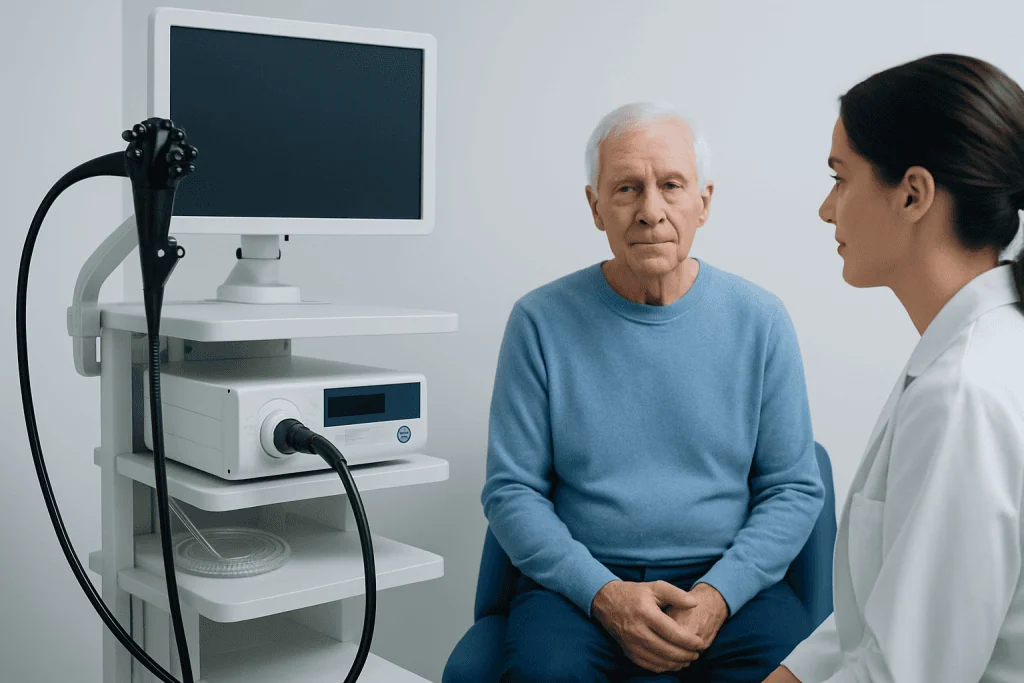
There is no single percentage that applies to every country, age group or definition of screening. Public-health surveys commonly report colorectal cancer screening rates using several test types, not colonoscopy alone. Rates also differ according to access to care, health insurance, education, ethnicity, location and whether a person has a regular healthcare professional.
In the United States, national survey data indicate that a meaningful minority of screening-eligible adults are not up to date with colorectal cancer screening. Some may never have had a colonoscopy but may have completed stool testing or another recommended screening examination instead. Therefore, “never had a colonoscopy” does not always mean “never screened.”
For an individual, the more useful question is whether they have ever completed an appropriate colorectal cancer screening test and whether they currently need one. A clinician can review prior records, family history and any recent symptoms before recommending the next step.
I am 70 years old and never had a colonoscopy. Should I get one?
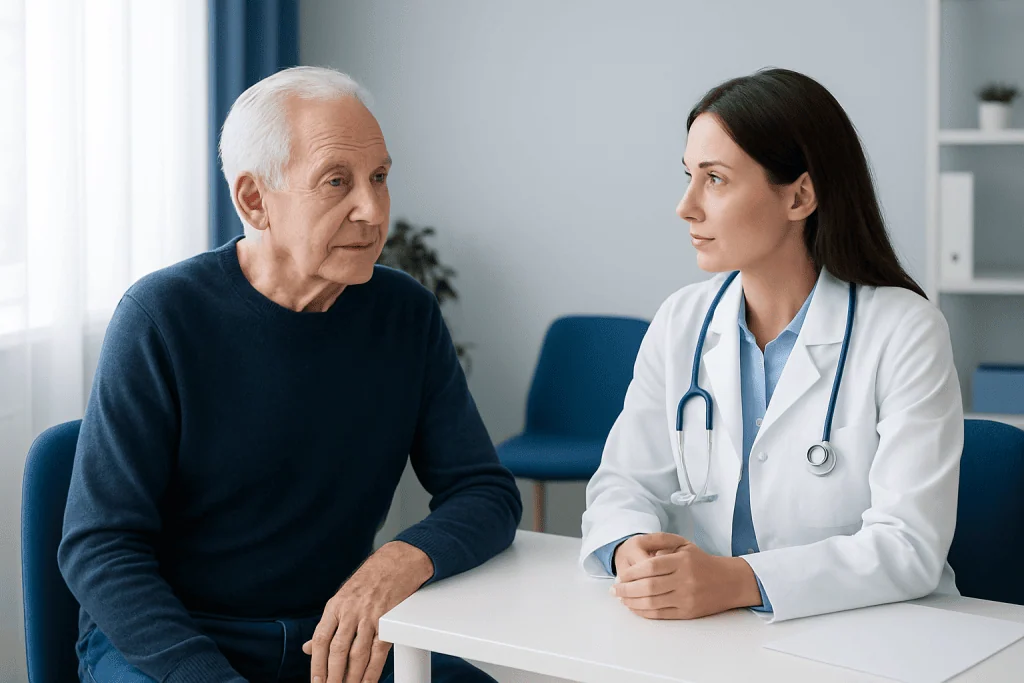
A 70-year-old who has never been screened should discuss colorectal cancer screening with a doctor. For many adults in this situation, screening can still offer benefit because colorectal cancer risk rises with age and screening can find problems before symptoms occur. The decision is not based on age alone.
A clinician will usually review overall health, heart and lung conditions, kidney disease, medications, mobility, cognitive health, previous abdominal surgery and whether the person could safely complete bowel preparation and sedation. They also consider family history of colorectal cancer or polyps, inflammatory bowel disease and any symptoms that could require diagnostic testing rather than routine screening.
People who are in good general health and could reasonably benefit from treatment if cancer were found are more likely to be offered screening. If colonoscopy is not suitable or not preferred, a clinician may discuss other approaches. For a complete examination and possible polyp removal, colonoscopy remains an important option.
Do you really need a colonoscopy after age 70?
Age 70 alone is not a reason to stop or avoid colonoscopy. For average-risk adults who are not up to date with screening, colorectal cancer screening is commonly recommended through age 75. Whether the screening method should be colonoscopy depends on the person’s risk profile, health status and preferences.
Colonoscopy may be recommended when a stool-based test is positive, when there is a strong family history, when previous polyps were found, or when symptoms need investigation. It may also be chosen by an average-risk person who wants a test that examines the full colon and may allow polyps to be removed immediately.
For a person with significant frailty or medical conditions that make preparation, sedation or treatment unlikely to be beneficial, the risks may outweigh the likely gains. Shared decision-making is important. The goal is not to perform a procedure simply because of age, but to choose care that is appropriate for the individual.
How colonoscopy works: preparation, procedure and recovery
Before colonoscopy, the medical team reviews medical history, allergies and medicines. Blood thinners, diabetes medicines, iron supplements and certain weight-loss medicines may need individualized instructions; they should never be stopped without advice from the prescribing clinician. The person receives a written bowel-preparation plan, often involving a low-fiber diet for a short period, clear liquids the day before and a prescribed laxative solution.
A clean bowel is central to an accurate examination. If stool remains in the colon, small polyps can be harder to see and the test may need to be repeated sooner. During the procedure, the person usually receives sedation and lies on their side. The specialist carefully advances the colonoscope through the colon, examines the lining and may take biopsies or remove polyps. The examination itself commonly takes less than an hour, although the full visit takes longer.
Afterward, patients rest in a recovery area while sedation wears off. Mild bloating, gas or cramping can occur temporarily because air or carbon dioxide is used to expand the colon. Someone else should drive the patient home after sedation, and driving, alcohol, major decisions and strenuous activity are usually avoided until the following day or according to the care team’s instructions.
Initial findings may be discussed on the same day. Biopsy or polyp pathology results take longer, often several days to a few weeks depending on the laboratory. The result determines when, or whether, another colon examination is needed.
Benefits, risks and alternatives
The main benefit of colonoscopy is that it can detect colorectal cancer early and identify polyps before they become cancerous. It also provides an explanation for some symptoms, such as bleeding or a persistent change in bowel habits. If a polyp is removed, it is sent to a laboratory to establish its type and whether further follow-up is needed.
Colonoscopy is generally safe, but no invasive procedure is risk-free. Possible complications include bleeding, particularly after polyp removal; a tear in the colon wall; a reaction to sedation; dehydration or electrolyte changes from bowel preparation; and missed lesions. Risks can be higher in older adults with complex health conditions, which is why pre-procedure assessment is important.
Alternative screening tests may include fecal immunochemical testing, stool DNA testing, CT colonography or flexible sigmoidoscopy, depending on local availability and clinical circumstances. These options have different intervals, preparation requirements and levels of accuracy. A positive result on most non-colonoscopy screening tests requires colonoscopy to investigate the finding.
Colonoscopy is also used to investigate conditions such as colon cancer and other causes of lower digestive symptoms. The best test is the one that addresses the person’s clinical needs and can be completed safely.
How common is colon cancer after age 75?
Colorectal cancer is more common in older adults than in younger adults, and many diagnoses occur after age 75. However, age-related risk does not mean that every older person should undergo routine screening. The potential benefit of screening takes time to develop, while procedure risks and the impact of other health conditions may increase with age.
For adults aged 76 to 85, major guidelines recommend individualized decisions based on health, previous screening, life expectancy, colorectal cancer risk and personal values. A healthy person in this age range who has never been screened may be more likely to benefit than someone who has had consistently normal screening tests and has substantial health limitations.
Screening is generally not recommended routinely after age 85. This does not mean new symptoms should be ignored. Rectal bleeding, anemia, persistent bowel changes or unexplained weight loss should be assessed at any age, because diagnostic evaluation is different from preventive screening.
When to seek medical care
A person should arrange medical review promptly for blood in or on the stool, black or tar-like stool, a persistent change in bowel habit, ongoing abdominal pain, new unexplained iron-deficiency anemia, unexplained fatigue or unintended weight loss. These symptoms have many possible causes, but they should not be attributed to aging without assessment.
Urgent care is appropriate for severe or worsening abdominal pain, heavy rectal bleeding, fainting, inability to keep fluids down, fever with significant abdominal symptoms, or signs of dehydration. Following colonoscopy, urgent advice is needed for severe pain, persistent vomiting, fever, dizziness, heavy bleeding or bleeding that does not settle.
For international patients, Acibadem International’s multidisciplinary specialists and JCI-accredited hospitals can assess colorectal symptoms and arrange appropriate diagnostic and treatment planning. A gastroenterologist can help determine whether colonoscopy, a stool test or another approach best fits an individual’s health situation.
Frequently asked questions
Is 70 too old for a first colonoscopy?
No. Age 70 is not generally too old for a first colonoscopy, particularly for someone who has never had colorectal cancer screening. A doctor should assess overall health, medical conditions, medications and whether the person could benefit from finding and treating a problem.
How should a 70-year-old prepare for a colonoscopy?
Preparation usually includes following a temporary diet plan and taking a prescribed bowel-cleansing medicine exactly as instructed. Older adults should ask about individualized guidance for blood thinners, diabetes medicines, kidney disease, heart failure and medicines that affect fluid balance.
Will a colonoscopy hurt?
Most people receive sedation, so they are comfortable or asleep during the procedure and remember little or none of it. Mild gas, bloating or cramping may occur afterward and usually improves within a short time.
What happens if a polyp is found during colonoscopy?
Many polyps can be removed during the examination using small instruments passed through the colonoscope. The tissue is then examined in a laboratory, and the result helps determine whether further treatment or earlier follow-up is needed.
Can a stool test replace colonoscopy after age 70?
For some average-risk adults, stool-based screening may be an appropriate alternative to colonoscopy. However, a positive stool test needs colonoscopy, and colonoscopy is usually preferred when symptoms, previous abnormal results or higher-risk factors are present.
How long does recovery take after a colonoscopy?
Most people return home the same day and feel close to normal by the next day. Sedation can affect alertness for the rest of the day, so a responsible adult should accompany the patient and driving should be avoided until cleared by the care team.
References
- U.S. Preventive Services Task Force
- American Cancer Society
- Centers for Disease Control and Prevention
- National Institute on Aging
- World Health Organization
This article is for general information only and is not a substitute for professional medical advice. Please consult a qualified doctor about your individual situation.
Persistent digestive symptoms? Get evaluated in Turkey
JCI-accredited · board-certified surgeons · reply within 24h
Add us as a Preferred Source to see more of our trusted health content across Google Search, AI Overviews and Discover.

More from the Health Library



Related Specialists

Dr. Evrim Başak Tanır
Pediatrics
Assoc. Prof. Dr. Oğuz Durakbaşa
Orthopedic Surgery & Traumatology
Assoc. Prof. Dr. Tonguç Utku Yılmaz
Kidney Transplant Center
Prof. Dr. Emel Öztürk Durmaz
Dermatology