9 Weeks Pregnant: Symptoms, Baby Development, and What to Expect

At 9 weeks pregnant, nausea, fatigue, breast tenderness, bloating, and frequent urination are common. The baby is now in an early fetal stage and is about the size of a cherry or olive.
Key Takeaways
- At 9 weeks pregnant, nausea, fatigue, breast tenderness, bloating, and frequent urination are common.
- The baby is now in an early fetal stage and is about the size of a cherry or olive.
- Hormonal changes can affect digestion, mood, skin, and energy levels this week.
- Regular prenatal care, hydration, balanced meals, and rest can help manage symptoms.
- Heavy bleeding, severe pain, fever, or signs of dehydration should prompt medical advice.
At 9 weeks pregnant, many people notice stronger early pregnancy symptoms while the baby continues rapid development. This week often includes nausea, tiredness, breast changes, and frequent urination, alongside important growth in the baby's head, limbs, and internal organs.
Overview: What to Expect at 9 Weeks Pregnant
At 9 weeks pregnant, early pregnancy symptoms are often very noticeable, and that can be completely normal. Many people experience more nausea, fatigue, food aversions, and breast tenderness during this week because pregnancy hormone levels are still rising. Although these symptoms can be uncomfortable, they often reflect the body adjusting to and supporting a growing pregnancy.
This is also an important stage in baby development. The embryo is now transitioning into an early fetus, and major structures that began forming in earlier weeks continue to develop quickly. The head is still proportionally large, the limbs are becoming more defined, and the heart continues to beat and support circulation.
Experiences at 9 weeks can vary widely. Some pregnant people feel many symptoms, while others feel only a few. Symptom intensity does not reliably predict how healthy a pregnancy is, so changes should always be interpreted with a healthcare professional rather than by symptoms alone.
Symptoms This Week
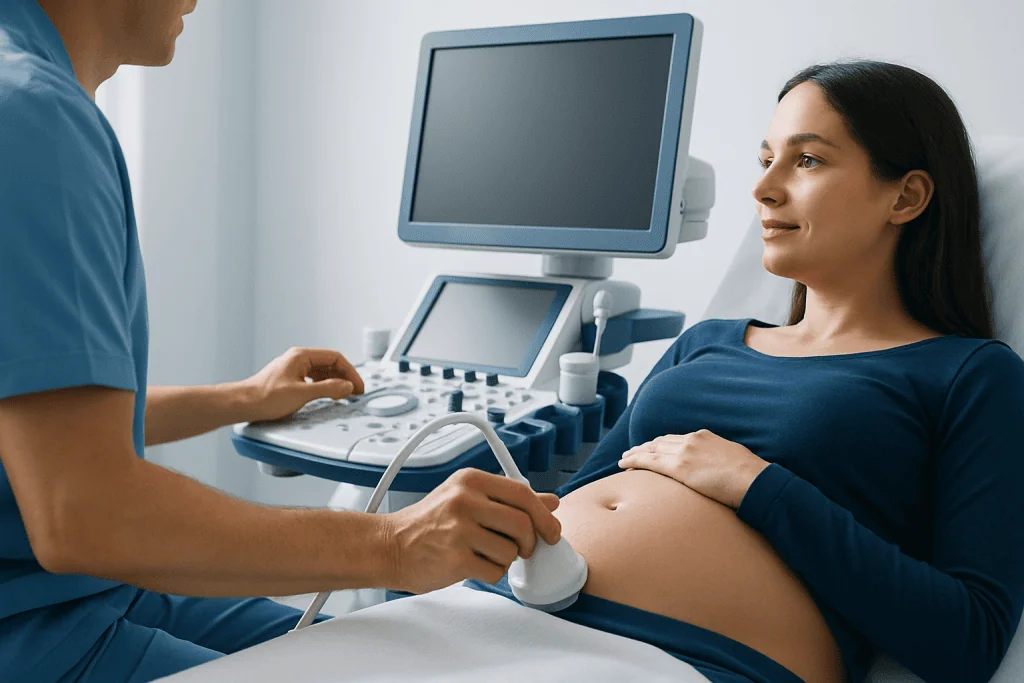
Common 9 weeks pregnant symptoms include nausea, vomiting, fatigue, breast tenderness, bloating, constipation, heartburn, and needing to urinate more often. Smell sensitivity and food aversions may also become stronger around this time. Some people notice mild cramping or a stretching sensation in the lower abdomen as the uterus grows.
Mood changes are also common. Hormonal shifts, stress, disrupted sleep, and physical discomfort can all affect emotional well-being. Feeling more tearful, irritable, or emotionally sensitive does not necessarily mean anything is wrong, but ongoing low mood or significant anxiety should be discussed with a doctor.
Vaginal discharge may increase slightly during early pregnancy and is often thin, white, or milky. Mild headaches can occur as well, sometimes related to hormonal changes, dehydration, or low blood sugar. If symptoms are severe or interfere with eating and drinking, it is important to ask a healthcare professional about support.
- Nausea or morning sickness
- Fatigue and daytime sleepiness
- Breast fullness or tenderness
- Bloating, gas, or constipation
- Frequent urination
- Food aversions and smell sensitivity
Baby Development at 9 Weeks

By 9 weeks pregnant, the baby is growing quickly and is about the size of a cherry or a large olive. Measurements can vary, but the baby is usually around 2 to 2.5 centimeters long from crown to rump. Even though still very small, the baby is becoming more recognizably human in shape.
The head remains large compared with the body because the brain is developing rapidly. Facial features continue to form, including the nose, eyelids, and ears. The arms and legs are lengthening, and the fingers and toes are becoming more distinct, though they are still very small.
Inside the body, essential organs continue their early development. The heart is beating, circulation is active, and structures that will become the digestive and reproductive organs are forming. This is one reason why prenatal vitamins, especially folic acid, and regular prenatal care are so important during the first trimester.
Body Changes at 9 Weeks
At 9 weeks, the uterus is gradually enlarging, although there may still be little or no visible baby bump. The body is working hard to support the pregnancy, and changes in blood volume, hormone levels, and metabolism can leave a person feeling physically different even before outward changes are obvious.
Progesterone can slow digestion, which may contribute to constipation, bloating, and heartburn. Increased blood flow and hormonal stimulation can make the breasts feel heavier, fuller, or more sensitive. Veins on the breasts may appear more visible, and the areolas may begin to darken.
It is also common to feel warmer than usual or become tired more easily during daily activities. Some people notice skin changes such as mild acne or a brighter complexion. These changes are usually part of normal pregnancy adaptation, but symptoms that feel sudden, severe, or worrying should be reviewed with a clinician.
Checklist: What to Do This Week
A practical focus at 9 weeks pregnant is symptom management and establishing healthy routines. Small, frequent meals may be easier to tolerate than large ones, especially if nausea is present. Drinking fluids regularly, resting when possible, and keeping simple snacks nearby can help with energy and comfort throughout the day.
If a first prenatal visit has not happened yet, this is a good time to arrange it. Prenatal care may include a medical history, general examination, blood tests, and planning for ultrasound or other routine assessments. Depending on symptoms and history, a doctor may also discuss concerns such as ectopic pregnancy or miscarriage when appropriate, especially if there has been pain or bleeding.
A helpful week 9 checklist may include:
- Take prenatal vitamins every day unless a doctor advises otherwise
- Eat regular meals with protein, fiber, and iron-rich foods
- Limit dehydration by sipping water often
- Avoid smoking, alcohol, and non-prescribed drugs
- Review any medicines or supplements with a qualified doctor
- Ask about support if nausea is severe, including options such as fertility and pregnancy care pathways or obstetrics and gynecology care as part of overall maternal health services
Gentle activity, such as walking, may also help digestion and overall well-being if a doctor says it is safe. Some international patients choose to continue evaluation and follow-up through centers where multidisciplinary specialists coordinate pregnancy-related care; Acibadem International provides this in JCI-accredited hospitals.
How 9 Weeks Pregnant Is Diagnosed and Monitored
Pregnancy at 9 weeks is usually confirmed and monitored through a combination of history, examination, laboratory tests, and ultrasound when indicated. Many people have already had a positive home pregnancy test before this stage, but prenatal assessment helps confirm gestational age, review symptoms, and identify any factors that may need closer follow-up.
An early ultrasound may be used to check the location of the pregnancy, estimate dating, and assess development. In some cases, it can help evaluate pain, bleeding, or uncertainty about dates. Blood tests may also be part of routine prenatal care, including checks related to blood type, anemia, infections, or other baseline health needs.
If nausea and vomiting are severe, a doctor may assess for dehydration or weight loss. When symptoms such as one-sided pelvic pain, shoulder pain, fainting, or heavy bleeding are present, urgent evaluation is needed to rule out complications. In selected cases, imaging and specialist assessment may be part of check-up and diagnosis planning.
Self-Care and Healthy Habits
Self-care at 9 weeks pregnant focuses on comfort, nutrition, and safety. Eating bland foods, avoiding strong triggers, and trying dry snacks before getting out of bed may help reduce nausea for some people. Rest is also important because fatigue can be significant in the first trimester.
Balanced meals can support both maternal health and fetal development. Foods with protein, complex carbohydrates, calcium, folate, and iron are especially helpful. If prenatal vitamins worsen nausea, a doctor may suggest taking them with food or at a different time of day.
Pregnant people should avoid smoking and alcohol and should check with a healthcare professional before taking over-the-counter medicines, herbal products, or supplements. Caffeine may need to be limited according to clinical advice. Support from family, a midwife, or an obstetric clinician can also make daily adjustments easier during this stage.
When to Seek Medical Care
Many symptoms at 9 weeks pregnant are expected, but some need prompt medical attention. A doctor should be contacted if there is heavy bleeding, severe abdominal or pelvic pain, fainting, fever, pain with urination, or persistent vomiting that makes it difficult to keep fluids down. These symptoms do not always mean a serious problem, but they should be assessed without delay.
Urgent care is especially important if there is one-sided pain, shoulder tip pain, or dizziness, which can be warning signs of an ectopic pregnancy. Medical attention is also important if vaginal discharge has a strong odor, causes irritation, or is accompanied by pain or fever, as this may suggest infection.
If symptoms simply feel stronger than expected or daily functioning becomes difficult, it is still reasonable to ask for advice. Early support can help prevent dehydration, nutritional problems, and unnecessary worry. A qualified prenatal care team can explain what is typical, what needs checking, and how to feel more comfortable through the first trimester.
Frequently asked questions
What does 9 weeks pregnant feel like?
At 9 weeks pregnant, many people feel tired, nauseated, bloated, and emotionally more sensitive than usual. Breast tenderness, frequent urination, and food aversions are also common. Some feel many symptoms, while others feel very few.
How big is the baby at 9 weeks pregnant?
At 9 weeks, the baby is usually about the size of a cherry or a large olive. The length is commonly around 2 to 2.5 centimeters from crown to rump. Important body structures are developing quickly during this time.
Is cramping normal at 9 weeks pregnant?
Mild cramping or stretching sensations can happen as the uterus grows and the body adjusts to pregnancy. This is often normal when it is not severe and is not accompanied by heavy bleeding. Strong pain, one-sided pain, or cramping with dizziness should be checked urgently.
Can morning sickness get worse at 9 weeks?
Yes, nausea and vomiting often peak during the first trimester, and 9 weeks can be a time when symptoms feel more intense. Hormone levels are still rising, which can make nausea more noticeable. If it becomes hard to drink fluids or eat enough, medical advice is important.
Should there be a baby bump at 9 weeks pregnant?
Most people do not have a clear baby bump yet at 9 weeks, especially in a first pregnancy. The uterus is growing, but visible changes may still be subtle. Bloating can make the abdomen feel fuller even before a true bump appears.
What should be avoided at 9 weeks pregnant?
Smoking, alcohol, and non-prescribed drugs should be avoided during pregnancy. It is also important not to start or stop medicines or supplements without medical guidance. A doctor can advise on food safety, exercise, travel, and caffeine intake based on individual health needs.
References
- World Health Organization
- American College of Obstetricians and Gynecologists
- NHS
- Centers for Disease Control and Prevention
- March of Dimes
This article is for general information only and is not a substitute for professional medical advice. Please consult a qualified doctor about your individual situation.
Persistent digestive symptoms? Get evaluated in Turkey
JCI-accredited · board-certified surgeons · reply within 24h
Add us as a Preferred Source to see more of our trusted health content across Google Search, AI Overviews and Discover.