Acl Tear — Explained by Medical Evidence, Not Myths

An ACL tear affects a major stabilizing ligament in the knee and often occurs during sports or sudden pivoting movements. Common signs include a popping sensation, rapid swelling, pain, and the feeling that the knee may give way.
Key Takeaways
- An ACL tear affects a major stabilizing ligament in the knee and often occurs during sports or sudden pivoting movements.
- Common signs include a popping sensation, rapid swelling, pain, and the feeling that the knee may give way.
- Diagnosis usually combines a physical exam with imaging, especially MRI when more detail is needed.
- Some people recover well with structured rehabilitation, while others may need surgery to restore stability.
- Early medical evaluation can help identify associated injuries such as meniscus, cartilage, or other ligament damage.
An ACL tear is an injury to one of the main ligaments that stabilizes the knee. It often happens during sudden twisting or landing movements, and treatment ranges from rehabilitation to surgery depending on the tear, the person's activity level, and how unstable the knee feels.
Overview: what an ACL tear means
An ACL tear is a tear in the anterior cruciate ligament, one of the key structures that helps keep the knee stable. This ligament connects the thigh bone to the shin bone and helps control forward movement and rotation of the lower leg. When it is stretched too far or torn, the knee can become painful, swollen, and unreliable during walking, turning, or sports.
Many people associate this injury only with athletes, but an ACL tear can also happen during everyday activities such as slipping, missing a step, or landing awkwardly. The injury may be partial or complete, and symptoms can vary from mild discomfort to clear instability. A complete tear is more likely to cause the knee to buckle during activity.
Medical evidence shows that there is no single best treatment for everyone. The right approach depends on the person’s age, daily demands, sports goals, associated injuries, and the degree of knee instability. This is why careful assessment matters more than common myths, such as the idea that every ACL tear needs surgery or that rest alone always solves the problem.
Symptoms and what people usually notice first
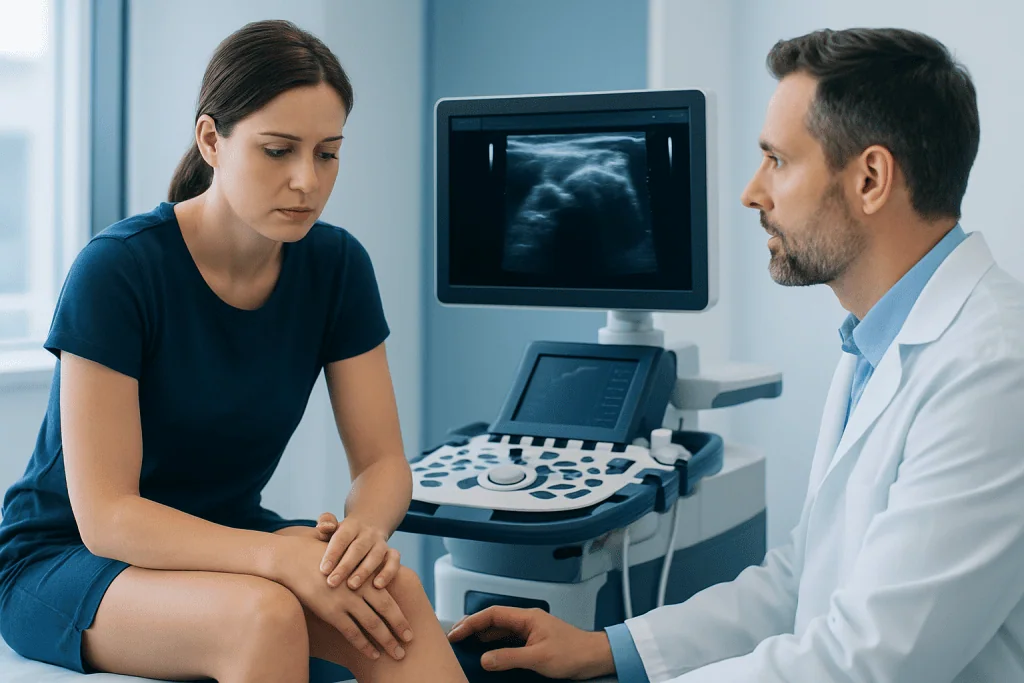
The symptoms of an ACL tear often begin suddenly. Many people describe hearing or feeling a “pop” at the time of injury, followed by pain and swelling that develops within a few hours. The knee may feel difficult to trust, especially when turning or putting full weight on it.
Typical symptoms can include:
- Sudden knee pain after twisting, pivoting, landing, or a direct blow
- Rapid swelling
- Reduced range of motion
- A feeling that the knee is unstable or may give way
- Difficulty walking, running, or going down stairs
Not every ACL tear feels dramatic at first. Some people are able to walk soon after the injury and assume it is only a minor sprain. However, persistent swelling, repeated buckling, or pain with movement can suggest more than a simple strain. Associated injuries are also common, including damage to the meniscus or joint cartilage.
Because knee injuries can overlap in symptoms, an ACL tear may sometimes be confused with a meniscus tear or another ligament problem. A proper examination helps distinguish these conditions and guide treatment safely.
How ACL tears happen: causes and risk factors

ACL tears most often happen through non-contact mechanisms, meaning the ligament tears without another person hitting the knee. A quick change of direction, sudden stop, awkward landing from a jump, or twisting the knee while the foot stays planted are common causes. Contact injuries can also occur, especially in collisions that force the knee inward or backward.
Sports that involve pivoting, cutting, and jumping carry a higher risk. These include football, basketball, soccer, skiing, tennis, and similar activities. Still, an ACL tear can happen outside sports, especially during falls or traffic-related trauma.
Several factors may increase risk, including poor landing mechanics, weak hip or core control, muscle imbalance, previous knee injury, and fatigue. Anatomy and hormonal influences may also play a role in some individuals. Risk factors do not guarantee injury, but they can affect how the knee responds under stress.
ACL injuries may occur alongside other knee problems such as ongoing knee pain or damage to nearby ligaments and cartilage. Identifying the full pattern of injury is important because associated damage can affect both treatment choice and long-term joint health.
How doctors diagnose an ACL tear
Diagnosis begins with the story of the injury and a physical examination. A doctor will ask how the knee was injured, whether there was a pop, how quickly swelling appeared, and whether the knee feels unstable. During the exam, they assess swelling, movement, tenderness, and specific signs of ligament looseness.
Special knee tests can suggest an ACL tear, but swelling and pain in the first few days may make the exam less clear. For that reason, some people need reassessment after the initial swelling settles. Imaging is often used to confirm the diagnosis and check for related injuries.
X-rays do not show the ACL itself, but they can help rule out fracture or identify bone changes linked to trauma. MRI is commonly used because it shows ligaments, menisci, cartilage, and bone bruising in detail. In selected cases, doctors may also evaluate alignment, strength, and movement patterns to plan recovery and reduce the chance of repeat injury.
Where surgery is being considered or the diagnosis is uncertain, a specialist in orthopedics and traumatology may assess knee stability and discuss the best next steps. The goal is not only to name the injury, but also to understand how it affects function.
Treatment options: rehabilitation, surgery, and recovery goals
Treatment for an ACL tear is individualized. Not everyone needs surgery, and not everyone does well with rehabilitation alone. Early care usually focuses on reducing pain and swelling, restoring knee movement, and regaining muscle control. Ice, compression, elevation, and a temporary brace or crutches may be advised depending on symptoms.
Structured physical therapy is central to recovery in nearly all cases. Rehabilitation aims to restore range of motion, rebuild quadriceps and hamstring strength, improve balance, and retrain safe movement patterns. Some people, especially those with partial tears or lower activity demands, may achieve good function without reconstruction if the knee remains stable.
Surgery may be considered when the knee repeatedly gives way, when a complete tear affects sports or work demands, or when there are associated injuries such as meniscus damage. ACL reconstruction replaces the torn ligament with a graft rather than sewing the original ligament back together in most cases. A specialist may discuss whether knee surgery is appropriate based on symptoms, age, goals, and exam findings.
Recovery takes time, whether treatment is surgical or non-surgical. Progress is judged by strength, motion, control, and confidence in the knee rather than by the calendar alone. In people who need help rebuilding movement safely, a program in physical therapy and rehabilitation can support return to daily life, work, and sport with a more evidence-based plan.
Prevention and self-care after injury
Although not every ACL tear can be prevented, training can reduce risk. Prevention programs focus on jump-landing technique, balance, core stability, and strengthening of the hips and legs. These strategies are especially useful in sports with cutting and pivoting. Warm-up programs that include neuromuscular training have been widely recommended for athletes.
After an injury, self-care should support recovery without replacing medical assessment. Resting from aggravating activity, using ice for short periods, elevating the leg, and following advice about bracing or crutches may help in the early phase. It is usually best to avoid returning to running, pivoting, or sports before the knee has been properly evaluated and stabilized.
Good recovery habits matter. These include following the prescribed exercise plan, attending rehabilitation regularly, and increasing activity gradually. Skipping strength and control work can leave the knee vulnerable to repeat instability or further damage.
People with complex knee injuries may benefit from coordinated care involving imaging, orthopedic assessment, and rehabilitation. Acibadem International’s multidisciplinary specialists in JCI-accredited hospitals diagnose and treat ACL tears for international patients, with treatment planning guided by the individual’s symptoms and functional goals.
When to seek medical care
Medical care is advisable after any significant knee injury, especially if there is a pop, rapid swelling, trouble bearing weight, or a sense that the knee is giving way. Early assessment can help detect associated injuries that may not be obvious at first, such as meniscus tears, cartilage injury, or damage to other ligaments.
Urgent evaluation is particularly important if the knee looks deformed, cannot be moved, becomes severely swollen very quickly, or if there is numbness, marked weakness, or signs of poor circulation in the leg or foot. These symptoms can point to a more serious injury that needs prompt attention.
Even if the pain begins to improve, ongoing instability should not be ignored. Repeated episodes of the knee buckling can increase the risk of further injury inside the joint. A qualified doctor can explain whether conservative care is reasonable or whether specialist treatment is needed.
Frequently asked questions
Can an ACL tear heal on its own?
A complete ACL tear usually does not regrow in a way that fully restores normal ligament function. However, some people can function well without surgery if the knee remains stable and they complete a structured rehabilitation program. The best option depends on symptoms, activity level, and whether there are other knee injuries.
Is surgery always necessary for an ACL tear?
No. Surgery is not automatically required for every ACL tear. Some people manage well with rehabilitation alone, while others need reconstruction because of repeated instability, sports demands, or associated injuries such as a meniscus tear.
How long does recovery from an ACL tear take?
Recovery varies based on whether treatment is surgical or non-surgical, the severity of injury, and the person’s progress in rehabilitation. Many people need several months of structured recovery, and return to sports should be based on strength, control, and medical guidance rather than time alone.
What does an ACL tear feel like?
Many people feel a pop at the time of injury, followed by swelling, pain, and difficulty trusting the knee. The knee may feel unstable, especially when turning or pivoting. Some people can still walk, which is why an examination is important even if symptoms seem manageable.
Can a person walk with a torn ACL?
Yes, some people can walk after an ACL tear, especially once the initial pain settles. But being able to walk does not rule out a significant injury. The knee may still be unstable during twisting, sudden stops, or more demanding activity.
What happens if an ACL tear is left untreated?
If the knee stays unstable, untreated ACL injury can lead to repeated giving-way episodes and increase the chance of damage to the meniscus or cartilage over time. Some people do well without surgery, but only when the knee remains functionally stable and rehabilitation is successful. Regular follow-up helps ensure the chosen approach is working.
References
- American Academy of Orthopaedic Surgeons
- National Institute of Arthritis and Musculoskeletal and Skin Diseases
- American Orthopaedic Society for Sports Medicine
- National Health Service
- MedlinePlus
This article is for general information only and is not a substitute for professional medical advice. Please consult a qualified doctor about your individual situation.
Joint and spine care in Turkey — expert assessment & treatment
JCI-accredited · board-certified surgeons · reply within 24h
Add us as a Preferred Source to see more of our trusted health content across Google Search, AI Overviews and Discover.

More from the Health Library

Desonide Cream: An Evidence-Based Guide for Patients

Anesthesia: A Complete Medical Overview

Ceramides: A Complete Medical Overview

Brocindus: A Complete Medical Overview

Pomegranate Benefits: What Patients Need to Know