Acne Scars and Laser — Explained by Medical Evidence, Not Myths

Laser treatment can improve many acne scars, but it does not remove every scar completely. The best laser approach depends on whether scars are atrophic, raised, red, or darkly pigmented.
Key Takeaways
- Laser treatment can improve many acne scars, but it does not remove every scar completely.
- The best laser approach depends on whether scars are atrophic, raised, red, or darkly pigmented.
- Skin tone, active acne, recent sun exposure, and medication history affect safety and results.
- Several sessions are often needed, and aftercare is important to lower the risk of irritation or pigment change.
- A dermatologist may combine laser treatment with other procedures for better overall improvement.
Acne scars and laser treatment are closely linked because carefully selected lasers can improve skin texture, soften visible scars, and stimulate collagen remodeling. The best results depend on the type of acne scar, skin tone, current acne activity, and a dermatologist’s assessment rather than common online myths.
What Acne Scars and Laser Treatment Really Mean
Acne scars and laser treatment are often discussed together because lasers can help improve the appearance of certain acne-related marks and scars. In medical practice, however, “acne scars” is not one single problem. Some people have depressed scars caused by collagen loss, others have raised scars, and many also have lingering redness or dark spots that are not true scars. This distinction matters because the right laser for one concern may not be the best option for another.
Evidence-based care starts with matching the treatment to the scar pattern, skin type, and treatment goals. Laser treatment works by delivering controlled energy into the skin to remove damaged surface layers, heat deeper tissue, or target blood vessels or pigment. These effects can stimulate collagen remodeling and improve uneven texture over time. Even so, laser treatment usually aims for visible improvement rather than perfection.
Another important point is that laser treatment is usually part of a broader acne scar plan, not always a stand-alone solution. Many dermatologists combine laser procedures with techniques such as microneedling, chemical peels, subcision, fillers, or scar-focused surgery depending on the scar shape and depth. If active breakouts are still present, acne itself often needs treatment first, which may include care for acne.
Which Acne Scars Can Lasers Help?
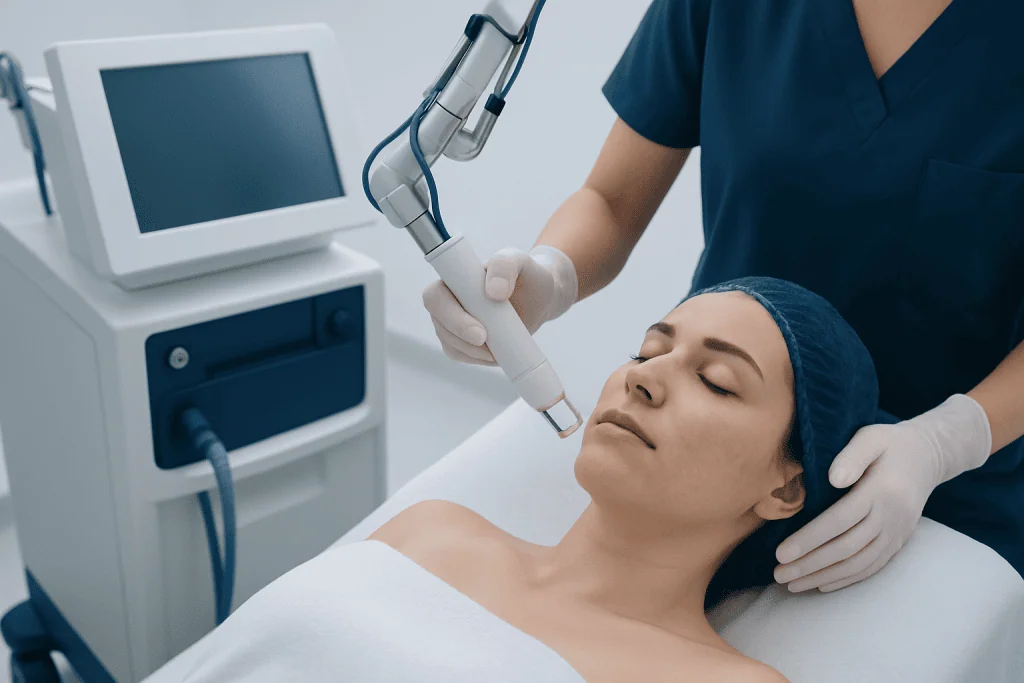
Lasers are most often used for atrophic acne scars, which sit below the skin surface. These include ice pick scars, boxcar scars, and rolling scars. Lasers may smooth edges, improve texture, and encourage new collagen formation, but each scar type responds differently. Deep, narrow ice pick scars are often the most difficult to treat with laser alone and may require other procedures before or after laser sessions.
Lasers can also be used for post-acne redness and some discoloration. Red marks may respond to vascular lasers that target blood vessels, while dark spots may improve with pigment-focused approaches or non-laser treatments. These changes are common after acne, but they are different from permanent textural scars. A professional assessment helps set realistic expectations from the beginning.
Raised scars, including hypertrophic scars or keloid-prone areas, require special caution. Some laser types may help flatten or soften raised scars, but these scars behave differently from depressed acne scars and need an individualized plan. People with darker skin tones can also be treated successfully, but the risk of temporary or longer-lasting pigment change may be higher with certain settings or devices, so the choice of technology and clinician experience is especially important.
How Laser Treatment Works and the Main Types Used
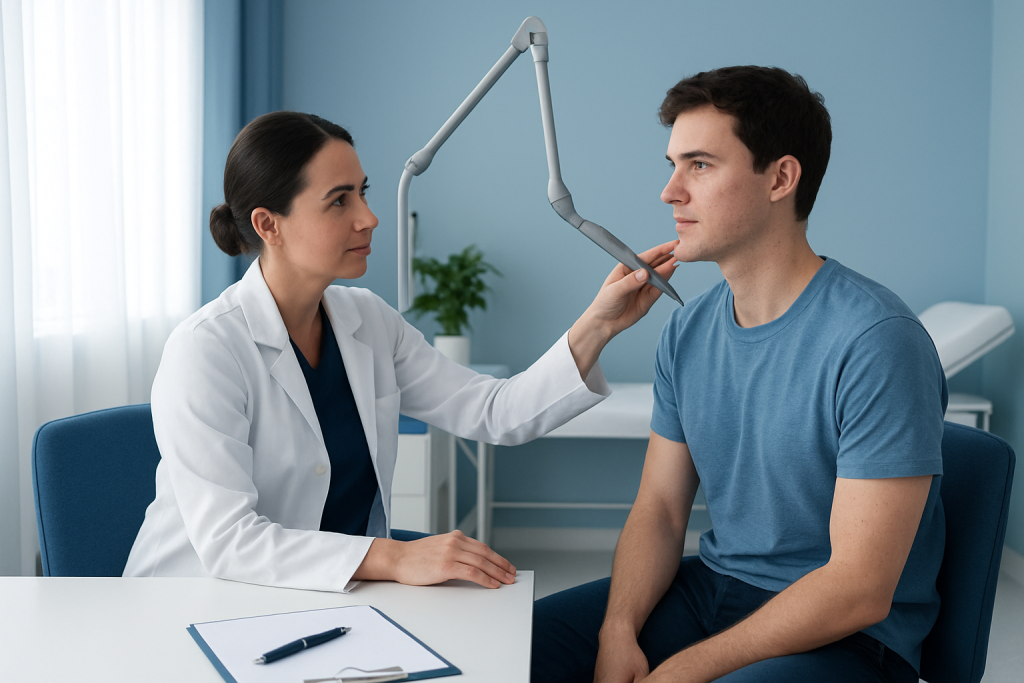
Laser treatment for acne scars works by creating a controlled skin injury that triggers repair. During healing, collagen and elastin remodeling can improve rough texture and reduce the depth of some scars. Broadly, lasers used for acne scars may be ablative or non-ablative. Ablative lasers remove part of the skin surface and usually produce stronger resurfacing effects but involve more downtime. Non-ablative lasers heat deeper layers while leaving the surface more intact, often with gentler recovery but more gradual results.
Fractional technology is widely used because it treats microscopic columns of skin rather than the entire surface at once. This leaves surrounding tissue intact and can support faster healing. Fractional ablative lasers may be chosen for more noticeable textural scars, while fractional non-ablative lasers may be considered when a person wants less downtime or when skin type and risk factors make a more conservative approach preferable. Some clinicians also use vascular lasers for persistent redness after acne.
Laser treatment is not the same as every light-based procedure. Devices such as intense pulsed light and radiofrequency-based treatments are not technically lasers, although they may also be used in selected cases. In some treatment plans, resurfacing may be discussed alongside other skin-renewal options such as chemical peel or microneedling, especially when scars vary in depth and appearance across the face.
What Medical Evidence Says About Results
Medical evidence supports laser treatment as a useful option for many acne scars, especially atrophic scars. Studies and clinical guidelines generally show that fractional ablative and non-ablative lasers can improve skin texture, scar depth, and overall appearance. The degree of improvement varies from person to person, and most patients need a series of sessions rather than a single treatment. Results also continue to develop over weeks to months as collagen remodeling progresses.
One common myth is that laser can erase acne scars completely. In reality, complete removal is uncommon, particularly when scars are deep or mixed in type. A more realistic and medically accurate goal is meaningful improvement in texture and visibility. Another myth is that stronger always means better. More aggressive treatment can sometimes increase downtime and the risk of side effects without producing the best overall long-term result for every patient.
Evidence also shows that combination treatment often gives better outcomes than laser alone when scars are complex. For example, rolling scars tethered beneath the skin may respond better if released with dermatology care that includes subcision or other procedures before laser sessions. A balanced treatment plan, informed consent, and follow-up are key parts of evidence-based care.
Who Is a Good Candidate and What Doctors Check First
A good candidate for laser treatment usually has stable skin, realistic expectations, and acne scars that match the strengths of the chosen device. Dermatologists first assess the scar type, scar depth, skin tone, sun exposure habits, past procedures, history of unusual scarring, and whether acne is still active. If breakouts continue, controlling active acne before resurfacing is often recommended because new acne can create new scars and reduce the benefit of treatment.
Doctors also review medications and health history. Certain medicines, recent isotretinoin use in some cases, photosensitizing drugs, pregnancy considerations, or a tendency toward cold sores may affect timing or aftercare. A history of melasma or post-inflammatory hyperpigmentation is also important because it can influence the safest treatment settings and whether pre-treatment skin preparation is advised.
Skin tone deserves special attention. People with medium to dark skin can often have laser treatment safely, but they may need a more cautious approach to reduce the chance of temporary darkening or lightening after treatment. Choosing an experienced specialist is important because device selection, energy settings, and aftercare can make a significant difference in both results and safety.
What Happens Before, During, and After a Laser Session
Before treatment, the clinician may advise avoiding excessive sun exposure, tanning, and certain skin-irritating products for a period of time. Some patients are asked to prepare their skin with gentle skincare or pigment-control products, especially if they have a higher risk of post-treatment discoloration. A consultation usually includes photographs, a discussion of expected results, possible side effects, and how many sessions may be needed.
During the procedure, the skin is cleansed and protective eyewear is used. Depending on the laser and the area treated, a numbing cream or other comfort measures may be offered. Patients may feel heat, snapping, or stinging sensations. Session length varies with the treatment area and the device. The skin may look pink or red afterward, and ablative treatments can produce more swelling, crusting, or peeling during the healing phase.
Aftercare is a major part of safe healing. Gentle cleansing, regular moisturizing, strict sun protection, and avoiding picking or scrubbing are standard recommendations. Recovery time depends on the laser type and treatment intensity. Redness may settle within days for lighter treatments or last longer after more intensive resurfacing. Following the clinician’s instructions closely helps lower the risk of infection, prolonged irritation, or pigment changes.
- Use broad-spectrum sunscreen daily once advised by the clinician.
- Avoid direct sun exposure during healing.
- Do not use harsh exfoliants unless specifically recommended.
- Report severe pain, pus, worsening swelling, or delayed healing promptly.
Risks, Side Effects, and Common Misconceptions
Laser treatment is generally well established when performed by qualified clinicians, but it is still a medical procedure with possible risks. Common short-term effects include redness, swelling, dryness, peeling, and temporary sensitivity. Some patients develop acne flares or small breakouts during recovery. More significant but less common risks include infection, prolonged redness, scarring, and changes in skin color such as hyperpigmentation or hypopigmentation.
A frequent misconception is that home devices can give the same results as medical lasers for acne scarring. At-home products are much less powerful and are not designed to treat established acne scars in the same way. Another myth is that all laser treatments thin the skin. Properly selected laser procedures aim to stimulate repair and collagen remodeling, not simply damage the skin. The safety and outcome depend heavily on diagnosis, device choice, settings, and aftercare.
It is also important to understand that not every mark left by acne needs laser treatment. Some discoloration fades gradually over time, especially with sun protection and treatment of active acne. In others, a dermatologist may suggest alternatives or combination options such as laser treatment together with scar-specific procedures. Near the end of the care journey, some international patients choose centers such as Acibadem International, where multidisciplinary specialists in JCI-accredited hospitals evaluate and treat skin concerns in a coordinated way.
When to Seek Medical Care
Medical advice is worth seeking when acne scars affect self-confidence, daily comfort, or quality of life, or when over-the-counter products are not helping. An evaluation is especially helpful if scars are deep, widespread, or mixed with ongoing acne, because treatment usually needs to be tailored rather than chosen from general online advice. Early assessment can also help prevent repeated unsuccessful treatments.
A doctor should also be consulted if there is persistent redness, darkening, raised scarring, or skin changes after a cosmetic procedure. Prompt review is important if the skin becomes very painful, develops discharge, shows spreading redness, or heals more slowly than expected. These symptoms do not always mean a serious problem, but they should be assessed professionally.
People with darker skin tones, a history of keloids, frequent cold sores, melasma, or recent strong acne treatment should ideally speak with a dermatologist before booking laser treatment. A careful consultation helps identify the safest approach, whether that involves laser, another procedure, or a combined treatment plan.
Frequently asked questions
Does laser treatment remove acne scars completely?
Laser treatment usually improves acne scars rather than removing them completely. Many patients notice smoother texture and softer-looking scars, but the degree of change depends on scar type, depth, skin tone, and the number of sessions.
Which laser is best for acne scars?
There is no single best laser for everyone. Fractional ablative and non-ablative lasers are commonly used, but the right choice depends on whether scars are depressed, raised, red, or associated with pigmentation, as well as the person's skin type and recovery preferences.
Is laser treatment painful?
Most people feel heat, stinging, or a snapping sensation during treatment. Comfort measures such as numbing cream are often used, and discomfort usually depends on the laser type and treatment intensity.
How many sessions are usually needed?
Many patients need a series of treatments rather than one session. The exact number depends on the type and severity of the scars, the device used, and how the skin responds over time.
Can darker skin tones have laser treatment for acne scars?
Yes, many people with darker skin tones can be treated safely. However, laser selection and settings must be chosen carefully because there may be a higher risk of temporary pigment changes if treatment is too aggressive.
Should active acne be treated before laser treatment for scars?
In many cases, yes. If acne is still active, doctors often recommend controlling new breakouts first so that fresh scars do not continue to form and the skin can respond better to scar-focused treatment.
This article is for general information only and is not a substitute for professional medical advice. Please consult a qualified doctor about your individual situation.
Acne in Turkey — costs, top hospitals & a free quote
JCI-accredited · board-certified surgeons · reply within 24h
Add us as a Preferred Source to see more of our trusted health content across Google Search, AI Overviews and Discover.

More from the Health Library

Stop Start Method for Premature Ejaculation: An Evidence-Based Guide for Patients
Chiropractor: An Evidence-Based Guide for Patients

Nurse — Explained by Medical Evidence, Not Myths
Cafe Au Lait Spots: A Complete Medical Overview
Tardive Dyskinesia: An Evidence-Based Guide for Patients