Acne Treatment: Early Signs, Risk Factors, and How It Is Treated

Acne is a common skin condition caused by clogged pores, excess oil, inflammation, and bacteria. Early signs include blackheads, whiteheads, red bumps, and sometimes painful cyst-like lesions.
Key Takeaways
- Acne is a common skin condition caused by clogged pores, excess oil, inflammation, and bacteria.
- Early signs include blackheads, whiteheads, red bumps, and sometimes painful cyst-like lesions.
- Treatment is tailored to acne severity and may combine home skin care with prescription therapies.
- Picking or squeezing acne can worsen inflammation and increase the risk of marks and scars.
- Medical review is important if acne is painful, scarring, widespread, or not improving with routine care.
Acne treatment depends on the type and severity of breakouts, and may include gentle skin care, topical medicines, oral medications, or procedures guided by a dermatologist. Early care can reduce ongoing inflammation, help prevent scarring, and improve skin comfort and confidence.
Overview: What acne treatment involves
Acne treatment is the medical and skin care approach used to reduce blocked pores, calm inflammation, limit new breakouts, and lower the chance of dark marks or scars. Treatment is not the same for everyone. It is usually based on the type of acne present, how widespread it is, whether there is scarring, and how much it affects daily life.
Acne can appear as blackheads, whiteheads, inflamed pimples, or deeper painful nodules. Some people have only occasional mild breakouts, while others have persistent or recurrent acne on the face, chest, shoulders, or back. Because acne develops from several processes at once, treatment often works best when it combines more than one strategy.
In practical terms, acne care may include gentle cleansing, non-comedogenic moisturizers and sunscreen, topical medicines, oral medicines, and sometimes in-office procedures. Improvement usually takes time. Many treatments need several weeks of regular use before clearer skin becomes noticeable, so consistency matters as much as the medicine chosen.
Early signs and symptoms of acne
Acne often starts with small clogged pores called comedones. Open comedones are blackheads, which look dark because the material in the pore is exposed to air. Closed comedones are whiteheads, where the pore opening is covered by a thin layer of skin. These may be the earliest visible signs, especially in oily areas such as the forehead, nose, and chin.
As inflammation develops, acne may cause red bumps, pus-filled spots, tenderness, and swelling. In more severe cases, deeper nodules or cyst-like lesions form under the skin and can be painful. These lesions have a higher risk of leaving scars or post-inflammatory dark marks, particularly if they are squeezed or picked.
Acne does not affect the face only. It may also appear on the chest, upper back, shoulders, jawline, or neck. Symptoms can vary over time, sometimes worsening with hormonal changes, stress, certain products, or friction from sports equipment, masks, or tight clothing.
- Blackheads and whiteheads
- Small red or tender bumps
- Pus-filled pimples
- Deep, painful lumps under the skin
- Dark marks or textural changes after healing
Why acne happens: causes and risk factors
Acne develops when hair follicles become clogged with oil and dead skin cells. Several biological factors contribute at the same time: increased sebum production, abnormal shedding of skin cells inside the pore, inflammation, and the activity of skin bacteria called Cutibacterium acnes. This is why acne is more than a surface problem and often needs targeted treatment rather than scrubbing alone.
Hormonal shifts are a common trigger. Acne is especially common during puberty, but it can also affect adults. Breakouts may flare around menstrual cycles, during pregnancy, or with conditions linked to hormonal imbalance. Family history also matters, and people with close relatives who had significant acne may be more likely to develop it themselves.
Other factors can make acne worse in some people. These include oily or pore-clogging cosmetic products, heavy friction or pressure on the skin, sweating combined with occlusion, and certain medications. Diet is complex and varies between individuals, but some people notice that particular eating patterns seem to worsen breakouts. Acne is also sometimes associated with related skin concerns that need a specialist review, such as rosacea or skin changes after hormonal disorders.
How acne is diagnosed and assessed
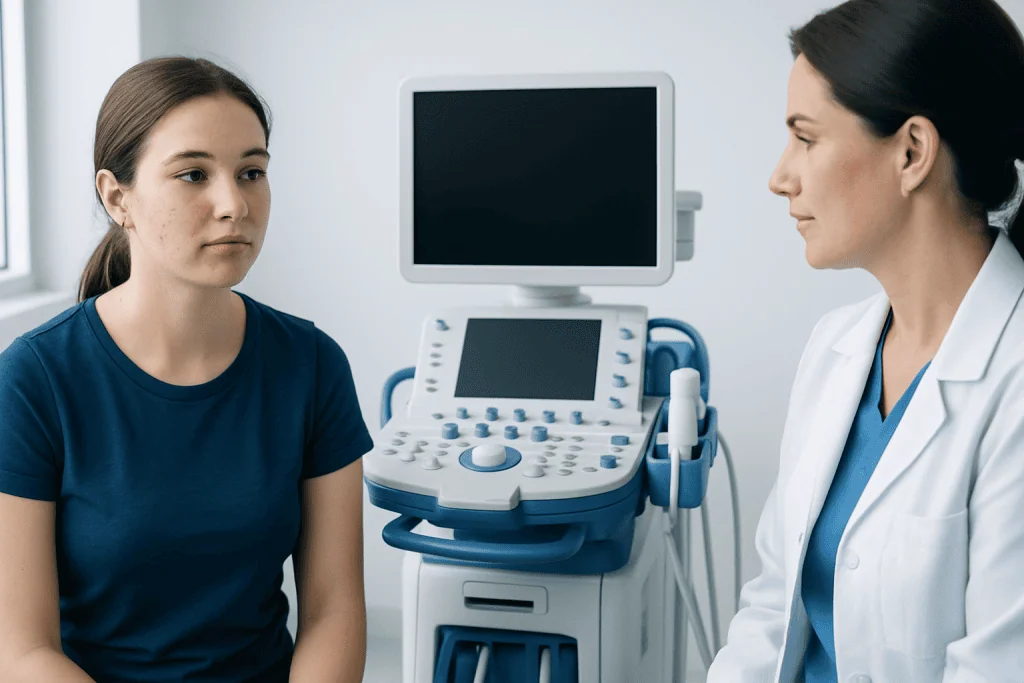
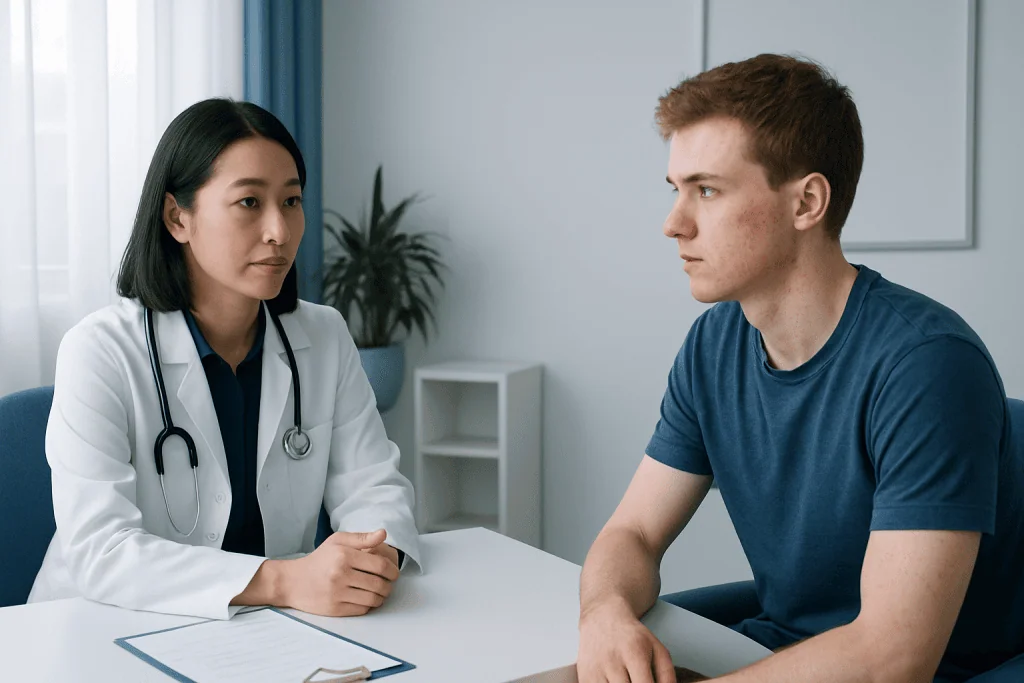
Acne is usually diagnosed during a clinical skin examination. A doctor evaluates the type of lesions present, where they appear, how long they have been occurring, and whether there are signs of scarring or post-inflammatory pigmentation. The pattern of acne can also give clues about possible triggers, including hormones, hair and skin products, friction, or medication use.
The severity of acne is often described as mild, moderate, or severe. Mild acne tends to involve mostly blackheads, whiteheads, and a few inflammatory spots. Moderate acne usually includes more numerous inflamed lesions. Severe acne is more likely to involve widespread inflammation, nodules, cyst-like lesions, or early scarring. This assessment helps guide treatment intensity.
Tests are not needed for most people. However, if acne begins suddenly, is unusually severe, or is accompanied by symptoms such as irregular periods, increased facial hair, or other signs of hormone imbalance, a doctor may recommend further evaluation. The goal is to identify whether there is an underlying condition that should be treated alongside the skin symptoms.
Acne treatment options: from skin care to medications
Acne treatment usually starts with a simple, consistent skin care routine. Gentle cleansing once or twice daily, avoiding harsh scrubs, and choosing oil-free or non-comedogenic products can help protect the skin barrier while reducing pore blockage. Daily sunscreen is also important, especially because acne itself and many acne therapies can leave the skin more prone to discoloration or irritation.
For mild acne, topical treatments are often the first step. Depending on the pattern of acne, a doctor may recommend ingredients that help unclog pores, reduce bacteria, or calm inflammation. These may include retinoid-based treatments, benzoyl peroxide, azelaic acid, or topical antibiotics in selected cases. Mild dryness or irritation can happen at first, so doctors often advise gradual introduction and careful moisturizing.
Moderate to severe acne may need oral treatment as well as topicals. Oral antibiotics may be used for a limited period to reduce inflammation, while some patients benefit from hormone-related treatment when breakouts are linked to hormonal fluctuations. In selected severe or scarring cases, a dermatologist may consider stronger systemic therapy. Alongside medical treatment, some patients may benefit from specialist procedures such as dermatology care for persistent acne, comedone extraction, chemical peels, light-based therapies, or scar-focused treatment once active inflammation is controlled.
If acne leaves long-term marks or texture changes, treatment may shift toward scar management after active lesions improve. Depending on the skin type and scar pattern, options can include peels, microneedling, laser-based approaches, or other procedural care in a specialist setting such as skin rejuvenation and care. Treatment plans are individualized, and many people do best with regular follow-up so therapies can be adjusted safely over time.
Prevention and self-care habits that support clearer skin
Acne cannot always be prevented completely, but certain habits can reduce irritation and help treatment work better. The most helpful approach is usually gentle and steady rather than aggressive. Over-washing, frequent exfoliation, or using harsh products may damage the skin barrier and worsen redness and dryness without improving acne.
People with acne are generally advised to use fragrance-light, non-comedogenic skin and hair products, remove makeup before sleep, and shower after heavy sweating when possible. It can also help to keep sports gear, pillowcases, phones, and anything that rests against the face clean. Hair products should be kept away from the forehead and temples if they seem to trigger breakouts.
Picking or squeezing spots should be avoided. This can push inflammation deeper into the skin, delay healing, and increase the chance of scarring or pigmentation. If over-the-counter products are being used, they should be introduced one at a time, with patience and close attention to irritation. A doctor or dermatologist can help refine the routine if the skin becomes too dry, sensitive, or continues to break out.
- Cleanse gently and avoid abrasive scrubs
- Choose non-comedogenic makeup, sunscreen, and moisturizers
- Avoid picking, squeezing, or rubbing lesions
- Keep a consistent routine for several weeks before judging results
- Seek advice early if acne is recurring or leaving marks
When to seek medical care
Medical care is appropriate if acne is painful, widespread, leaving scars, affecting self-confidence, or not improving with routine over-the-counter care. A professional assessment can be especially helpful when breakouts are deep, frequent, or concentrated around the jawline and lower face, where hormonal factors may play a role. Early treatment may reduce the risk of long-lasting marks and skin texture changes.
A doctor should also be consulted if acne appears suddenly, becomes severe in a short time, or occurs alongside symptoms that suggest a broader hormonal or skin issue. If a person is unsure whether the problem is acne or another condition, a dermatologist can help distinguish it from disorders that can look similar, including eczema in irritated skin areas or other inflammatory facial conditions.
For people who need specialist evaluation, Acibadem International’s multidisciplinary specialists and JCI-accredited hospitals diagnose and treat skin conditions for international patients, including acne and related concerns. If acne is associated with scarring, persistent pigmentation, or a broader skin health problem, coordinated care may include specialist dermatology assessment and, when appropriate, procedural options tailored to skin type and goals.
Frequently asked questions
What is the most effective acne treatment?
The most effective acne treatment depends on the type and severity of acne. Mild acne may improve with topical treatments and gentle skin care, while moderate or severe acne often needs prescription medicine or a combination approach. A dermatologist can help match treatment to the skin’s needs.
How long does acne treatment take to work?
Most acne treatments need several weeks of consistent use before visible improvement appears. It is common for treatment plans to take 6 to 12 weeks to show clearer results. Stopping too early can make it seem as though a helpful treatment is not working.
Can acne go away on its own?
Some mild acne can improve over time, especially if triggers are reduced and the skin is cared for gently. However, persistent or inflamed acne may continue or worsen without treatment. Early management is often helpful to reduce the risk of marks and scars.
Does diet cause acne?
Diet is not the only cause of acne, and acne is mainly driven by pore blockage, oil production, inflammation, and hormones. That said, some people notice that certain foods seem to worsen breakouts. If a pattern is suspected, it is reasonable to discuss it with a doctor rather than making extreme dietary changes.
Is it safe to pop pimples?
Popping pimples is generally not recommended. It can push inflammation deeper, increase redness and swelling, delay healing, and raise the chance of scarring or dark marks. If a lesion is painful or persistent, professional advice is safer than self-extraction.
When should someone see a dermatologist for acne?
A dermatologist should be seen if acne is painful, severe, widespread, or leaving scars or dark marks. Medical review is also important if over-the-counter care is not helping or if acne is affecting emotional well-being. Early specialist care can improve outcomes and help tailor treatment safely.
References
- American Academy of Dermatology
- National Institute of Arthritis and Musculoskeletal and Skin Diseases
- Mayo Clinic
- NHS
- American Academy of Pediatrics
This article is for general information only and is not a substitute for professional medical advice. Please consult a qualified doctor about your individual situation.
Acne in Turkey — costs, top hospitals & a free quote
JCI-accredited · board-certified surgeons · reply within 24h
Add us as a Preferred Source to see more of our trusted health content across Google Search, AI Overviews and Discover.