Acromioplasty: Candidacy, Procedure Steps, and Recovery Timeline
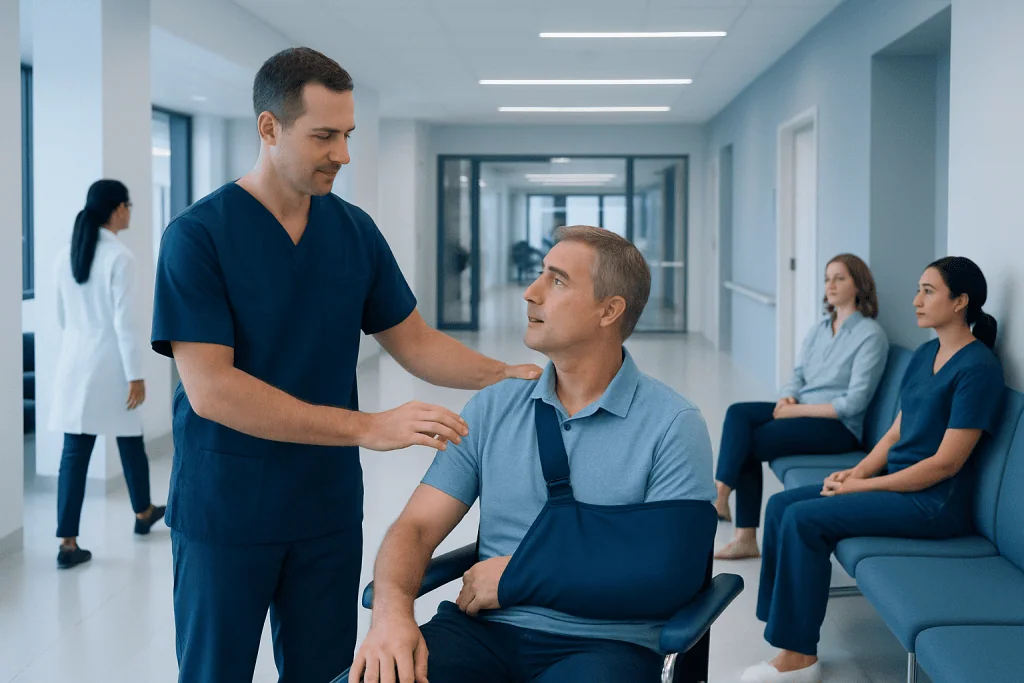
Acromioplasty is usually performed arthroscopically through small incisions and is often combined with other shoulder procedures. It is not routinely needed for every person with shoulder pain or suspected impingement; careful assessment is important.
Key Takeaways
- Acromioplasty is usually performed arthroscopically through small incisions and is often combined with other shoulder procedures.
- It is not routinely needed for every person with shoulder pain or suspected impingement; careful assessment is important.
- Physical therapy, activity modification, pain relief measures, and treatment of contributing conditions are generally tried first.
- Recovery depends on whether acromioplasty is performed alone or with procedures such as rotator cuff repair.
- Most patients need guided rehabilitation to restore shoulder movement, strength, and safe return to activities.
Acromioplasty is a surgical procedure that removes or reshapes a small portion of bone on the top of the shoulder blade, called the acromion, to reduce pressure in the space above the rotator cuff tendons. It may be considered for selected patients with persistent shoulder pain and functional limitation after appropriate non-surgical treatment, often alongside repair of another shoulder problem.
Acromioplasty: What It Is and How It Works
Acromioplasty is a shoulder operation designed to increase space beneath the acromion, the bony projection at the top of the shoulder blade. The acromion forms the roof of the shoulder area known as the subacromial space. Important structures, including the rotator cuff tendons and a fluid-filled sac called the bursa, lie within or near this space.
During the procedure, a surgeon smooths or removes a small amount of bone from the underside or front edge of the acromion. Inflamed bursal tissue may also be removed; this is called bursectomy. The aim is to reduce mechanical irritation around the rotator cuff and create a clearer working space when another repair, especially rotator cuff repair, is being performed.
Acromioplasty is also known as subacromial decompression when it is combined with removal of inflamed tissue in the subacromial space. It is important to understand that shoulder pain can have several causes, and a narrowed-looking subacromial space on imaging does not always explain symptoms. For this reason, the procedure is selected according to a person’s examination findings, imaging, symptoms, activity needs, and response to non-surgical care.
Who May Be a Candidate for Acromioplasty?
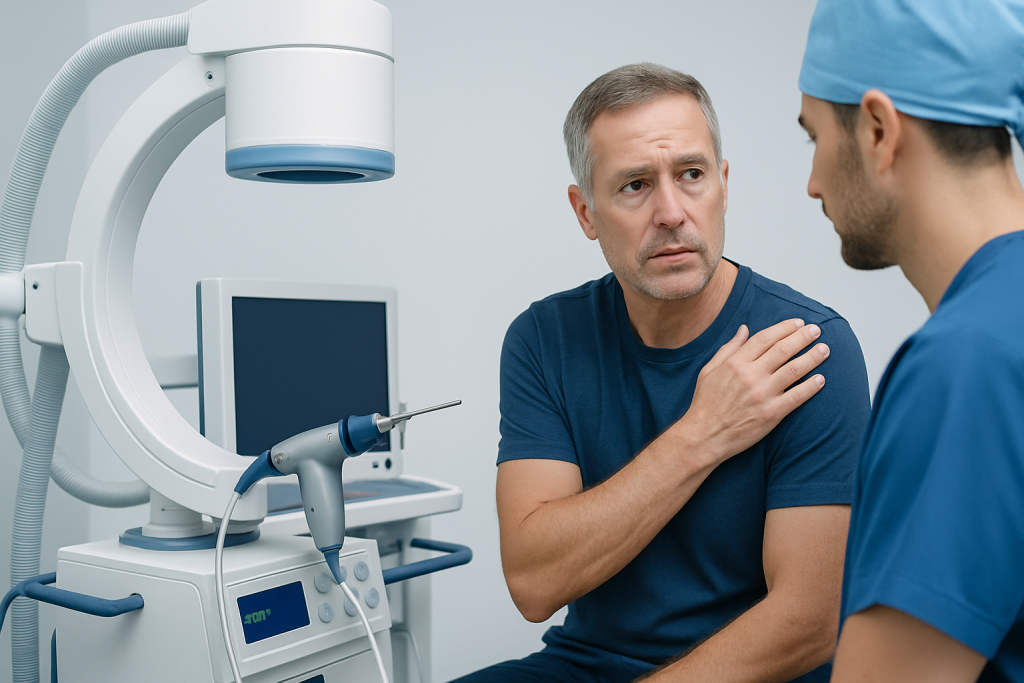
A clinician may consider acromioplasty when a person has ongoing shoulder pain, painful overhead movement, reduced function, and findings suggesting a subacromial or rotator cuff-related problem despite a structured course of conservative treatment. Non-surgical care commonly includes activity adjustment, physiotherapy, appropriate pain-relief medicines when suitable, and treatment of contributing stiffness or weakness.
The operation is most often considered as part of a broader surgical plan rather than as an isolated procedure. For example, a surgeon may perform acromioplasty during rotator cuff repair when the tendon is torn and the shape of the acromion or local anatomy is thought to contribute to rubbing. It may also be used in selected cases of persistent bursitis or other structural problems identified during assessment.
Acromioplasty alone is not routinely recommended for all people with subacromial shoulder pain. Research has found that it may not provide additional benefit over well-designed non-surgical treatment for many patients without a repairable structural problem. A shoulder specialist will therefore look for other explanations for pain, such as rotator cuff tears, frozen shoulder, arthritis, neck-related pain, instability, or nerve conditions.
- Symptoms that persist despite an adequate, supervised rehabilitation program
- Shoulder pain that clearly limits work, sleep, sport, or daily activities
- Clinical and imaging findings that support a surgically treatable shoulder condition
- A need for another shoulder operation, such as rotator cuff repair, where decompression may be appropriate
Assessment and Preparation Before Surgery
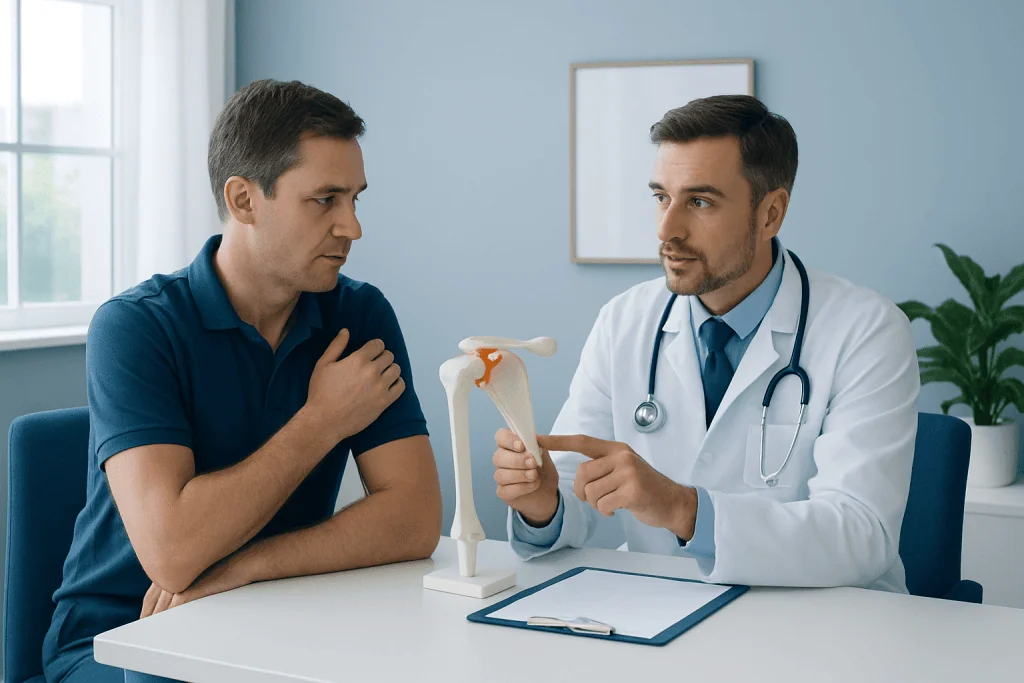
Diagnosis begins with a detailed history and physical examination. The clinician will ask about the location of pain, when it started, movements that trigger it, prior injuries, work demands, sports, and previous treatment. Examination assesses range of motion, strength, tenderness, shoulder stability, neck movement, and signs that could suggest another source of symptoms.
Imaging may include shoulder X-rays to assess bone shape, arthritis, calcium deposits, or prior injury. Ultrasound or magnetic resonance imaging may help evaluate the rotator cuff, bursa, biceps tendon, labrum, and other soft tissues. Imaging is useful in context, but results are interpreted alongside symptoms and examination because age-related tendon changes can be present without causing pain.
Before surgery, the care team reviews medical conditions, allergies, medicines, and previous anesthesia experiences. Blood-thinning medicines, diabetes treatments, supplements, and smoking status may need particular attention. Patients should follow their surgical team’s instructions on fasting, medicines, transportation home, sling use, and arranging support during the first days after surgery.
Acromioplasty Procedure Steps
Acromioplasty is commonly performed as arthroscopic surgery under general anesthesia, sometimes with a regional nerve block to support pain control after the operation. The patient is positioned either sitting partly upright or lying on their side. The shoulder skin is cleaned and covered with sterile drapes.
The surgeon makes several small incisions, called portals, around the shoulder. A narrow camera called an arthroscope is inserted through one portal, sending images to a screen. Sterile fluid is used to gently expand the joint or surrounding space, allowing the surgeon to inspect the structures and confirm the condition being treated.
Specialized instruments are introduced through the other portals. The surgeon may remove inflamed bursal tissue and use a small burr to smooth or reshape the underside of the acromion. If a rotator cuff tear, biceps tendon problem, or another condition needs treatment, the surgeon may address it during the same operation. The portals are closed with stitches or adhesive strips and covered with dressings.
Procedure length varies with the findings and whether other repairs are needed. Acromioplasty performed alone is commonly an outpatient procedure, meaning many patients return home the same day once they are awake, comfortable enough, and medically ready for discharge.
Benefits, Limits and Possible Risks
The potential benefit of acromioplasty is improved space around irritated rotator cuff tissues, which may help reduce pain with movement and support rehabilitation in carefully selected patients. When it is performed with a necessary tendon repair, it may form one part of a treatment plan intended to improve shoulder comfort and function. Results depend greatly on the underlying diagnosis, tendon health, rehabilitation participation, occupation, and overall health.
However, surgery cannot guarantee complete pain relief or restoration of previous function. Some shoulder symptoms arise from tendon degeneration, stiffness, arthritis, neck conditions, or pain mechanisms that bone reshaping alone cannot correct. For isolated subacromial pain, non-surgical management may offer similar outcomes for many people, which is why shared decision-making is essential.
All operations involve risks, although serious complications are uncommon. Possible complications include infection, bleeding, blood clots, anesthesia reactions, prolonged swelling, stiffness, persistent pain, nerve or blood vessel injury, and the need for further treatment. If a rotator cuff repair or another procedure is performed at the same time, the recovery requirements and specific risks may be greater.
Patients can reduce some risks by sharing complete medical information, following wound-care and medication instructions, avoiding nicotine products, and attending scheduled follow-up and physiotherapy appointments. New or worsening concerns should be discussed promptly with the surgical team.
Acromioplasty Recovery Timeline and Rehabilitation
Recovery after acromioplasty varies from person to person. It is usually faster when acromioplasty is performed alone than when it is combined with rotator cuff repair or other reconstructive surgery. A sling may be used for comfort for a short period after isolated surgery, while a longer period of protection is often required after tendon repair. The surgeon’s specific instructions should always take priority.
During the first days, the shoulder is commonly sore and swollen. Ice packs used as directed, prescribed or recommended pain relief, rest, and keeping the dressing clean can help. Patients are usually encouraged to move the fingers, wrist, and elbow, while shoulder movement is introduced according to the rehabilitation plan. Driving should wait until a clinician confirms it is safe and the person can control the vehicle without a sling or pain-limiting medicines.
In the first few weeks, physiotherapy often focuses on gentle range-of-motion exercises, posture, and restoring normal shoulder blade movement. Strengthening usually progresses gradually after motion is improving and tissues have had time to heal. Desk-based activities may be possible relatively early for some people, but physically demanding work, repetitive overhead tasks, contact sports, and heavy lifting require more time and medical clearance.
Many people experience meaningful improvement over several weeks to a few months after isolated acromioplasty. Full recovery can take longer, particularly if stiffness was present before surgery or another repair was completed. Progress is not always linear; temporary soreness after therapy may occur, but pain that is steadily worsening should be assessed.
Self-Care and When to Seek Medical Care
Whether a person is considering surgery or recovering from it, shoulder health benefits from a structured plan rather than complete rest for long periods. A physiotherapist can guide exercises that improve shoulder and shoulder-blade control without overloading irritated tissues. Maintaining general fitness, using ergonomic adjustments at work, pacing overhead activities, and gradually returning to sport may also help reduce symptoms and support recovery.
After surgery, patients should contact their surgical team if they develop fever, increasing redness or warmth around the wounds, drainage from an incision, worsening rather than improving pain, marked swelling, numbness that does not settle, or difficulty moving the fingers. Urgent medical care is needed for chest pain, shortness of breath, fainting, or signs of a severe allergic reaction.
Before surgery, medical assessment is appropriate for shoulder pain that lasts several weeks, follows a significant injury, causes notable weakness, repeatedly disrupts sleep, or makes ordinary tasks difficult. Prompt evaluation is especially important after a fall or injury when a person cannot lift the arm, the shoulder looks deformed, or pain is severe. Acibadem International’s multidisciplinary specialists and JCI-accredited hospitals diagnose and treat shoulder conditions for international patients, with treatment plans based on individual clinical assessment.
Frequently asked questions
Is acromioplasty the same as rotator cuff surgery?
No. Acromioplasty reshapes part of the acromion and may remove inflamed bursal tissue, while rotator cuff surgery usually repairs a torn tendon. The procedures may be performed together when a surgeon believes both are appropriate.
How painful is recovery after acromioplasty?
Some pain and soreness are expected, especially during the first several days and when beginning rehabilitation. Pain is usually managed with a tailored plan that may include ice, prescribed or recommended medicines, and gradual movement. Persistent or worsening pain should be reviewed by the care team.
How long will I need a sling after acromioplasty?
After acromioplasty alone, a sling is often used mainly for comfort for a short time. If the procedure is combined with a rotator cuff repair or other reconstruction, the sling may be needed for several weeks to protect healing tissue. The surgeon will provide individualized instructions.
Can acromioplasty be done without open surgery?
Yes. Most acromioplasty procedures are performed arthroscopically through small incisions using a camera and specialized instruments. In some situations, an open approach may be considered, but this is less common.
Will acromioplasty cure shoulder impingement?
Acromioplasty may help selected patients, but it does not guarantee that all shoulder pain will resolve. Shoulder symptoms can result from multiple causes, and many people improve with non-surgical treatment. A careful diagnosis helps determine whether surgery is likely to be useful.
When can I return to work after acromioplasty?
Return-to-work timing depends on the procedure performed, the demands of the job, pain control, and recovery progress. Some people with desk-based work return sooner than those whose jobs involve lifting or repeated overhead activity. A clinician or physiotherapist can advise on a safe, staged return.
References
- American Academy of Orthopaedic Surgeons
- National Institute for Health and Care Excellence
- American Shoulder and Elbow Surgeons
- Cochrane
This article is for general information only and is not a substitute for professional medical advice. Please consult a qualified doctor about your individual situation.
Joint and spine care in Turkey — expert assessment & treatment
JCI-accredited · board-certified surgeons · reply within 24h
Add us as a Preferred Source to see more of our trusted health content across Google Search, AI Overviews and Discover.