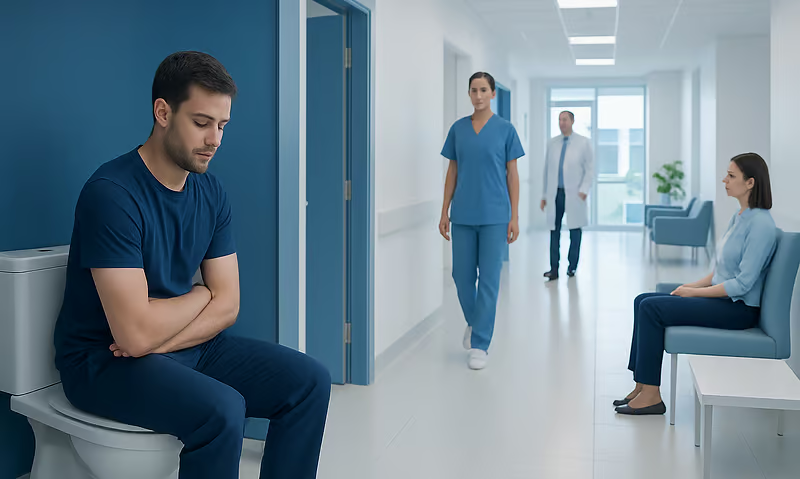
Acth Stimulation Test Cost: What Patients Really Pay

An ACTH stimulation test checks how well the adrenal glands respond to adrenocorticotropic hormone (ACTH). The total cost may include a consultation, synthetic ACTH medication, timed blood samples, laboratory testing and interpretation.
Key Takeaways
- An ACTH stimulation test checks how well the adrenal glands respond to adrenocorticotropic hormone (ACTH).
- The total cost may include a consultation, synthetic ACTH medication, timed blood samples, laboratory testing and interpretation.
- The test is commonly used to help evaluate adrenal insufficiency and to assess adrenal function in selected clinical situations.
- Preparation may involve reviewing medicines that can affect cortisol results; patients should not stop prescribed treatment without medical advice.
- The procedure is usually completed in one outpatient visit, and most people can return to normal activities soon afterward.
The ACTH stimulation test price depends on where the test is performed, the laboratory used, whether synthetic ACTH is included, and whether specialist consultations or repeat blood tests are needed. Rather than relying on a single advertised figure, patients can ask for an itemized estimate covering the medication, blood draws, laboratory analysis and clinician interpretation.
ACTH Stimulation Test Price: What Is Included?
The ACTH stimulation test price is not a single universal amount. It varies according to the country, hospital or laboratory, insurance or self-pay arrangements, the type of ACTH medicine used, and the number of blood samples required. A clear estimate should distinguish the test itself from related services, such as an endocrinology consultation, blood collection, laboratory processing and interpretation of results.
Patients arranging testing can ask whether the quoted ACTH stimulation test cost includes the synthetic ACTH injection, baseline and follow-up cortisol measurements, nursing time, physician review and any facility charges. If the test is part of a broader investigation for hormone symptoms, additional blood tests or imaging may be recommended separately. A clinician or patient coordinator can explain which elements are medically necessary in the individual situation.
Cost questions are understandable, but the value of the test lies in obtaining a reliable answer about adrenal hormone function. Timing, medication review and correct sample handling matter because they help the healthcare team interpret cortisol results accurately and decide whether further assessment or treatment is needed.
How the ACTH Stimulation Test Works
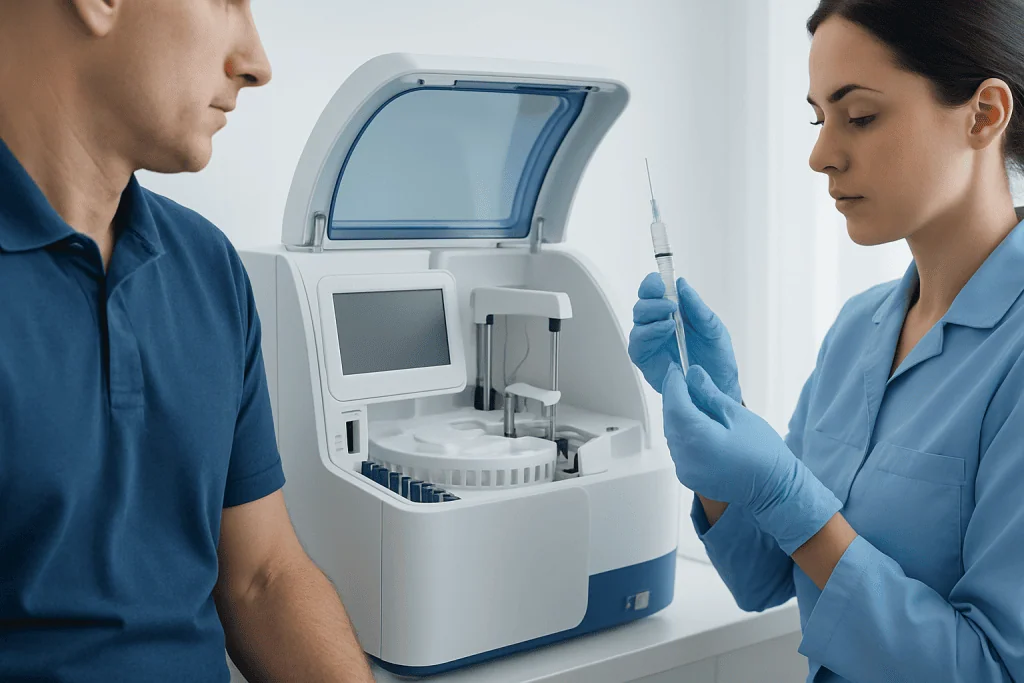
The ACTH stimulation test, also called a cosyntropin stimulation test, measures the adrenal glands’ ability to produce cortisol after stimulation. ACTH is a hormone normally made by the pituitary gland. It signals the adrenal glands, located above the kidneys, to make cortisol, a hormone involved in metabolism, blood pressure regulation, immune responses and the body’s response to physical stress.
During testing, a clinician first takes a blood sample to measure baseline cortisol. Synthetic ACTH, often called cosyntropin, is then given by injection. Further blood samples are collected at specific times afterward, commonly around 30 and/or 60 minutes depending on the laboratory protocol. The laboratory compares the cortisol response with its validated reference ranges.
A low or inadequate response can suggest reduced adrenal reserve, but the result must always be interpreted in context. Recent illness, pregnancy, changes in cortisol-binding proteins and certain medicines can affect measurements. For this reason, an endocrinologist may consider symptoms, medical history and other hormone results alongside the ACTH stimulation test.
Who Needs the Test and What Conditions Can It Diagnose?

An ACTH stimulation test may be considered when symptoms and initial blood tests raise concern about low cortisol production. Possible symptoms can include persistent fatigue, weakness, nausea, loss of appetite, unexplained weight loss, dizziness when standing, low blood pressure, abdominal discomfort or skin darkening. These symptoms have many potential causes, so the test is used as part of a careful clinical assessment rather than as a stand-alone diagnosis.
What conditions can be diagnosed with an ACTH stimulation test? The test is primarily used to help diagnose or assess primary adrenal insufficiency (Addison’s disease) and other forms of adrenal insufficiency. It can also help assess adrenal recovery after long-term corticosteroid treatment, or clarify selected situations in which pituitary or hypothalamic hormone signaling may be reduced. Additional tests are often required to determine the underlying cause.
It is not usually the main test for every adrenal condition. For example, suspected cortisol excess, also known as Cushing syndrome, requires different investigations. Testing choices depend on the clinical question, the time of day, current medications and the person’s overall health.
Who Performs an ACTH Stimulation Test?
Who performs an ACTH stimulation test? The procedure is commonly carried out by a trained nurse, phlebotomist or other qualified healthcare professional in a hospital outpatient unit, endocrine clinic, infusion area or laboratory collection center. A physician, often an endocrinologist, orders the test and reviews the results in relation to the person’s symptoms and medical history.
Some hospitals coordinate the test through endocrinology because precise timing of the injection and blood samples is important. In other settings, a laboratory service may collect the samples according to a written protocol. Regardless of location, the test should be performed under an appropriate medical order and with a plan for communicating results and next steps.
For people travelling for endocrine assessment, Acibadem International’s multidisciplinary specialists and JCI-accredited hospitals can coordinate diagnostic evaluation and care for international patients. The most appropriate testing plan should be individualized after a clinician has reviewed the reason for referral.
Step-by-Step: Preparation, Procedure and Recovery
Before the appointment, the healthcare team should review all medicines, including steroid tablets, injections, inhalers, creams and supplements. Some corticosteroid medicines can interfere with cortisol testing, and a clinician may provide specific instructions about timing. Patients should never stop or change a prescribed steroid medicine on their own, because sudden withdrawal can be unsafe.
On the day of the test, a blood sample is taken before stimulation. Synthetic ACTH is administered, usually as an injection into a vein or muscle. Timed follow-up blood samples are then collected. The appointment often takes one to two hours, although timing can differ by protocol and whether other tests are being performed at the same visit.
Most people can eat, drink and resume usual activities afterward unless they have received different instructions. Mild soreness, bruising or brief light-headedness can occur after blood draws. Results may take time to return, particularly when samples are processed by an external laboratory, and the ordering clinician will explain what the findings mean.
How Much Does an ACTH Blood Test Cost?
How much does an ACTH blood test cost? An ACTH blood test and an ACTH stimulation test are different services, so their charges may differ substantially. A standard ACTH blood test measures the hormone level in a single blood sample. An ACTH stimulation test includes synthetic ACTH administration and multiple timed cortisol samples, making it more involved than a single blood draw.
The final acth stimulation cost can be influenced by the care setting, laboratory contract, clinician fees, insurance coverage, whether preauthorization is required and whether other endocrine tests are ordered at the same time. Patients can contact their insurer or testing provider in advance and ask for the billing codes used locally, estimated out-of-pocket responsibility and any separate professional or facility fees.
Those paying directly may wish to request a written, itemized estimate before booking. It is helpful to ask whether the estimate includes all timed cortisol tests and result interpretation, as an incomplete estimate may not reflect the entire care pathway. Financial considerations should be discussed with the provider’s billing team, while medical suitability should be discussed with the ordering clinician.
Does LabCorp Do the ACTH Stimulation Test?
Does LabCorp do the ACTH stimulation test? Laboratory availability can vary by location, local collection site and the specific testing protocol requested. Large laboratory networks may perform individual ACTH or cortisol measurements, while the complete stimulation procedure may need to be arranged through a hospital, endocrinology clinic or an approved collection center that can administer synthetic ACTH and collect samples at exact times.
Patients should contact the local laboratory directly or ask the ordering clinician’s office to confirm whether it offers the complete service. Important questions include whether the site supplies cosyntropin, performs timed collection on site, accepts the clinician’s order, and sends specimens to a reference laboratory if necessary.
It is also useful to confirm practical details before the appointment: arrival time, fasting instructions if any, medication instructions, how long the visit will take, and when results will be sent to the ordering doctor. These steps can help prevent delays or a need to repeat the test.
Risks, Benefits and When to Seek Medical Care
The main benefit of an ACTH stimulation test is that it provides useful information about adrenal cortisol production. This can support timely diagnosis and help clinicians decide whether further hormone testing, follow-up monitoring or treatment is appropriate. The test is generally well tolerated when performed under medical supervision.
Risks are usually minor and relate to the injection or blood collection, including brief pain, bruising, bleeding, faintness or, rarely, infection at the needle site. Reactions to synthetic ACTH are uncommon, but patients should tell the team about known allergies and report any concerning symptoms during the visit. The clinician can explain any individual precautions, especially for people who are seriously unwell or taking corticosteroids.
When to seek medical care: Prompt medical assessment is important for severe weakness, fainting, confusion, persistent vomiting, severe abdominal pain, very low blood pressure, or symptoms that worsen rapidly. People with known adrenal insufficiency should follow their personalized sick-day and emergency medication plan and seek urgent care when advised. For non-urgent ongoing symptoms, arranging an appointment with a qualified doctor or endocrinologist is the safest next step.
Searches for ACTH stimulation test cost for dogs or ACTH stim test cost may refer to veterinary testing. Veterinary ACTH stimulation protocols, reasons for testing and pricing are different from human care; pet owners should speak with a veterinarian for guidance about a dog or other animal.
Frequently asked questions
What is the difference between an ACTH blood test and an ACTH stimulation test?
An ACTH blood test measures the amount of ACTH in one blood sample. An ACTH stimulation test measures cortisol before and after synthetic ACTH is given, showing how the adrenal glands respond. Doctors may order one or both tests depending on the suspected hormone problem.
Do patients need to fast before an ACTH stimulation test?
Fasting requirements vary by clinic and by any other tests scheduled on the same day. Many ACTH stimulation tests do not require fasting, but patients should follow the instructions provided by the ordering team. Medication instructions are particularly important because steroid medicines may affect cortisol results.
How long does an ACTH stimulation test take?
The procedure commonly takes about one to two hours because blood must be collected at planned intervals after the injection. The exact duration depends on the protocol used by the laboratory or hospital. Patients should allow extra time for registration and preparation.
Can an ACTH stimulation test diagnose Addison's disease?
The test can strongly support a diagnosis of adrenal insufficiency, including Addison's disease, when cortisol does not rise adequately after stimulation. However, doctors typically use additional blood tests, symptoms and medical history to identify whether adrenal insufficiency is primary, secondary or due to another cause. A specialist may also investigate the reason for abnormal adrenal function.
What medications can affect ACTH stimulation test results?
Corticosteroid medicines can affect cortisol testing, including tablets, injections, inhalers, nasal sprays, skin preparations and some eye drops. Other medicines and acute illness may also influence interpretation. Patients should give the healthcare team a complete medication and supplement list, but should not stop prescribed treatment unless a clinician instructs them to do so.
Is the ACTH stimulation test painful or risky?
Most people experience only the brief discomfort of an injection and blood draws. Bruising, soreness or light-headedness may occur, while serious complications are uncommon. Testing is generally performed in a setting where trained staff can respond if a person feels unwell.
References
- Endocrine Society
- National Institute of Diabetes and Digestive and Kidney Diseases
- MedlinePlus
- Mayo Clinic
- Merck Manual Consumer Version
This article is for general information only and is not a substitute for professional medical advice. Please consult a qualified doctor about your individual situation.
Explore treatments in Turkey — costs, top hospitals & a free quote
JCI-accredited · board-certified surgeons · reply within 24h
Add us as a Preferred Source to see more of our trusted health content across Google Search, AI Overviews and Discover.
Check your numbers in seconds
BMI, calories, due date, blood pressure and 30+ more clinical calculators — free, instant, doctor-reviewed ranges.