Acute Intoxication: What Patients Need to Know

Acute intoxication means short-term poisoning or overdose from a substance taken, inhaled, absorbed, or injected. Symptoms depend on the substance and dose but may include confusion, vomiting, trouble breathing, seizures, or loss of consciousness.
Key Takeaways
- Acute intoxication means short-term poisoning or overdose from a substance taken, inhaled, absorbed, or injected.
- Symptoms depend on the substance and dose but may include confusion, vomiting, trouble breathing, seizures, or loss of consciousness.
- Diagnosis focuses on the patient’s symptoms, vital signs, exam findings, and selected blood, urine, or imaging tests.
- Treatment is usually supportive and may include oxygen, IV fluids, monitoring, decontamination, or specific antidotes when appropriate.
- Anyone with severe drowsiness, breathing problems, seizures, chest pain, or suspected carbon monoxide exposure needs urgent medical care.
Acute intoxication is a sudden harmful reaction after exposure to a toxic substance such as alcohol, medications, recreational drugs, household chemicals, or carbon monoxide. It can range from mild confusion or nausea to a medical emergency, so rapid recognition and timely care are important.
Overview
Acute intoxication is the body’s immediate harmful response to a toxic amount of a substance. The substance may be alcohol, prescription medicine, recreational drugs, cleaning products, industrial chemicals, poisonous plants, or gases such as carbon monoxide. In simple terms, it is a sudden poisoning or overdose that affects how the brain, heart, lungs, liver, kidneys, or other organs work.
This condition is not limited to intentional overdose. It can happen by accident, through a dosing error, from mixing substances, from inhaling fumes, or from taking a usual dose when the body cannot clear it properly. Older adults, young children, and people with liver, kidney, or mental health conditions may be more vulnerable to serious effects.
The severity of acute intoxication varies widely. Some people develop mild nausea, dizziness, or sleepiness and recover with observation. Others may become confused, agitated, severely dehydrated, or unable to breathe normally. Because symptoms can change quickly, medical evaluation is often needed even when the exposure seems small.
Symptoms and How It Can Present
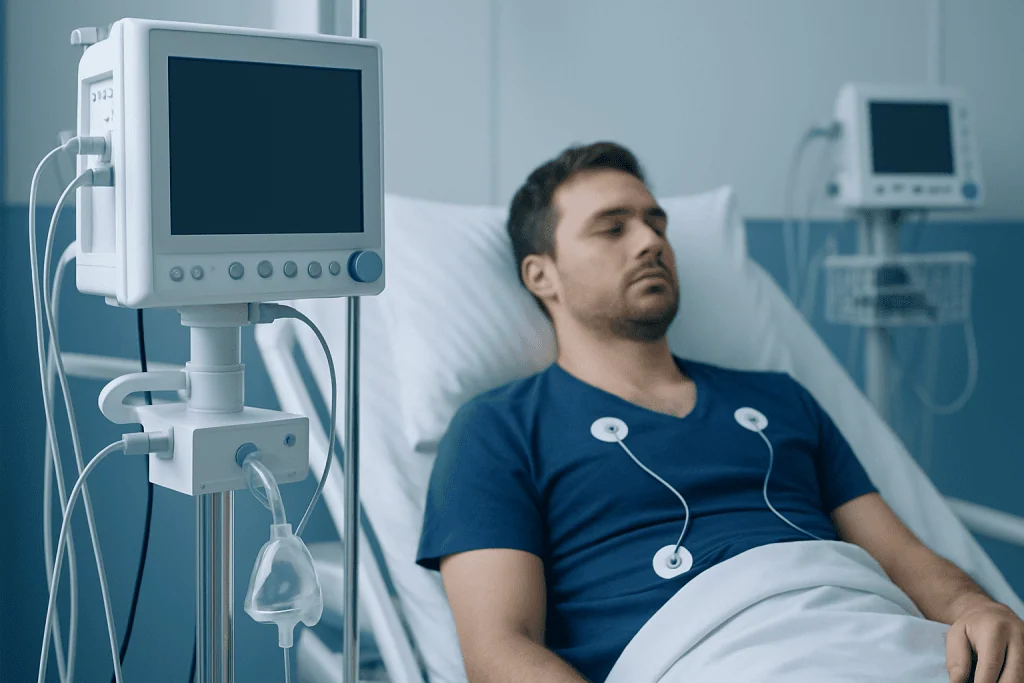
Acute intoxication does not look the same in every person. Symptoms depend on what was taken, how much entered the body, how long ago the exposure happened, and whether other substances were involved. Alcohol and sedatives may cause sleepiness and slowed breathing, while stimulant drugs may lead to agitation, a fast heart rate, high blood pressure, or overheating.
Common symptoms can include nausea, vomiting, dizziness, poor balance, slurred speech, confusion, unusual behavior, tremors, headache, sweating, or blurred vision. Some substances also cause pinpoint pupils, very large pupils, unusual odors on the breath, dry mouth, chest pain, abdominal pain, or severe weakness.
More serious warning signs include difficulty breathing, bluish lips, seizures, loss of consciousness, hallucinations, severe agitation, irregular heartbeat, or very low blood pressure. Carbon monoxide exposure may cause headache, dizziness, nausea, sleepiness, and confusion, but it can be missed because it does not have a smell. In some situations, doctors may also evaluate for related emergencies such as stroke or severe infection if the symptoms are not clearly explained by a toxic exposure.
- Mild symptoms: nausea, sleepiness, dizziness, mild confusion
- Moderate symptoms: repeated vomiting, poor coordination, agitation, fast heart rate
- Severe symptoms: seizures, trouble breathing, chest pain, coma, collapse
Common Causes and Risk Factors

Many different exposures can lead to acute intoxication. Frequent causes include alcohol misuse, accidental or excessive use of pain medicines, sleep medicines, antidepressants, anti-anxiety drugs, or stimulants. Recreational substances, including opioids, cocaine, amphetamines, cannabis products, and synthetic drugs, are also common causes. Household cleaning products, pesticides, cosmetics, and e-cigarette liquids can be especially dangerous for children.
Risk increases when substances are mixed. For example, alcohol combined with sedatives or opioids can sharply slow breathing and increase the risk of coma. Taking multiple medicines that affect the brain, using someone else’s prescription, or doubling a dose by mistake also raises the chance of poisoning. People with liver or kidney disease may develop toxicity at lower doses because the body clears substances more slowly.
Environmental exposures matter as well. Carbon monoxide from faulty heaters or fires, chemical fumes in workplaces, and toxic alcohols or contaminated products can all cause acute intoxication. Mental health conditions, substance use disorder, poor medication storage, and limited supervision of children are additional risk factors. In some people, an episode of intoxication may occur together with or be confused with epilepsy or other neurological conditions because both can cause altered consciousness.
How Doctors Diagnose Acute Intoxication
Diagnosis begins with rapid assessment of the airway, breathing, circulation, and level of consciousness. Doctors usually ask what substance may have been taken, when it happened, how much was involved, and whether alcohol or other medicines were also used. If the patient cannot answer, family members, emergency responders, medicine bottles, or workplace information may help identify the exposure.
The physical examination looks for clues such as pupil size, body temperature, skin findings, breathing pattern, heart rhythm, and signs of injury. Vital signs are important because poisoning can lower or raise blood pressure, pulse, temperature, and oxygen levels. Finger-stick blood glucose is often checked quickly, since low blood sugar can mimic intoxication and also occur because of it.
Tests are selected based on the situation rather than ordered routinely for every case. They may include blood tests, kidney and liver function tests, electrolytes, blood gas analysis, toxicology screening, electrocardiogram, or imaging if head injury, aspiration, or another diagnosis is possible. If the symptoms involve severe confusion, weakness, or loss of consciousness, brain imaging such as MRI or emergency CT may sometimes be used to rule out other causes.
Treatment Options in Hospital
Treatment for acute intoxication is guided by the substance involved and the person’s symptoms. In many cases, the most important care is supportive: keeping the airway open, providing oxygen, giving intravenous fluids when needed, correcting blood sugar or electrolyte problems, and monitoring the heart and breathing closely. Patients with reduced consciousness may need observation in a higher-acuity setting until the substance wears off safely.
Specific treatments are used in selected situations. Examples include antidotes for certain opioid, acetaminophen, or toxic alcohol exposures, as well as medicines to control seizures, agitation, or severe nausea. Activated charcoal may be helpful in some ingestions if given early and if the airway is protected, but it is not suitable for every toxin. Skin or eye exposures may require irrigation, and inhaled toxins may require oxygen therapy.
Some patients need additional procedures or specialist care. Mechanical ventilation may be necessary if breathing is severely suppressed. Kidney support treatments such as dialysis can help remove certain toxins or manage poisoning-related kidney failure in selected cases. If a person develops rhythm problems, aspiration pneumonia, severe liver injury, or altered mental status, coordinated evaluation by emergency, intensive care, toxicology, neurology, and internal medicine teams may be needed.
Near the end of recovery, doctors may also address the reason the exposure occurred. This can include medication review, mental health assessment, and support for alcohol or substance use problems. For international patients who need hospital-based assessment, Acibadem International’s multidisciplinary specialists at JCI-accredited hospitals diagnose and treat acute intoxication and its complications.
What to Do Immediately and What Not to Do
If acute intoxication is suspected, the safest first step is to seek urgent medical advice or emergency help, especially if the person is very sleepy, confused, or having trouble breathing. If possible, move the person away from the source of exposure, such as fumes or chemicals. Keep medicine packets, bottles, or product labels available, since they can help clinicians identify what was involved.
Basic first aid should focus on safety. If the person is unconscious but breathing, they should be placed on their side to reduce the risk of choking on vomit. If they are not breathing or do not have a pulse, emergency services should be contacted immediately and CPR should be started if trained to do so. Clothing contaminated with chemicals should be removed carefully, and exposed skin or eyes should be rinsed with water as directed by emergency professionals.
It is important not to force vomiting unless a poison specialist or doctor specifically instructs it. Giving food, coffee, alcohol, or home remedies is not a reliable treatment and may make things worse. A person should not be left alone to “sleep it off,” because dangerous breathing problems, aspiration, or worsening confusion can develop silently.
Prevention and Reducing Future Risk
Many cases of acute intoxication can be prevented with practical safety steps. Medicines should be taken exactly as prescribed and stored in their original containers. Child-resistant caps help, but they are not childproof, so medicines and chemicals should always be kept locked away and out of sight. It is also wise to check labels carefully before taking over-the-counter products, especially when several cold, pain, or sleep medicines are being used together.
Avoid mixing alcohol with sedatives, opioids, or other drugs unless a doctor has specifically confirmed it is safe. People who use multiple prescriptions can reduce risk by keeping an up-to-date medication list and asking a clinician or pharmacist to review possible interactions. Carbon monoxide detectors should be installed and maintained in homes that use fuel-burning appliances, and heaters should be serviced regularly.
For people who have had an intoxication episode related to substance use, prevention may include counseling, addiction treatment, and mental health support. Long-term care can be as important as emergency treatment because it lowers the chance of another event. In some cases, clinicians may recommend further testing such as EEG if episodes of collapse or altered awareness might have another neurological explanation.
When to Seek Medical Care
Immediate medical care is needed if there is any concern about overdose, poisoning, or toxic inhalation and the person has severe drowsiness, trouble breathing, chest pain, seizures, fainting, severe vomiting, or loss of consciousness. Emergency help is also important after suspected exposure to carbon monoxide, strong chemicals, or unknown substances, even if symptoms seem mild at first. Children, pregnant people, older adults, and anyone with heart, lung, liver, or kidney disease should be assessed promptly because complications may develop faster.
Medical review is also recommended when symptoms are persistent or the exposure involves a prescription medicine, multiple substances, or intentional self-harm. After emergency treatment, follow-up care can help identify the cause, review medications, and plan safer next steps. If self-poisoning is suspected, urgent mental health support is as important as physical treatment.
Frequently asked questions
What does acute intoxication mean?
Acute intoxication means a sudden harmful effect from too much of a toxic substance entering the body over a short time. The substance may be alcohol, medicines, drugs, chemicals, or gases, and the effects can range from mild symptoms to a medical emergency.
Is acute intoxication the same as being drunk?
Not exactly. Alcohol intoxication is one type of acute intoxication, but the term is broader and also includes poisoning from medications, recreational drugs, chemicals, and other toxins. The symptoms and risks depend on the specific substance involved.
How long do symptoms of acute intoxication last?
There is no single timeline because recovery depends on the substance, dose, age, organ function, and whether treatment was given early. Some mild cases improve within hours, while others need prolonged monitoring or hospital care because the toxin lasts longer or damages organs.
Can acute intoxication happen by accident?
Yes, many cases are accidental. Common examples include children swallowing medicines, adults taking the wrong dose, mixing alcohol with sedatives, inhaling carbon monoxide, or being exposed to workplace chemicals.
Should someone with suspected poisoning be made to vomit?
Usually no. Making someone vomit can cause choking, aspiration, or more injury to the mouth and throat, especially after swallowing corrosive products or if the person is drowsy. It is safer to contact emergency services or a poison center and follow professional instructions.
What hospital treatments might be needed for acute intoxication?
Hospital treatment often includes monitoring, oxygen, intravenous fluids, and support for breathing or circulation. Depending on the toxin, doctors may use antidotes, activated charcoal, seizure treatment, or specialized care such as dialysis.
References
- World Health Organization
- Centers for Disease Control and Prevention
- National Institute on Drug Abuse
- MedlinePlus
- American Association of Poison Control Centers
This article is for general information only and is not a substitute for professional medical advice. Please consult a qualified doctor about your individual situation.
Persistent digestive symptoms? Get evaluated in Turkey
JCI-accredited · board-certified surgeons · reply within 24h
Add us as a Preferred Source to see more of our trusted health content across Google Search, AI Overviews and Discover.
Check your numbers in seconds
BMI, calories, due date, blood pressure and 30+ more clinical calculators — free, instant, doctor-reviewed ranges.