Addiction Rehabilitation: What Treatment Involves From Detox to Long-Term Recovery

Addiction rehabilitation often begins with a full assessment and may include medically supervised detox. Treatment plans commonly combine counseling, behavioral therapies, medication when appropriate, and family support.
Key Takeaways
- Addiction rehabilitation often begins with a full assessment and may include medically supervised detox.
- Treatment plans commonly combine counseling, behavioral therapies, medication when appropriate, and family support.
- Recovery is a long-term process, and relapse prevention is an important part of care rather than a sign of failure.
- The right treatment setting depends on the substance used, withdrawal risk, mental health, and social support.
- Ongoing follow-up, support groups, and healthy routines can improve long-term recovery outcomes.
Addiction rehabilitation is a structured process that helps a person stop using substances, manage withdrawal safely, and build skills for lasting recovery. Treatment usually combines medical care, psychological support, and long-term follow-up tailored to the individual’s needs.
Overview of Addiction Rehabilitation
Addiction rehabilitation is the process of helping a person recover from substance use disorder through medical, psychological, and social support. It is not limited to simply stopping alcohol or drug use. Effective rehabilitation addresses the whole person, including physical health, emotional wellbeing, thinking patterns, relationships, work or school functioning, and long-term habits that may affect recovery.
Substance use disorder can involve alcohol, prescription medications, or illicit drugs. The condition may range from mild to severe, but in every case, treatment is more effective when it is individualized. Some people need a short period of supervised withdrawal care, while others benefit from residential rehabilitation, outpatient counseling, medication-assisted treatment, or a combination of these approaches.
Rehabilitation usually happens in stages. These often include assessment, detox when needed, active treatment, relapse prevention planning, and continuing care. The overall goal is to help the person regain stability, improve daily functioning, and reduce the risk of returning to harmful substance use.
What Treatment Involves From Assessment to Detox
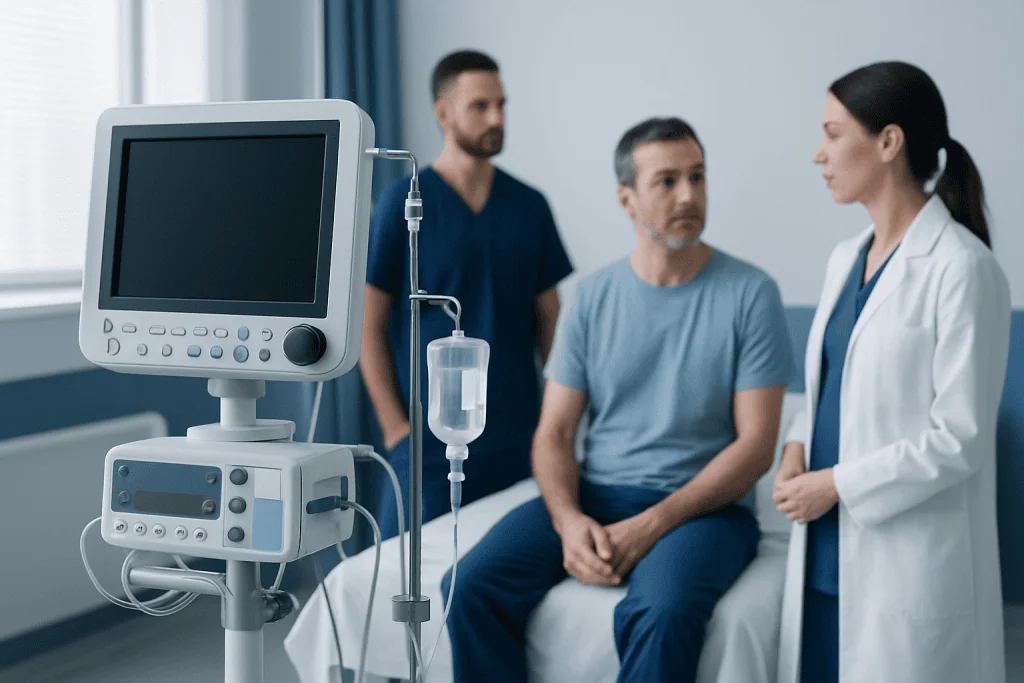
The first step in addiction rehabilitation is a comprehensive assessment. A doctor or mental health professional asks about the substance being used, how often it is used, past treatment, withdrawal symptoms, medical history, mental health, and social circumstances. This helps the care team identify immediate risks and design an appropriate treatment plan.
Detox, or withdrawal management, is often the next step for people who have developed physical dependence. Detox does not treat the causes of addiction by itself, but it can help the body clear the substance while symptoms are monitored and managed safely. Withdrawal can range from uncomfortable to medically serious depending on the substance. Alcohol, benzodiazepines, and some other drugs may require close supervision because complications can occur.
Medical detox may include monitoring of vital signs, hydration, nutritional support, and medication to ease withdrawal symptoms when appropriate. The setting can vary. Some people can detox safely as outpatients, while others need inpatient care because of severe dependence, previous withdrawal complications, pregnancy, coexisting illness, or limited support at home.
After detox, ongoing treatment begins as soon as possible. This transition is important because relapse risk is often high if a person stops at detox alone without follow-up therapy and support.
Therapies Used in Addiction Rehabilitation

Most rehabilitation programs combine several evidence-based treatments. Psychological therapies are a core part of care because addiction affects behavior, coping skills, motivation, and relationships. Common approaches include cognitive behavioral therapy, motivational interviewing, contingency management, and relapse prevention counseling. These methods help people understand triggers, challenge unhealthy thought patterns, and practice safer responses to stress and cravings.
Group therapy is often included because it offers peer support and reduces isolation. Hearing from others with similar experiences can help normalize recovery challenges and strengthen commitment to treatment. Family or couples therapy may also be helpful when substance use has affected trust, communication, or home stability.
Medication can be an important part of treatment for some substance use disorders. For example, certain medicines may reduce cravings or lower relapse risk in alcohol or opioid dependence. Medication is generally used alongside counseling rather than as a substitute for broader rehabilitation. When appropriate, a clinician may discuss options related to alcohol addiction treatment or drug addiction treatment as part of a personalized plan.
Many people in rehabilitation also benefit from care for coexisting mental health conditions such as anxiety, depression, trauma-related disorders, or sleep problems. Treating these conditions at the same time can improve engagement and support long-term recovery.
Inpatient, Outpatient, and Long-Term Recovery Support
Addiction rehabilitation can take place in different settings. Inpatient or residential rehabilitation provides a structured environment with 24-hour support. This may be recommended for people with severe substance use disorder, unstable housing, repeated relapse, significant medical or psychiatric concerns, or a high-risk withdrawal history. A residential stay can create distance from triggers while the person focuses fully on recovery.
Outpatient rehabilitation allows the person to live at home while attending scheduled therapy sessions, medical reviews, and support programs. This option may suit people with milder withdrawal risk, stronger support systems, and the ability to manage daily responsibilities safely. Intensive outpatient programs offer more frequent treatment while still allowing some independence.
Recovery does not end when a formal program finishes. Continuing care is one of the most important parts of rehabilitation. This may include regular counseling, medication follow-up, recovery coaching, mutual-support groups, sober living arrangements, vocational help, or family sessions. Long-term support helps people manage stress, maintain healthy routines, and respond quickly if cravings or setbacks return.
In some cases, rehabilitation also overlaps with treatment for other mental health conditions. If there are symptoms such as low mood, severe anxiety, or emotional instability, evaluation for related concerns like depression may be helpful so care can be coordinated.
Benefits, Challenges, and Relapse Prevention
The benefits of addiction rehabilitation can be wide-ranging. As substance use decreases, many people notice better sleep, clearer thinking, improved physical health, and stronger relationships. Treatment may also help restore daily structure, support return to work or study, and reduce legal, financial, or safety risks linked to substance use.
At the same time, recovery can be challenging. Cravings, emotional discomfort, social pressure, and exposure to familiar triggers may continue after detox. Some people experience shame or fear about seeking treatment. Others may have chronic pain, trauma, or mental health concerns that make recovery more complex. These challenges do not mean treatment has failed; they highlight why sustained support is important.
Relapse prevention is a practical part of rehabilitation. Patients often work with clinicians to identify triggers such as stress, loneliness, conflict, certain places, or contact with people linked to past substance use. They then build coping strategies, which may include calling a trusted person, attending a meeting, using grounding techniques, delaying impulsive decisions, or leaving high-risk situations.
A relapse, if it happens, should be viewed as a signal that the treatment plan needs review rather than as a personal failure. Early re-engagement with care can help a person regain stability quickly and reduce the chance of serious harm.
Self-Care, Family Support, and Life After Rehab
Healthy daily routines can support recovery after formal treatment. Regular sleep, balanced meals, physical activity, and structured time can make cravings and mood changes easier to manage. Avoiding high-risk situations, limiting access to substances, and keeping follow-up appointments are also practical ways to protect progress.
Family support can make a meaningful difference when it is respectful and informed. Loved ones can encourage treatment attendance, help reduce triggers at home, and learn how to respond calmly to setbacks. Family members may also benefit from counseling or support groups for themselves, especially if trust, stress, or codependency have developed over time.
It is often helpful to build a wider recovery network. This may include peer groups, trusted friends, therapists, primary care doctors, social workers, or community services. If additional psychological support is needed, some people may benefit from psychotherapy as part of their ongoing recovery plan.
Near the end of treatment, many rehabilitation programs help patients create a written aftercare plan. This may list warning signs, emergency contacts, medication schedules, therapy appointments, coping tools, and personal recovery goals for the coming weeks and months.
When to Seek Professional Help
Professional help is important when substance use is difficult to control, causes problems at home or work, or continues despite harm to health or relationships. It is also advisable when a person needs increasing amounts of a substance, has withdrawal symptoms, or has tried to stop without success. Early treatment can prevent complications and may make recovery more manageable.
Urgent medical attention is needed if there are signs of overdose, confusion, seizures, severe agitation, breathing problems, chest pain, or suicidal thoughts. Withdrawal from alcohol or sedative drugs can sometimes be dangerous, so home detox should not be attempted without medical advice when dependence is suspected.
People with both substance use and mental health symptoms should be assessed carefully, as each condition can worsen the other. Concerns such as panic, insomnia, depression, trauma symptoms, or unusual changes in thinking may all influence the safest treatment approach.
For international patients seeking coordinated care, Acibadem International’s multidisciplinary specialists and JCI-accredited hospitals provide assessment and treatment planning for addiction rehabilitation in appropriate cases. A qualified doctor can advise which level of care is most suitable and whether supervised detox, therapy, or longer-term rehabilitation is needed.
Frequently asked questions
What is the main goal of addiction rehabilitation?
The main goal is to help a person stop harmful substance use and build the skills needed for long-term recovery. Treatment also aims to improve physical health, emotional wellbeing, daily functioning, and safety.
Is detox the same as addiction treatment?
No. Detox helps manage withdrawal and clears the substance from the body, but it does not address the behavioral and psychological parts of addiction on its own. Most people need follow-up therapy and continuing support after detox.
How long does addiction rehabilitation take?
The length of treatment varies from person to person. It depends on the substance involved, how severe the dependence is, whether there are mental or physical health conditions, and what kind of support is available after treatment.
Can addiction be treated without staying in a hospital?
Yes, many people can be treated in outpatient programs. However, inpatient or residential care may be safer when withdrawal risks are high, symptoms are severe, or there is limited support at home.
What happens if a person relapses after rehab?
A relapse does not mean recovery is impossible. It usually means the treatment plan needs to be adjusted, triggers reviewed, and support strengthened. Seeking help early after a setback can reduce harm and help the person return to recovery.
Are medications used in addiction rehabilitation?
Yes, medications may be used for some substance use disorders to manage withdrawal, reduce cravings, or lower the risk of relapse. They are usually part of a broader plan that also includes counseling and regular follow-up.
References
- World Health Organization
- National Institute on Drug Abuse
- Substance Abuse and Mental Health Services Administration
- Centers for Disease Control and Prevention
- American Psychiatric Association
This article is for general information only and is not a substitute for professional medical advice. Please consult a qualified doctor about your individual situation.
Explore treatments in Turkey — costs, top hospitals & a free quote
JCI-accredited · board-certified surgeons · reply within 24h
Add us as a Preferred Source to see more of our trusted health content across Google Search, AI Overviews and Discover.

More from the Health Library



Related Specialists

Prof. Dr. Harzem Özger
Orthopedic Surgery & Traumatology
Dt. Duygu Taş
Oral & Dental Health
Dr. Mehmet Tayfun Osmanağaoğlu
Gynecology & Obstetrics
Prof. Dr. Mefkür Bakan
Anesthesiology