ADHD Irritability: What Patients Need to Know
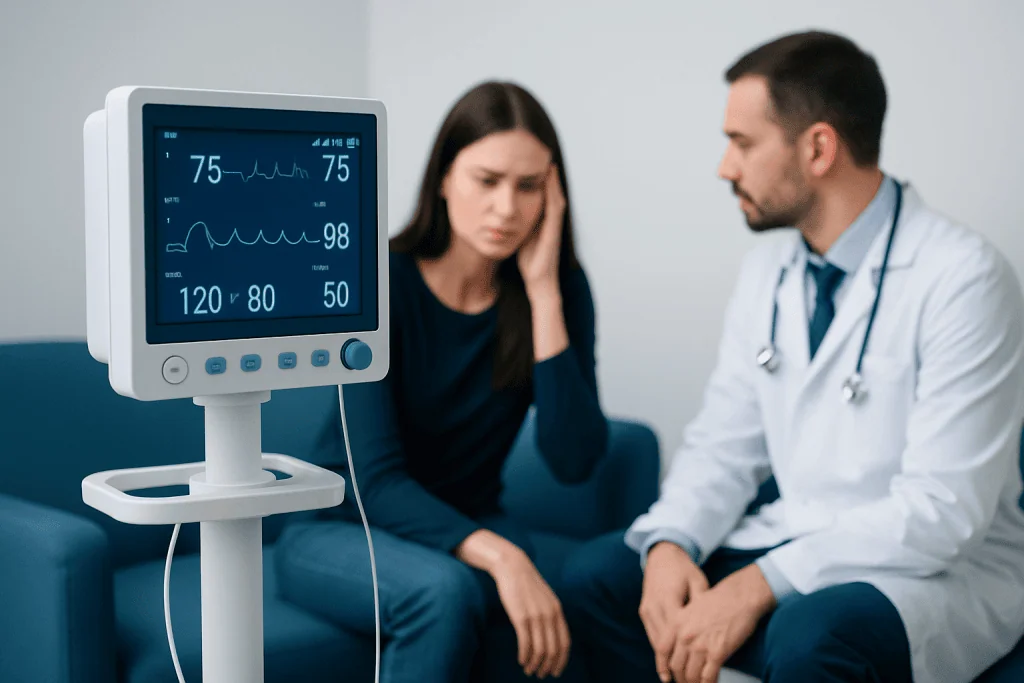
Irritability is common in people with ADHD and may be linked to difficulties regulating emotions, impulsivity and feeling overstimulated. Sleep loss, hunger, pain, stress, medication timing and environmental demands can make irritability more noticeable.
Key Takeaways
- Irritability is common in people with ADHD and may be linked to difficulties regulating emotions, impulsivity and feeling overstimulated.
- Sleep loss, hunger, pain, stress, medication timing and environmental demands can make irritability more noticeable.
- An assessment should consider coexisting anxiety, depression, trauma, learning difficulties, autism spectrum disorder and mood conditions.
- Practical routines, emotional regulation skills and appropriate ADHD treatment may reduce the frequency and impact of irritable reactions.
- Urgent help is important when irritability is accompanied by thoughts of self-harm, harm to others, severe agitation or unsafe behaviour.
ADHD irritability can involve becoming frustrated, overwhelmed, impatient or emotionally reactive more quickly than expected. It is not a formal core diagnostic criterion of ADHD, but it is a meaningful concern that can affect relationships, school, work and wellbeing and deserves clinical attention.
Overview: What Does ADHD Irritability Mean?
ADHD irritability describes a pattern of becoming frustrated, impatient, angry or emotionally overwhelmed easily in the context of attention-deficit/hyperactivity disorder (ADHD). A person may react strongly to interruptions, delays, mistakes, noise, criticism or a sudden change of plans. These reactions can be distressing, but they do not mean the person is intentionally difficult or lacks care for others.
ADHD is diagnosed based on persistent patterns of inattention and/or hyperactivity-impulsivity that affect daily life. Irritability is not one of the core diagnostic criteria, yet emotional regulation difficulties are widely recognized as an important associated challenge for many children, teenagers and adults with ADHD. The experience may show up as a brief temper flare, tearfulness, sharp words, withdrawal or feeling unable to cope when demands build up.
Irritability also has many possible causes beyond ADHD. Looking at the full picture is important because symptoms may be influenced by sleep, stress, physical health, family or workplace pressures, medication effects, and coexisting mental health conditions. With a thoughtful assessment and practical support, many people can improve their ability to pause, recover and communicate their needs.
How Irritability May Appear in Daily Life
Emotional reactions linked with ADHD can be fast and intense. For example, a child may become upset when asked to stop a preferred activity, while an adult may feel disproportionately frustrated by a crowded commute, a long queue or an unexpected request at work. The emotion may pass relatively quickly, but its consequences can linger in relationships or leave the person feeling guilty and exhausted.
Common patterns include low frustration tolerance, impatience, difficulty waiting, arguments during transitions, sensitivity to perceived rejection, and feeling overwhelmed by several demands at once. Some people become outwardly angry; others become quiet, tearful or self-critical. Irritability may be more obvious later in the day, when attention and self-control have been used heavily for hours.
It is helpful to distinguish a moment of frustration from a persistent change in mood. Frequent, severe or prolonged irritability, especially when it affects functioning at home, school, work or with friends, should be discussed with a qualified clinician. A diary of triggers, timing, sleep, meals and recovery time can provide useful information for an appointment.
Why ADHD Can Be Linked With Irritability

ADHD can affect executive functions: the mental skills used to organize, shift attention, manage time, control impulses and respond flexibly. When plans change quickly or several tasks compete for attention, the brain may have less capacity to slow down and choose a measured response. This can make everyday frustrations feel larger or more urgent.
Impulsivity can also contribute. A person may speak or act before fully considering the consequences, then regret the reaction afterward. Challenges with attention may add to this cycle: missing part of an instruction, losing track of a task or making repeated small errors can create frustration for the person and those around them.
Sensory overload and repeated demands may play a role as well. Noise, clutter, social pressure, multitasking and lack of downtime can be especially draining. Irritability is often a signal that coping resources are stretched, rather than evidence of poor character or parenting.
Coexisting conditions deserve careful consideration. Anxiety, depression, trauma-related symptoms, oppositional behaviours in children, autism spectrum disorder, substance use, chronic pain and mood disorders can all affect irritability. A clinician may also consider whether symptoms occur in clear episodes with major changes in energy, sleep and behaviour, which may require a different evaluation.
Factors That Can Make Symptoms Worse
ADHD irritability often varies from day to day. Insufficient or irregular sleep is a frequent contributor because tiredness reduces concentration, patience and emotional control. Skipping meals, dehydration, illness, pain and major hormonal changes can also lower a person’s tolerance for stress.
Environmental pressures matter. Unclear expectations, rushed transitions, repeated criticism, overstimulating settings and tasks that feel boring or overly complex may all increase frustration. In children, behaviour that looks like defiance can sometimes reflect fatigue, confusion, anxiety or a task that exceeds current coping skills.
Medication should be reviewed rather than stopped abruptly. Some people notice irritability as medication wears off, while others may have side effects or need an adjustment to the timing, type or overall treatment plan. Stimulant and non-stimulant ADHD medicines can be helpful when appropriately prescribed, but the response is individual and should be monitored by the treating clinician.
- Track the time of day, setting and trigger for difficult moments.
- Note sleep, meals, caffeine or alcohol use, pain, medication timing and recent stressors.
- Record what helped the person settle afterward, such as quiet time, movement or a clear next step.
Assessment and Diagnosis
There is no single test for ADHD irritability. A doctor, psychiatrist, psychologist or other qualified clinician typically begins by asking how symptoms affect home, education, work, relationships and daily responsibilities. For children, information from parents, caregivers and school staff can help identify patterns across settings.
An ADHD assessment considers the person’s developmental history and whether core symptoms began in childhood and have persisted over time. Standardized questionnaires may be used, but they are only one part of a comprehensive evaluation. The clinician also explores mood, anxiety, sleep, trauma exposure, learning needs, substance use and medical concerns that could contribute to irritability.
Physical examination, laboratory tests or specialist assessment may be recommended when another health issue is suspected. Accurate diagnosis is valuable because treatment differs depending on the underlying contributors. A person who has both ADHD and anxiety, for instance, may benefit from a plan that addresses both conditions rather than focusing on one symptom alone.
ADHD care can include assessment and treatment for attention-deficit/hyperactivity disorder when this condition is suspected or already diagnosed. A collaborative assessment can identify strengths as well as challenges and help set practical, realistic goals.
Treatment and Everyday Support
Support for ADHD irritability is individualized. A treatment plan may include education about ADHD, behavioural strategies, psychological therapy, school or workplace accommodations, family guidance and medication when clinically appropriate. The aim is not to eliminate normal emotions, but to make reactions more manageable and reduce their impact on daily life.
Cognitive behavioural therapy and skills-based approaches can help people notice early signs of escalation, question unhelpful thoughts, communicate needs and use planned coping strategies. Parents and caregivers may benefit from training that emphasizes predictable routines, calm instructions, positive reinforcement and brief, consistent boundaries. Couples or family therapy may be useful when repeated conflict is affecting close relationships.
Medication decisions should be made with a prescribing clinician after discussing benefits, possible side effects, medical history and coexisting conditions. If a medicine seems related to worsening irritability, the person should contact the prescriber for advice rather than changing the dose independently. Appropriate ADHD treatment often combines clinical care with practical strategies in everyday environments.
Acibadem International’s multidisciplinary specialists and JCI-accredited hospitals can assess and treat ADHD-related concerns for international patients, including emotional and behavioural symptoms that may be affecting daily life.
Prevention and Self-care Strategies
Although irritability cannot always be prevented, preparation can reduce its frequency and intensity. Consistent sleep and wake times, regular meals, hydration and daily movement support attention and emotional resilience. Limiting alcohol or recreational drugs is important, as these can worsen mood, sleep and impulse control.
Planning for predictable pressure points can be especially useful. Breaking demanding tasks into short steps, allowing extra time for transitions, using reminders and reducing unnecessary distractions may prevent the sense of overload that leads to frustration. At school or work, written instructions, quiet space, noise reduction and planned breaks may help.
In the moment, simple regulation tools can create space before reacting. These may include pausing before responding, slow breathing, stepping into a quieter place, drinking water, taking a brief walk or saying, “I need a few minutes to reset.” It is usually easier to use these tools when they have been practised during calm periods.
After a difficult interaction, a brief repair can protect relationships. Naming what happened, apologizing for hurtful words if needed and discussing a different plan for next time can be more constructive than focusing on blame. Self-compassion is also important: learning emotional regulation is a skill-building process, not a test of personal worth.
When to Seek Medical Care
Medical advice is appropriate when irritability is frequent, intense, worsening or affecting safety, learning, work, family life or relationships. An appointment is also helpful when symptoms begin suddenly, differ significantly from the person’s usual behaviour or occur alongside persistent sadness, panic, severe worry, major sleep changes or substance use.
Parents and caregivers should seek assessment if a child has repeated aggressive outbursts, refuses school, struggles significantly with peers, appears persistently unhappy or has difficulty recovering after frustration. Adults should speak with a clinician if reactions are causing problems at work, driving conflict at home or contributing to risky decisions.
Urgent mental health or emergency support is needed if there are thoughts of self-harm or suicide, threats to harm someone else, severe agitation, hallucinations, inability to care for basic needs or immediate safety concerns. In an emergency, contact local emergency services or go to the nearest emergency department.
Frequently asked questions
Is irritability a symptom of ADHD?
Irritability is not a core diagnostic criterion for ADHD, but many people with ADHD experience difficulty regulating frustration and strong emotions. It may be related to impulsivity, overload, stress or problems shifting attention. Because other conditions can also cause irritability, it is worth discussing persistent symptoms with a clinician.
Why does ADHD irritability often get worse in the evening?
Evening irritability may occur after a day of sustained effort, stimulation and demands, when fatigue reduces coping capacity. Hunger, rushed routines and conflict around homework, chores or bedtime can add pressure. For people taking ADHD medication, symptom changes as a dose wears off should be discussed with the prescriber.
Can ADHD medication cause irritability?
Some people may notice irritability related to medication side effects, medication timing or symptoms returning as medication wears off. Others find that properly adjusted ADHD treatment improves frustration by supporting attention and impulse control. A prescribing clinician should review any new or worsening mood changes.
How can parents help a child with ADHD and anger?
Helpful approaches include predictable routines, clear and brief instructions, advance warning before transitions and praise for specific positive behaviours. During escalation, it is usually best to prioritize safety and calm rather than lengthy explanations. A paediatric or mental health professional can recommend parent-focused behavioural support when outbursts are frequent or severe.
Does ADHD irritability mean a person has bipolar disorder?
No. Irritability alone does not mean bipolar disorder is present. Bipolar disorder involves distinct mood episodes that may include major changes in energy, sleep, activity, thinking and behaviour, so a qualified clinician should assess these symptoms carefully.
What should an adult do after an irritable outburst?
Once calm, it can help to identify the trigger, such as lack of sleep, interruption, overload or feeling criticized. If another person was hurt, a direct apology and a plan for handling similar situations differently can support repair. Repeated outbursts or significant distress are good reasons to seek professional assessment and support.
References
- Centers for Disease Control and Prevention
- National Institute of Mental Health
- American Academy of Pediatrics
- National Institute for Health and Care Excellence
- American Psychiatric Association
This article is for general information only and is not a substitute for professional medical advice. Please consult a qualified doctor about your individual situation.
ADHD in Turkey — costs, top hospitals & a free quote
JCI-accredited · board-certified surgeons · reply within 24h
Add us as a Preferred Source to see more of our trusted health content across Google Search, AI Overviews and Discover.