

Adt Cancer Treatment: How It Works, Results and What to Expect

ADT reduces the effect of testosterone and related hormones that can stimulate prostate cancer growth. It is commonly combined with radiation for certain localized or locally advanced prostate cancers and is a main treatment for metastatic disease.
Key Takeaways
- ADT reduces the effect of testosterone and related hormones that can stimulate prostate cancer growth.
- It is commonly combined with radiation for certain localized or locally advanced prostate cancers and is a main treatment for metastatic disease.
- The recommended duration ranges from months to long-term treatment, depending on cancer risk, spread, response, and other therapies.
- PSA tests, symptoms, treatment effects, bone health, and metabolic health are monitored throughout ADT.
- Hot flushes, sexual changes, fatigue, bone thinning, and metabolic changes are possible, but many effects can be actively managed.
ADT cancer treatment, also called androgen deprivation therapy, lowers or blocks testosterone to slow the growth of prostate cancer cells that depend on androgens. It may be used alone in selected situations or alongside radiation, surgery, or other systemic treatments, with the plan tailored to the cancer stage, treatment goal, and a person’s overall health.
Overview: What Is ADT Cancer Treatment?
ADT cancer treatment is a hormone-based treatment most often used for prostate cancer. Prostate cancer cells commonly use male sex hormones, particularly testosterone, as signals that support their growth. Androgen deprivation therapy (ADT) lowers the body’s testosterone level or prevents cancer cells from using it, which can slow cancer growth, reduce tumor activity, and lower prostate-specific antigen (PSA) levels.
ADT does not remove the prostate and is not the same as chemotherapy. It may be given as injections, implants, tablets, or, less commonly, surgery to remove the testicles. Depending on the clinical situation, it may be used before, during, or after radiation therapy; for cancer that has returned after previous treatment; or as long-term control for cancer that has spread beyond the prostate.
Hormone-sensitive prostate cancer often responds well initially to ADT. However, the treatment does not always eliminate all cancer cells, and some cancers can eventually grow despite very low testosterone levels. Regular follow-up helps the care team identify how well treatment is working and whether the plan needs to change.
How ADT Works and Who May Be a Candidate
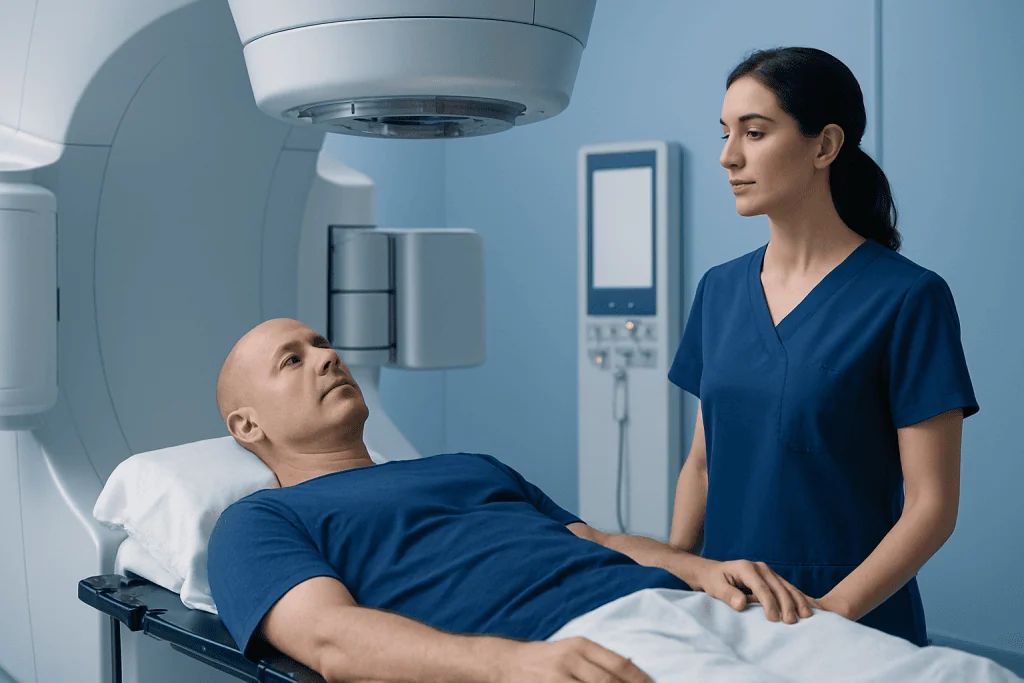
Most ADT medicines work by interrupting signals between the brain and testicles that normally lead to testosterone production. Gonadotropin-releasing hormone (GnRH) agonists and antagonists are common options. Other medicines, called androgen-receptor inhibitors, may be added in some cases to block the effect of androgens on cancer cells more directly. Surgical removal of the testicles, called orchiectomy, is a permanent way to lower testosterone but is chosen less often than medical treatment.
A urologist, medical oncologist, and radiation oncologist may recommend ADT for people with intermediate- or high-risk localized prostate cancer who are receiving radiation, locally advanced cancer, recurrent cancer identified by rising PSA or imaging, or metastatic prostate cancer. Whether ADT is appropriate depends on the Gleason grade group, PSA level, cancer stage, imaging findings, prior treatments, symptoms, life expectancy, personal preferences, and other medical conditions.
ADT may not be needed for every localized prostate cancer. For some lower-risk cancers, active surveillance, surgery, or radiation without hormone treatment may be more suitable. A discussion of the diagnosis and available choices is important because ADT has benefits as well as effects on quality of life. Related evaluations may also consider conditions such as prostate cancer and the possibility of treatment-associated urinary or sexual concerns.
What Happens During ADT Treatment?

Before starting treatment, the clinical team reviews pathology results, PSA trends, scans, current medicines, heart and metabolic health, bone health risks, and sexual health concerns. Baseline blood tests may include PSA and testosterone. Some people may also need assessment for diabetes, high cholesterol, osteoporosis, or cardiovascular disease, especially when longer treatment is anticipated.
For injection or implant-based ADT, a clinician administers the medicine under the skin or into a muscle at intervals that may range from about one month to several months, depending on the formulation. An oral medicine is taken as prescribed, usually with scheduled laboratory monitoring. Certain GnRH agonists can briefly raise testosterone before suppressing it, sometimes called a flare; in people with extensive or symptomatic disease, another medicine may be used temporarily to reduce the risk of flare-related symptoms.
ADT is usually delivered in an outpatient setting, and most people return home the same day. If radiation is part of the plan, ADT may begin before radiation and continue during or after it for a defined period. The treatment schedule is individualized, and appointments commonly include PSA testing, symptom review, blood pressure and weight checks, and discussions about treatment effects.
In centers offering coordinated cancer care, prostate cancer treatment planning may bring together urology, medical oncology, radiation oncology, radiology, pathology, nutrition, and supportive-care professionals.
How Long Should I Be on ADT for Prostate Cancer?
The length of ADT for prostate cancer varies considerably. When it is used with radiation for some unfavorable intermediate-risk cancers, treatment may be given for several months. For high-risk or locally advanced cancer treated with radiation, ADT may continue for a longer planned course, often measured in years rather than months. The exact duration should follow the treatment team’s recommendation because it reflects the cancer’s risk features and the balance of expected benefit and side effects.
For metastatic prostate cancer, ADT is commonly continued long term, as long as it is controlling the disease and remains appropriate for the person’s health and goals. Additional medicines may be combined with ADT to improve disease control in selected patients. In some carefully selected situations, intermittent ADT may be discussed, with treatment pauses guided by PSA, testosterone, scans, symptoms, and clinical judgment.
Stopping or changing ADT without medical advice is not recommended. Testosterone recovery after discontinuing treatment can take time and varies by age, duration of therapy, medicine used, and individual health. The care team can explain the intended timeframe before treatment begins and revisit it as results become available.
Benefits, Results and Treatment Monitoring
The main benefit of ADT is that it can reduce the hormonal stimulation that drives many prostate cancers. This may shrink or stabilize cancer, lower PSA, delay progression, relieve cancer-related symptoms, and improve outcomes when used with radiation in appropriate higher-risk disease. In metastatic disease, it is a foundation of treatment and may be combined with other hormone-targeting medicines, chemotherapy, targeted therapy, or radiopharmaceutical treatment depending on the individual situation.
Response is monitored through PSA levels, testosterone testing when needed, clinical symptoms, physical examinations, and imaging when indicated. A falling PSA often suggests that treatment is having an effect, but PSA is only one part of the overall assessment. Doctors interpret results alongside the cancer’s location, scan findings, symptoms, and the time since treatment started.
What is the success rate of ADT therapy? There is no single success rate that applies to everyone. ADT commonly produces a meaningful initial response in hormone-sensitive prostate cancer, but the depth and duration of response differ substantially. Outcomes are influenced by whether the cancer is localized, recurrent, or metastatic; how aggressive it is; which treatments are combined; and general health. The most useful question for the treating team is what benefit ADT is expected to provide in that individual treatment setting.
What is the life expectancy after hormone therapy for prostate cancer? Life expectancy cannot be estimated from hormone therapy alone. Many people live for years with prostate cancer controlled by ADT, particularly when treatment is started for hormone-sensitive disease and monitored closely. Prognosis depends on cancer stage, spread, tumor biology, response to treatment, other available therapies, age, and coexisting health conditions. A clinician who knows the full diagnosis can provide the most meaningful, individualized outlook.
Side Effects, Recovery and Everyday Self-Care
There is usually no physical recovery period after an injection, implant, or tablet-based ADT regimen, although a person may have brief soreness at an injection site. Hormonal effects can emerge over days to months. Common effects include hot flushes or sweats, reduced sexual desire, erectile difficulties, fatigue, mood changes, decreased muscle mass, weight gain, and breast tenderness or enlargement. The severity differs from person to person.
Longer-term ADT can contribute to bone thinning and fractures, increased body fat, insulin resistance or diabetes risk, cholesterol changes, anemia, and possible cardiovascular risks. These risks do not mean that ADT is unsuitable, but they make routine preventive care and monitoring especially important. People should tell their care team about a history of heart disease, stroke, diabetes, osteoporosis, depression, or falls.
Regular weight-bearing and resistance exercise, a balanced eating pattern, adequate protein, not smoking, limiting alcohol, sleep support, and attention to blood pressure and blood sugar can help protect general health. The care team may recommend bone-density assessment or medicines to protect bone in selected patients. Sexual-health counseling, treatment for erectile difficulties, and emotional support can also be valuable parts of care.
Is ADT therapy worth it? For many people, ADT is worthwhile because it can improve cancer control, support the effectiveness of radiation, reduce symptoms, or extend the time before progression. Whether its likely benefits outweigh its possible effects depends on the reason it is being recommended and on personal priorities, such as maintaining sexual function, energy, independence, and long-term health. Shared decision-making allows patients to review alternatives, expected benefits, and side-effect management before starting.
When to Seek Medical Care
People receiving ADT should contact their cancer team promptly for new or worsening bone pain, severe back pain, leg weakness or numbness, difficulty walking, loss of bladder or bowel control, new shortness of breath, chest pain, or sudden swelling in a leg. These symptoms need timely medical assessment because they may relate to cancer, treatment effects, or another health problem.
It is also sensible to seek advice for persistent low mood, troubling anxiety, severe fatigue, frequent falls, symptoms of high blood sugar such as marked thirst or frequent urination, or side effects that interfere with daily life. Many concerns can be addressed through medication adjustments, rehabilitation, nutritional support, mental-health care, or referral to another specialist.
Acibadem International’s multidisciplinary specialists and JCI-accredited hospitals diagnose and treat prostate cancer for international patients. A personalized consultation can help clarify whether ADT, radiation, surgery, or a combination approach is appropriate and how treatment effects can be monitored and managed.
Frequently asked questions
What does ADT stand for in cancer treatment?
ADT stands for androgen deprivation therapy. It is a treatment that lowers androgen hormone levels, especially testosterone, or blocks their action on cancer cells. It is used primarily in prostate cancer because many prostate cancer cells depend on these hormones for growth.
Is ADT the same as chemotherapy?
No. ADT is hormone therapy, whereas chemotherapy uses medicines that target rapidly dividing cells or interfere with cancer cell growth in other ways. Both may be used for prostate cancer, but they work differently and may be used together in certain advanced cases.
How quickly does ADT lower PSA?
PSA often begins to decrease within weeks to months when a hormone-sensitive prostate cancer responds to ADT. The timing and amount of change vary, so results should be interpreted by the treating team in the context of symptoms, testosterone levels, and imaging when needed.
Can testosterone return after stopping ADT?
Testosterone can recover after temporary medical ADT is stopped, but recovery is variable. It may take months or longer, and it can be slower after longer treatment courses or in older adults. Surgical orchiectomy causes permanent testosterone reduction.
Can I exercise while receiving ADT?
In most cases, exercise is encouraged and can help maintain muscle strength, bone health, energy, balance, and metabolic health. A combination of aerobic activity, resistance training, and weight-bearing movement is often useful. People with bone metastases, heart conditions, or mobility limitations should ask their clinician for an individualized plan.
Does ADT cause erectile dysfunction?
ADT commonly reduces sexual desire and can contribute to erectile dysfunction because testosterone plays an important role in sexual function. These effects may improve after temporary treatment ends, but recovery is not guaranteed. A urologist or sexual-health specialist can discuss supportive options and treatments.
References
- National Cancer Institute
- American Cancer Society
- European Association of Urology
- National Comprehensive Cancer Network
- American Urological Association
This article is for general information only and is not a substitute for professional medical advice. Please consult a qualified doctor about your individual situation.
Oncology care in Turkey — second opinion and treatment plan
JCI-accredited · board-certified surgeons · reply within 24h
Add us as a Preferred Source to see more of our trusted health content across Google Search, AI Overviews and Discover.
Check your numbers in seconds
BMI, calories, due date, blood pressure and 30+ more clinical calculators — free, instant, doctor-reviewed ranges.

More from the Health Library



Related Specialists

Assoc. Prof. Dr. Yeşim Çimen
Physical Medicine & Rehabilitation
Dr. Muhammed Taha Taş
Emergency Service
Dr. Kamil Oğuzhan Döker
Emergency Service
Dr. Hilal Can
Anesthesiology