Adults Respiratory Distress Syndrome: Symptoms, Causes, and Treatment Options

Adults respiratory distress syndrome is the older term often used for acute respiratory distress syndrome, or ARDS. ARDS is not a disease by itself; it is a severe reaction of the lungs to injury, infection, or inflammation elsewhere in the body.
Key Takeaways
- Adults respiratory distress syndrome is the older term often used for acute respiratory distress syndrome, or ARDS.
- ARDS is not a disease by itself; it is a severe reaction of the lungs to injury, infection, or inflammation elsewhere in the body.
- Symptoms often include severe shortness of breath, rapid breathing, low oxygen levels, and extreme weakness.
- Diagnosis relies on symptoms, oxygen measurements, imaging, and finding the underlying cause.
- Treatment focuses on oxygen support, intensive care, and treating the trigger such as infection, sepsis, or trauma.
- Early medical attention can improve safety and help reduce complications.
Adults respiratory distress syndrome, more commonly called acute respiratory distress syndrome (ARDS), is a serious condition in which fluid builds up in the lungs' air sacs and makes it hard for oxygen to reach the blood. It usually develops suddenly during a critical illness or after a major injury, and prompt hospital treatment is essential.
Overview
Adults respiratory distress syndrome is an older name for acute respiratory distress syndrome (ARDS). It describes a sudden, severe lung problem in which the lungs become inflamed and leaky, causing fluid to collect in the tiny air sacs called alveoli. When this happens, oxygen has more difficulty passing into the bloodstream, and the body may not get the oxygen it needs.
ARDS most often develops in people who are already seriously ill or have had a major injury. It can follow conditions such as severe infection, pneumonia, trauma, pancreatitis, or inhalation of harmful substances. Although it starts in the lungs, it is often part of a wider inflammatory response affecting the whole body.
This condition is a medical emergency, but it is important to understand that ARDS is treatable. Care is usually provided in an intensive care setting, where doctors support breathing, monitor oxygen levels closely, and treat the underlying cause. Recovery varies from person to person and depends on how severe the illness is and whether other organs are affected.
How ARDS affects breathing
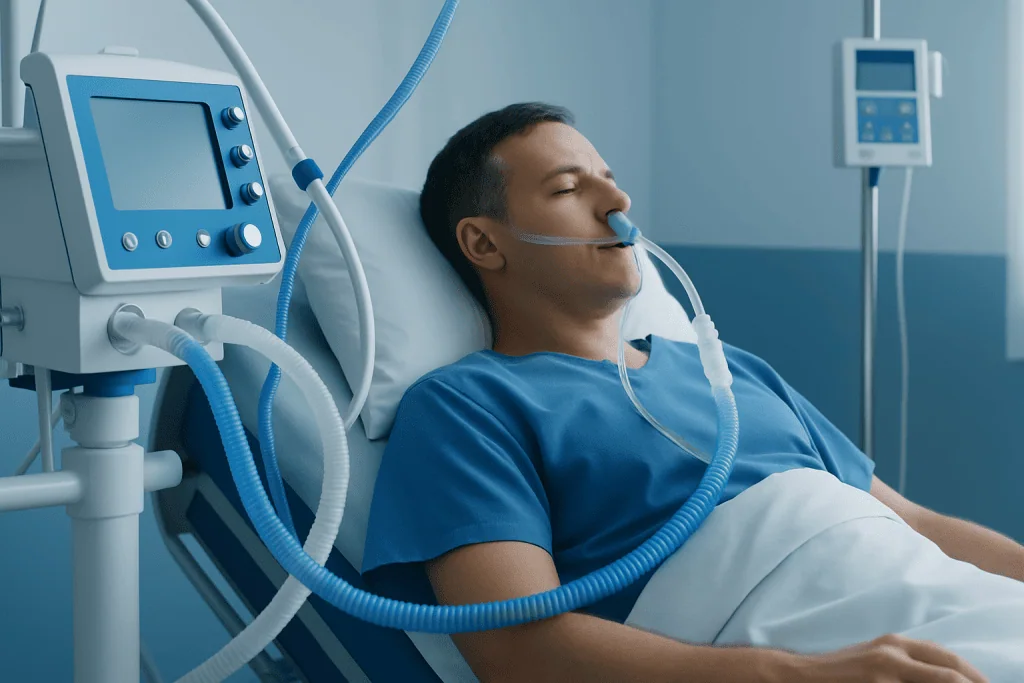
In healthy lungs, the alveoli stay open and dry enough to allow oxygen to move into the blood while carbon dioxide is removed. In ARDS, inflammation damages the thin barrier between air and blood. Fluid and inflammatory cells leak into the air sacs, making the lungs stiffer and less able to expand normally.
Because of this, breathing becomes more difficult and oxygen levels can fall quickly. Even when a person is breathing rapidly, the body may still not receive enough oxygen. This is why ARDS often requires supplemental oxygen and, in many cases, a mechanical ventilator to help the lungs rest and heal.
ARDS is different from routine shortness of breath caused by asthma, mild infection, or deconditioning. It is a form of acute respiratory failure and can progress over hours to a few days. In some people, the main concern is the lung injury itself; in others, the larger issue is the critical illness that triggered it, such as pneumonia or sepsis.
Symptoms and warning signs

The symptoms of adults respiratory distress syndrome usually appear suddenly or worsen rapidly. The most common sign is severe shortness of breath that feels out of proportion to a usual chest infection or minor illness. A person may breathe fast, struggle to speak in full sentences, or seem exhausted by the effort of breathing.
Other symptoms can include low oxygen levels, bluish lips or fingertips, chest discomfort, confusion, agitation, drowsiness, and a racing heartbeat. Many people with ARDS also have symptoms related to the condition that caused it, such as fever with infection, cough with pneumonia, or pain after a serious injury.
Because ARDS often occurs in hospitalized patients, family members may first notice that a loved one suddenly needs more oxygen or appears increasingly weak and breathless. Symptoms can vary, but the combination of worsening breathlessness and signs of serious illness always needs urgent medical evaluation.
- Severe shortness of breath
- Rapid, labored breathing
- Low oxygen levels
- Confusion or unusual sleepiness
- Bluish skin, lips, or nails
- Marked fatigue or inability to stay alert
Causes and risk factors
ARDS is caused by widespread inflammation that injures the lungs. One of the most common triggers is a severe infection, especially a lung infection such as pneumonia or a bloodstream infection known as sepsis. Viral and bacterial illnesses can both be responsible, particularly when the infection is severe enough to disturb normal oxygen exchange.
Other causes include major trauma, chest injury, pancreatitis, burns, near-drowning, aspiration of stomach contents, and inhalation of smoke or toxic chemicals. Some people develop ARDS after major surgery or after receiving large volumes of blood products, though these situations are evaluated carefully because several factors may be involved at the same time.
Certain risk factors can increase the chance of ARDS or make its course more severe. These include older age, chronic alcohol misuse, smoking, pre-existing lung disease, and serious underlying medical conditions. ARDS itself is not contagious, but the infection that triggers it may be. Understanding the trigger helps guide treatment and can influence recovery.
Diagnosis and what doctors look for
There is no single test that by itself proves adults respiratory distress syndrome. Doctors make the diagnosis by combining the clinical picture with oxygen measurements, imaging tests, and the timing of symptoms. They also need to rule out other causes of breathing failure, especially heart-related fluid buildup in the lungs.
Evaluation usually includes a physical examination, pulse oximetry, and blood tests that may include an arterial blood gas to measure oxygen and carbon dioxide levels. A chest X-ray or CT scan can show widespread changes in the lungs that are consistent with inflammation and fluid in both lungs.
Doctors also look carefully for the underlying cause. This may involve blood cultures, sputum tests, heart assessment, or additional scans depending on the person’s condition. In critically ill patients, close monitoring in the intensive care unit helps the team follow how the lungs, heart, kidneys, and other organs are responding over time.
When detailed assessment is needed, advanced monitoring and diagnostic imaging can help clarify the extent of lung involvement and guide supportive treatment decisions.
Treatment options and intensive care support
Treatment for ARDS has two main goals: support breathing and treat the cause. Most patients need oxygen, and many require care in an intensive care unit. If oxygen through a mask or high-flow system is not enough, mechanical ventilation may be used to deliver breathing support while protecting the lungs as much as possible.
Doctors use carefully selected ventilator settings to avoid overstretching injured lungs. In some cases, patients are positioned on their stomach, a technique called prone positioning, which can improve oxygen levels. Fluids are managed thoughtfully, because too much fluid can worsen lung swelling while too little can affect blood pressure and organ function.
Treatment of the trigger is equally important. This may include antibiotics for bacterial infection, source control for sepsis, or treatment for trauma or aspiration. Some patients with severe, hard-to-manage respiratory failure may need advanced support such as intensive care monitoring throughout recovery, and selected cases may be evaluated for specialized life support measures. If ARDS develops as part of a broader chest illness, teams may coordinate with specialists experienced in chest diseases and respiratory failure.
Recovery can take time. Even after oxygen levels improve, people may feel weak, tired, or short of breath for weeks or months. Rehabilitation, nutrition, sleep support, and follow-up care can all play a role in regaining strength.
Prevention, recovery, and self-care
There is no guaranteed way to prevent ARDS, because it usually develops as a complication of another serious illness. Still, risk can be lowered by preventing severe infections when possible, managing chronic health conditions, avoiding smoking, and seeking prompt care for worsening chest symptoms, high fever, or signs of sepsis.
For people in the hospital, prevention focuses on careful medical management. This may include early treatment of infection, safe swallowing and aspiration precautions, careful fluid balance, and lung-protective ventilation strategies when breathing support is needed. Preventing complications is an important part of care from the very beginning.
After the acute phase, recovery often continues at home or in a rehabilitation setting. Patients may need breathing exercises, physical therapy, and gradual return to activity. Emotional recovery matters too, as some people experience anxiety, poor sleep, or low mood after a stay in intensive care. Follow-up with a qualified doctor helps address ongoing symptoms and monitor lung function when needed.
Near the end of recovery planning, some international patients choose evaluation at centers such as Acibadem International, where multidisciplinary specialists in JCI-accredited hospitals diagnose and treat complex respiratory conditions with coordinated follow-up.
When to seek medical care
Adults respiratory distress syndrome always requires urgent medical attention. Anyone with sudden severe shortness of breath, blue lips, confusion, fainting, or signs that they cannot get enough air should receive emergency care immediately. These symptoms can worsen quickly and should not be managed at home.
It is also important to seek prompt medical care for worsening pneumonia symptoms, high fever with fast breathing, severe weakness, chest injury followed by breathing difficulty, or a major illness that suddenly leads to low oxygen levels. People already in the hospital who develop new respiratory distress should be assessed without delay.
Even after discharge, medical advice is important if breathlessness, persistent cough, severe fatigue, or reduced exercise tolerance continue or worsen. Early follow-up can help identify complications, guide rehabilitation, and support safer recovery.
Frequently asked questions
Is adults respiratory distress syndrome the same as ARDS?
Yes. Adults respiratory distress syndrome is an older term commonly used for acute respiratory distress syndrome, or ARDS. Today, ARDS is the standard medical term because the condition can occur outside the original adult-focused definition.
What causes adults respiratory distress syndrome?
It is usually triggered by a serious illness or injury that causes widespread inflammation. Common causes include severe pneumonia, sepsis, aspiration, chest trauma, pancreatitis, smoke inhalation, and near-drowning.
Can ARDS develop suddenly?
Yes, ARDS often develops over hours to a few days after the underlying illness begins. Breathing can worsen quickly, which is why urgent medical assessment is important when severe shortness of breath appears.
How is ARDS treated?
Treatment focuses on supporting oxygen levels and addressing the cause. Many patients need intensive care, oxygen therapy, and sometimes a ventilator, while doctors treat infections, injuries, or other triggers at the same time.
Can someone recover fully from adults respiratory distress syndrome?
Many people do recover, especially when the cause is found and treated promptly. Recovery may still take time, and some people need rehabilitation for weakness, reduced stamina, or lingering breathing symptoms.
Is ARDS contagious?
ARDS itself is not contagious. However, the infection that leads to ARDS, such as pneumonia or a viral illness, may be contagious depending on the cause.
When should someone call emergency services for breathing symptoms?
Emergency help is needed for severe shortness of breath, blue lips, confusion, fainting, or any sign that the person is struggling to breathe. These symptoms can indicate dangerously low oxygen levels and should be treated immediately.
References
- National Heart, Lung, and Blood Institute
- American Thoracic Society
- National Institute of General Medical Sciences
- Centers for Disease Control and Prevention
- World Health Organization
This article is for general information only and is not a substitute for professional medical advice. Please consult a qualified doctor about your individual situation.
Explore treatments in Turkey — costs, top hospitals & a free quote
JCI-accredited · board-certified surgeons · reply within 24h
Add us as a Preferred Source to see more of our trusted health content across Google Search, AI Overviews and Discover.