Aerobics: An Evidence-Based Guide for Patients

Aerobics includes activities such as brisk walking, cycling, swimming, dancing, and low- to high-impact fitness classes. Regular aerobic exercise supports heart health, lung function, weight management, blood sugar control, sleep, and mental well-being.
Key Takeaways
- Aerobics includes activities such as brisk walking, cycling, swimming, dancing, and low- to high-impact fitness classes.
- Regular aerobic exercise supports heart health, lung function, weight management, blood sugar control, sleep, and mental well-being.
- A safe routine usually starts slowly, builds up over time, and includes warm-up, cool-down, hydration, and appropriate footwear.
- People with heart disease, lung disease, diabetes, joint problems, or concerning symptoms should seek medical advice before starting or intensifying exercise.
- Consistency matters more than intensity for most beginners, and even short sessions can provide meaningful health benefits.
Aerobics is sustained, rhythmic physical activity that raises the heart rate and breathing in a controlled way, helping improve cardiovascular fitness, stamina, mood, and metabolic health. For most people, aerobics is a safe and effective part of a healthy lifestyle when it is started gradually and matched to personal fitness level, age, and medical needs.
Overview: what aerobics is and why it matters
Aerobics is a form of physical activity that uses large muscle groups in a steady, rhythmic way for enough time to raise the heart rate and breathing. Common examples include brisk walking, cycling, swimming, dancing, jogging, rowing, and structured fitness classes. The term often brings to mind group exercise, but in medical terms it broadly refers to aerobic exercise of many kinds.
The body uses oxygen to help produce energy during aerobics. Over time, regular aerobic activity helps the heart pump more efficiently, improves the muscles’ ability to use oxygen, and increases endurance. This is why many health professionals recommend aerobics as a core part of disease prevention and overall wellness.
Aerobics is not only about athletic performance or weight loss. It also supports healthy blood pressure, cholesterol balance, blood sugar control, sleep quality, mood, and day-to-day functioning. For many people, it can be adapted to age, mobility, and health status, making it one of the most flexible and accessible ways to stay active.
How aerobics benefits the body
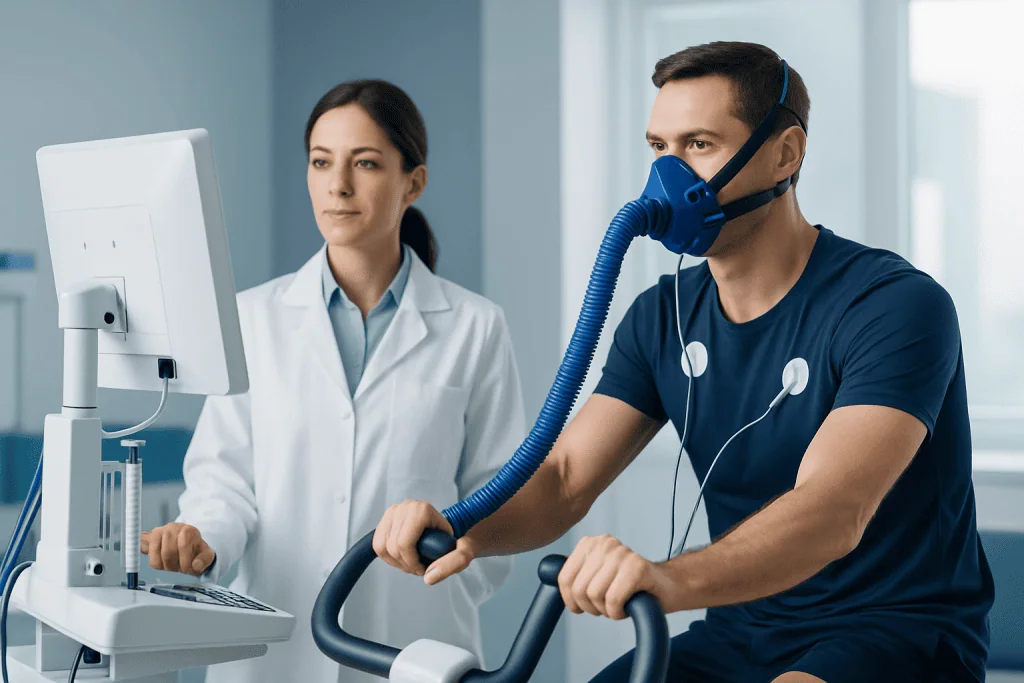
One of the best-established benefits of aerobics is improved cardiovascular health. Regular aerobic exercise can strengthen the heart and circulation, helping the body deliver oxygen more effectively. It may also contribute to healthier blood pressure and improve fitness levels that are linked to lower long-term health risk.
Aerobics also plays an important role in metabolic health. It can help the body use insulin more effectively, support healthy blood sugar levels, and assist with weight management when combined with balanced nutrition. This is one reason aerobic activity is often recommended for people who are at risk of or living with diabetes.
Mental and emotional health can improve as well. Many people notice better mood, lower stress, and improved sleep with regular aerobic activity. Exercise may reduce fatigue, increase energy, and support cognitive health, especially when it becomes a consistent part of the weekly routine.
Additional benefits may include:
- Better stamina for daily activities
- Support for bone and joint health through movement
- Improved balance and coordination in some activities
- Healthier immune and inflammatory responses
- Greater confidence and quality of life
Types of aerobics and choosing the right level

Aerobics can be low impact, moderate intensity, or vigorous intensity depending on the activity and the person’s effort. Low-impact options such as walking, water aerobics, and gentle cycling may be easier on the joints. Higher-impact options such as running, dance cardio, or step aerobics may suit people who already have a stronger fitness base and no movement limitations.
Choosing the right form of aerobics depends on health status, preferences, and practical factors such as time, access, and comfort. Someone with knee pain may prefer swimming or an exercise bike. Someone who enjoys social motivation may benefit from a class. The best routine is often the one that feels sustainable and realistic over time.
A useful way to judge intensity is the “talk test.” During moderate aerobic exercise, a person can usually talk but not sing comfortably. During vigorous activity, speaking more than a few words at a time becomes difficult. Fitness trackers can help some people, but how the body feels during exercise remains important.
For people with specific medical concerns, exercise planning may involve a doctor, physical therapist, or rehabilitation team. In some cases, medically supervised programs such as cardiac rehabilitation are used to help people exercise more safely after a heart-related event or procedure.
How to start aerobics safely
For beginners, the safest approach is usually to start low and progress slowly. Even short sessions of 10 to 15 minutes can be worthwhile at first. As tolerance improves, time and intensity can increase gradually. This reduces the chance of injury, severe soreness, or overexertion.
A simple aerobic session often includes a warm-up, an active phase, and a cool-down. Warming up with slower movement prepares the muscles, joints, and cardiovascular system for exercise. Cooling down helps breathing and heart rate return toward baseline more gradually.
Practical safety steps can make a real difference. Comfortable clothing, supportive footwear, hydration, and exercising in a safe environment all help. Outdoor activity may be enjoyable, but in very hot, humid, or polluted conditions it may be better to move indoors or reduce intensity.
People recovering from illness, surgery, injury, or prolonged inactivity may need a more tailored plan. When mobility, pain, balance, or weakness is a concern, structured support such as physical therapy and rehabilitation can help build endurance and confidence step by step.
Risks, limitations, and who may need extra caution
Aerobics is safe for most people, but it is not entirely risk-free. Possible problems include muscle strain, joint pain, overuse injury, dehydration, heat-related illness, or symptoms caused by doing too much too soon. Risk rises when exercise intensity increases rapidly or when technique, shoes, or recovery are poor.
Some people should be more cautious before starting a new aerobic program, especially vigorous exercise. This includes those with heart disease, chest pain, uncontrolled blood pressure, severe obesity, chronic lung disease, diabetes treated with glucose-lowering medicines, dizziness, fainting, or significant joint or back problems. Conditions such as heart disease may require medical guidance about the safest type and intensity of exercise.
It is also important to distinguish normal exercise sensations from warning signs. Mild breathlessness, sweating, and muscle fatigue can be expected. However, chest pressure, severe shortness of breath, fainting, new irregular heartbeat, or pain that feels unusual or intense should not be ignored.
Pregnant individuals, older adults, and people with disabilities can often do aerobic exercise successfully, but modifications may be needed. A qualified clinician can help match activity type and intensity to personal health needs and goals.
Building an effective routine for long-term health
The most effective aerobic routine is usually regular rather than extreme. Health authorities commonly advise adults to accumulate weekly moderate or vigorous aerobic activity, ideally spread across several days. For many people, aiming for consistency first is more helpful than focusing on high intensity from the beginning.
Variety can improve motivation and reduce repetitive strain. A weekly plan might combine walking, cycling, swimming, or a dance-based class. Some people alternate easier and harder days, while others keep all sessions moderate. The right structure depends on fitness level, schedule, and any medical restrictions.
Aerobics works best as part of a broader health plan. Strength training, flexibility work, sleep, stress management, and nutrition all support exercise benefits. For people who are also trying to reduce body weight or improve metabolic health, a doctor or dietitian may suggest integrating aerobic activity with a structured plan such as weight loss treatment when appropriate for severe obesity and related health conditions.
Tracking progress can be motivating. Some people monitor time, distance, steps, or how they feel during daily tasks. Improvements such as climbing stairs more easily, sleeping better, or feeling less tired often matter just as much as numbers on a device.
When to seek medical care
Medical advice is important before starting aerobics if a person has a known chronic condition, has been inactive for a long time, or is unsure what level of exercise is safe. This is especially relevant for people with cardiovascular disease, diabetes, significant obesity, chronic lung disease, or previous exercise-related symptoms.
A person should stop exercising and seek prompt medical care if they develop chest pain, severe breathlessness, fainting, marked dizziness, blue lips, confusion, or symptoms that do not improve with rest. Sudden leg swelling, severe calf pain, or a racing or irregular heartbeat during exercise also deserve urgent assessment.
Ongoing joint pain, repeated injuries, or persistent exhaustion after workouts should be discussed with a doctor or rehabilitation specialist. These issues may signal that the exercise plan needs adjustment rather than complete avoidance of activity.
For people seeking coordinated evaluation and treatment, Acibadem International’s multidisciplinary specialists and JCI-accredited hospitals care for international patients with exercise-related health concerns, cardiovascular conditions, metabolic disease, and rehabilitation needs.
Frequently asked questions
What counts as aerobics?
Aerobics includes any sustained, rhythmic activity that raises the heart rate and breathing, such as brisk walking, cycling, swimming, dancing, jogging, or group fitness classes. The exact activity matters less than whether it can be performed continuously at an appropriate intensity.
Is aerobics good for weight loss?
Aerobics can help with weight management because it increases energy use and supports metabolic health. However, weight change usually depends on a combination of regular activity, nutrition, sleep, stress, and underlying medical factors.
How often should a beginner do aerobics?
Many beginners do well starting with short sessions several times a week and increasing gradually. A sustainable routine is usually safer and more effective than trying to do long or intense workouts too soon.
Can older adults do aerobics?
Yes, many older adults benefit from aerobics, especially low-impact forms such as walking, water exercise, or stationary cycling. The exercise plan should match mobility, balance, fitness level, and any medical conditions.
What is the difference between aerobic and anaerobic exercise?
Aerobic exercise is sustained activity that relies mainly on oxygen-supported energy production, such as brisk walking or cycling. Anaerobic exercise involves shorter, more intense bursts, such as sprinting or heavy lifting.
Should a person exercise if they have diabetes or heart disease?
Exercise is often beneficial in both conditions, but the type and intensity may need to be individualized. A doctor should help guide the plan, especially if there are symptoms, complications, or medications that affect heart rate or blood sugar.
This article is for general information only and is not a substitute for professional medical advice. Please consult a qualified doctor about your individual situation.
Heart care in Turkey — expert evaluation and treatment
JCI-accredited · board-certified surgeons · reply within 24h
Add us as a Preferred Source to see more of our trusted health content across Google Search, AI Overviews and Discover.
Check your numbers in seconds
BMI, calories, due date, blood pressure and 30+ more clinical calculators — free, instant, doctor-reviewed ranges.

More from the Health Library

Aleksitimia: An Evidence-Based Guide for Patients

Breasts and Pus: What Patients Need to Know

Sleep Bra: A Complete Medical Overview

Left Atrial Enlargement: What Patients Need to Know

Membrane Mucose — Explained by Medical Evidence, Not Myths