After a CNS Infection: Recovery, Rehabilitation, and Long-Term Follow-Up

Recovery after a CNS infection may take weeks, months, or longer, depending on the cause and severity. Common ongoing issues can include fatigue, headaches, memory changes, mood symptoms, weakness, balance problems, or seizures.
Key Takeaways
- Recovery after a CNS infection may take weeks, months, or longer, depending on the cause and severity.
- Common ongoing issues can include fatigue, headaches, memory changes, mood symptoms, weakness, balance problems, or seizures.
- Rehabilitation may involve physical, occupational, speech, cognitive, and psychological support tailored to the person's needs.
- Regular follow-up helps monitor healing, manage complications, and guide a safe return to school, work, driving, and daily life.
- Urgent medical review is important for new fever, worsening confusion, severe headache, seizures, or new neurological symptoms.
Recovery after a central nervous system (CNS) infection can continue long after the infection itself has been treated. Many people improve steadily with medical follow-up, rehabilitation, and practical support for physical, cognitive, and emotional symptoms.
Overview
A central nervous system infection affects the brain, spinal cord, or the tissues around them. This includes conditions such as meningitis and encephalitis. Even after the infection is controlled, the brain and nervous system may need time to recover from inflammation, swelling, pressure changes, or injury that happened during the illness.
Recovery is different for each person. Some people return to their usual activities relatively quickly, while others continue to notice fatigue, concentration problems, mood changes, headaches, weakness, or sleep disruption for a longer period. The course often depends on the infection type, how quickly treatment began, age, overall health, and whether complications occurred.
Long-term follow-up is an important part of care. It helps doctors check that the infection has resolved, identify any lasting effects, and arrange rehabilitation or specialist support when needed. Families and caregivers also play an important role by noticing changes in function, memory, behavior, or independence during recovery.
Common Symptoms During Recovery
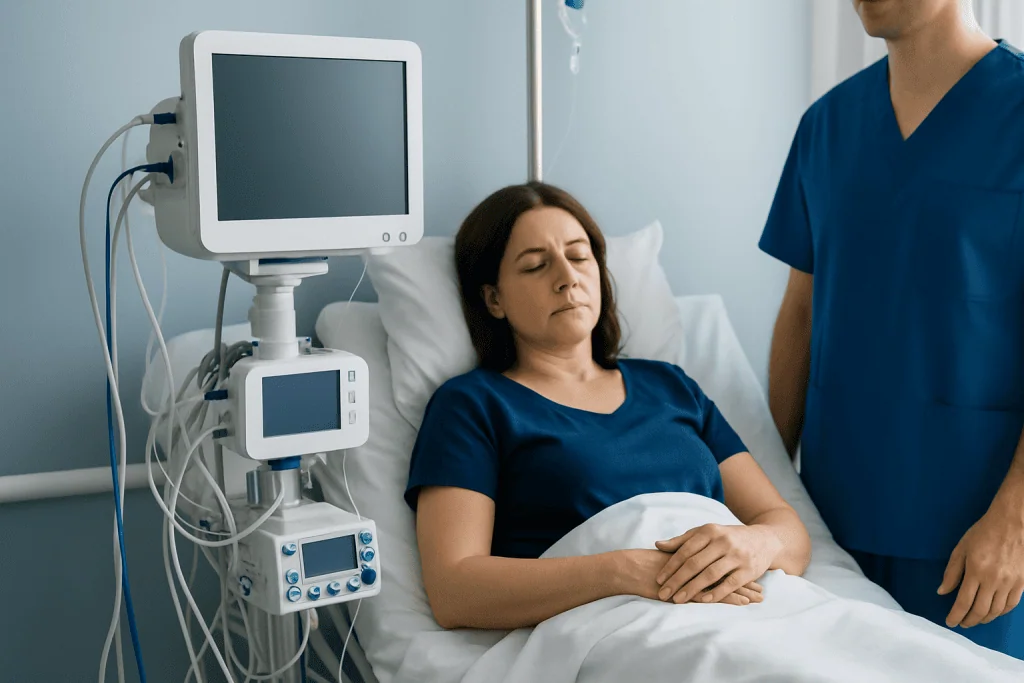
It is common to feel better in some ways while still having symptoms in others. Ongoing tiredness is one of the most frequent concerns. Many people also report headaches, dizziness, sensitivity to light or sound, poor sleep, or a general feeling that their stamina is lower than before the infection.
Cognitive and emotional symptoms can also appear during recovery. These may include slowed thinking, trouble concentrating, short-term memory problems, irritability, anxiety, low mood, or feeling overwhelmed by tasks that used to feel simple. These symptoms can be frustrating, but they are recognized parts of recovery for some patients.
Depending on which part of the nervous system was affected, there may also be physical or sensory changes. Examples include weakness, poor balance, coordination problems, tremor, speech or swallowing difficulty, hearing changes, numbness, vision problems, or seizures. Children may show recovery issues differently, such as behavior change, school difficulties, or delayed developmental progress.
- Fatigue and reduced endurance
- Headaches or dizziness
- Memory, attention, or planning difficulties
- Mood or behavior changes
- Weakness, balance issues, or mobility problems
- Speech, swallowing, hearing, or vision changes
- Seizures in some cases
Why Recovery Can Take Time

A CNS infection does not only involve germs; it also triggers inflammation in delicate nervous system tissue. During the illness, the brain or spinal cord may have been affected by swelling, changes in blood flow, increased pressure, seizures, or immune activity. Even when the infection has been treated, these effects can take time to settle.
Recovery may be slower after severe illness, delayed diagnosis, intensive care admission, or complications such as hydrocephalus, stroke, or prolonged seizures. Older adults, very young children, and people with weakened immune systems may also need closer follow-up because they can be more vulnerable to complications.
It is also important to remember that healing is not always linear. Some days may feel much better than others. Temporary setbacks can happen, especially with stress, poor sleep, overexertion, or returning to activities too quickly. A steady, paced approach often supports better long-term improvement.
Diagnosis and Follow-Up After Treatment
Follow-up after a CNS infection usually begins soon after hospital discharge or completion of acute treatment. Doctors review symptoms, neurological function, medications, and any remaining concerns. They may also ask about sleep, mood, memory, school or work performance, mobility, and independence in daily tasks.
Some people need repeat testing, depending on the original infection and their current symptoms. This can include blood tests, hearing tests, neuropsychological assessment, electroencephalography for seizures, or repeat imaging such as MRI scanning when there is a need to assess healing or investigate new symptoms. In selected cases, follow-up may involve infectious disease, neurology, rehabilitation, psychiatry, or other specialists working together.
The aim of follow-up is not only to look for complications but also to build a recovery plan. That plan may include symptom management, therapy referrals, return-to-work or school guidance, and advice for family members. If symptoms are persistent or complex, a structured rehabilitation program can be especially helpful.
Treatment Options and Rehabilitation
Once the infection itself has been treated, ongoing care focuses on recovery and symptom management. This may involve medications for seizures, headache, sleep problems, mood symptoms, or muscle stiffness, depending on a person’s needs. Doctors review these treatments regularly and adjust them as recovery progresses.
Rehabilitation is often a key part of care. Physical therapy and rehabilitation can help improve strength, balance, endurance, and mobility. Occupational therapy supports daily activities such as dressing, bathing, handwriting, planning tasks, and adapting the home or workplace. Speech and language therapy may help with communication, swallowing, and higher-level cognitive skills.
Cognitive rehabilitation can be useful for memory, attention, problem-solving, and mental stamina. Psychological support is also important, especially for anxiety, low mood, trauma related to hospitalization, or adjustment difficulties. When seizures, ongoing weakness, or imaging changes are present, care may involve neurology care and, less commonly, evaluation by neurosurgery if a structural complication needs treatment.
Near the later stages of recovery, patients and families may also benefit from coordinated multidisciplinary review. At Acibadem International, multidisciplinary specialists in JCI-accredited hospitals diagnose and treat neurological conditions for international patients, including recovery needs after serious CNS infections.
Self-Care, Daily Life, and Prevention of Setbacks
Good self-care can support recovery, although it does not replace medical treatment. Rest is important, but complete inactivity may prolong weakness and deconditioning. Many people do best with a gradual routine that balances activity and recovery periods. Short, regular walks or therapy-guided exercise can be more helpful than doing too much on a good day and feeling worse the next.
Sleep, hydration, regular meals, and taking medicines exactly as prescribed all matter. People with attention or memory difficulties may find it useful to use reminders, calendars, pill organizers, written checklists, and simple daily structure. Reducing alcohol and avoiding recreational drugs are sensible precautions, especially if there is a history of seizures or ongoing neurological symptoms.
Returning to work, school, driving, sports, or travel should be discussed with a doctor. Some people need temporary adjustments such as reduced hours, extra breaks, quieter environments, or gradual return plans. If swallowing is affected, speech and swallowing advice should be followed carefully to lower the risk of choking or chest infections.
- Pace activities and increase them gradually
- Protect sleep and manage stress
- Attend all follow-up appointments
- Use memory aids if concentration is reduced
- Ask about hearing, vision, or school support when needed
- Follow seizure safety advice if applicable
When to See a Doctor Urgently
Some symptoms during recovery need prompt medical attention. A person should seek urgent care if they develop a new fever, worsening severe headache, repeated vomiting, increasing drowsiness, confusion, neck stiffness, a new rash, or a major change in behavior. These symptoms can suggest relapse, a new infection, or another serious complication.
Urgent review is also important for any new seizure, fainting episode, weakness on one side, trouble speaking, worsening balance, new vision loss, or significant breathing or swallowing difficulty. If a child seems unusually sleepy, difficult to wake, not feeding well, or is not behaving normally, medical advice should be sought without delay.
Even when symptoms are not an emergency, patients should contact their doctor if problems are not improving as expected or are interfering with daily life. Early support can make recovery smoother and reduce the impact of long-term symptoms on education, work, relationships, and independence.
Frequently asked questions
How long does it take to recover after a CNS infection?
Recovery time varies widely. Some people improve within weeks, while others need months or longer, especially after severe meningitis, encephalitis, or complications such as seizures. Improvement can continue gradually over time with follow-up and rehabilitation.
Is it normal to feel tired for a long time after the infection is treated?
Yes. Fatigue is one of the most common symptoms after a CNS infection and can persist even when the infection has cleared. Pacing activities, sleeping well, and addressing other symptoms with a doctor can help.
Can memory or concentration problems happen after a CNS infection?
Yes, some people notice difficulty with attention, short-term memory, word-finding, or mental stamina. These changes may improve gradually, and cognitive rehabilitation or neuropsychological support can be useful when symptoms persist.
Will everyone need rehabilitation after a CNS infection?
Not everyone will, but many people benefit from some form of rehabilitation. The need depends on symptoms, such as weakness, balance problems, speech difficulty, swallowing issues, or cognitive changes. A personalized assessment helps guide the right level of support.
Can a person return to work or school after a CNS infection?
Often yes, but the return may need to be gradual. Some people do better with reduced hours, rest breaks, or temporary adjustments while stamina and concentration improve. A doctor or rehabilitation team can help plan a safe return.
What warning signs mean urgent medical attention is needed?
Urgent evaluation is needed for new fever, severe worsening headache, confusion, increasing drowsiness, a seizure, one-sided weakness, trouble speaking, or new vision problems. These symptoms should not be ignored because they can signal a serious complication.
References
- World Health Organization
- Centers for Disease Control and Prevention
- National Institute of Neurological Disorders and Stroke
- National Health Service
- Infectious Diseases Society of America
This article is for general information only and is not a substitute for professional medical advice. Please consult a qualified doctor about your individual situation.
Joint and spine care in Turkey — expert assessment & treatment
JCI-accredited · board-certified surgeons · reply within 24h
Add us as a Preferred Source to see more of our trusted health content across Google Search, AI Overviews and Discover.