

After Effects of Radiotherapy: How It Works, Results and What to Expect

Radiotherapy damages cancer-cell DNA, but nearby healthy tissues can temporarily react as they repair. Fatigue and local skin changes are common short-term effects and may peak shortly after treatment ends.
Key Takeaways
- Radiotherapy damages cancer-cell DNA, but nearby healthy tissues can temporarily react as they repair.
- Fatigue and local skin changes are common short-term effects and may peak shortly after treatment ends.
- Effects depend strongly on the treatment site; bowel, bladder, mouth, swallowing, lung or sexual changes may occur in relevant treatment areas.
- Most people recover gradually over several weeks to months, but late effects require continued attention during follow-up.
- New, severe or rapidly worsening symptoms should be discussed promptly with the oncology team.
The after effects of radiotherapy vary with the body area treated, total dose, treatment schedule and a person’s overall health. Many early effects, such as tiredness or skin irritation, settle in the weeks after treatment, while some changes can occur months or years later and are monitored through follow-up care.
Overview: Understanding the After Effects of Radiotherapy
After effects of radiotherapy are physical or emotional changes that can develop during treatment, soon after it ends, or less commonly months to years later. Radiation therapy is designed to target cancer cells, but normal cells in the treatment field can also be affected. Healthy tissue usually repairs itself more effectively than cancer tissue, which is why many early side effects are temporary.
The experience is highly individual. The type of radiation, dose, number of sessions, treatment area, previous surgery or chemotherapy, and other health conditions all influence recovery. A radiation oncologist plans treatment carefully to protect surrounding organs as much as possible while treating the cancer.
Follow-up appointments remain important even when a person feels well. They allow the oncology team to assess recovery, manage persistent symptoms and identify late effects early. Some symptoms may also be related to the cancer itself, another treatment, infection or an unrelated health condition, so they should not automatically be assumed to be caused by radiation.
How Radiotherapy Works and Why Effects Can Continue
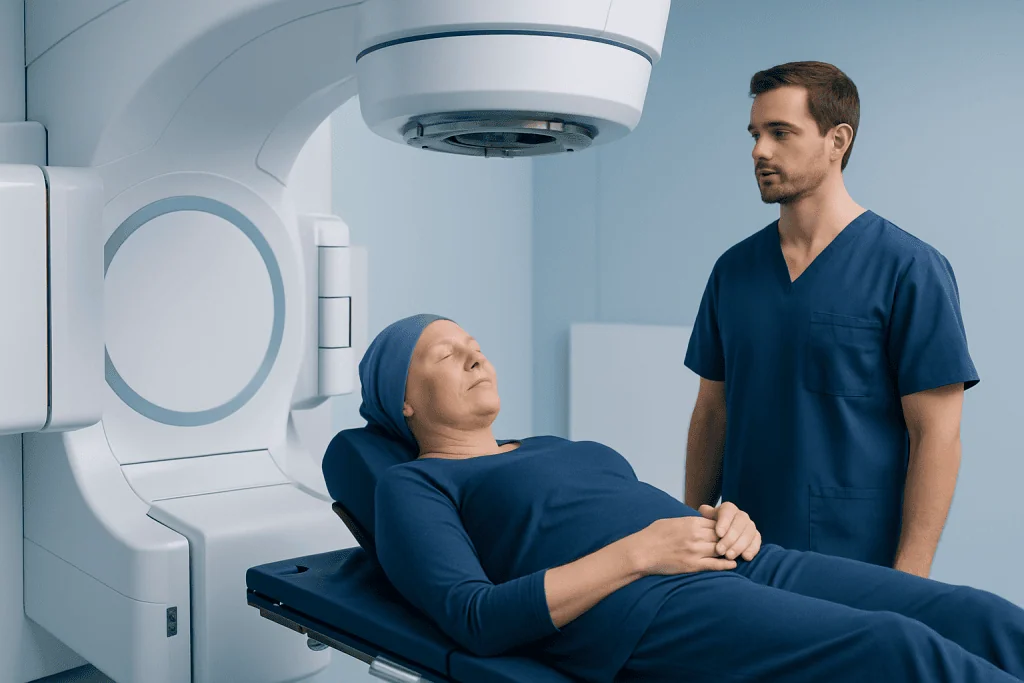
Radiotherapy uses high-energy radiation to damage the DNA inside cells. Cancer cells are often less able to repair this damage and may stop dividing or die over time. Radiation treatment can be given externally by a machine directed at the body, internally through radioactive material placed near a tumour, or systemically in selected situations.
Radiation effects do not stop immediately after the final session. The biological response within cancer cells and normal tissues continues for days or weeks. This is why some acute effects, particularly fatigue and skin reactions, can become most noticeable toward the end of a treatment course or in the first one to two weeks afterward.
Modern planning uses imaging, computer-based dose calculations and precise positioning to shape radiation around the treatment target. Even with these safeguards, healthy tissue close to the target may receive some radiation. The affected tissue determines the type of side effects a person may experience.
Radiotherapy may be used alone or alongside surgery, chemotherapy, immunotherapy or hormone treatment. When treatments are combined, side effects can overlap, and the care team can explain which effects are most likely in an individual situation.
Candidacy and What Happens During Treatment Planning
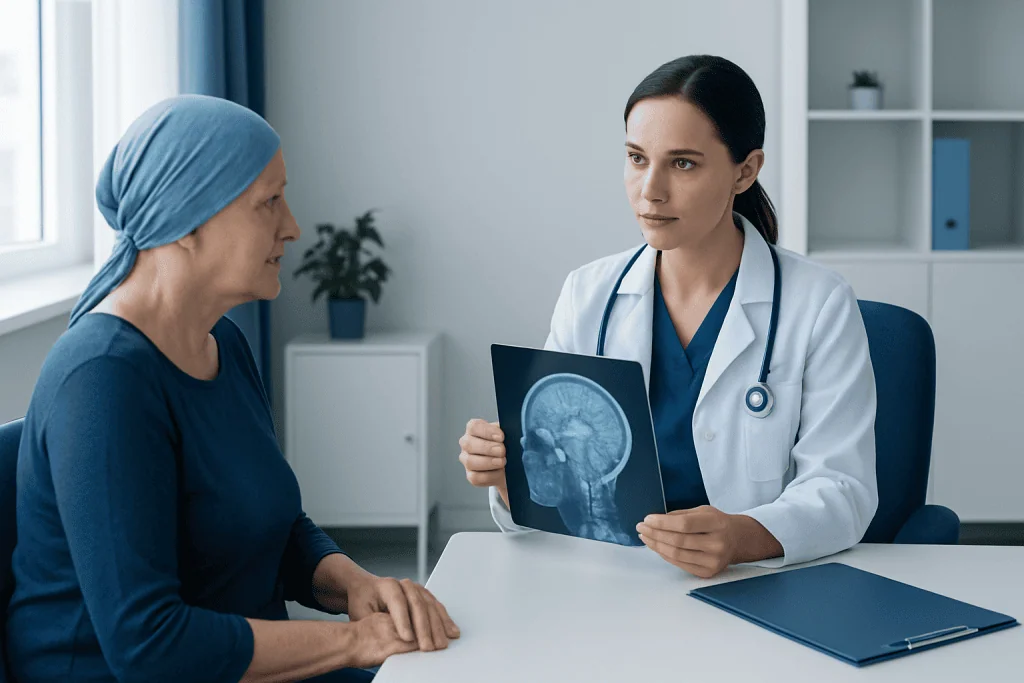
Whether radiotherapy is suitable depends on the cancer type, location, stage, treatment goals and a person’s health and preferences. It may aim to cure cancer, lower the risk of cancer returning after surgery, slow cancer growth, or relieve symptoms such as pain or bleeding. The radiation oncologist discusses expected benefits and possible risks before treatment begins.
Planning commonly starts with a consultation and a simulation appointment. This may include a CT scan in the treatment position, and sometimes MRI or PET imaging is incorporated for more detailed planning. Small skin marks or tiny tattoo dots may be used to support accurate daily positioning. Masks, cushions or body moulds can help a person stay comfortably still.
A multidisciplinary team may include radiation oncologists, medical physicists, dosimetrists, radiation therapists, oncology nurses, surgeons and medical oncologists. The final plan is checked carefully before treatment starts. External-beam sessions are usually painless and brief, although preparation and positioning can take longer than the radiation delivery itself.
People should tell their team about implanted devices, pregnancy or the possibility of pregnancy, prior radiation treatment, medications, supplements and chronic illnesses. This information helps the team plan safely and provide tailored supportive care.
Recovery Timeline and the Hardest Days After Radiation Treatment
What are the hardest days after radiation treatment? For many people, the most difficult period is the final week of treatment and the first one to two weeks after it finishes. Fatigue, skin sensitivity and site-specific symptoms may build gradually because normal tissue reactions continue after the last radiation session. Not everyone has this pattern, and symptoms may be mild or absent for some people.
In general, acute effects begin to improve within a few weeks, though tiredness may last longer. Skin in the treatment area can remain tender, dry, itchy, darker or redder for several weeks. Hair loss occurs only in the area exposed to radiation and may be temporary or permanent depending on the dose and site.
How long does it take your body to recover from radiotherapy? Recovery differs considerably. Many people feel substantially better within four to eight weeks, while energy, appetite and return to usual routines may take several months. Recovery can be slower when radiotherapy is combined with other cancer treatments or when the treatment area affects eating, breathing, bowel function or mobility.
Late effects are less common than early effects but may arise months or years after treatment. These can include tissue firmness, swelling, persistent bowel or bladder changes, nerve symptoms, hormonal changes or effects on fertility, depending on the treated area. Regular survivorship follow-up helps address these concerns promptly.
Common Side Effects, Benefits and Possible Long-Term Risks
The main benefit of radiotherapy is local cancer control. It can destroy cancer cells, reduce the chance of recurrence after other treatment, shrink tumours or ease cancer-related symptoms. The expected benefit should always be weighed against possible side effects in a discussion with the treating oncology team.
Short-term effects are usually limited to the body area treated. Radiation to the head and neck may cause mouth soreness, taste changes, dry mouth or difficulty swallowing. Chest treatment can cause cough or swallowing discomfort. Abdominal or pelvic treatment may lead to nausea, diarrhoea, urinary frequency, bladder irritation or sexual changes. Brain treatment may cause tiredness, headache or temporary hair loss in the treated area.
Skin reactions can range from mild dryness and colour change to more pronounced tenderness or peeling. The care team should assess any blistering, open skin or increasing pain. Fatigue is common and can be influenced by sleep, nutrition, emotional stress, anaemia, medication and the cancer itself.
Long-term risks are specific to the radiation field and are considered during planning. Depending on the site, these may include fibrosis or stiffness, lymphoedema, changes in organ function, infertility, early menopause or sexual difficulties. Rarely, radiation can contribute to a new cancer many years later. The risk is considered alongside the expected benefit of treating the current cancer.
What Should You Not Do After Radiation Therapy?
What should you not do after radiation therapy? A person should not ignore new or worsening symptoms, stop prescribed medicines without medical advice, or use creams, supplements or alternative remedies on the treated area without checking with the oncology team. Some products can irritate sensitive skin or interact with cancer treatment.
It is generally wise to avoid friction, tight clothing and strong heat or cold directly on treated skin. Hot tubs, saunas, heating pads, ice packs, adhesive tapes and vigorous rubbing may worsen irritation. The treated skin should also be protected from direct sunlight, using loose covering clothing and sunscreen when the team advises that it is appropriate.
Smoking can impair healing and may increase treatment-related complications, so stopping is strongly encouraged. Alcohol may worsen mouth, throat, bowel or bladder irritation in some people. A clinician can give practical, individual guidance about alcohol, activity, work, travel and sexual activity based on the treatment site and current symptoms.
Most people benefit from gentle movement, rest breaks, adequate fluids and nutritious meals as tolerated. Family members can safely be close to someone after standard external-beam radiotherapy because the person does not become radioactive. Different precautions may apply after some forms of internal or systemic radiation, and the treating team will provide clear instructions.
What I Wish I Knew Before Radiation and When to Seek Medical Care
What I wish I knew before radiation? Many people find it helpful to know that side effects can build slowly rather than begin on the first day, and that recovery is often gradual rather than immediate after the final session. Keeping a simple symptom record, arranging practical support, discussing work or transport needs early, and asking who to contact outside clinic hours can make treatment feel more manageable.
Before treatment, people can ask which side effects are most likely for their specific treatment area, when they tend to occur, which symptoms are urgent, and how fertility, menopause, sexual health, nutrition or dental care might be affected. Bringing a family member or friend to appointments and writing down questions may help. Emotional responses, including worry, low mood or changes in body image, are also valid reasons to ask for support.
When to seek medical care: The oncology team should be contacted urgently for fever, chills, severe or worsening pain, heavy bleeding, new confusion, severe headache, chest pain, shortness of breath, inability to drink fluids, repeated vomiting, severe diarrhoea, rapidly worsening skin reactions, or new weakness or numbness. A person should also seek advice for symptoms that are persistent, disruptive or different from what the team expected.
Acibadem International’s multidisciplinary specialists and JCI-accredited hospitals support international patients receiving radiotherapy and follow-up care. Individual recovery plans should always be developed with a qualified oncology team that knows the treatment details and the person’s wider health needs.
Frequently asked questions
Are after effects of radiotherapy permanent?
Many early after effects of radiotherapy are temporary and improve as healthy tissue recovers. Some late effects can be long-lasting or permanent, but their likelihood depends on the area treated, radiation dose and individual factors. Ongoing follow-up helps identify and manage persistent changes.
Why am I more tired after radiotherapy has finished?
Fatigue can continue or peak shortly after treatment because the body is still repairing normal tissues. Cancer, disrupted sleep, stress, reduced activity, poor appetite, anaemia and other treatments can also contribute. The care team can assess fatigue that is severe, persistent or suddenly worse.
Can radiotherapy side effects start months after treatment?
Yes. Late effects can appear months or years after radiotherapy, although they are not experienced by everyone. Their nature depends on the treatment field and may involve skin, soft tissue, bowel, bladder, nerves, hormones or sexual function. New symptoms should be discussed with a doctor even if treatment ended some time ago.
Is it safe to be around children after external radiotherapy?
Yes. External-beam radiotherapy does not make a person radioactive, so normal contact with children, family and friends is safe. Some internal or systemic radiation treatments may require temporary precautions. The radiation team will explain these clearly when relevant.
How can a person care for skin after radiation treatment?
Gentle washing, patting rather than rubbing the skin dry, wearing loose clothing and using only team-approved products can help reduce irritation. Protecting the treated area from sun exposure is also important. Any open skin, blistering, drainage or increasing pain should be reported to the oncology team.
Does radiotherapy affect fertility?
Radiotherapy can affect fertility when reproductive organs, the brain or the pelvic area are within or near the treatment field. Effects may be temporary or permanent, depending on the treatment plan. Fertility preservation and reproductive health should be discussed before treatment whenever this is relevant.
References
- National Cancer Institute
- American Cancer Society
- American Society for Radiation Oncology
- Macmillan Cancer Support
- NHS
This article is for general information only and is not a substitute for professional medical advice. Please consult a qualified doctor about your individual situation.
Oncology care in Turkey — second opinion and treatment plan
JCI-accredited · board-certified surgeons · reply within 24h
Add us as a Preferred Source to see more of our trusted health content across Google Search, AI Overviews and Discover.

More from the Health Library


Related Specialists

Prof. Dr. Canan Ayabakan
Pediatric Cardiology
Prof. Dr. Süda Tekin
Infectious Diseases & Clinical Microbiology
Prof. Dr. Mustafa Koray Lenk
Pediatrics
Prof. Dr. Arzu Tatlıpınar
Otorhinolaryngology