Agenesis of the Corpus Callosum: An Evidence-Based Guide for Patients
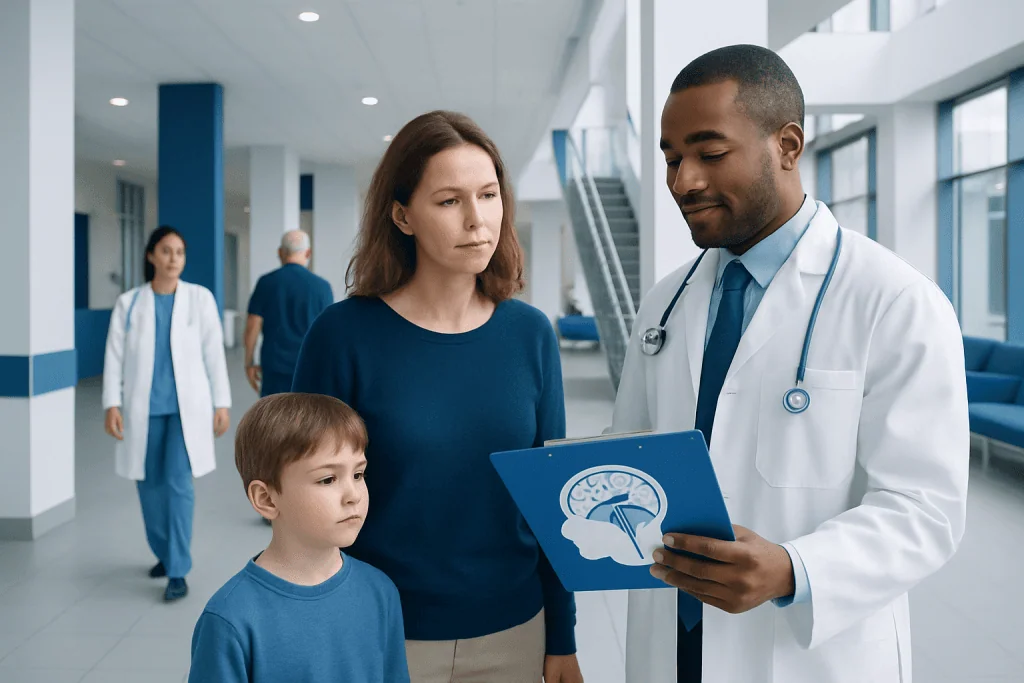
Agenesis of the corpus callosum is present before birth and may be complete or partial. Its effects vary greatly, from no noticeable problems to developmental delays, seizures, or learning difficulties.
Key Takeaways
- Agenesis of the corpus callosum is present before birth and may be complete or partial.
- Its effects vary greatly, from no noticeable problems to developmental delays, seizures, or learning difficulties.
- Diagnosis is usually made with prenatal ultrasound or MRI, or with brain imaging after birth.
- Treatment focuses on the person’s symptoms, development, and daily function rather than replacing the missing structure.
- Early therapies and regular follow-up can improve communication, mobility, learning, and quality of life.
- A specialist review is important when symptoms such as seizures, feeding issues, developmental delay, or regression are present.
Agenesis of the corpus callosum is a congenital brain difference in which the structure connecting the brain’s two hemispheres is partially or completely absent. Some people have few or no symptoms, while others have developmental, learning, movement, or seizure-related concerns that need ongoing medical support.
What Is Agenesis of the Corpus Callosum?
Agenesis of the corpus callosum is a developmental condition in which the corpus callosum does not form fully before birth. The corpus callosum is the large bundle of nerve fibers that helps the right and left sides of the brain share information. When it is absent or only partly formed, the brain often develops alternative pathways, so the effects can range from very mild to more significant.
This condition may be described as complete agenesis, when the corpus callosum is entirely absent, or partial agenesis, when only part of it develops. Doctors may also use related terms such as hypoplasia, meaning the structure is thinner or smaller than expected, or dysgenesis, meaning it formed in an unusual way. These differences matter because they may influence symptoms, associated findings, and long-term support needs.
Agenesis of the corpus callosum can occur on its own or together with other brain or body differences. It may be found during pregnancy, in infancy, in childhood when developmental concerns appear, or even later in life during imaging for another reason. A diagnosis does not automatically predict severe disability; many people have a much better outlook than families first fear, especially when the condition is isolated and early support is available.
How It Can Affect a Person

The effects of agenesis of the corpus callosum are highly individual. Some babies and children meet milestones close to the usual range and mainly need monitoring, while others have delays in motor skills, speech and language, problem-solving, or social communication. Difficulties may become more noticeable as school demands increase and tasks require more planning, abstract thinking, or coordination between different types of information.
Common concerns can include low muscle tone, delays in sitting or walking, trouble with feeding in infancy, challenges with attention, and learning differences. Some people have seizures, visual concerns, sleep difficulties, or problems with balance and coordination. Others may show subtle issues such as difficulty understanding humor, reading social cues, or handling complex multi-step tasks.
Because the presentation is so broad, it is often helpful to think in terms of strengths and support needs rather than assuming a single pattern. Some people with isolated agenesis of the corpus callosum live independently and do well in school or work with the right accommodations. Others benefit from long-term input from neurology, developmental pediatrics, therapy teams, educators, and psychologists.
Causes and Risk Factors
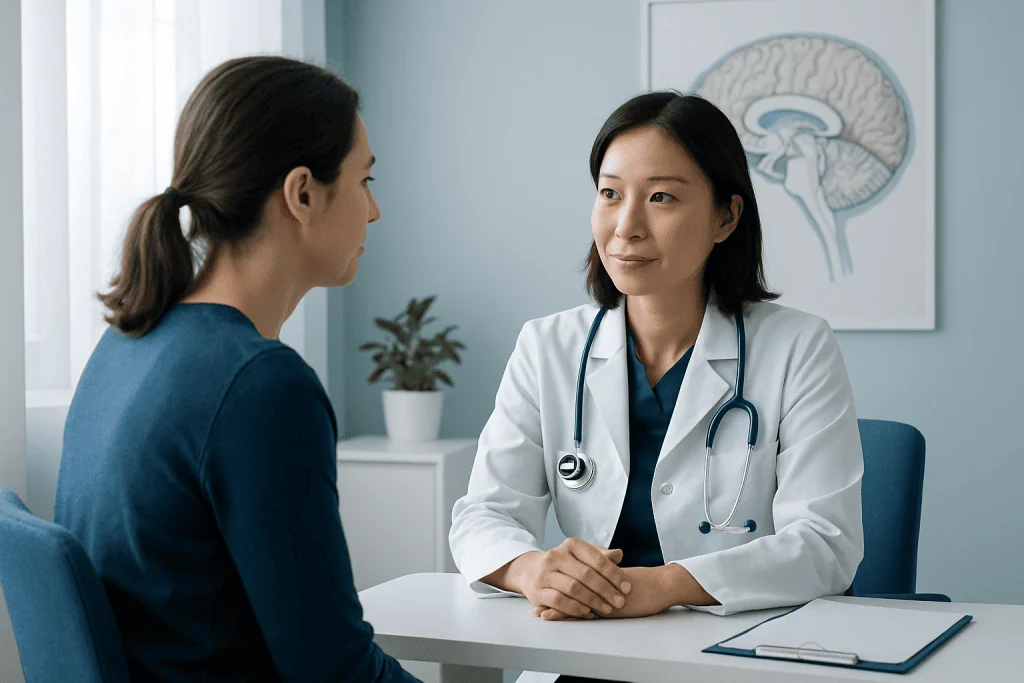
Agenesis of the corpus callosum develops during early fetal brain formation. In many cases, there is no single clear explanation. It can be linked to changes in genes or chromosomes, differences in how the fetal brain develops, or exposure to factors that affect pregnancy. Sometimes it appears as part of a broader syndrome, and sometimes it is isolated, meaning no other major structural abnormality is found.
Possible contributing factors include certain genetic conditions, prenatal infections, or exposure to alcohol or some medications during pregnancy. However, many parents did nothing to cause the condition, and blame is not appropriate. A careful medical evaluation can help clarify whether the finding seems isolated or part of a larger pattern that may affect treatment planning and future family counseling.
When doctors suspect an associated syndrome or inherited cause, genetic testing may be discussed. This can include chromosomal studies or more detailed sequencing tests, depending on the clinical picture. Understanding the cause is not always possible, but when a cause is identified it may help guide prognosis, follow-up, and counseling about recurrence risk in future pregnancies.
How Diagnosis Is Made
Diagnosis may happen before or after birth. During pregnancy, routine ultrasound sometimes suggests a problem with midline brain development, and fetal MRI may be used to look more closely. After birth, cranial ultrasound in a newborn, or more commonly brain MRI, can confirm whether the corpus callosum is absent or partially formed and whether there are other brain differences.
MRI is especially useful because it provides detailed images of brain structures and can help distinguish isolated agenesis from conditions involving additional malformations. Depending on the person’s symptoms, doctors may also recommend hearing and vision assessments, developmental testing, and evaluation for seizures. Some children need an EEG if there are episodes concerning for epilepsy or unusual spells.
The assessment usually goes beyond the scan itself. Clinicians look at development, muscle tone, feeding, behavior, school performance, and family history. If another neurological condition is suspected, the care team may evaluate for related diagnoses such as epilepsy or other developmental brain differences. This broader approach helps families understand not only what the MRI shows, but also what support may be helpful in daily life.
Treatment and Ongoing Care
There is no treatment that can create a missing corpus callosum after birth, so care focuses on the person’s specific symptoms and developmental needs. Some children mainly need observation and regular developmental follow-up. Others benefit from coordinated care that may include neurology, rehabilitation medicine, physiotherapy, occupational therapy, speech and language therapy, psychology, and educational support.
If seizures occur, treatment usually follows standard epilepsy care, which may include medication and ongoing neurological review. When symptoms are significant or imaging raises questions about related structural abnormalities, specialists in neurosurgery may be involved to assess the broader neurological picture, even though surgery is not a routine treatment for agenesis of the corpus callosum itself. Developmental and behavioral supports can be just as important as medical treatment in improving everyday function.
Therapy plans are tailored to age and challenges. Babies may need help with feeding, posture, and early motor development. School-age children may need speech-language support, classroom accommodations, and strategies for executive functioning. If associated conditions are present, such as hydrocephalus or another structural brain problem, treatment also addresses those findings directly and may include advanced MRI evaluation as part of follow-up.
Near the end of the diagnostic journey, some families also seek multidisciplinary review at experienced centers. Acibadem International’s multidisciplinary specialists and JCI-accredited hospitals diagnose and treat neurological conditions for international patients when coordinated specialist care is needed.
Daily Life, Development, and Self-Care
Support at home and in school can make a meaningful difference. Children often do best with predictable routines, simple step-by-step instructions, and extra time to process information. Clear communication between parents, teachers, therapists, and doctors helps ensure that support is consistent across settings.
Helpful strategies may include breaking large tasks into smaller parts, using visual schedules, practicing social situations, and encouraging physical activities suited to the child’s abilities. Adequate sleep, regular meals, and attention to emotional well-being also matter, especially if the child is easily overwhelmed or has attention difficulties. Families should not hesitate to request formal developmental or educational assessments when concerns affect learning.
Self-care for caregivers is important too. A new diagnosis can bring uncertainty, and parents often balance medical appointments with school and family life. Reliable information, early intervention services, and parent support groups can reduce stress and help families focus on practical next steps rather than worst-case assumptions.
- Keep regular follow-up appointments with the child’s care team.
- Track milestones, school concerns, and any unusual episodes such as staring spells or loss of skills.
- Ask about speech, occupational, and physical therapy if development seems delayed.
- Seek emotional and educational support for the whole family.
What the Outlook May Be
The outlook depends largely on whether agenesis of the corpus callosum is isolated or occurs with other brain, genetic, or medical conditions. Isolated cases often have a more favorable developmental course, although subtle challenges with learning, social communication, or higher-level reasoning may still appear later. When additional abnormalities are present, the chance of seizures, intellectual disability, or motor impairment is generally higher.
It is important to remember that brain imaging alone cannot fully predict a person’s abilities. Follow-up over time gives the clearest picture because development unfolds gradually. A child who seems mildly affected in infancy may later need support at school, while another child with early delays may make steady progress with therapy and appropriate accommodations.
Families often ask whether independence is possible. For many individuals, the answer is yes, especially when there are no major associated conditions and support starts early. Rather than focusing only on limitations, clinicians usually emphasize developmental surveillance, practical interventions, and building on strengths over time.
When to Seek Medical Care
Prompt medical review is important if a baby or child has seizures, repeated staring spells, poor feeding, marked floppiness, developmental regression, or a clear delay in milestones. Medical attention is also needed for persistent headaches, vomiting, changes in alertness, or signs of increased pressure in the head, especially if another brain abnormality has been identified. These symptoms do not always mean a serious complication, but they should be evaluated by a qualified doctor.
Parents should also seek advice when learning, behavior, sleep, or social communication difficulties begin to affect daily life or school performance. Early developmental assessment can lead to timely therapies and classroom support. If the diagnosis was made prenatally, follow-up with maternal-fetal medicine, pediatric neurology, and neonatal specialists can help families prepare for birth and the early newborn period.
Urgent care is appropriate for prolonged seizures, trouble breathing, severe lethargy, or sudden loss of previously acquired skills. In less urgent situations, a pediatrician, neurologist, or developmental specialist can guide next steps and arrange imaging, therapy referrals, or genetic counseling as needed.
Frequently asked questions
Is agenesis of the corpus callosum a disability?
It can be, but not always. Some people have minimal effects, while others have developmental, learning, movement, or seizure-related difficulties that qualify as a disability and require support. The impact depends on the individual and on whether other brain or genetic conditions are present.
Can a child with agenesis of the corpus callosum have a normal life?
Many children with isolated agenesis of the corpus callosum do very well, especially with early monitoring and support. Some may need therapies or school accommodations, and others may have more complex needs. Long-term outcome is influenced by associated conditions and the child’s developmental progress over time.
Does agenesis of the corpus callosum always cause seizures?
No. Seizures can occur, but they are not present in every person with this condition. If unusual spells, staring episodes, or convulsions occur, a doctor may recommend neurological evaluation and sometimes an EEG.
Can agenesis of the corpus callosum be seen during pregnancy?
Yes, it is sometimes detected on prenatal ultrasound and evaluated further with fetal MRI. In some cases, the diagnosis becomes clear only after birth when a baby has imaging for another reason or develops symptoms. Prenatal detection helps families plan specialist follow-up and delivery care.
Is there a cure for agenesis of the corpus callosum?
There is no way to replace a corpus callosum that did not form before birth. Treatment focuses on symptoms, development, learning, and quality of life. Therapies, educational support, and specialist follow-up can make a meaningful difference.
Should families consider genetic testing?
Genetic testing may be useful, especially if there are other congenital differences, developmental concerns, or a family history suggesting an inherited condition. Not every person needs the same tests, so the decision is usually guided by a neurologist, geneticist, or pediatric specialist. Results can help with prognosis and family counseling, but sometimes no clear cause is found.
References
- National Institute of Neurological Disorders and Stroke
- Centers for Disease Control and Prevention
- American Academy of Pediatrics
- National Organization for Rare Disorders
- Radiological Society of North America
This article is for general information only and is not a substitute for professional medical advice. Please consult a qualified doctor about your individual situation.
Explore treatments in Turkey — costs, top hospitals & a free quote
JCI-accredited · board-certified surgeons · reply within 24h
Add us as a Preferred Source to see more of our trusted health content across Google Search, AI Overviews and Discover.

More from the Health Library

Related Specialists
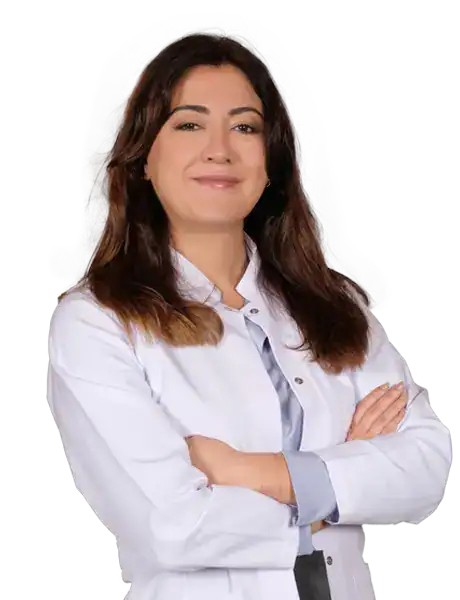
Fzt. Munise Nilay Güven
Physical Medicine & Rehabilitation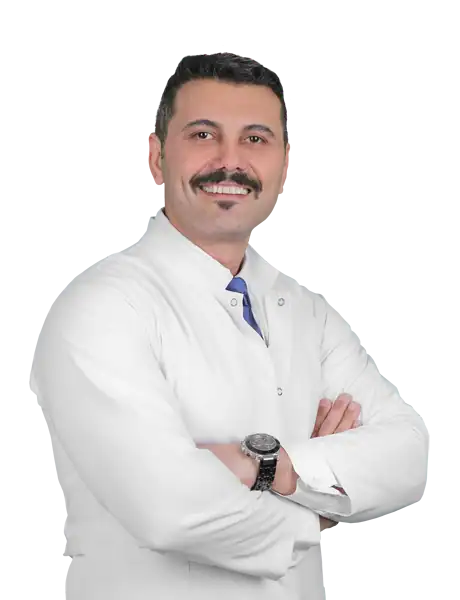
Dr. Volkan Ertuğrul
Anesthesiology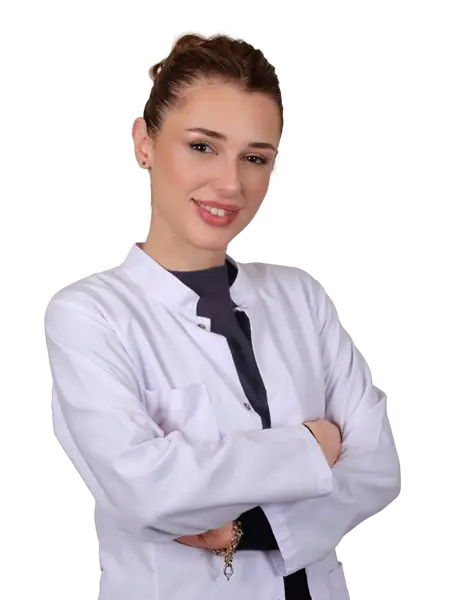
Dr. Ecem Ertürk
Dermatology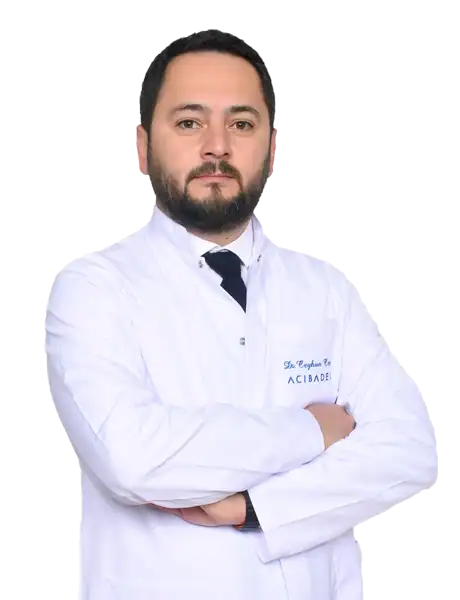
Ceyhun Cesur
Aesthetic Plastic & Reconstructive Surgery