Alcohol: An Evidence-Based Guide for Patients

Alcohol is a depressant that affects judgment, coordination, sleep, mood, and many organs, especially the liver, heart, and brain. Risk is not only about the total amount consumed; binge drinking, mixing alcohol with medicines, and drinking during pregnancy are especially harmful.
Key Takeaways
- Alcohol is a depressant that affects judgment, coordination, sleep, mood, and many organs, especially the liver, heart, and brain.
- Risk is not only about the total amount consumed; binge drinking, mixing alcohol with medicines, and drinking during pregnancy are especially harmful.
- Alcohol use disorder is a medical condition, not a lack of willpower, and effective treatments are available.
- Stopping heavy long-term alcohol use suddenly can be dangerous because withdrawal may become severe.
- Medical advice is important for symptoms such as blackouts, vomiting blood, confusion, jaundice, seizures, or signs of withdrawal.
Alcohol is a widely used substance that can affect nearly every organ system, with short-term and long-term risks that depend on how much, how often, and in what context a person drinks. This evidence-based guide explains what alcohol does in the body, when drinking becomes harmful, and when medical care is important.
Overview: what alcohol does and why it matters
Alcohol is a psychoactive substance that slows activity in the central nervous system. In practical terms, this means it can change thinking, reaction time, balance, mood, and behavior even at relatively low amounts. The effects may feel relaxing at first, but alcohol can also impair judgment and coordination, making driving, swimming, operating machinery, and other daily activities unsafe.
Its impact depends on several factors, including body size, sex, age, genetics, how quickly it is consumed, whether food has been eaten, and whether other medicines or drugs are involved. A person may feel only mildly affected while their concentration, reflexes, and decision-making are already reduced. Because of this, alcohol-related harm is not limited to people with severe dependence; occasional heavy drinking can also cause injuries, accidents, and medical complications.
Over time, alcohol can affect many organs, including the liver, pancreas, heart, digestive tract, and brain. It may worsen anxiety, depression, insomnia, and high blood pressure, and it can interfere with immune function and nutrition. For some people, repeated drinking leads to tolerance, cravings, loss of control, and alcohol use disorder, a treatable medical condition.
Short-term effects and common symptoms
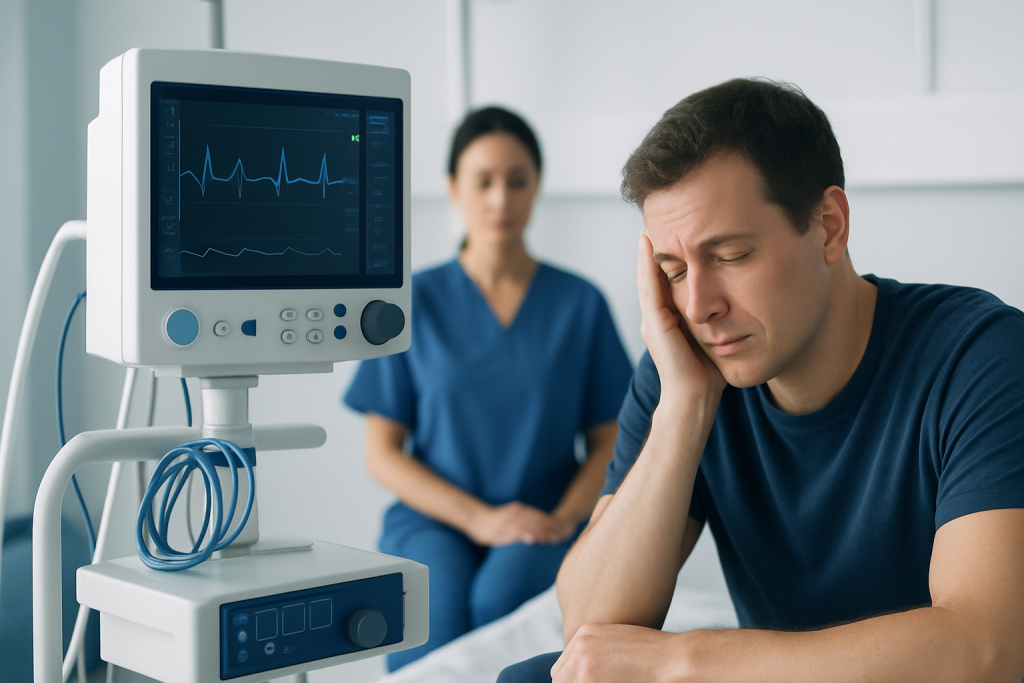
Short-term effects often appear within minutes to hours after drinking. Common symptoms include relaxation, lowered inhibitions, flushing, slurred speech, poor coordination, slowed reaction time, and reduced attention. As intake increases, a person may develop nausea, vomiting, dizziness, confusion, memory gaps or blackouts, and unsteady walking. These changes raise the risk of falls, burns, crashes, and other injuries.
Alcohol also affects sleep. Although it may make some people feel sleepy at first, it tends to disrupt normal sleep structure, leading to lighter, more fragmented sleep later in the night. The next day, this can cause fatigue, poor concentration, headache, thirst, and stomach upset. In some people, alcohol can trigger low mood, irritability, or panic symptoms rather than relaxation.
High amounts can cause alcohol poisoning, an emergency in which breathing, heart rate, and consciousness may be dangerously affected. Warning signs include severe confusion, repeated vomiting, seizures, blue-tinged or pale skin, slow or irregular breathing, and being difficult to wake. A person with these symptoms needs urgent medical help.
Long-term health effects

Regular heavy drinking can harm the body gradually, sometimes with few obvious symptoms at first. The liver is especially vulnerable because it processes most of the alcohol a person drinks. Over time, fat may build up in the liver, inflammation can develop, and scarring may occur. This spectrum includes fatty liver and more advanced alcohol-related liver disease, which may lead to jaundice, abdominal swelling, easy bruising, and serious complications.
Alcohol can also inflame the pancreas, raising the risk of pancreatitis, a painful and potentially serious condition. Long-term use may contribute to gastritis, reflux, ulcers, poor absorption of nutrients, and vitamin deficiencies. In the brain and nervous system, it may impair memory, attention, balance, and mood, especially when associated with poor nutrition.
Beyond the digestive system, alcohol can increase blood pressure and may contribute to heart rhythm problems and cardiomyopathy in some people. It is also linked with a higher risk of several cancers, including cancers of the mouth, throat, esophagus, liver, breast, and colon. These risks tend to rise as intake increases, but the exact risk varies from person to person and with drinking pattern.
Who is at higher risk and when alcohol is especially unsafe
Some groups face higher risk from alcohol even at lower amounts. Older adults may be more sensitive because of age-related changes in body composition, balance, and medication use. People with liver disease, pancreatitis, ulcers, epilepsy, sleep disorders, depression, anxiety, or certain heart conditions may find that alcohol worsens symptoms or treatment control.
Alcohol is especially unsafe during pregnancy because it can affect fetal development. It should also be avoided before driving, during work that requires attention or coordination, and when supervising children in risky settings such as bathing or swimming. Mixing alcohol with sedatives, sleeping tablets, opioid pain medicines, some antihistamines, or recreational drugs can dangerously increase drowsiness and breathing problems.
Pattern matters as much as quantity. Binge drinking exposes the body to a high level of alcohol in a short time and raises the risk of injury, poisoning, irregular heart rhythm, and unsafe decisions. A family history of substance use disorder, early age of first use, trauma, chronic stress, and mental health conditions may also increase the chance of problematic drinking.
How doctors assess alcohol-related problems
Assessment starts with a respectful conversation about drinking patterns, symptoms, medicines, and overall health. A clinician may ask how often a person drinks, how much they usually consume, whether they binge drink, whether they have had blackouts or injuries, and whether they have tried to cut down. This history helps distinguish lower-risk use from harmful use, dependence, withdrawal risk, and organ-related complications.
Physical examination and laboratory tests may be used when there are concerns about liver function, anemia, nutrition, pancreatic irritation, blood pressure, or other alcohol-related effects. Depending on symptoms, doctors may order liver blood tests, a complete blood count, electrolyte levels, or imaging studies. If long-term liver damage is suspected, an ultrasound or MRI imaging study may be recommended in selected cases.
Because alcohol can affect several organs at once, care may involve more than one specialist. For example, persistent abdominal pain, vomiting, unexplained weight loss, or abnormal liver tests may lead to evaluation by gastroenterology, while depression, anxiety, or compulsive use may need mental health support. The goal is not simply to label drinking as “good” or “bad,” but to understand risk and guide safer, personalized care.
Treatment options and support for cutting down or stopping
Treatment depends on the person’s drinking pattern, symptoms, and medical needs. For some, the first step is brief medical counseling focused on reducing intake, avoiding high-risk situations, and setting realistic goals. Others benefit from structured treatment for alcohol use disorder, which may include psychotherapy, family support, peer support groups, and medicines prescribed by a qualified doctor to reduce cravings or support abstinence.
Withdrawal deserves special attention. A person who has been drinking heavily for a long time should not assume they can stop suddenly without medical advice. Withdrawal can begin within hours and may include tremor, sweating, nausea, anxiety, insomnia, a fast heartbeat, and raised blood pressure. In severe cases, hallucinations, seizures, or delirium can occur. Medically supervised alcohol detoxification may be the safest option for people at moderate or high risk.
If alcohol has already affected physical health, treatment may also include care for specific complications. This can involve nutritional support, management of liver disease, treatment of pancreatitis, blood pressure control, and support for coexisting anxiety or depression. In advanced cases, a hospital team may coordinate gastroenterology care and other specialty treatment. Near the end of the care pathway, some patients may also need psychiatric evaluation and support to address underlying mental health conditions that contribute to drinking.
Prevention and self-care: practical ways to lower harm
For people who choose to drink, safer habits can reduce risk. Eating before and while drinking may slow absorption, and alternating alcoholic drinks with water can help reduce dehydration. It is wise to avoid drinking games, rapid drinking, and mixing alcohol with energy drinks, which may mask intoxication without reducing impairment. Planning transportation in advance and keeping alcohol away from children are also important safety steps.
Self-monitoring can be helpful. Keeping track of how often and how much a person drinks may reveal patterns they had not noticed, such as weekend binges, stress-related drinking, or difficulty stopping once they start. Warning signs that suggest a need to cut back include needing more alcohol for the same effect, drinking to relieve stress or sleep, feeling guilty about drinking, or hearing concern from family and friends.
Healthy substitutes matter. Sleep routines, regular meals, exercise, stress management, and social activities that do not center on alcohol can make change easier. If cutting down feels difficult, medical support is appropriate and effective. At Acibadem International, multidisciplinary specialists in JCI-accredited hospitals evaluate alcohol-related health concerns and provide treatment for international patients when needed.
When to seek medical care
Medical care is important if a person develops repeated blackouts, injuries related to drinking, vomiting blood, severe abdominal pain, yellowing of the eyes or skin, unexplained weight loss, frequent falls, or worsening depression or anxiety. A clinician should also be consulted if drinking is affecting work, relationships, sleep, blood pressure, diabetes control, or other ongoing health problems.
Urgent care is needed for signs of alcohol poisoning or severe withdrawal. Emergency warning signs include being difficult to wake, seizures, confusion, hallucinations, blue lips, slow or irregular breathing, chest pain, or severe vomiting with dehydration. If there is any concern that someone may stop breathing or cannot be kept safe, emergency services should be contacted immediately.
A person who drinks heavily every day, has had withdrawal before, or has liver disease, epilepsy, or serious medical conditions should speak to a doctor before trying to stop alcohol suddenly. A supervised plan can reduce the risk of complications and improve the chance of successful recovery.
Frequently asked questions
Is any amount of alcohol safe?
Risk from alcohol is not the same for every person. Some people should avoid it completely, including those who are pregnant, taking certain medicines, living with specific medical conditions, or planning to drive. For others, lower intake generally carries less risk than higher intake, but no advice can remove all risk.
What is the difference between drinking heavily and having alcohol use disorder?
Heavy drinking describes a pattern or amount of use, while alcohol use disorder is a medical diagnosis based on symptoms such as cravings, loss of control, continued use despite harm, and withdrawal. A person can drink heavily without meeting full criteria for the disorder, but heavy use increases the chance of developing it. A doctor or mental health professional can assess this properly.
Can alcohol affect sleep even if it helps someone fall asleep?
Yes. Alcohol may shorten the time it takes to fall asleep, but it often disrupts sleep later in the night and reduces sleep quality. Many people wake more often, snore more, or feel less rested the next day.
Why is stopping alcohol suddenly sometimes dangerous?
In people who drink heavily and regularly, the body can adapt to alcohol. When alcohol is stopped abruptly, the nervous system may become overactive, causing withdrawal symptoms such as tremor, sweating, anxiety, and insomnia. In severe cases, seizures or delirium can occur, so medical advice is important before stopping suddenly.
How can someone tell if alcohol is harming their health?
Possible clues include blackouts, frequent hangovers, stomach problems, rising blood pressure, poor sleep, mood changes, relationship strain, or abnormal liver tests. Sometimes the harm is subtle and discovered only during routine medical care. If there is concern, a clinician can assess symptoms, drinking pattern, and organ health.
Can medications be used to help reduce drinking?
Yes, for some people medications can support treatment by reducing cravings or helping maintain abstinence. They are usually most effective when combined with counseling and follow-up care. A qualified doctor can decide whether medication is appropriate based on medical history and goals.
This article is for general information only and is not a substitute for professional medical advice. Please consult a qualified doctor about your individual situation.
Explore treatments in Turkey — costs, top hospitals & a free quote
JCI-accredited · board-certified surgeons · reply within 24h
Add us as a Preferred Source to see more of our trusted health content across Google Search, AI Overviews and Discover.
Check your numbers in seconds
BMI, calories, due date, blood pressure and 30+ more clinical calculators — free, instant, doctor-reviewed ranges.

More from the Health Library

Smell in Virginia: An Evidence-Based Guide for Patients

Paleo Snacks — Explained by Medical Evidence, Not Myths

Claustrophobic — Explained by Medical Evidence, Not Myths

Kate Middleton Health: A Complete Medical Overview

Health Services — Explained by Medical Evidence, Not Myths