Smell in Virginia: An Evidence-Based Guide for Patients

Changes in smell can include reduced smell, complete loss of smell, or distorted smells that are hard to describe. Common causes include colds, sinus inflammation, allergies, nasal polyps, head injury, and some neurological conditions.
Key Takeaways
- Changes in smell can include reduced smell, complete loss of smell, or distorted smells that are hard to describe.
- Common causes include colds, sinus inflammation, allergies, nasal polyps, head injury, and some neurological conditions.
- Diagnosis usually starts with a symptom history and an examination of the nose and sinuses, and may include smell testing or imaging.
- Treatment depends on the cause and may involve treating nasal disease, reviewing medicines, or smell training.
- Prompt medical assessment is important for sudden smell loss, head trauma, or symptoms that do not improve.
Smell in Virginia most often refers to concerns about the sense of smell, such as reduced smell, loss of smell, or unpleasant distorted odors. These symptoms are common, often treatable, and worth medical evaluation when they are persistent, sudden, or associated with other nasal or neurological symptoms.
Understanding smell changes
Smell in Virginia is often a search for help with a changed sense of smell rather than a single disease. In medical terms, this may include anosmia (complete loss of smell), hyposmia (reduced smell), or parosmia and phantosmia (distorted or phantom smells). For many people, the symptom is frustrating because it affects appetite, enjoyment of food, memory, and everyday safety.
The sense of smell depends on several parts of the body working together. Air must carry odor molecules into the nose, smell receptors in the nasal lining must detect them, and nerves and brain pathways must process them correctly. A problem anywhere along this pathway can change how smells are noticed or interpreted.
Smell changes are not always permanent. A blocked nose from a cold may improve quickly, while inflammation, polyps, or nerve injury may take longer to recover. Because smell loss can also occur with broader ENT or neurological conditions, a careful assessment can help identify the cause and guide treatment.
How smell problems can feel in daily life
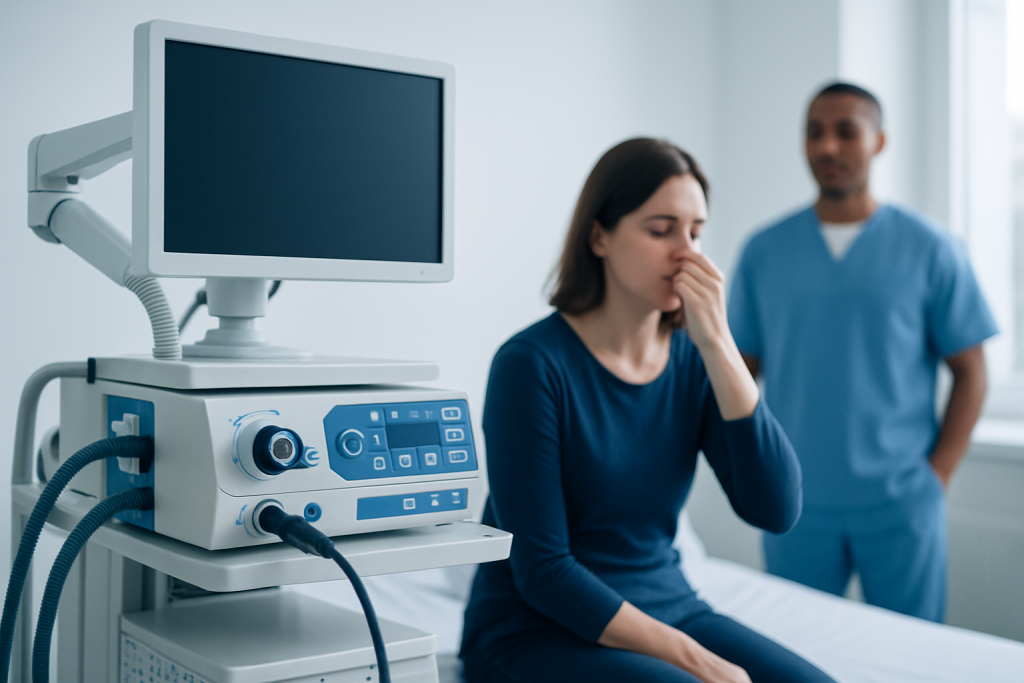
People describe smell disorders in different ways. Some notice that food has less flavor, even though the tongue can still detect sweet, salty, sour, bitter, and umami tastes. Others say familiar scents such as coffee, perfume, or soap seem faint, absent, or unpleasantly altered.
Distorted smell can be especially troubling. A once-pleasant smell may seem burnt, chemical, metallic, or rotten. Some people notice odors that are not present at all. These experiences can interfere with eating, mood, work, and social interactions, even when the person otherwise feels well.
Loss of smell also has practical consequences. It may make it harder to detect smoke, spoiled food, leaking gas, or strong household chemicals. For this reason, smell disorders deserve attention even when they seem minor or begin gradually.
- Reduced ability to notice food aromas
- Little or no smell from daily scents
- Smells seeming “wrong” or unpleasant
- A phantom odor without an obvious source
- Less enjoyment of meals or reduced appetite
Common causes and risk factors

The most common causes of smell changes are conditions inside the nose and sinuses. A cold, influenza, COVID-19, allergies, chronic sinus inflammation, or nasal polyps can block odor molecules from reaching smell receptors. Structural issues such as a deviated septum may also contribute in some cases. When symptoms include congestion, postnasal drip, facial pressure, or repeated sinus infections, nasal disease becomes more likely.
Smell changes may also happen after viral infections even when the nose no longer feels blocked. In these situations, inflammation or temporary injury to smell receptors and related nerve pathways may be involved. Head injury is another important cause, especially if smell loss begins after a fall, sports injury, or vehicle accident.
Less commonly, smell disorders are linked to medication effects, smoking, toxin exposure, aging, or neurological disease. Conditions affecting the brain and nerves can sometimes change smell before other symptoms become obvious. Depending on the full picture, a doctor may evaluate for ENT problems such as sinusitis or for nasal growths such as nasal polyps.
How doctors diagnose the cause
Diagnosis begins with a detailed history. A clinician will usually ask when the smell change began, whether it was sudden or gradual, whether there was a recent infection or injury, and whether symptoms such as congestion, facial pain, headaches, or changes in taste are also present. The pattern of symptoms often gives important clues.
An examination of the nose, throat, and ears may identify swelling, discharge, polyps, or structural problems. In ENT practice, nasal endoscopy may be used to look more closely inside the nasal passages. This can help show whether airflow is blocked or whether inflammation is affecting the area where smell receptors are located.
Some patients may benefit from formal smell testing, which measures the ability to identify or detect specific odors. If the cause remains unclear, doctors may consider imaging such as CT or MRI, especially when there is concern about chronic sinus disease, head trauma, or neurological conditions. If broader assessment is needed, tools such as MRI imaging or CT scanning may help clarify the diagnosis.
Treatment options for smell disorders
Treatment depends on the underlying cause. When nasal blockage or inflammation is responsible, care often focuses on improving airflow and reducing swelling. This may include medical treatment for allergies or sinus inflammation, saline irrigation, or management of chronic ENT conditions under medical guidance. If smell change is linked to a recent infection, recovery may happen gradually over weeks or months.
Smell training is a well-recognized option for some patients, especially after viral smell loss. This approach involves repeated, structured exposure to a set of familiar scents over time to support recovery. It is simple and noninvasive, but progress can be gradual, so consistency matters.
When structural problems or persistent sinus disease are contributing, specialist treatment may be recommended. In selected cases, management of chronic nasal or sinus problems may include procedures such as endoscopic sinus surgery. If there are signs of broader neurological disease, referral to a neurologist may be appropriate. Near the end of the evaluation pathway, some international patients choose centers such as Acibadem International, where multidisciplinary specialists in JCI-accredited hospitals assess and treat smell-related ENT and neurological conditions.
What patients can do at home
Self-care does not replace medical advice, but it can support comfort and safety while evaluation is underway. Gentle saline rinses may help some people with nasal irritation or mucus. Avoiding cigarette smoke and other strong irritants can also reduce further stress on the nasal lining.
Daily safety measures are important when smell is reduced. It helps to check expiration dates carefully, label leftovers, and make sure smoke and gas detectors are functioning properly. Paying attention to food texture, color, and temperature can make meals more enjoyable even when aroma is limited.
Patients should be cautious with over-the-counter products marketed for sinus or smell problems, especially if they contain ingredients that may cause rebound congestion or irritation with prolonged use. Before starting supplements, sprays, or alternative remedies, it is sensible to ask a qualified doctor whether they are appropriate.
When to seek medical care
Medical care is worth seeking if smell loss is sudden, lasts more than a few weeks, or is getting worse. Assessment is also important when smell changes come with significant nasal obstruction, repeated sinus infections, facial pain, bleeding from the nose, or unexplained weight loss due to poor appetite.
Prompt evaluation is especially important after a head injury, when smell change is accompanied by severe headache, confusion, weakness, seizures, or other neurological symptoms. These situations may need urgent assessment rather than routine follow-up.
Even when symptoms seem mild, persistent smell problems can affect nutrition, safety, and quality of life. A primary care doctor or ENT specialist can help determine whether the cause is temporary and reversible or whether further testing is needed.
Frequently asked questions
Is a loss of smell the same as a loss of taste?
Not exactly. Many people think they have lost taste when the main problem is reduced smell, because aroma contributes strongly to flavor. The tongue still senses basic tastes, but food may seem bland without normal smell.
Can smell return after a viral infection?
Yes, it often can. Recovery may happen gradually over weeks or months, depending on how the nasal lining and smell pathways heal. If improvement is slow, a doctor may discuss smell training and evaluate for other contributing factors.
What causes distorted smells?
Distorted smells can happen when smell receptors or the brain's processing of odors is recovering or functioning abnormally. They are commonly reported after viral infections, but they can also occur with nasal inflammation or other conditions. A medical assessment can help clarify the cause.
Should a blocked nose always be blamed for smell loss?
No. Nasal blockage is a common cause, but smell can also change after infections, head injury, medication effects, or neurological illness. That is why persistent or unexplained symptoms should be evaluated rather than assumed to be simple congestion.
When is sudden smell loss an urgent issue?
Sudden smell loss deserves prompt medical advice, especially after head trauma or when it appears with weakness, confusion, severe headache, or other neurological symptoms. It may also need timely evaluation if there are severe sinus symptoms or nosebleeds. Urgency depends on the full clinical picture.
Can smell training help everyone?
Smell training may help some people, particularly after post-viral smell loss, but it does not work equally well for every cause. Its benefit depends on the underlying problem and how long symptoms have been present. A doctor can advise whether it is a reasonable option.
References
- National Institute on Deafness and Other Communication Disorders
- American Academy of Otolaryngology–Head and Neck Surgery
- Centers for Disease Control and Prevention
- Mayo Clinic
- National Health Service
This article is for general information only and is not a substitute for professional medical advice. Please consult a qualified doctor about your individual situation.
Explore treatments in Turkey — costs, top hospitals & a free quote
JCI-accredited · board-certified surgeons · reply within 24h
Add us as a Preferred Source to see more of our trusted health content across Google Search, AI Overviews and Discover.

More from the Health Library

Tired Lack of Energy Weight Gain — Explained by Medical Evidence, Not Myths

Brain Freeze — Explained by Medical Evidence, Not Myths

Blue Poop: A Complete Medical Overview

Tricaprin: What Patients Need to Know

Sclerotherapy — Explained by Medical Evidence, Not Myths