Aloe Vera for Hair — Explained by Medical Evidence, Not Myths
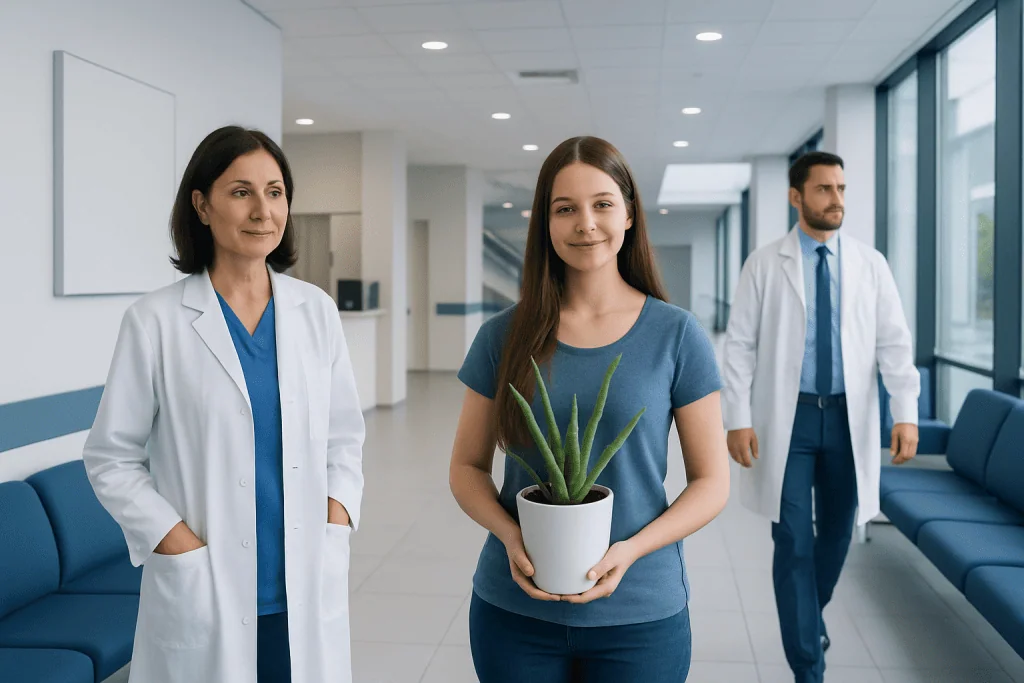
Aloe vera may soothe and moisturize the scalp and help reduce hair shaft dryness. Current evidence for aloe vera as a hair growth treatment is limited.
Key Takeaways
- Aloe vera may soothe and moisturize the scalp and help reduce hair shaft dryness.
- Current evidence for aloe vera as a hair growth treatment is limited.
- It does not treat common medical causes of hair loss such as androgenetic alopecia, iron deficiency, or thyroid disease.
- Patch testing is important because natural products can still cause irritation or allergy.
- Persistent shedding, scalp inflammation, patchy hair loss, or scarring changes should be evaluated by a doctor.
Aloe vera for hair can support scalp comfort and hair conditioning, but medical evidence does not show that it reliably regrows hair or treats most causes of hair loss. It may be a helpful supportive care option for some people, as long as expectations are realistic and scalp irritation or ongoing shedding is medically assessed.
Overview: what medical evidence says about aloe vera for hair
Aloe vera for hair is often promoted as a natural way to improve scalp health, reduce dandruff, and stimulate growth. The most evidence-based answer is more modest: aloe vera may help moisturize the scalp and hair shaft and may soothe mild irritation in some people, but strong clinical proof that it makes hair grow faster or reverses hair loss is lacking.
Aloe vera gel contains water, sugars, amino acids, and other plant compounds that can have humectant and soothing effects on skin. Because the scalp is skin, these properties may make hair feel softer and the scalp feel more comfortable. That is different, however, from treating medically important causes of hair thinning, which often involve hormones, genetics, inflammation, nutrition, or illness.
In practical terms, aloe vera may be reasonable as a supportive scalp-care product if it is well tolerated. It should be viewed as an adjunct rather than a proven treatment for conditions such as pattern hair loss, sudden shedding, or inflammatory scalp disease.
How aloe vera may help the scalp and hair

The most plausible benefits of aloe vera are related to hydration, scalp comfort, and hair manageability. Aloe vera gel can act as a light moisturizer and may temporarily smooth the hair surface, which can reduce the feeling of dryness and improve the appearance of frizz or roughness. For people with a dry or mildly irritated scalp, this can make routine hair care more comfortable.
Aloe vera also has anti-inflammatory and antioxidant properties in laboratory research. These findings help explain why it is used in skin care, but lab effects do not automatically mean a strong clinical benefit for hair growth in real people. The scalp environment is complex, and many hair concerns have causes that a topical soothing product cannot correct.
Some people also use aloe vera when they have flakes or itch. If symptoms are due to mild dryness or product buildup, gentle cleansing plus aloe vera may feel helpful. If the true cause is seborrheic dermatitis, psoriasis, eczema, fungal infection, or another scalp disorder, targeted medical treatment is usually more effective.
- Possible supportive benefits: scalp hydration, temporary softness, reduced hair shaft dryness, comfort for mild irritation
- Less certain benefits: dandruff control, reduced shedding, improved hair density
- Not established: reliable hair regrowth or reversal of common hair-loss disorders
Can aloe vera make hair grow?

At present, there is not enough high-quality clinical evidence to say that aloe vera reliably promotes hair growth. Many claims come from traditional use, personal testimonials, or laboratory observations rather than large controlled human studies. This matters because hair growth is slow, cyclical, and affected by many variables, making simple cause-and-effect claims unreliable.
Hair loss is a symptom, not a single disease. A person may lose hair because of genetics, hormonal changes, tight hairstyles, inflammation, stress, nutritional deficiencies, medications, recent illness, or autoimmune conditions. A soothing gel cannot be expected to address all of these mechanisms.
For example, androgenetic alopecia, commonly called pattern hair loss, has a strong genetic and hormonal basis and usually needs evidence-based assessment and management. Likewise, shedding after illness or stress can reflect telogen effluvium, while patchy loss may raise concern for alopecia areata. In these settings, self-treatment alone can delay correct care. People concerned about significant hair loss may benefit from evaluation for hair loss and related scalp conditions.
What myths to avoid
One common myth is that because aloe vera is natural, it must be safe for everyone and automatically effective. In reality, natural products can still irritate the skin, trigger allergic contact dermatitis, or interact with a sensitive scalp barrier. A patch test is sensible before regular use, especially in people with eczema, fragrance sensitivity, or a history of reactions to plants or cosmetics.
Another myth is that aloe vera can unclog follicles and therefore restore growth. Hair follicles are living mini-organs affected by immune signals, hormones, blood supply, and the hair cycle. While cleansing and scalp comfort matter, there is no good evidence that aloe vera alone can reopen dormant follicles in a clinically meaningful way.
A third myth is that any improvement after aloe vera proves it is treating the underlying problem. Hair often looks better when it is better conditioned, less tangled, and less prone to breakage. That cosmetic improvement can be useful, but it should not be mistaken for reversal of medical hair loss.
Best way to use aloe vera for hair and scalp
If a person wants to try aloe vera for hair, the safest approach is simple and conservative. A small amount of plain aloe vera gel or a scalp product containing aloe vera can be applied to a small patch of skin first and observed for one to two days. If there is no redness, burning, rash, or itching, it can then be used more widely on the scalp or along the hair lengths.
For scalp comfort, aloe vera may be applied as a light leave-on gel or used briefly before shampooing, depending on hair type and product texture. For hair dryness, it is generally more useful as part of a broader conditioning routine rather than as a stand-alone treatment. People with very fine hair may prefer lighter formulations to avoid buildup.
It is wise to avoid applying aloe vera to broken skin, infected areas, or a severely inflamed scalp unless a clinician has advised it. Products with heavy fragrance, essential oils, or many added botanicals may be more likely to irritate than simple formulations. If someone is seeking proven therapy for thinning, a dermatologist may discuss options such as hair restoration treatments or medical management, depending on the cause.
When aloe vera is not enough: diagnosing the cause of hair problems
When scalp symptoms or hair loss persist, identifying the cause is more important than trying additional home remedies. Doctors evaluate the pattern and timing of hair loss, the condition of the scalp, family history, medications, nutrition, and recent illness or stress. In some cases, blood tests are used to look for contributing issues such as iron deficiency or thyroid disorders.
A scalp examination can help distinguish breakage from true shedding, and diffuse thinning from patchy loss. This distinction matters because treatment differs widely between conditions. Inflammatory diseases may need prescription anti-inflammatory therapy, while fungal scalp infections require antifungal treatment and traction-related hair loss improves by reducing tension on the hair.
If a clinician suspects a structural hair-shaft problem, scarring alopecia, or another complex condition, further dermatologic assessment may be recommended. For selected patients with established pattern hair loss who are considering procedural options, consultation about hair transplant care may be appropriate after a clear diagnosis is made.
When to seek medical care
Medical advice is recommended if hair loss is sudden, rapidly worsening, patchy, or associated with scalp pain, scaling, pus, or bleeding. These features can point to conditions that need targeted treatment rather than cosmetic care alone. Hair thinning together with fatigue, weight changes, menstrual changes, or other new symptoms may also suggest an underlying health issue.
A doctor should also assess loss of eyebrows or eyelashes, broken hairs with significant itching, or signs of scarring such as shiny skin and permanent-looking bald areas. Children with scalp scaling or patchy loss should be evaluated promptly because some causes are contagious or need prescription treatment.
People who are troubled by ongoing thinning despite gentle scalp care may benefit from specialist assessment. At the appropriate stage, patients can be evaluated for causes of ongoing hair loss and, when suitable, options that include dermatology care. Acibadem International’s multidisciplinary specialists and JCI-accredited hospitals also assess and treat hair and scalp concerns for international patients.
Frequently asked questions
Is aloe vera good for hair?
Aloe vera can be helpful for hair as a moisturizing and soothing scalp-care ingredient. It may improve softness and reduce the feel of dryness, but it is not a proven treatment for most forms of hair loss.
Does aloe vera help hair grow faster?
There is not enough strong clinical evidence to show that aloe vera makes hair grow faster in a reliable way. If hair seems improved, the benefit may be from conditioning and reduced breakage rather than true stimulation of new growth.
Can aloe vera treat dandruff?
Aloe vera may ease mild scalp dryness or irritation, which can make flakes less noticeable for some people. However, true dandruff or seborrheic dermatitis often responds better to medicated shampoos or doctor-recommended treatments.
Is it safe to put aloe vera directly on the scalp?
Many people can use aloe vera on the scalp safely, but irritation or allergy is still possible. A patch test is a sensible first step, and it should not be applied to broken or infected skin without medical advice.
Can aloe vera stop hair loss?
Aloe vera is unlikely to stop medically significant hair loss on its own. Hair loss has many causes, including genetics, hormones, nutritional problems, stress, and inflammation, and these often need proper diagnosis and treatment.
How often should aloe vera be used on hair?
There is no single medically proven schedule. People who tolerate it often use it occasionally as part of a gentle scalp or conditioning routine, while stopping if it causes buildup, itching, or redness.
References
- American Academy of Dermatology
- National Center for Complementary and Integrative Health
- Mayo Clinic
- British Association of Dermatologists
This article is for general information only and is not a substitute for professional medical advice. Please consult a qualified doctor about your individual situation.
Hair transplant in Turkey — costs, graft counts & a free assessment
JCI-accredited · board-certified surgeons · reply within 24h
Add us as a Preferred Source to see more of our trusted health content across Google Search, AI Overviews and Discover.

More from the Health Library

Benefits Valerian — Explained by Medical Evidence, Not Myths

Reddish Colour Stool: An Evidence-Based Guide for Patients

Black Loose Motion: What Patients Need to Know

S4 Gallop: An Evidence-Based Guide for Patients

Life Expectancy After Prostate Removal: A Complete Medical Overview