ALS: Symptoms, Progression, and Daily Life Support
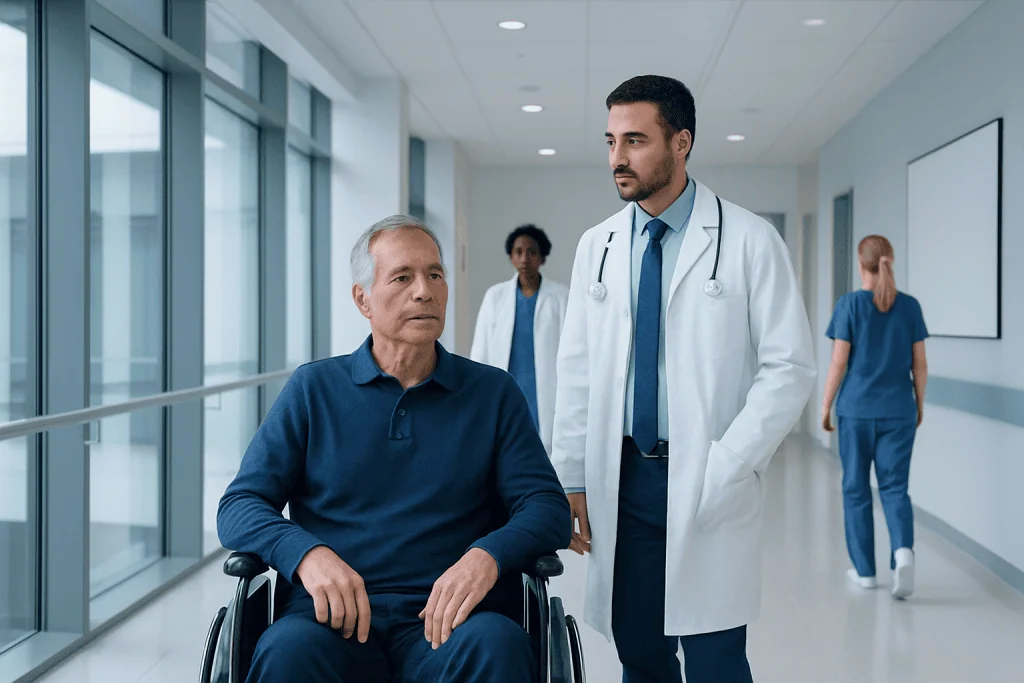
ALS affects motor nerve cells and gradually weakens voluntary muscles. Symptoms often begin with limb weakness, muscle twitching, or speech and swallowing changes.
Key Takeaways
- ALS affects motor nerve cells and gradually weakens voluntary muscles.
- Symptoms often begin with limb weakness, muscle twitching, or speech and swallowing changes.
- Diagnosis usually involves neurological exams, nerve and muscle testing, imaging, and blood tests to rule out other conditions.
- Treatment focuses on slowing progression when possible, managing symptoms, and supporting breathing, nutrition, mobility, and communication.
- Physical, occupational, speech, respiratory, and nutritional support can improve daily life and safety.
- People should seek prompt medical care for ongoing unexplained weakness, swallowing difficulty, or breathing changes.
ALS is a progressive disease that affects nerve cells controlling voluntary muscles. While there is no cure, early diagnosis, supportive treatment, and practical daily care can help people manage symptoms and maintain comfort and independence for as long as possible.
Overview of ALS
Amyotrophic lateral sclerosis, often called ALS, is a progressive disease of the nervous system. It affects motor neurons, the nerve cells that send signals from the brain and spinal cord to the muscles. As these nerve cells become damaged and stop working, muscles gradually weaken and waste away.
ALS mainly affects voluntary muscles, including those used for walking, using the hands, speaking, swallowing, and breathing. Sensation, bladder control, and eye movements are often relatively preserved, especially in earlier stages, although each person’s experience can be different. The condition is sometimes called motor neuron disease, though that term can also include related disorders.
ALS is not contagious, and in most cases the exact cause is not clear. The disease can develop in people with no known family history, while a smaller number of cases are inherited. Although ALS is a serious condition, care has improved significantly. A multidisciplinary approach can help manage symptoms, support independence, and address changing needs over time.
Symptoms and How ALS Progresses
Symptoms of ALS usually begin gradually. Early signs may include weakness in one hand, tripping more often, difficulty lifting objects, muscle cramps, or visible muscle twitching known as fasciculations. In some people, symptoms begin with speech that becomes slurred or with trouble swallowing. Because these signs can overlap with other conditions, medical evaluation is important.
As ALS progresses, weakness often spreads to other muscle groups. Everyday activities such as buttoning clothes, climbing stairs, writing, turning in bed, or rising from a chair may become more difficult. Speech may become harder to understand, and swallowing problems can increase the risk of choking, weight loss, or dehydration.
Breathing muscles may also be affected over time, which can lead to shortness of breath, poor sleep, morning headaches, or fatigue. Emotional changes can occur as people adjust to a chronic illness, and some individuals may also develop changes in thinking or behavior. Progression varies widely from person to person, so regular follow-up helps the care team respond to new symptoms and changing goals.
- Common early symptoms: limb weakness, hand clumsiness, foot drop, muscle cramps, twitching
- Bulbar symptoms: slurred speech, voice changes, swallowing difficulty
- Later concerns: reduced mobility, weight loss, breathing difficulty, communication challenges
Causes and Risk Factors

In many people with ALS, no single cause can be identified. This is known as sporadic ALS. Researchers believe that a combination of genetic, biological, and environmental factors may contribute. Inherited forms, called familial ALS, are linked to changes in certain genes and may affect multiple family members across generations.
Risk tends to increase with age, and ALS is most often diagnosed in mid to later adulthood, though younger adults can also be affected. A family history of ALS or related neurological disease may raise the likelihood in some people. Scientists continue to study how genetics, inflammation, oxidative stress, and abnormal protein handling may play a role in motor neuron damage.
It is important for patients and families to know that ALS is not caused by stress, ordinary exercise, or a minor injury. Because there are several other disorders that can resemble ALS, including multiple sclerosis and some nerve or muscle conditions, a careful neurological assessment is needed before confirming the diagnosis.
How ALS Is Diagnosed
There is no single test that proves ALS on its own. Diagnosis is based on a detailed medical history, a neurological examination, and a pattern of signs showing both upper and lower motor neuron involvement. Doctors also need to rule out other conditions that can mimic ALS, some of which may be treatable.
Tests often include electromyography and nerve conduction studies, which assess how muscles and nerves are working. Blood tests may help exclude metabolic, autoimmune, infectious, or nutritional causes of weakness. MRI scans of the brain and spinal cord can help identify structural problems such as cervical spinal cord compression or other neurological diseases.
In some cases, additional studies may be recommended, such as genetic testing, breathing assessments, or swallowing evaluations. Diagnosis may take time, especially early in the disease when symptoms are subtle. Seeing a neurologist with experience in neuromuscular disorders can be helpful, and some people may also benefit from advanced MRI scanning or formal electromyography testing as part of the workup.
Treatment Options and Ongoing Care
At present, there is no cure for ALS, but treatment can help slow disease progression in some people and ease symptoms. Care is individualized and may include medications, rehabilitation, nutritional support, breathing support, and assistive devices. The goal is to preserve function, comfort, communication, and quality of life.
Physical therapy may help with stretching, safe movement, balance, and energy conservation. Occupational therapy can suggest practical changes for dressing, bathing, eating, and using the home more safely. Speech and language therapists can support speech clarity, communication devices, and safer swallowing strategies. Nutrition specialists may help prevent weight loss by recommending texture changes, meal planning, and adequate calorie and fluid intake.
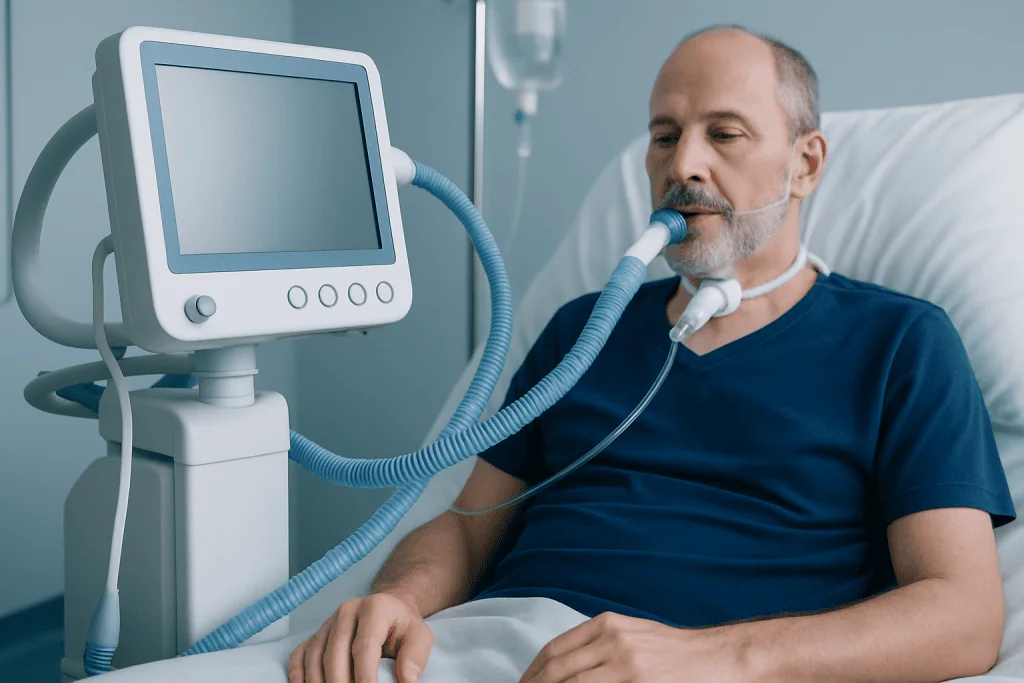
Respiratory care is a major part of ALS management. Breathing tests can monitor respiratory muscle strength over time, and noninvasive ventilation may be recommended if breathing becomes weaker, especially during sleep. Some people may need feeding support if swallowing becomes unsafe or too tiring. In advanced cases, treatment decisions are guided by the person’s preferences, comfort, and overall goals of care.
Because ALS affects several body systems, multidisciplinary care is often the most helpful approach. Neurologists, rehabilitation specialists, dietitians, respiratory therapists, speech therapists, and palliative care teams may all be involved. Where appropriate, evaluation by neurology specialists and tailored physical therapy and rehabilitation can support day-to-day function and planning.
Daily Life Support, Home Safety, and Self-care
Living with ALS often requires practical adjustments at home, work, and in the community. Small changes can make daily life safer and less tiring. Examples include using lightweight utensils, installing grab bars, removing loose rugs, choosing supportive seating, and arranging commonly used items within easy reach. Mobility aids, ankle-foot orthoses, walkers, or wheelchairs may improve safety and independence as needs change.
Fatigue management is important. Many people do better when they pace activities, rest before becoming exhausted, and focus energy on the tasks that matter most. Good nutrition, hydration, and sleep can also support overall well-being. If swallowing becomes difficult, supervised texture modification and posture techniques may help reduce the risk of choking.
Communication support can be equally important. Voice banking, speech-generating devices, writing tools, and phone or tablet adaptations may help people stay connected. Emotional support matters too. Counseling, support groups, and honest conversations with family can help people cope with uncertainty and maintain a sense of control.
Advance care planning is often recommended early, while communication is easier. This may include discussing future treatment preferences, appointing a healthcare decision-maker, and documenting values and priorities. For international patients, Acibadem International’s multidisciplinary specialists in JCI-accredited hospitals may assist with diagnosis, symptom management, rehabilitation, and coordinated long-term care planning.
When to See a Doctor
People should see a doctor if they notice ongoing unexplained muscle weakness, frequent tripping, hand clumsiness, muscle twitching, slurred speech, or trouble swallowing. These symptoms do not always mean ALS, but they should not be ignored, especially if they are worsening over time.
Urgent medical attention is needed for significant breathing difficulty, choking episodes, inability to swallow fluids, or sudden rapid decline in strength. Prompt evaluation can help identify the cause, improve safety, and start supportive care as early as possible.
Even after diagnosis, regular follow-up remains essential. New symptoms may require changes in equipment, nutrition, respiratory support, medications, or home care. Ongoing communication with the care team helps ensure that treatment continues to match the person’s needs and preferences.
Frequently asked questions
What is ALS?
ALS is a progressive disease that damages motor neurons, the nerve cells that control voluntary muscles. As these nerve cells stop working, muscles become weaker over time, affecting movement, speech, swallowing, and breathing.
What are the first symptoms of ALS?
Early symptoms often include weakness in a hand, arm, leg, or foot, along with muscle twitching or cramps. Some people first notice slurred speech or trouble swallowing. Symptoms usually begin gradually rather than suddenly.
How quickly does ALS progress?
ALS progression varies widely from one person to another. Some people experience changes over months, while others have a slower course over several years. Regular medical follow-up helps track changes and adjust support as needed.
Can ALS be cured?
There is currently no cure for ALS. However, treatment can help manage symptoms, support breathing and nutrition, improve comfort, and in some cases slow progression to a degree. Multidisciplinary care is often very helpful.
Is ALS hereditary?
Most cases of ALS are not inherited and occur without a clear family history. A smaller number are familial, meaning they are linked to genetic changes that can run in families. Genetic counseling may be recommended when family history suggests an inherited form.
How is daily life supported in ALS?
Daily support may include physical and occupational therapy, speech and swallowing care, mobility aids, communication devices, respiratory support, and nutritional planning. Home safety changes and emotional support can also make a meaningful difference in quality of life.
References
- World Health Organization
- National Institute of Neurological Disorders and Stroke
- NHS
- Mayo Clinic
- ALS Association
This article is for general information only and is not a substitute for professional medical advice. Please consult a qualified doctor about your individual situation.
Joint and spine care in Turkey — expert assessment & treatment
JCI-accredited · board-certified surgeons · reply within 24h
Add us as a Preferred Source to see more of our trusted health content across Google Search, AI Overviews and Discover.

More from the Health Library



Related Specialists

Fzt. Munise Nilay Güven
Physical Medicine & Rehabilitation
Prof. Dr. Hayati Özkan
Cardiovascular Surgery
Prof. Dr. Gökhan Demir
Medical Oncology
Dr. Gizem Akça
Gynecology & Obstetrics