Altitude Sickness — Explained by Medical Evidence, Not Myths

Altitude sickness is caused by reduced oxygen pressure at higher elevations, not by poor fitness or “weak lungs.” Early symptoms often include headache, nausea, dizziness, fatigue, and poor sleep after ascent.
Key Takeaways
- Altitude sickness is caused by reduced oxygen pressure at higher elevations, not by poor fitness or “weak lungs.”
- Early symptoms often include headache, nausea, dizziness, fatigue, and poor sleep after ascent.
- Gradual ascent is the most effective prevention, especially when sleeping at higher elevations.
- Severe warning signs include shortness of breath at rest, confusion, trouble walking, and chest symptoms.
- Descending to a lower altitude is the most important treatment when symptoms worsen or do not improve.
Altitude sickness is a group of high-altitude illnesses that can develop when a person ascends faster than the body can adapt to lower oxygen levels. Most cases are mild and improve with rest, fluids, and slowing ascent, but severe forms need urgent medical care and descent.
What altitude sickness is and why it happens
Altitude sickness is the body’s response to going to a higher elevation faster than it can adapt. At altitude, the air still contains oxygen, but the lower air pressure means each breath delivers less oxygen to the body. This can lead to symptoms ranging from a mild headache and nausea to more serious brain or lung complications.
The term “altitude sickness” often refers to a spectrum of high-altitude illness. The mildest and most common form is acute mountain sickness, sometimes called AMS. More serious forms are high-altitude cerebral edema, which affects the brain, and high-altitude pulmonary edema, which affects the lungs. These severe forms are uncommon but can become dangerous if not recognized early.
Altitude sickness is not a sign of poor health, and being young, athletic, or experienced outdoors does not fully protect a person. What matters most is how high someone goes, how quickly they ascend, whether they have had altitude illness before, and how well their body acclimatizes.
Symptoms: from mild discomfort to emergency warning signs
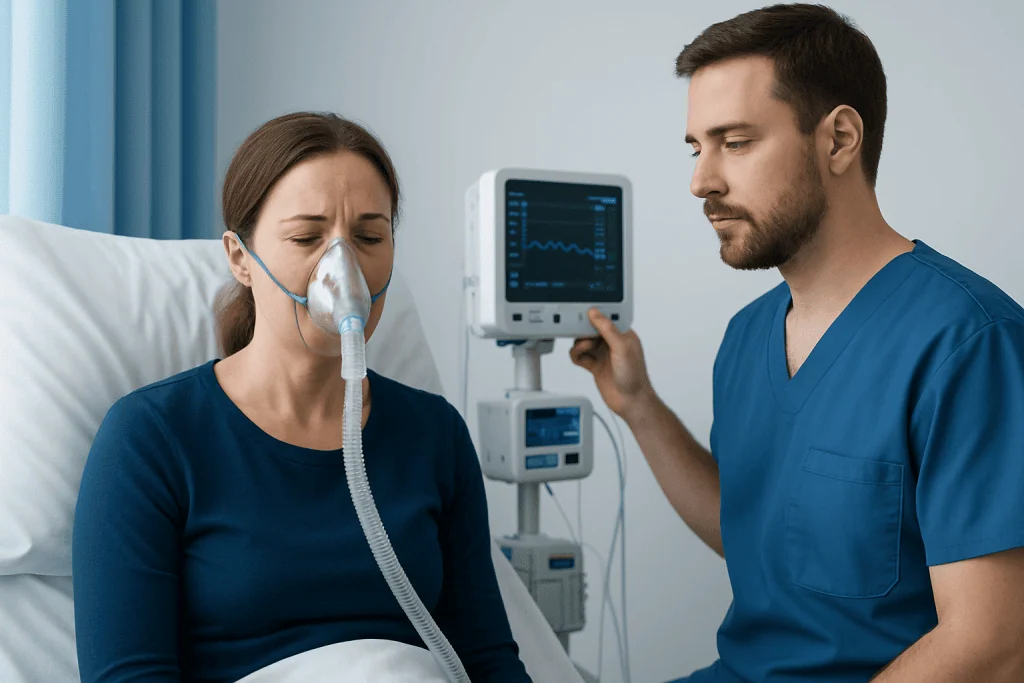
Mild altitude sickness often begins within several hours to a day after arriving at a higher elevation. The most typical symptom is headache, especially when combined with one or more of the following: nausea, loss of appetite, dizziness, unusual tiredness, poor sleep, or a general feeling of being unwell. Many people describe it as feeling like a hangover or a flu-like slump after ascent.
These symptoms can be easy to dismiss, especially on active trips. However, worsening fatigue, repeated vomiting, increasing headache, or symptoms that do not improve with rest should be taken seriously. A person should avoid climbing higher when symptoms are present.
Severe altitude illness can affect the brain or lungs. Urgent warning signs include confusion, difficulty walking in a straight line, severe weakness, breathlessness at rest, chest tightness, bluish lips, or a cough that becomes persistent or wet. These symptoms may signal swelling of the brain or fluid in the lungs and require immediate descent and medical evaluation.
- Common early symptoms: headache, nausea, dizziness, fatigue, poor sleep
- Concerning progression: worsening headache, vomiting, unusual drowsiness, reduced exercise tolerance
- Emergency symptoms: confusion, loss of coordination, shortness of breath at rest, chest symptoms
Myths and real risk factors

A common myth is that altitude sickness happens only to people who are unfit. In reality, physical fitness does not prevent it. Very fit travelers may ascend quickly because they feel strong, but rapid ascent itself is a major risk factor. Another myth is that drinking more water alone prevents altitude illness. Staying hydrated is helpful for overall well-being, but it does not replace gradual ascent.
The main risk factors are gaining sleeping altitude too quickly, going very high without acclimatization, and having a personal history of altitude sickness. Heavy exertion soon after arrival can also make symptoms more likely. Alcohol or sedative medications may worsen sleep and breathing patterns at altitude, which can make adjustment harder for some people.
Children and older adults can both be affected, although symptoms may be harder to recognize in children who cannot describe how they feel. Certain heart or lung conditions may increase concern when traveling to high elevations, so it is sensible to discuss travel plans with a clinician in advance. People with underlying lung disease concerns or significant cardiovascular disease may need individual advice before high-altitude trips.
How altitude sickness is diagnosed
Altitude sickness is mainly diagnosed from the history of recent ascent and the pattern of symptoms. A doctor will ask how high the person traveled, how quickly they climbed, when symptoms began, and whether they improved or worsened with rest. In mild cases, no special test is needed.
Physical examination helps assess severity. The clinician may check oxygen levels, heart rate, breathing rate, mental status, and balance. Trouble with coordination, confusion, or abnormal lung findings suggest a more serious form of high-altitude illness and should prompt urgent treatment.
Tests are sometimes used to rule out other conditions rather than to confirm altitude sickness itself. For example, dehydration, viral illness, migraine, asthma flare, or pneumonia can cause overlapping symptoms. If a person has chest symptoms or severe breathing problems, doctors may use imaging and oxygen assessment to evaluate the lungs. Depending on the situation, this may involve chest X-ray or CT scan support in a hospital setting.
Treatment options based on severity
The best treatment for mild altitude sickness is to stop ascending and allow the body time to acclimatize. Rest, limiting exertion, drinking normal amounts of fluid, and using simple pain relief for headache may be enough for many people. If symptoms improve, a gradual and cautious increase in altitude may be possible later.
If symptoms are moderate or continue despite rest, descent to a lower elevation is usually the safest next step. Supplemental oxygen, when available, can help relieve symptoms while waiting for descent or medical care. Doctors may also prescribe medications to support acclimatization or reduce specific symptoms, depending on the situation and the person’s medical history.
Severe altitude illness is a medical emergency. People with signs of brain involvement or lung involvement should descend immediately and receive urgent assessment. Hospital treatment may include oxygen, close monitoring, and therapies tailored to cerebral or pulmonary complications. If severe shortness of breath raises concern about a lung problem beyond altitude illness, specialists may also evaluate for pneumonia or other conditions that can mimic or accompany high-altitude breathing symptoms.
Prevention and self-care before and during travel
Prevention focuses on giving the body time to adapt. The most reliable strategy is gradual ascent, especially once sleeping altitude becomes significantly higher. Spending extra nights at intermediate elevations can reduce risk. If possible, travelers should avoid a rapid jump from low altitude to very high sleeping altitude in one day.
Light activity after arrival is usually better than intense exercise. Good nutrition, regular hydration, and avoiding excess alcohol may support comfort, although they do not replace acclimatization. People who have had altitude sickness before or who must ascend quickly may benefit from discussing preventive medication with a doctor before travel.
For travelers with medical conditions, pre-travel planning is important. A clinician may review current medicines, oxygen needs, recent heart or lung symptoms, and whether additional testing is advisable. In some cases, supportive assessments such as pulmonary function testing can help clarify respiratory reserve before a high-altitude trip.
When to seek medical care
Medical care is appropriate if altitude sickness symptoms are more than mild, do not improve with rest, or keep returning. A person should also seek advice if they are unsure whether the symptoms are from altitude or another illness, particularly if fever, severe cough, chest pain, or marked dehydration is present.
Urgent medical care is needed for red-flag symptoms such as confusion, fainting, severe weakness, trouble walking, shortness of breath at rest, or persistent vomiting. These signs suggest a potentially serious high-altitude complication and should not be managed by “waiting it out.” The safest immediate step is descent if this can be done without delay.
People with chronic heart or lung disease, pregnancy-related questions, or travel plans involving remote high elevations may benefit from pre-travel consultation. Near the end of the care pathway, if advanced evaluation is needed, Acibadem International’s multidisciplinary specialists in JCI-accredited hospitals diagnose and treat altitude-related complications for international patients.
Frequently asked questions
How quickly can altitude sickness start?
Altitude sickness often begins within 6 to 24 hours after arrival at a higher elevation. Some people notice symptoms sooner, especially after a rapid ascent or strenuous activity soon after arrival.
Can a healthy and fit person get altitude sickness?
Yes. Fitness does not prevent altitude sickness because the main issue is how the body responds to lower oxygen pressure, not how strong or athletic a person is. In fact, very fit travelers may be at risk if they ascend too quickly.
What is the difference between altitude sickness and dehydration?
Both can cause headache, fatigue, and dizziness, which is why the two are often confused. Altitude sickness is linked to recent ascent and may also cause nausea, poor sleep, and worsening symptoms with continued climbing, while dehydration is more closely related to fluid loss and often improves with rehydration.
Does drinking lots of water prevent altitude sickness?
Not by itself. Normal hydration is important, but the most effective prevention is gradual ascent and allowing time to acclimatize. Overemphasizing water intake is not a substitute for slowing down.
When should someone descend immediately?
Immediate descent is recommended if symptoms are worsening, not improving with rest, or include severe warning signs such as confusion, difficulty walking, or shortness of breath at rest. These can indicate serious high-altitude illness affecting the brain or lungs.
Can altitude sickness be treated at home or in a hotel?
Mild cases may improve with rest, avoiding further ascent, and simple supportive care. However, moderate or severe symptoms should be assessed by a qualified clinician, and severe symptoms require urgent descent and emergency care.
References
- Centers for Disease Control and Prevention
- Wilderness Medical Society
- National Health Service
- Merck Manual Professional Edition
This article is for general information only and is not a substitute for professional medical advice. Please consult a qualified doctor about your individual situation.
Persistent digestive symptoms? Get evaluated in Turkey
JCI-accredited · board-certified surgeons · reply within 24h
Add us as a Preferred Source to see more of our trusted health content across Google Search, AI Overviews and Discover.
Check your numbers in seconds
BMI, calories, due date, blood pressure and 30+ more clinical calculators — free, instant, doctor-reviewed ranges.