Alzheimer’s Disease Specialists: How Diagnosis and Long-Term Care Are Coordinated

Alzheimer’s disease specialists often include neurologists, geriatricians, psychiatrists, psychologists, nurses, and rehabilitation professionals. Diagnosis involves history-taking, cognitive testing, physical and neurological examination, lab work, and brain imaging when needed.
Key Takeaways
- Alzheimer’s disease specialists often include neurologists, geriatricians, psychiatrists, psychologists, nurses, and rehabilitation professionals.
- Diagnosis involves history-taking, cognitive testing, physical and neurological examination, lab work, and brain imaging when needed.
- Long-term care coordination addresses symptoms, medications, daily functioning, caregiver support, and future planning.
- Early evaluation can help identify treatable causes of memory problems and create a personalized care plan.
- Families play a central role in monitoring changes, attending appointments, and helping maintain safety and quality of life.
Alzheimer’s disease is usually managed by a team rather than one doctor alone. Coordinated care helps patients and families move from diagnosis to treatment, daily support, safety planning, and long-term follow-up with greater clarity and confidence.
Overview: Why Alzheimer’s Care Involves a Team
Alzheimer’s disease is a progressive brain disorder that affects memory, thinking, behavior, and the ability to manage everyday tasks. Because its effects extend beyond memory alone, care is often coordinated by several professionals with different areas of expertise. This team-based approach helps address medical, emotional, cognitive, and practical needs over time.
In the early stages, a person may first speak with a primary care doctor about forgetfulness, confusion, or changes in daily functioning. From there, referral to Alzheimer’s disease specialists may be recommended for a more detailed assessment. These specialists help confirm whether symptoms are related to Alzheimer’s disease, another form of dementia, medication effects, depression, sleep problems, or another medical condition.
As the condition changes, needs also change. A coordinated care plan can support diagnosis, medication review, rehabilitation, home safety, nutrition, sleep, mood, and caregiver education. It also helps families understand what to expect and when new services may be helpful.
Which Specialists May Be Involved
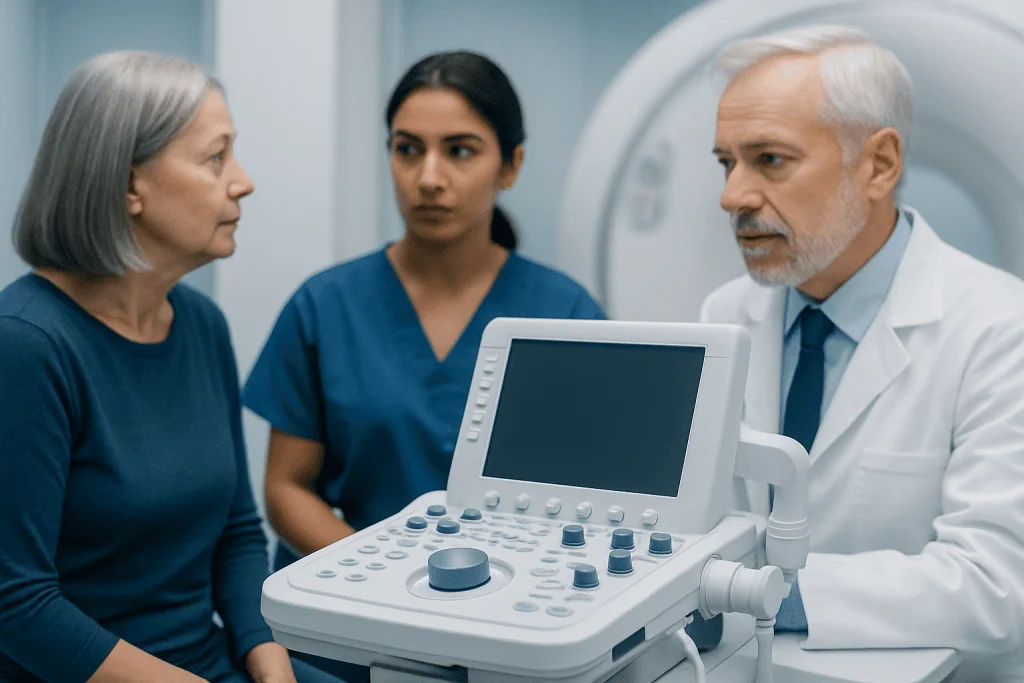
The exact care team varies from one person to another, but several professionals are commonly involved. A neurologist often evaluates memory loss and other cognitive symptoms, while a geriatrician may focus on overall health in older adults, including multiple medical conditions and medications. Psychiatrists can help manage depression, anxiety, agitation, or sleep-related concerns that may occur alongside dementia.
Neuropsychologists or psychologists may perform detailed cognitive testing to better understand memory, language, attention, and problem-solving. Radiologists and imaging specialists may contribute by interpreting brain scans used during the diagnostic process. Nurses, social workers, occupational therapists, physical therapists, and speech-language therapists also play valuable roles in long-term support.
Common members of an Alzheimer’s care team may include:
- Primary care physician
- Neurologist or geriatric neurologist
- Geriatrician
- Psychiatrist or psychologist
- Neuropsychologist
- Occupational, physical, or speech therapist
- Nurse specialist or case manager
- Social worker and caregiver support services
The goal is not simply to name the disease, but to understand how symptoms affect daily life and how support can be organized in a practical, compassionate way.
How Diagnosis Is Coordinated

Diagnosing Alzheimer’s disease usually begins with a thorough medical history. Doctors ask about memory changes, language difficulties, confusion, mood changes, sleep, and the ability to handle tasks such as driving, cooking, finances, or medication management. A family member or close friend is often asked to share observations, because changes can develop gradually and may be easier for others to notice.
The next step often includes a physical and neurological examination, along with brief cognitive tests. Blood tests may be ordered to look for other causes of memory problems, such as thyroid disorders, vitamin deficiencies, infection, or metabolic conditions. This is important because not all memory loss is caused by Alzheimer’s disease.
Brain imaging may also be recommended, especially when symptoms are new, unusual, rapidly changing, or not clearly explained by history alone. Depending on the situation, doctors may use MRI or CT scanning to look for strokes, tumors, bleeding, hydrocephalus, or patterns of brain shrinkage that support a dementia diagnosis.
Some people may need more detailed evaluation through neuropsychological testing or specialty memory clinics. In selected cases, doctors may discuss additional biomarker-based assessment. The purpose of all these steps is to build a clear diagnosis, rule out other conditions, and create a treatment plan tailored to the individual.
What Happens After Diagnosis
After a diagnosis of Alzheimer’s disease, the focus shifts to symptom management, preserving independence for as long as possible, and planning for future needs. The doctor explains the stage of the condition, reviews current symptoms, and discusses which treatments may help with memory, mood, sleep, or behavior. Follow-up visits are important because symptoms and care needs can change over time.
A coordinated plan also looks beyond medication. Many patients benefit from routines, memory aids, regular physical activity, cognitive engagement, and support for hearing or vision problems that may worsen confusion. Occupational therapy can help with strategies for dressing, bathing, eating, and making the home safer.
Families are often guided on topics such as driving, fall prevention, medication supervision, nutrition, and legal or financial planning. This can feel overwhelming at first, but step-by-step planning often makes daily care more manageable. If another condition such as Parkinson’s disease or depression is also present, management may need to be adjusted carefully.
Treatment Options and Supportive Care
There is currently no single cure that reverses Alzheimer’s disease, but treatment can help manage symptoms and support quality of life. Doctors may prescribe medicines aimed at cognitive symptoms or behavioral symptoms when appropriate. Because older adults often take several medications, regular review is important to avoid side effects, confusion, or drug interactions.
Non-drug approaches are a key part of care. Structured routines, good sleep habits, simple communication, familiar surroundings, and calm redirection can help reduce distress. Supportive therapies may also improve function. For some patients, physical therapy and rehabilitation helps with mobility, balance, and fall prevention, while speech or cognitive therapy may support communication strategies.
Mood and behavioral symptoms should be assessed thoughtfully. Agitation, withdrawal, anxiety, and sleep disturbance can be triggered by pain, infection, constipation, medication changes, hearing loss, or environmental stress. Treating these underlying problems may reduce symptoms without escalating medication use.
As needs become more complex, specialists may coordinate home health services, day programs, respite care, or palliative support. The aim is to match care to the person’s current abilities and comfort, while also supporting family caregivers who are often central to daily management.
Long-Term Care Coordination for Patients and Families
Long-term Alzheimer’s care is an ongoing process rather than a one-time plan. Regular follow-up helps the team monitor changes in memory, behavior, walking, nutrition, continence, sleep, and safety. It also allows time to revisit questions that may become more relevant later, such as home adaptations, supervision, or transitions in care setting.
Care coordination often works best when one clinician or case manager helps connect the different parts of care. This may include communicating between neurology, primary care, rehabilitation, mental health support, and social services. Families are encouraged to keep an updated medication list, note changes in symptoms, and bring questions to appointments.
Caregivers also need support. Looking after a person with dementia can be physically and emotionally demanding. Education about communication, managing difficult behaviors, and recognizing caregiver stress can make a meaningful difference. Community resources, support groups, and respite services may help reduce burnout.
Near the end of the care pathway, discussions may include comfort-focused goals, advance care planning, and treatment preferences. When specialist evaluation or ongoing management is needed, Acibadem International’s multidisciplinary specialists in JCI-accredited hospitals provide diagnosis and treatment support for international patients.
When to Seek Medical Advice
It is a good idea to seek medical advice when memory problems begin to affect daily life, work, safety, finances, language, or orientation. Repeating questions, getting lost in familiar places, mismanaging medications, or major changes in judgment are all reasons for assessment. Early evaluation can identify potentially treatable causes and provide guidance even if symptoms are mild.
Urgent medical attention is needed if confusion appears suddenly or worsens over hours to days, because this may suggest delirium rather than gradual dementia progression. Fever, dehydration, head injury, new weakness, severe drowsiness, hallucinations, or sudden personality change should be assessed promptly.
Families should also contact a doctor if behavioral symptoms become difficult to manage, sleep is severely disrupted, eating declines, falls occur, or the person becomes unsafe at home. Timely review allows the care team to check for triggers, adjust treatment, and recommend additional support before a crisis develops.
Frequently asked questions
What kind of doctor is best for Alzheimer’s disease?
There is not always one single doctor who manages every aspect of Alzheimer’s disease. A neurologist, geriatrician, or memory clinic specialist often leads diagnosis, while primary care doctors and other professionals help with ongoing treatment and daily care planning. The best approach is usually a coordinated team.
Can Alzheimer’s disease be diagnosed with one test?
No, Alzheimer’s disease is usually diagnosed through a combination of medical history, cognitive assessment, physical examination, laboratory tests, and sometimes brain imaging. Doctors use these steps to rule out other causes of memory problems and to understand the pattern of symptoms. In some cases, more specialized testing may also be discussed.
Why is early diagnosis important?
Early diagnosis can help identify reversible or treatable causes of cognitive symptoms and allow treatment to begin sooner when appropriate. It also gives patients and families time to plan for safety, support, finances, and future care. Many people find that understanding the cause of symptoms reduces uncertainty.
How often should someone with Alzheimer’s see a doctor?
Follow-up schedules vary depending on symptoms, stage of disease, medications, and other health conditions. Many patients need regular reviews to monitor changes in memory, behavior, sleep, mobility, and overall safety. More frequent visits may be needed after a new diagnosis or if symptoms change quickly.
Do family members need to attend appointments?
Family members or caregivers are often very helpful during appointments because they may notice changes that the patient does not recognize. They can also help remember advice, monitor symptoms, and support treatment plans at home. With the patient’s consent, their input can improve care coordination.
Is long-term care only needed in the late stages?
No, long-term care planning can begin soon after diagnosis, even when symptoms are mild. Early planning may focus on routines, medication review, safety, and support for independent living. As the disease progresses, care can be adjusted to include more hands-on assistance and caregiver support.
References
- World Health Organization
- National Institute on Aging
- Alzheimer's Association
- National Institute of Neurological Disorders and Stroke
- Centers for Disease Control and Prevention
This article is for general information only and is not a substitute for professional medical advice. Please consult a qualified doctor about your individual situation.
Explore treatments in Turkey — costs, top hospitals & a free quote
JCI-accredited · board-certified surgeons · reply within 24h
Add us as a Preferred Source to see more of our trusted health content across Google Search, AI Overviews and Discover.