Am I a Candidate for a Penile Implant?

Penile implants are most often considered when medicines, injections, vacuum devices, or other treatments have not provided satisfactory erections. A candidate should have erectile dysfunction that is unlikely to improve with reversible treatment and should be medically fit for surgery.
Key Takeaways
- Penile implants are most often considered when medicines, injections, vacuum devices, or other treatments have not provided satisfactory erections.
- A candidate should have erectile dysfunction that is unlikely to improve with reversible treatment and should be medically fit for surgery.
- An active infection, uncontrolled medical condition, or unresolved urinary problem may need treatment before implant surgery is considered.
- A penile implant creates a firm erection for sexual activity but does not usually increase penis size, sexual desire, or sensation.
- The procedure is permanent because the natural erection tissues are altered during implant placement.
A penile implant may be an option for men with erectile dysfunction that is persistent, bothersome, and has not responded to or cannot be managed with less invasive treatments. Eligibility depends on the cause of erectile dysfunction, overall health, personal goals, and a careful assessment by a urologist.
Am I a Candidate for a Penile Implant?
Men may be candidates for a penile implant when erectile dysfunction is ongoing and other appropriate treatments have not worked well enough, cause unacceptable side effects, or are not suitable for medical reasons. A urologist confirms eligibility by reviewing symptoms, health conditions, previous treatments, expectations, and any factors that could increase surgical risk.
A penile implant is a device placed inside the penis to provide rigidity for intercourse. It is generally considered a later-line treatment rather than the first treatment for erectile dysfunction, because the surgery permanently changes the erection chambers. For an overview of the procedure and available device types, see penile implant treatment.
The decision is personal and should include an informed discussion with a partner when appropriate. The aim is not simply to achieve an erection, but to choose a treatment that fits the person’s health, comfort, sexual goals, and understanding of the recovery process.
Who Is Usually Eligible?
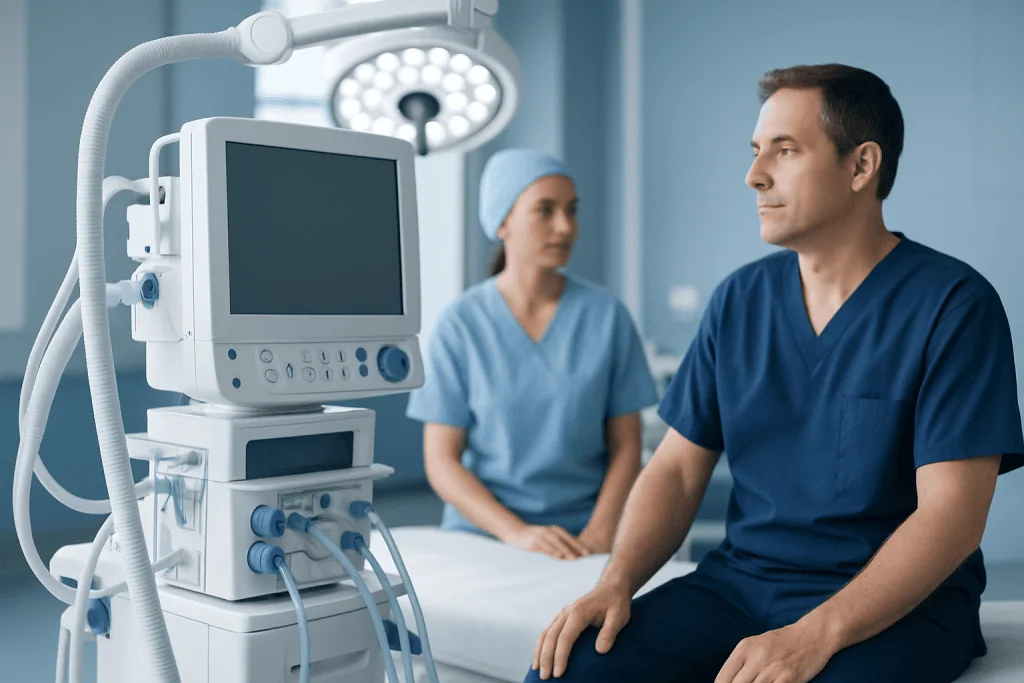
Penile implant eligibility is most often assessed in men with erectile dysfunction that has a clear physical cause or has persisted despite suitable non-surgical care. Common underlying contributors include diabetes, blood vessel disease, pelvic surgery, spinal cord injury, neurological conditions, penile scarring, and treatment for prostate cancer.
A person may be a suitable candidate if tablets for erectile dysfunction are ineffective or unsuitable, penile injections or urethral medicines have not been satisfactory, or a vacuum erection device is not acceptable or effective. Some men choose an implant because they want a more reliable, spontaneous-feeling solution after considering the alternatives.
Key candidacy factors often include:
- Erectile dysfunction that is persistent and causes distress or affects sexual relationships.
- A reasonable understanding that the implant is a permanent surgical treatment.
- Realistic expectations about erections, appearance, sensation, orgasm, and recovery.
- A stable medical condition that allows anesthesia and surgery to be performed safely.
- Ability to follow wound-care advice and attend postoperative follow-up visits.
Some men with erectile dysfunction may benefit from identifying and treating contributing factors first, including medication effects, hormone disorders, cardiovascular risks, anxiety, or relationship concerns. An implant may still be appropriate when these factors have been addressed but erections remain inadequate.
Who May Need Further Assessment First?

Not everyone with erectile dysfunction should proceed directly to implant surgery. A urologist may recommend further treatment, testing, or a delay in surgery if there is an active urinary tract infection, skin infection, untreated dental or systemic infection, or a condition that raises the risk of implant infection.
Diabetes, heart disease, blood pressure problems, and blood-thinning medicines do not automatically prevent surgery, but they should be carefully managed. Blood sugar control, medication planning, smoking cessation, and assessment of anesthesia risk can all be important parts of preparation. The medical team may involve other specialists when needed.
Men with severe penile curvature or scarring, including Peyronie’s disease, can sometimes be candidates for an implant, but the surgical plan may need to address both erection rigidity and penile shape. Those whose erectile difficulties are mainly temporary, strongly linked to untreated emotional distress, or likely to improve with another approach may be advised to explore those options first.
A partner’s expectations can also be discussed. While partner approval is not required, open communication may help both people understand what the implant can and cannot change.
How a Penile Implant Works
There are two main categories of penile implant: inflatable devices and malleable, or semi-rigid, rods. Both are placed within the erectile chambers of the penis, called the corpora cavernosa. They do not affect urination because they are separate from the urethra.
An inflatable implant commonly has cylinders in the penis, a small pump in the scrotum, and a fluid reservoir placed within the body. Squeezing the pump transfers fluid into the cylinders to create an erection; using the release mechanism returns the penis to a softer state. Depending on anatomy and surgical history, the exact device configuration may differ.
Malleable implants are bendable rods that remain firm but can be positioned closer to the body for everyday comfort and outward for intercourse. The most appropriate type depends on dexterity, anatomy, health factors, lifestyle, and preferences. The surgeon explains the advantages and limitations of each option during consultation.
Implants provide mechanical rigidity, but they do not usually change sexual desire, ejaculation, orgasm, or skin sensation. These functions depend on the underlying cause of erectile dysfunction and on individual health. Penile length and girth should be discussed realistically before surgery.
Preoperative Evaluation and the Procedure
The evaluation begins with a detailed medical and sexual health history, physical examination, and review of previous erectile dysfunction treatments. The urologist may request blood tests, urine testing, cardiovascular assessment, or other examinations based on individual health. This visit is also the time to discuss goals, device choices, medications, allergies, and previous pelvic or abdominal operations.
Before surgery, patients may be asked to optimize diabetes control, stop smoking, and adjust medicines that increase bleeding risk under the guidance of the prescribing clinician. It is important not to stop anticoagulants, antiplatelet medicines, or chronic medications without medical advice. A pre-assessment form can help the urology team identify individual suitability and preparation needs.
Penile implant surgery is performed under anesthesia. The surgeon makes a small incision, prepares the erectile chambers, places the selected device, and closes the incision. For an inflatable device, the pump and, when required, reservoir are placed through the same or additional small surgical access points.
The operation is planned with measures designed to reduce infection risk, such as careful sterile technique and appropriate preventive medicines. The exact surgical approach and expected hospital stay vary according to the implant type, health status, and the surgeon’s plan.
Recovery Timeline, Benefits, and Possible Risks
Recovery is gradual. In the first days after surgery, swelling, bruising, and discomfort are common and are managed with the care plan provided by the surgical team. Patients are usually advised to keep the area clean, avoid strenuous activity and heavy lifting, and wear supportive underwear if recommended.
Follow-up appointments are used to check wound healing and teach patients how to operate an inflatable device. Sexual activity is usually postponed until the incision has healed and the surgeon confirms it is safe, often several weeks after surgery. Individual recovery can be longer when there are medical conditions, additional reconstructive steps, or healing concerns.
The main potential benefit is a dependable erection suitable for intercourse when the device is used. Many men value the control and predictability it can provide. However, no surgery is risk-free. Possible complications include infection, bleeding, pain, device malfunction, erosion of the device into nearby tissue, altered appearance, and the need for revision or removal surgery.
Because infection can threaten the implant, patients should follow postoperative instructions closely and contact their surgical team promptly if they develop fever, worsening redness, drainage, severe pain, or increasing swelling. Early assessment helps the team determine whether symptoms are part of normal healing or need treatment.
When to Seek Medical Care
Men should arrange a medical assessment when erection difficulties last for several months, recur regularly, cause distress, or affect a relationship. Erectile dysfunction can sometimes be an early sign of conditions such as diabetes, high blood pressure, vascular disease, or hormonal imbalance, so evaluation is worthwhile even when surgery is not being considered.
Urgent medical advice is appropriate for a painful erection lasting more than four hours, sudden severe penile pain or injury, difficulty passing urine, or signs of significant infection. After implant surgery, fever, chills, wound discharge, rapidly worsening swelling, or severe uncontrolled pain should be reported without delay.
A urologist can explain whether less invasive treatments remain appropriate or whether an implant assessment is reasonable. Acibadem International’s multidisciplinary specialists and JCI-accredited hospitals provide assessment and treatment planning for international patients considering penile implant surgery.
Frequently asked questions
What is the main criterion for penile implant eligibility?
The main criterion is persistent erectile dysfunction that has not responded adequately to, or cannot be managed with, suitable less invasive treatments. A urologist also checks whether the person is medically fit for surgery and understands that the procedure is permanent.
Can a man with diabetes have a penile implant?
Yes, diabetes does not automatically prevent penile implant surgery. However, blood sugar should be well managed because high blood sugar can increase the chance of infection and delayed wound healing. The surgical team will assess individual health and preparation needs.
Is a penile implant suitable if erectile dysfunction is caused by prostate cancer treatment?
It may be suitable for men with persistent erectile dysfunction after prostate cancer surgery, radiation, or other treatment when other erectile dysfunction options have not been effective. Timing and suitability depend on recovery, cancer care plans, urinary function, and overall health.
Will a penile implant affect orgasm or ejaculation?
A penile implant is designed to restore rigidity and does not directly create sexual desire, orgasm, or ejaculation. These functions may remain unchanged, but the outcome depends on the underlying cause of erectile dysfunction, prior treatments, nerves, hormones, and other health factors.
Can a penile implant be removed?
An implant can sometimes be removed or replaced if there is infection, malfunction, or another serious problem. However, implantation alters the erectile chambers, and natural erections are usually not expected after removal. This is why careful decision-making before surgery is important.
How long does recovery take after penile implant surgery?
Initial healing often takes several weeks, while comfort and confidence using the device improve over time. The surgeon will provide a personalized schedule for follow-up, device teaching, activity restrictions, and resuming sexual activity based on healing progress.
References
- American Urological Association
- European Association of Urology
- National Institute of Diabetes and Digestive and Kidney Diseases
- Mayo Clinic
- Urology Care Foundation
This article is for general information only and is not a substitute for professional medical advice. Please consult a qualified doctor about your individual situation.
Explore treatments in Turkey — costs, top hospitals & a free quote
JCI-accredited · board-certified surgeons · reply within 24h
Add us as a Preferred Source to see more of our trusted health content across Google Search, AI Overviews and Discover.
Check your numbers in seconds
BMI, calories, due date, blood pressure and 30+ more clinical calculators — free, instant, doctor-reviewed ranges.