Am I a Candidate for Dhi hair transplant? Eligibility Criteria
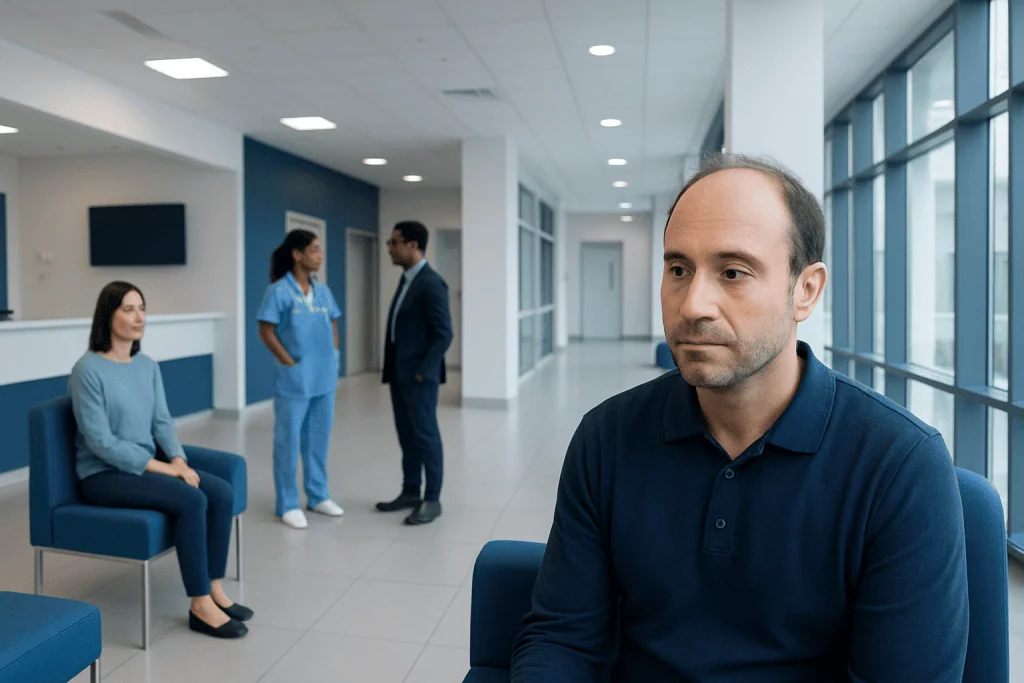
DHI uses individual hair follicles taken from a donor area and implanted with a specialised pen-like device. Good candidates usually have sufficient healthy donor hair, commonly at the back and sides of the scalp.
Key Takeaways
- DHI uses individual hair follicles taken from a donor area and implanted with a specialised pen-like device.
- Good candidates usually have sufficient healthy donor hair, commonly at the back and sides of the scalp.
- Active scalp disease, uncontrolled medical conditions or rapidly progressing hair loss may need treatment or further evaluation before surgery.
- A consultation assesses hair-loss pattern, donor density, scalp health, medicines and realistic goals.
- Results develop gradually, with transplanted hairs commonly shedding first before new growth emerges over subsequent months.
A person may be a candidate for a DHI hair transplant if they have a stable pattern of hair loss, an adequate donor area, a healthy scalp and realistic expectations about density and results. A specialist assessment is essential because the most suitable treatment depends on the cause of hair loss, donor supply, medical history and long-term hair-loss plan.
Am I a Candidate for DHI Hair Transplant?
A person may be a candidate for a DHI hair transplant if their hair loss has been properly assessed, they have enough healthy donor hair and their scalp is suitable for surgery. The best candidates also understand that transplantation redistributes existing follicles rather than creating new hair, so results depend on donor supply and a carefully planned hairline.
DHI, or Direct Hair Implantation, is a follicular-unit hair transplant technique. It may suit some people with androgenetic alopecia (pattern hair loss), hairline recession, thinning in selected areas or certain stable scars. However, suitability cannot be confirmed from photographs alone; an individual clinical assessment is needed to identify the cause of shedding and determine whether transplantation is appropriate now or should be delayed.
For a fuller explanation of the technique, planning and expected results, see DHI hair transplant treatment information. A pre-assessment form or consultation can help the clinical team review medical history, hair-loss pattern, donor-area photographs and personal goals before recommending next steps.
How DHI Hair Transplant Works
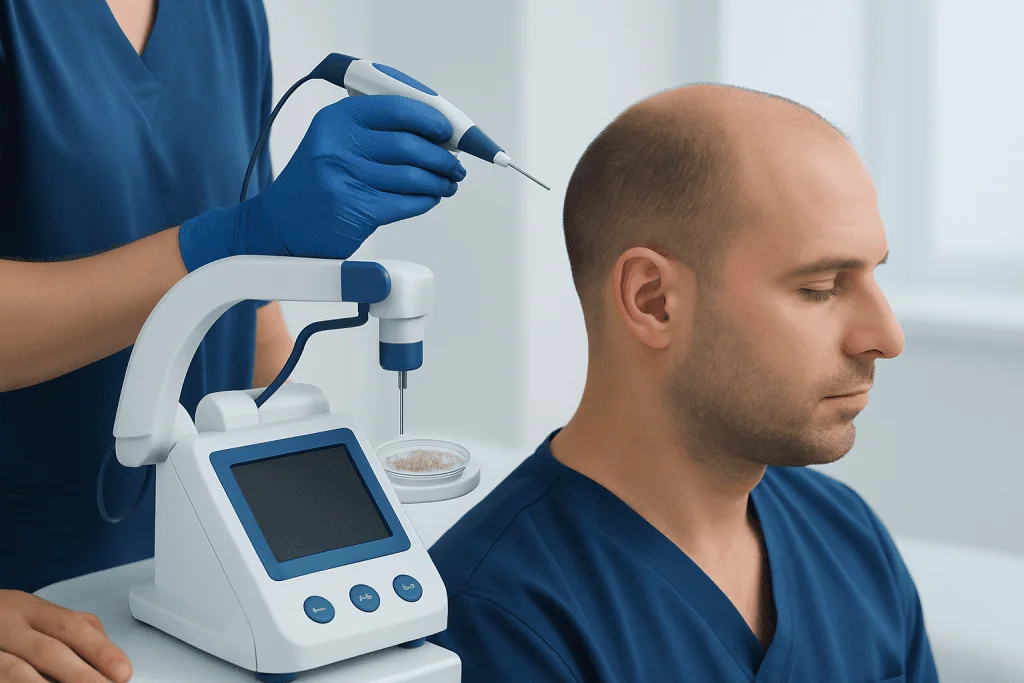
DHI is performed by extracting naturally occurring groups of hairs, called follicular units, from a donor area. The donor area is usually the back or sides of the scalp, where follicles may be less affected by pattern hair loss. Each graft can contain one to several hairs.
After extraction, the clinician implants the follicles into thinning or bald areas using a pen-like implantation instrument. This allows the team to place grafts individually while considering angle, direction and distribution. These details are important for creating a natural-looking pattern of growth.
DHI is one method within modern follicular-unit transplantation. It is not automatically better for every person or every degree of hair loss. The appropriate technique and treatment plan should be based on donor capacity, the size of the area being restored, hair characteristics, scalp condition and the need to preserve donor hair for the future.
Who May Be Eligible and Who May Need Further Assessment

People are often considered for DHI when they have a defined area of thinning or hair loss and enough donor follicles to cover it responsibly. Pattern hair loss in men and women can be suitable when it is reasonably stable or when a long-term plan is in place to manage possible future thinning. A family history, age, the pace of loss and the pattern of miniaturisation can all inform this decision.
Hair quality matters as well as hair quantity. Donor density, shaft thickness, curl or wave, contrast between hair and scalp colour, and the size of the recipient area influence the visual coverage that can be achieved. A person with limited donor reserves may still have options, but a conservative plan is usually important.
Further assessment may be needed for sudden diffuse shedding, patchy hair loss, active dandruff or inflammation, scalp infection, poorly controlled diabetes, bleeding disorders, immune-related conditions or a tendency to form raised scars. Certain medicines, smoking, nutritional deficiencies and recent illness can also affect healing or hair shedding. In these situations, treating or investigating the underlying issue first may be safer and more useful.
- Potentially suitable: stable thinning, healthy scalp, adequate donor hair and realistic goals.
- May need delay or treatment first: active scalp disease, ongoing unexplained shedding or unstable hair loss.
- Needs personalised planning: extensive hair loss, previous transplant surgery, scarring or limited donor supply.
What Happens During Assessment and the Procedure
Before a procedure is recommended, a clinician typically reviews medical conditions, allergies, regular medicines, previous operations and hair-loss treatments. The scalp and donor area are examined, and photographs may be used to document the baseline. Blood tests or referral to a dermatologist may be advised when the cause of hair loss is unclear.
If DHI is appropriate, the plan includes the intended hairline, number and distribution of grafts, donor-area strategy and anticipated need for future treatment. A well-designed hairline should take account of age, facial proportions, ongoing hair-loss risk and the limits of the donor area rather than aiming for an unrealistically low or dense result.
On the day of treatment, local anaesthesia is generally used. The donor area is prepared, follicles are extracted one by one, and the grafts are sorted and kept protected before implantation. The clinician then places follicles into the recipient area according to the planned direction and density. Procedure length varies with the number of grafts and individual requirements.
Following surgery, patients receive personalised instructions for washing, sleeping, activity and medicines. These instructions should be followed closely because careful early aftercare supports graft protection and comfortable healing.
Benefits, Limitations and Possible Risks
The main potential benefit of DHI is restoration of hair in selected areas using a person’s own follicles. Individual placement may support detailed work around the hairline, temples or smaller thinning areas. Once transplanted follicles establish growth, they may continue producing hair for many years, although the surrounding non-transplanted hair can still thin over time.
It is important to recognise the limits of treatment. A transplant cannot restore unlimited density, and it does not stop the progression of pattern hair loss in other areas. Some people benefit from medical management of hair loss alongside surgery, when clinically appropriate, to help preserve existing hair.
Common short-term effects can include swelling, redness, itching, tenderness, small crusts and temporary numbness in the donor or recipient areas. Transplanted hairs often shed in the first weeks; this is expected and does not necessarily mean the grafts have failed. Less common complications include infection, bleeding, inflammation, scarring, poor graft growth, an unnatural-looking distribution or temporary shedding of nearby existing hair.
Risk can be reduced by choosing appropriately trained clinicians, providing a complete medical history and following aftercare advice. Any concerns about severe pain, increasing redness, discharge, fever or unexpected bleeding should be assessed promptly by a medical professional.
Recovery Timeline and Looking After the Scalp
In the first several days, the scalp needs gentle care. Patients are usually advised to avoid rubbing or picking at grafts, strenuous exercise, heavy sweating, swimming and direct sun exposure for the period specified by their team. Washing instructions vary, but typically involve careful cleansing rather than direct pressure on the recipient area.
Crusting commonly improves over the first one to two weeks. Mild swelling or redness may settle over days to weeks, depending on skin sensitivity and the extent of treatment. The donor area also heals gradually, and short haircuts may reveal temporary signs of extraction while it recovers.
It is common for transplanted hairs to shed after the procedure. New growth generally begins gradually after several months, and changes in thickness and coverage continue over a longer period. Individual timelines vary because hair grows in cycles, and final cosmetic assessment is usually not immediate.
A balanced diet, good sleep, avoidance of smoking and attendance at recommended follow-up appointments can support recovery. Patients should only restart hair products, colouring, exercise routines or prescribed treatments according to individual medical advice.
When to Seek Medical Care
A medical assessment is advisable before considering any hair transplant if hair loss is sudden, patchy, painful, associated with scaling or redness, or accompanied by symptoms such as fatigue, weight change or menstrual changes. These features can indicate a condition that needs diagnosis and treatment rather than cosmetic restoration alone.
After a DHI procedure, patients should contact their clinical team if they develop worsening swelling, persistent bleeding, spreading redness, pus-like drainage, fever, severe pain or signs of an allergic reaction. Prompt advice can help distinguish expected healing from a complication requiring treatment.
People who are unsure whether surgery is right for them can benefit from a structured consultation rather than relying on a single criterion, such as age or degree of baldness. Acibadem International’s multidisciplinary specialists and JCI-accredited hospitals assess and treat hair-loss concerns for international patients, with treatment recommendations tailored to clinical findings and individual goals.
Frequently asked questions
What is the best age for a DHI hair transplant?
There is no single best age. Eligibility depends more on the cause and stability of hair loss, donor availability and the likelihood of future thinning. Younger adults may need particularly careful planning because their hair-loss pattern can continue to change.
Can women be candidates for DHI hair transplant?
Yes, some women may be suitable candidates, especially when they have stable, localised thinning and an adequate donor area. Because diffuse shedding in women can have several medical causes, assessment of hormones, nutrition, scalp health and other factors may be important before surgery.
Does DHI work for advanced baldness?
DHI may be considered for some people with advanced hair loss, but donor supply may limit the amount of coverage possible. The clinician may recommend a staged or conservative approach, and not every area can necessarily be restored to high density.
How long does recovery after DHI take?
Most early healing occurs over the first one to two weeks, although redness or sensitivity can last longer in some people. Transplanted hairs often shed in the early weeks, while visible new growth develops gradually over the following months.
Is DHI painful?
Local anaesthesia is generally used during the procedure, so patients should not feel sharp pain while the scalp is numb. Tenderness, tightness or mild discomfort may occur afterward and is usually managed with the aftercare plan provided by the clinical team.
Do I need medical treatment for hair loss after DHI?
Some patients may be advised to consider medical treatment to help preserve existing non-transplanted hair, particularly when pattern hair loss is ongoing. The choice depends on the individual, medical history and potential benefits and side effects, so it should be discussed with a qualified doctor.
References
- American Academy of Dermatology
- International Society of Hair Restoration Surgery
- Mayo Clinic
- National Health Service
This article is for general information only and is not a substitute for professional medical advice. Please consult a qualified doctor about your individual situation.
DHI Hair Transplant in Turkey — costs, top hospitals & a free quote
JCI-accredited · board-certified surgeons · reply within 24h
Add us as a Preferred Source to see more of our trusted health content across Google Search, AI Overviews and Discover.

Hair Transplant
Modern FUE and DHI hair restoration with natural, lasting results.