Am I a Candidate for Zirconia crowns? Eligibility Criteria

Zirconia crowns can restore teeth affected by extensive decay, fractures, large fillings, root canal treatment or significant wear. Candidacy depends on the remaining tooth structure, gum and bone health, bite forces, oral hygiene and any active dental disease.
Key Takeaways
- Zirconia crowns can restore teeth affected by extensive decay, fractures, large fillings, root canal treatment or significant wear.
- Candidacy depends on the remaining tooth structure, gum and bone health, bite forces, oral hygiene and any active dental disease.
- Zirconia is strong and metal-free, but the best crown material depends on the tooth location, appearance goals and clinical situation.
- Active gum disease, untreated decay, infection and severe teeth grinding may need treatment or additional planning before a crown is placed.
- A crown requires some reshaping of the natural tooth and long-term care, including regular dental examinations and daily cleaning.
Am I a candidate for zirconia crowns? A person may be a suitable candidate when a tooth needs durable full coverage and the gums, supporting bone and bite can support a restoration. A dentist confirms suitability through an individual examination, dental imaging when needed, and discussion of the person’s goals and oral health needs.
Overview: Who May Be Suitable for Zirconia Crowns?
A person may be a candidate for a zirconia crown when a natural tooth is weakened, damaged, extensively restored or has an appearance that cannot be improved reliably with a smaller treatment. Zirconia is a tooth-coloured ceramic material used to make fixed crowns that cover and protect the visible portion of a tooth. It is often considered for back teeth because of its strength, and modern varieties may also be used in visible areas when appropriate.
Suitability cannot be decided from photographs alone. The dentist needs to assess the tooth, roots, gums, bone support and the way the upper and lower teeth meet. They will also consider expectations about shade and shape, previous dental work, oral hygiene habits and whether the person clenches or grinds their teeth.
People seeking a fuller introduction to the material and treatment can review zirconia crowns treatment information. This article focuses on the clinical questions that help determine whether this option is likely to be suitable.
How Zirconia Crowns Work
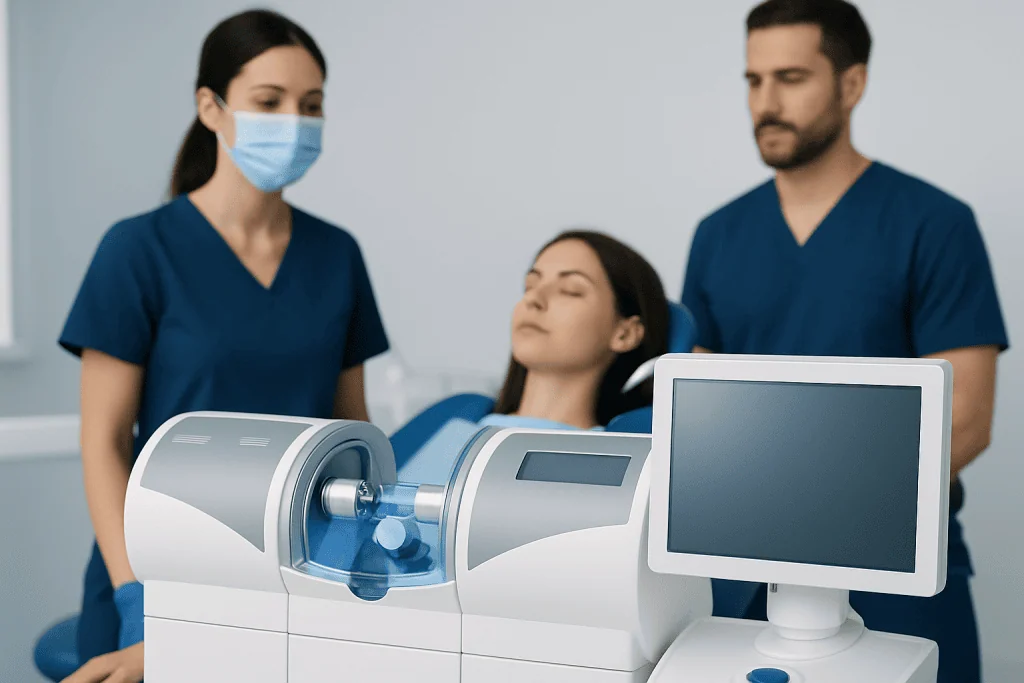
A crown is a custom-made cap that fits over a prepared tooth. It restores the tooth’s outer form and helps distribute chewing forces across the remaining structure. Zirconia crowns are made from zirconium dioxide, a ceramic known for high strength, resistance to wear and a metal-free composition.
After the tooth is carefully shaped, the dentist records its dimensions with a conventional impression or digital scan. A dental laboratory or digital manufacturing system creates the crown to fit the prepared tooth, adjacent teeth and bite. The finished crown is then checked and bonded or cemented into place.
Different zirconia materials offer different balances between strength and translucency. More translucent options can provide a more natural-looking result in some visible teeth, while stronger forms may be preferred where chewing pressure is greater. The dentist may recommend another ceramic, metal-ceramic crown or a more conservative restoration if it better serves the tooth.
Eligibility Criteria: What Dentists Assess

Good candidates generally have a tooth that can be predictably restored. There must be enough healthy tooth structure above or near the gum line for the crown to hold securely, or the dentist must determine that other measures can safely create the needed support. A tooth with an untreated infection, deep fracture or poor root prognosis may require different treatment.
Healthy gums and adequate bone support are also important. Bleeding gums, untreated periodontal disease and loose teeth should be assessed and managed before final crown placement whenever possible. A crown can protect a tooth, but it does not cure decay, gum disease or infection around the roots.
The dentist will evaluate the bite. Frequent clenching or grinding can place high forces on a crown and the opposing teeth. Zirconia may be a useful material in these situations because of its durability, but a night guard, bite adjustment or management of contributing factors may still be advised.
- Situations that may support candidacy: a fractured tooth, extensive filling, substantial tooth wear, a tooth after root canal treatment, severe discoloration or a misshapen tooth needing full coverage.
- Issues needing attention first: active decay, gum inflammation or periodontal disease, infection, poor plaque control, uncontrolled grinding, or insufficient remaining tooth structure.
- Factors that require individual planning: very high cosmetic expectations, limited space between teeth, heavily worn teeth, pregnancy-related gum changes and complex medical histories.
Assessment and Step-by-Step Procedure
The first appointment usually includes a discussion of symptoms, dental history, medical conditions, medications and goals. The dentist examines the tooth and surrounding tissues, checks the bite and may take dental X-rays to review the roots, bone and areas that cannot be seen directly. Photographs, scans and shade assessment may be used when appearance is a priority.
If the tooth is suitable, the dentist numbs the area and removes decay or failing restoration material as needed. The tooth is reshaped by a small, carefully planned amount so there is room for the crown. If the inner part of the tooth is significantly weakened, a buildup may be placed to provide support. Root canal treatment may be necessary first if the pulp is diseased or irreversibly damaged.
A scan or impression is then taken, and a temporary crown may be fitted while the final restoration is being made. At the fitting visit, the dentist checks the crown’s margins, color, contacts and bite before cementing it. Adjustments may be made to ensure that chewing feels comfortable and the crown is not taking excessive force.
A remote pre-assessment form may help an international patient share dental history, photographs and previous X-rays before travel. However, it is only a preliminary step; the final decision requires an in-person clinical examination and, when indicated, diagnostic imaging.
Benefits, Limits and Possible Risks
A well-planned zirconia crown can provide durable coverage for a compromised tooth, improve chewing comfort and restore a more natural tooth shape. Zirconia does not contain metal, and it can be a helpful choice for people who prefer a metal-free restoration. Its strength can be particularly useful in areas exposed to substantial chewing forces.
However, crowns have limits. The natural tooth beneath the crown remains susceptible to decay at the edge of the restoration if plaque accumulates. Gum recession over time can expose a crown margin, and a crown may eventually need repair or replacement because of wear, changes in the bite, decay or damage to the underlying tooth.
Possible short-term effects include temporary sensitivity, gum tenderness or mild discomfort after preparation. Less common concerns include a crown that feels high in the bite, chipping of the opposing tooth or restoration, loosening, fracture, or inflammation of the tooth nerve that later requires root canal treatment. Careful diagnosis, precise fitting and follow-up help reduce these risks, but cannot remove them completely.
Recovery Timeline and Looking After a Zirconia Crown
Most people return to usual daily activities shortly after tooth preparation and crown fitting. Numbness from local anesthetic may last for several hours, so it is sensible to avoid chewing until normal sensation returns. Mild sensitivity to temperature or pressure can occur for a short period, especially if the tooth was deeply restored before crown treatment.
A temporary crown should be treated gently. Sticky foods and very hard foods can dislodge or damage it, and flossing should follow the dentist’s instructions. Once the final crown is fitted, the person can usually resume normal eating gradually as comfort allows. If the bite feels uneven or painful when chewing, the dental team should be contacted promptly for an adjustment.
Long-term care is similar to caring for natural teeth: brush twice daily with fluoride toothpaste, clean between teeth every day and attend routine dental reviews and hygiene appointments. A dentist may recommend a protective night guard for people who clench or grind their teeth. Avoiding chewing ice, hard objects and non-food items can also help protect both the crown and natural teeth.
When to Seek Medical or Dental Care
Urgent dental advice is appropriate for severe tooth pain, facial swelling, fever, pus, difficulty swallowing, or trouble breathing. Difficulty breathing or swallowing with swelling needs emergency medical assessment, as it can indicate a spreading infection. A crown consultation should not delay care for symptoms of acute infection.
A person should arrange a routine dental visit if a tooth has persistent sensitivity, pain when biting, a crack, repeated food trapping, a loose filling, bleeding gums or a crown that feels loose, rough or high. Early assessment may allow treatment before the tooth becomes more difficult to restore.
For complex dental needs, Acibadem International’s multidisciplinary specialists and JCI-accredited hospitals diagnose and treat dental conditions for international patients. A clinician can explain whether zirconia crowns, another restoration or treatment for an underlying dental problem is the most appropriate next step.
Frequently asked questions
Am I a candidate for zirconia crowns if I have a large filling?
A tooth with a large filling may be a candidate if enough sound tooth structure remains and the root and surrounding tissues are healthy. A crown is often considered when a filling no longer provides adequate support. The dentist will assess for decay, cracks and the condition of the tooth pulp before recommending treatment.
Can zirconia crowns be used on front teeth?
Yes, certain zirconia materials can be used on front teeth. The best option depends on the desired translucency, the color of the underlying tooth, the bite and the neighboring teeth. In some cases, another ceramic may offer a more suitable aesthetic result.
Do I need root canal treatment before a zirconia crown?
Not every tooth receiving a crown needs root canal treatment. It is needed only when the pulp is infected, irreversibly inflamed or otherwise cannot remain healthy. The dentist uses symptoms, examination findings and X-rays to decide whether it is necessary.
Can I get a zirconia crown if I grind my teeth?
Possibly. Zirconia’s strength can make it a consideration for people who grind or clench, but grinding can still damage crowns, opposing teeth and jaw joints. A dentist may recommend a night guard and evaluate the bite before and after crown placement.
How long does it take to get a zirconia crown?
The process commonly involves an assessment and tooth preparation visit, followed by a fitting visit after the crown is made. Some clinics use digital workflows that may shorten the process for selected cases. The timing depends on the tooth’s condition, whether additional treatment is needed and the laboratory process.
Is a zirconia crown permanent?
A zirconia crown is designed to be long-lasting, but it is not permanent. It can need repair or replacement if it becomes damaged, the fit changes, decay develops around its edge or the underlying tooth changes. Consistent oral hygiene and regular dental check-ups support its longevity.
References
- American Dental Association
- National Institute of Dental and Craniofacial Research
- FDI World Dental Federation
- Mayo Clinic
This article is for general information only and is not a substitute for professional medical advice. Please consult a qualified doctor about your individual situation.
Explore treatments in Turkey — costs, top hospitals & a free quote
JCI-accredited · board-certified surgeons · reply within 24h
Add us as a Preferred Source to see more of our trusted health content across Google Search, AI Overviews and Discover.