

Amino Therapy: How It Works, Results and What to Expect

Amino therapy is a type of personalized cancer immunotherapy based on using immune cells to support an anti-cancer response. Not every person or cancer type is suitable; eligibility requires detailed cancer staging, laboratory testing and specialist assessment.
Key Takeaways
- Amino therapy is a type of personalized cancer immunotherapy based on using immune cells to support an anti-cancer response.
- Not every person or cancer type is suitable; eligibility requires detailed cancer staging, laboratory testing and specialist assessment.
- Treatment may involve cell collection, laboratory preparation, conditioning treatment and monitored cell infusion.
- Response can take weeks to months to assess, and imaging scans rather than symptoms alone are used to judge effectiveness.
- Potential side effects range from fatigue and fever to serious immune-related reactions that require prompt specialist care.
Amino therapy commonly refers to adoptive cellular immunotherapy, in which a patient’s own immune cells are collected, prepared or enhanced, and returned to help recognize and attack cancer cells. It is used for selected cancers in specialist settings, with timing, benefits and risks depending on the cancer type, treatment plan and individual health.
Overview: What Is Amino Therapy?
Amino therapy is a term sometimes used for adoptive cellular immunotherapy, an advanced form of cancer treatment that uses immune cells to help the body identify and attack cancer. It is not the same as taking amino acid supplements. In this context, treatment involves collecting certain white blood cells, preparing or modifying them in a specialized laboratory, and giving them back to the patient under close medical supervision.
Immune cells are part of the body’s natural defense system. Cancer can sometimes avoid immune detection or weaken the immune response around a tumor. Cellular immunotherapy aims to increase the number, activity or cancer-targeting ability of immune cells. Depending on the exact treatment, the cells may be tumor-infiltrating lymphocytes, T cells selected for their activity, or genetically modified T cells.
Amino therapy is available only for selected cancer types and clinical situations. It is usually considered in specialist oncology centers, often after a multidisciplinary team has reviewed previous treatments, the cancer’s characteristics, general health and possible alternatives.
How Does Amino Therapy Work?
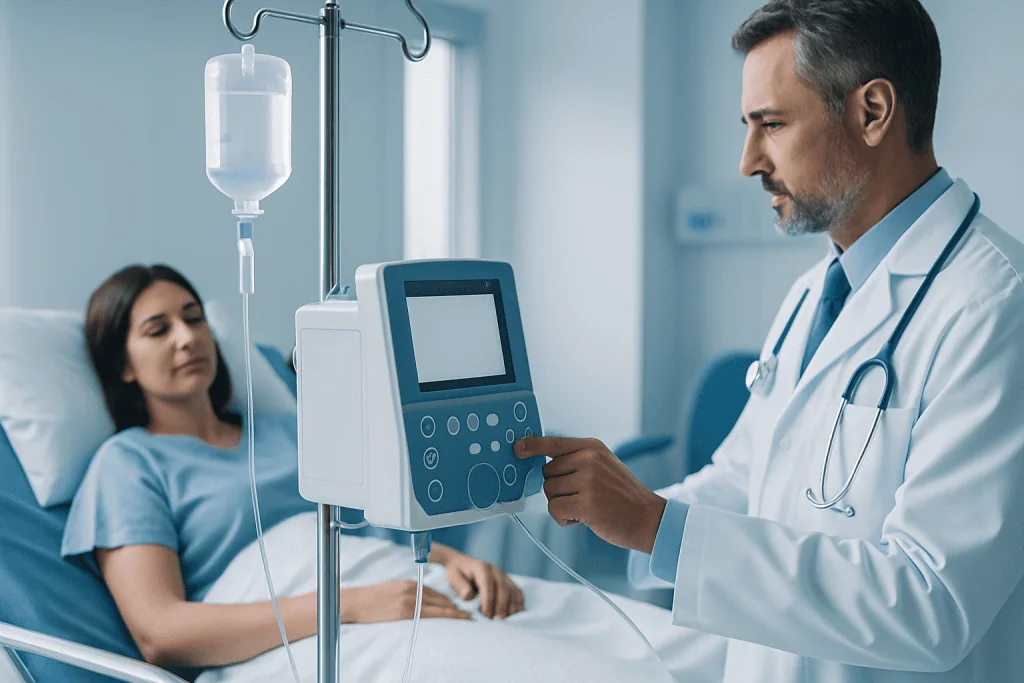
Understanding immunotherapy how it works begins with the immune system. T cells are white blood cells that can recognize abnormal cells and coordinate an immune response. However, cancer cells can develop ways to escape this surveillance. Cellular immunotherapy seeks to strengthen the ability of immune cells to find and respond to cancer cells.
For some approaches, immune cells are collected from a blood sample through a process called leukapheresis. For others, cells may be obtained from tumor tissue. In a laboratory, clinicians identify, expand or alter cells so they are better equipped to recognize a cancer-related target. The prepared cells are then infused into a vein, where they circulate through the body.
Some cell therapies include chemotherapy before the infusion. This is called lymphodepleting or conditioning treatment and may reduce certain immune cells temporarily, creating space for the infused cells to expand. The exact approach differs by cancer type, therapy availability and the treatment protocol. It should not be confused with standard chemotherapy given to directly destroy cancer cells.
Other forms of cancer immunotherapy, such as checkpoint inhibitor medicines, work differently: they release inhibitory signals that may be preventing immune cells from attacking cancer. A cancer specialist can explain whether cellular therapy, checkpoint inhibition, targeted therapy, surgery, radiation therapy or a combination is most appropriate.
Who May Be a Candidate for Amino Therapy?

Candidacy is individualized. Amino therapy may be discussed for certain blood cancers, melanoma and other solid tumors in specific circumstances, including when cancer has returned after treatment or has not responded adequately to standard options. Availability and approved uses differ between countries and may change as research progresses.
Before recommending treatment, the oncology team reviews the exact cancer diagnosis, pathology findings, stage, molecular testing where relevant, prior treatments, symptoms, organ function and performance status. Blood tests, scans and heart or lung assessments may be needed to determine whether a person can safely undergo collection, conditioning therapy and monitored infusion.
A person may be less suitable if they have uncontrolled infection, major organ dysfunction, very poor general health or another condition that makes intensive immune treatment unsafe. These factors do not automatically rule out care; they help clinicians select the safest, most useful plan. Supportive care and other anti-cancer treatments remain important options for many people.
Patients should tell their care team about all medicines, supplements, allergies, previous treatments and medical conditions. This is particularly important because immune therapies can interact with the body in complex ways and may require coordination across oncology, hematology, infectious disease, cardiology and critical care teams.
How Is Immunotherapy Done? Step by Step
Although individual protocols differ, immunotherapy how it is done usually follows a planned sequence. First, the cancer team confirms eligibility and explains expected benefits, limitations, possible complications and monitoring needs. Consent, baseline tests and practical planning are completed before cell collection or treatment preparation begins.
Cell collection is often performed by leukapheresis. Blood is taken through a vein or temporary access line, passed through a machine that separates selected white blood cells, and returned to the body. The collected cells are sent to a specialized laboratory. Manufacturing can take time, and some people receive treatment to control cancer during this period, when clinically appropriate.
Before the cell infusion, some patients receive conditioning treatment. The prepared cells are then administered intravenously, much like a blood transfusion. Depending on the therapy, admission to hospital may be required for observation and early management of side effects. The team monitors temperature, blood pressure, breathing, neurological status and blood counts closely.
Immunotherapy how often is it given depends on the specific treatment. Some cellular therapies involve one main infusion after cell preparation, whereas checkpoint inhibitor immunotherapy may be administered repeatedly at planned intervals. The treating oncologist determines the schedule based on the treatment type, treatment response and safety monitoring.
What Are the Benefits of Amino Therapy?
The potential benefit of amino therapy is that it uses a person’s immune system in a targeted effort to control cancer. In selected patients, cellular therapies can produce meaningful tumor shrinkage or remission, including when previous treatments have had limited effect. However, outcomes vary considerably and no treatment can promise a response.
Because the immune response may continue after cells are infused, some people may experience durable disease control. This possibility is one reason cellular therapies are important in modern oncology. Nevertheless, the benefit depends on the cancer type, its biology, disease extent, the treatment received and the individual’s immune response.
Amino therapy may also be combined with other cancer care measures when appropriate. Surgery, radiation treatment, standard chemotherapy, targeted medicines and supportive care each have different roles. A multidisciplinary discussion helps ensure that the plan reflects both cancer control and quality of life.
Benefits must always be weighed against treatment burden and possible complications. Patients can ask their team what outcome is realistic in their own situation, how success will be measured and what options remain if the cancer does not respond.
How Long Does Immunotherapy Take to Kick In?
There is no single timeline for immunotherapy how long to see results. After cellular infusion, immune cells may need time to multiply, travel to areas of cancer and exert their effects. The first formal assessment is often based on planned blood tests and imaging scans over the following weeks or months, according to the cancer and treatment protocol.
Symptoms can improve, stay the same or temporarily worsen for different reasons, including treatment side effects, inflammation or cancer-related symptoms. For this reason, symptoms alone cannot reliably show whether therapy is working. Scans, physical examinations, laboratory results and the patient’s overall condition are evaluated together.
What are good signs immunotherapy is working? Stable or improving scans, shrinking tumors, reduced cancer-related symptoms and improving laboratory findings can be encouraging signs when assessed by the oncology team. Some immunotherapies can cause inflammation that makes a tumor appear temporarily larger on imaging, so specialists may use repeat scans and specific response criteria before drawing conclusions.
Patients should attend all scheduled follow-up appointments even if they feel well. Early monitoring allows the team to identify response patterns and detect complications that may need treatment.
What Are the Side Effects of Amino Therapy?
Side effects of amino therapy depend on the cell product, conditioning treatment and the person’s overall health. Common short-term effects can include fatigue, fever, chills, nausea, low blood counts, reduced appetite and increased infection risk. Many of these are related to the preparatory treatment or the body’s immune response rather than the infusion itself.
Some cellular immunotherapies can cause a serious inflammatory reaction called cytokine release syndrome. Symptoms may include high fever, low blood pressure, rapid heartbeat, shortness of breath or confusion. Neurological effects, such as headache, difficulty speaking, drowsiness, tremor or seizures, can occur with certain therapies. These risks are why treatment is provided by experienced teams with close monitoring and rapid access to supportive care.
Patients should contact their treatment team promptly for fever, worsening breathlessness, chest pain, new confusion, severe weakness, persistent vomiting, bleeding, inability to drink fluids or any symptom that feels urgent. They should not try to manage potentially serious symptoms alone or wait for a routine appointment.
Longer-term follow-up may include blood tests, infection prevention measures, vaccination planning and assessment for delayed effects. The treating team provides individualized advice about activity, food safety, medicines, travel and when it is safe to return to usual routines.
Recovery, Follow-Up and When to Seek Medical Care
Recovery after amino therapy is variable. Some people remain in hospital for monitoring during the highest-risk period, while others may have outpatient follow-up once their condition is stable. Fatigue can persist for weeks, especially after conditioning therapy, and blood counts may take time to recover. Rest, adequate nutrition, infection precautions and practical support from family or caregivers can be helpful.
Follow-up usually includes regular clinical reviews, blood tests and imaging studies. The oncology team will explain restrictions related to driving, work, travel and exposure to people with infections. Patients should not start supplements or herbal products without checking first, as these may affect other treatments or recovery.
Medical care should be sought urgently for a fever, shaking chills, breathing difficulty, chest pain, fainting, confusion, severe headache, new weakness, seizures, uncontrolled diarrhea, signs of dehydration or unusual bleeding. A patient who is receiving cancer treatment should use the emergency contact instructions provided by their care team, as prompt assessment can be important.
Acibadem International’s multidisciplinary specialists and JCI-accredited hospitals support international patients who need assessment and treatment planning for complex cancers, including advanced immunotherapy where clinically appropriate.
Frequently asked questions
Is amino therapy the same as amino acid supplementation?
No. In oncology, amino therapy may refer to adoptive cellular immunotherapy using immune cells to fight cancer. Amino acid supplements are nutritional products and are not a substitute for evidence-based cancer treatment.
How long does immunotherapy take to work?
The time to response varies by cancer type and treatment. Some changes may be seen within weeks, but formal evaluation often requires scheduled scans and blood tests over weeks to months. The oncology team interprets results in context because inflammation can sometimes affect early imaging.
How often is immunotherapy given?
The schedule depends on the type of immunotherapy. Cellular therapies may involve cell collection, preparation and a single main infusion, while other immunotherapy medicines are often given repeatedly. The care team sets the schedule based on the treatment plan and safety needs.
Can amino therapy cure cancer?
For some selected patients and cancers, cellular immunotherapy may lead to deep and lasting responses. However, it cannot guarantee a cure, and outcomes vary between individuals. A cancer specialist can discuss realistic goals based on the specific diagnosis.
What are good signs that immunotherapy is working?
Possible signs include tumor shrinkage on scans, stable disease, improvement in cancer-related symptoms and favorable laboratory findings. Symptoms alone are not a dependable measure of response. Regular clinical and imaging follow-up is essential.
What side effects should be reported immediately?
Fever, chills, shortness of breath, chest pain, confusion, fainting, severe headache, seizures, persistent vomiting or unusual bleeding should be reported urgently. These symptoms can have different causes, but prompt assessment is important during or after intensive cancer treatment.
References
- National Cancer Institute
- American Cancer Society
- European Society for Medical Oncology
- U.S. Food and Drug Administration
- World Health Organization
This article is for general information only and is not a substitute for professional medical advice. Please consult a qualified doctor about your individual situation.
Oncology care in Turkey — second opinion and treatment plan
JCI-accredited · board-certified surgeons · reply within 24h
Add us as a Preferred Source to see more of our trusted health content across Google Search, AI Overviews and Discover.

More from the Health Library



Related Specialists

Prof. Dr. Fatih Köksal
Clinical Laboratory
Dr. Ahmad Nejat Ghaffarı
Infectious Diseases & Clinical Microbiology
Assoc. Prof. Dr. Hikmet Aktaş
General Surgery
Fzt. Ceren Kandemir Gençsoylu
Physical Medicine & Rehabilitation