Ampulla Hepatopancreatica: A Complete Medical Overview
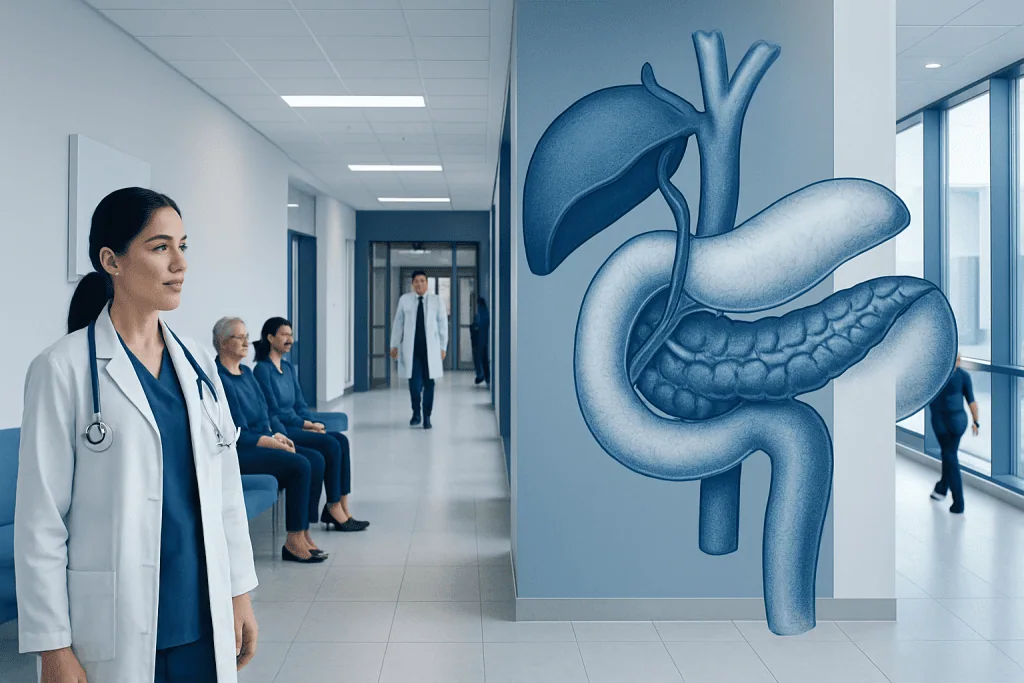
The ampulla hepatopancreatica is where bile and pancreatic enzymes enter the duodenum. Blockage, inflammation, stones, or tumors in this area can cause jaundice, abdominal pain, nausea, or pancreatitis.
Key Takeaways
- The ampulla hepatopancreatica is where bile and pancreatic enzymes enter the duodenum.
- Blockage, inflammation, stones, or tumors in this area can cause jaundice, abdominal pain, nausea, or pancreatitis.
- Diagnosis often combines blood tests with imaging and endoscopic procedures such as ERCP or endoscopic ultrasound.
- Treatment depends on the cause and may include observation, endoscopic therapy, surgery, or cancer care.
- Prompt medical review is important for yellowing of the skin, fever, severe abdominal pain, or vomiting.
The ampulla hepatopancreatica is the small but important opening where the bile duct and pancreatic duct empty into the first part of the small intestine. Conditions affecting this area can interfere with digestion and bile flow, sometimes leading to pain, jaundice, pancreatitis, or other digestive symptoms.
Overview: what the ampulla hepatopancreatica is
The ampulla hepatopancreatica, also called the ampulla of Vater, is a small channel in the wall of the duodenum, the first part of the small intestine. It is the point where the common bile duct and the main pancreatic duct usually join and release bile and pancreatic juice into the intestine. These fluids help the body digest fats, proteins, and carbohydrates.
Although it is small, this structure plays an important role in digestion. Bile carries substances made by the liver and stored in the gallbladder, while pancreatic juice contains enzymes and bicarbonate. Their controlled release through the ampulla helps digestion happen at the right time and in the right place.
A ring of muscle called the sphincter of Oddi helps regulate flow through this opening. If the ampulla or the nearby ducts become narrowed, blocked, inflamed, or affected by a growth, digestive fluids may not pass normally. This can lead to symptoms such as abdominal pain, jaundice, pale stools, dark urine, nausea, or pancreatitis.
How it works in digestion
Understanding the ampulla hepatopancreatica is easier when viewed as a meeting point between the liver, gallbladder, pancreas, and small intestine. The liver produces bile, the gallbladder stores and concentrates it, and the pancreas makes enzymes that break down food. The ampulla is where these pathways come together before entering the duodenum.
When a person eats, hormonal and nerve signals help coordinate release of bile and pancreatic juice. The sphincter of Oddi relaxes so that these fluids can pass into the intestine. Bile helps digest and absorb fats, while pancreatic enzymes digest proteins, fats, and carbohydrates.
If this flow is interrupted, the effects may be felt in more than one organ. For example, a stone near the ampulla can block bile flow and cause jaundice, or it can obstruct the pancreatic duct and trigger inflammation of the pancreas. This is why disorders in this small area can cause significant symptoms.
Symptoms and possible problems

Many conditions involving the ampulla hepatopancreatica cause similar symptoms because they interfere with bile or pancreatic drainage. Some people have only mild digestive discomfort, while others develop more noticeable warning signs. Symptoms may come on suddenly, such as with a stone, or gradually, such as with a narrowing or tumor.
Common symptoms can include upper abdominal pain, nausea, vomiting, bloating, poor appetite, jaundice, itching, dark urine, and pale stools. If the pancreatic duct is affected, the person may develop pancreatitis, which often causes severe abdominal pain that can spread to the back. Unexplained weight loss can occur in more serious underlying conditions.
Problems affecting this area may include:
- Gallstones passing into and blocking the ampulla
- Inflammation or swelling around the opening
- Narrowing, also called stenosis
- Functional disorders involving the sphincter of Oddi
- Benign growths such as adenomas
- Malignant tumors such as ampullary cancer
- Complications related to nearby disease in the pancreas, bile duct, or duodenum
Because these symptoms overlap with many digestive conditions, medical assessment is important. A clinician will look at the pattern of symptoms, examine the person, and use targeted tests to find the exact cause.
Causes and risk factors
The most common reason the ampulla hepatopancreatica becomes blocked is a gallstone that travels from the gallbladder into the bile duct. Even a small stone can cause a significant obstruction at this narrow opening. This may lead to jaundice, infection in the bile ducts, or acute pancreatitis.
Inflammation can also develop after irritation, infection, or repeated episodes of stone passage. In some people, scarring or narrowing forms over time. Less commonly, congenital anatomical variation or functional dysfunction of the sphincter of Oddi may affect flow through the ampulla.
Tumors are another important cause. Growths may arise directly from the ampulla or extend from nearby structures such as the pancreas, bile duct, or duodenum. Risk factors depend on the specific condition but may include gallstone disease, older age, chronic inflammation, certain inherited polyposis syndromes, smoking, and broader digestive tract disease.
Not every person with risk factors develops ampullary disease, and some people have no obvious risk factor at all. For this reason, new jaundice, persistent abdominal pain, or unexplained digestive symptoms should be evaluated rather than assumed to be minor.
How doctors diagnose ampullary disorders
Diagnosis begins with a medical history and physical examination. Doctors often ask about pain location, timing, jaundice, fever, weight loss, stool color, urine color, alcohol use, gallstones, and previous digestive problems. Blood tests may assess liver function, bilirubin, pancreatic enzymes, and signs of infection or inflammation.
Imaging helps show whether bile or pancreatic ducts are widened or blocked. Depending on the situation, this may include abdominal ultrasound, CT, MRI, or MRCP, a special MRI technique that shows the bile and pancreatic ducts in detail. These tests can identify stones, duct enlargement, masses, or complications such as pancreatitis.
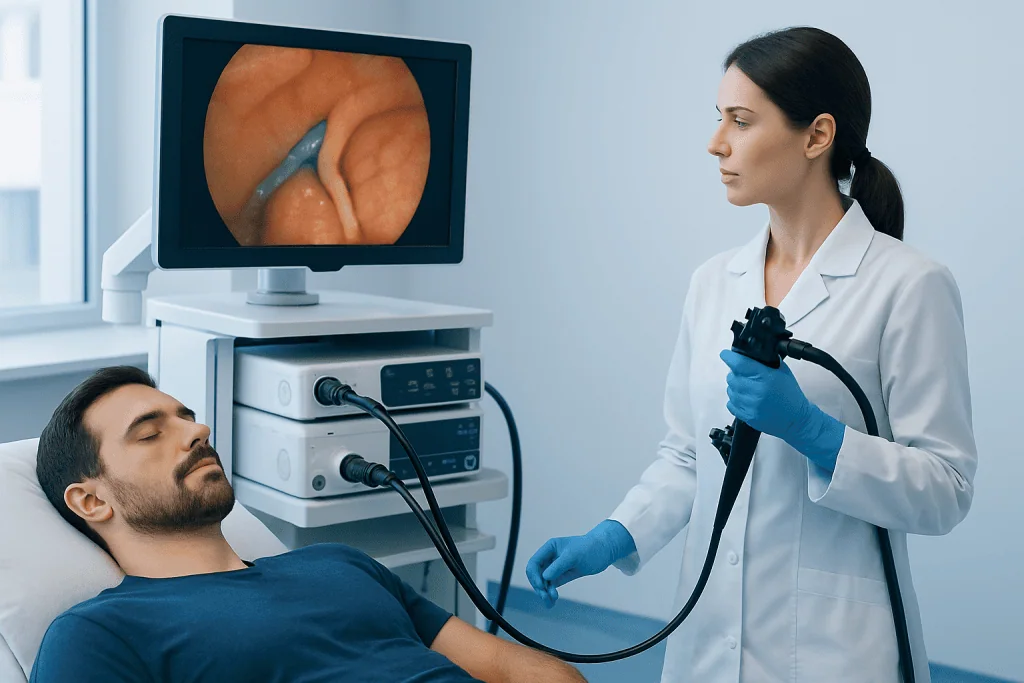
Endoscopic tests are often especially useful. During ERCP, a flexible endoscope is passed through the mouth into the duodenum so the doctor can examine the area of the ampulla, inject contrast into the ducts, and sometimes treat the problem during the same procedure. Endoscopic ultrasound can provide close-up images and may help with biopsy when a lesion is suspected.
If a tumor or suspicious lesion is found, tissue sampling may be recommended to confirm the diagnosis and guide treatment. Doctors then assess whether the problem is localized to the ampulla or involves nearby organs. In complex cases, a multidisciplinary team may review results together.
Treatment options
Treatment for ampulla hepatopancreatica disorders depends on the underlying cause. A temporary obstruction from a stone may be managed very differently from a benign adenoma or a cancerous tumor. The main goals are to restore normal flow of bile and pancreatic juice, relieve symptoms, and treat the underlying disease.
Endoscopic treatment is often the first step for obstructive problems. During ERCP, doctors may remove stones, cut the sphincter to improve drainage, place a stent, or take biopsies. Some benign lesions can be removed endoscopically in selected patients, though careful follow-up is important.
If there is infection, pancreatitis, or significant inflammation, supportive medical care may be needed. This can include fluids, pain control, close monitoring, and treatment of any infection. When gallstones are the cause, management may also involve treatment of the gallbladder to reduce the chance of future episodes, sometimes with gallbladder surgery.
For tumors, treatment depends on the size, type, and extent of disease. Options may include endoscopic removal for selected early lesions, surgery, or oncologic care. If the disease involves the pancreas or nearby structures, evaluation in a center experienced in pancreatic cancer treatment and related hepatopancreatobiliary surgery can be important. Near the end of the care pathway, some people benefit from follow-up with multidisciplinary specialists; Acibadem International’s JCI-accredited hospitals provide diagnosis and treatment for international patients with digestive and hepatopancreatobiliary conditions.
Prevention and self-care
There is no single way to prevent every ampullary disorder, but some steps can support digestive health and reduce risk from common causes. Managing gallstone risk is one example. Maintaining a healthy weight, staying physically active, and avoiding repeated rapid weight loss may help lower the likelihood of gallstone formation in some people.
General measures that support liver, gallbladder, and pancreatic health include limiting alcohol if advised by a doctor, not smoking, eating a balanced diet, and seeking care for persistent digestive symptoms rather than ignoring them. People with a history of gallstones, pancreatitis, or inherited gastrointestinal syndromes may need more specific medical follow-up.
Self-care should not replace medical assessment when symptoms suggest blockage or inflammation. Home measures cannot reliably treat jaundice, pancreatitis, or a bile duct obstruction. However, after a doctor evaluates the problem, following dietary guidance, staying hydrated, and attending follow-up appointments can support recovery.
When to seek medical care
Medical advice should be sought promptly for yellowing of the eyes or skin, severe or persistent upper abdominal pain, repeated vomiting, fever, chills, or new dark urine and pale stools. These can be signs that bile flow is blocked or that the pancreas or bile ducts are inflamed or infected.
Urgent care is especially important if abdominal pain is intense, spreads to the back, or is accompanied by fever or faintness. These symptoms may occur with acute pancreatitis or biliary infection, both of which can require hospital treatment. People with known gallstones or previous duct problems should not assume a new episode will settle on its own.
If symptoms are milder but continue for more than a few days, or if there is unexplained weight loss, poor appetite, or recurrent indigestion, a doctor should assess the cause. Early evaluation can help identify conditions affecting the ampulla hepatopancreatica before complications develop.
Frequently asked questions
Is the ampulla hepatopancreatica the same as the ampulla of Vater?
Yes. Ampulla hepatopancreatica is the anatomical term, and ampulla of Vater is the commonly used clinical name. Both refer to the same opening where bile and pancreatic secretions enter the duodenum.
Can a problem in the ampulla hepatopancreatica cause jaundice?
Yes. If the ampulla becomes blocked or narrowed, bile may not flow normally into the intestine. This can cause bilirubin to build up in the body, leading to jaundice, dark urine, pale stools, and itching.
What is the difference between an ampullary disorder and pancreatitis?
An ampullary disorder refers to a problem at the opening where the bile and pancreatic ducts empty into the intestine. Pancreatitis means inflammation of the pancreas. A blockage at the ampulla can sometimes trigger pancreatitis by preventing pancreatic juice from draining properly.
How is an ampullary blockage treated?
Treatment depends on the cause. Doctors may use endoscopic procedures such as ERCP to remove a stone, widen a narrowed area, place a stent, or take a biopsy. If a tumor is present, surgery or cancer treatment may be needed.
Are ampullary tumors always cancerous?
No. Some growths in the ampullary region are benign, such as adenomas. However, because some lesions can become cancerous or already contain cancer cells, doctors usually evaluate them carefully with imaging, endoscopy, and sometimes biopsy.
Can imaging alone diagnose a condition affecting the ampulla hepatopancreatica?
Imaging is very helpful, but it may not always provide the full answer. Blood tests, endoscopy, and sometimes tissue sampling are often needed to confirm the exact cause and plan treatment. The right combination of tests depends on the symptoms and suspected condition.
References
- National Institute of Diabetes and Digestive and Kidney Diseases
- National Cancer Institute
- American College of Gastroenterology
- American Society for Gastrointestinal Endoscopy
- Merck Manual Professional Edition
This article is for general information only and is not a substitute for professional medical advice. Please consult a qualified doctor about your individual situation.
Persistent digestive symptoms? Get evaluated in Turkey
JCI-accredited · board-certified surgeons · reply within 24h
Add us as a Preferred Source to see more of our trusted health content across Google Search, AI Overviews and Discover.

More from the Health Library

Cerebral Palsy: An Evidence-Based Guide for Patients

Grey Hair Dye: A Complete Medical Overview

Allergic Skin Eruptions: What Patients Need to Know

Gluten Free Chicken Nuggets: A Complete Medical Overview

Tetracycline: A Complete Medical Overview