Anabolic vs Catabolic: Key Differences and How Doctors Tell Them Apart
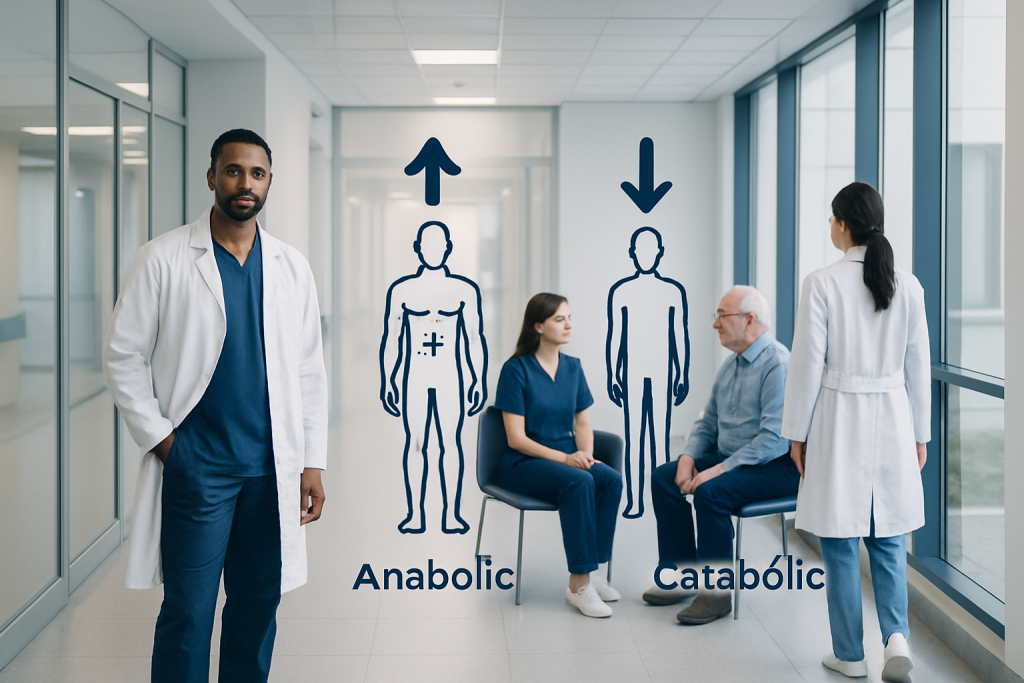
Anabolic processes help the body build muscle, bone, and energy stores. Catabolic processes break down stored fuel and body tissues to meet energy needs.
Key Takeaways
- Anabolic processes help the body build muscle, bone, and energy stores.
- Catabolic processes break down stored fuel and body tissues to meet energy needs.
- Neither state is always bad; both are normal, but prolonged catabolism can signal illness, undernutrition, or hormonal imbalance.
- Clinicians distinguish anabolic from catabolic patterns using history, physical exam, weight and muscle changes, and targeted blood tests.
- Treatment depends on the cause and may include nutrition support, exercise changes, and treatment of underlying medical conditions.
Anabolic and catabolic are two sides of metabolism: anabolic processes build tissues and stores, while catabolic processes break them down to release energy. Doctors tell them apart by looking at symptoms, nutrition, activity, medical history, and lab results rather than by one sign alone.
Overview: anabolic vs catabolic at a glance
Anabolic vs catabolic describes the two main directions of metabolism. Anabolism means the body is building: making muscle proteins, repairing tissues, storing glycogen, and supporting growth. Catabolism means the body is breaking down: using glycogen, fat, or sometimes muscle protein to release energy.
Both are normal and necessary. A healthy body shifts between them all day depending on food intake, activity, sleep, stress, hormones, and illness. The clinical question is not simply whether a person is anabolic or catabolic, but whether one side is dominating for too long and whether that pattern fits the person’s health situation.
The table below shows the difference in a practical, side-by-side way.
- Anabolic: builds and repairs tissues; usually supported by adequate nutrition, rest, resistance exercise, insulin, growth hormone, testosterone, and estrogen
- Catabolic: breaks down fuel stores and sometimes body tissue; often rises with fasting, intense exercise, infection, injury, uncontrolled diabetes, high stress hormones, or chronic disease
- Typical body effect: anabolic states favor recovery and growth; catabolic states favor energy release and weight loss
- Muscle impact: anabolic supports muscle maintenance or gain; catabolic can lead to muscle loss if prolonged
- Examples: healing after a balanced meal and training response are anabolic; overnight fasting is mildly catabolic and normal
- When it becomes a concern: unexplained weight loss, weakness, poor healing, loss of appetite, or persistent fatigue may suggest excessive catabolism
In everyday use, people sometimes frame anabolic as “good” and catabolic as “bad.” In medicine, that is too simple. A short catabolic phase during exercise or between meals is expected. Problems arise when the body cannot return to a balanced, rebuilding state.
How metabolism normally shifts between building and breakdown

Metabolism is dynamic, not fixed. After eating, especially when enough calories and protein are available, the body tends to move toward an anabolic state. Nutrients are absorbed, insulin rises, and cells have the raw materials to repair tissues and store energy for later use.
Between meals, during sleep, and during physical activity, the body naturally becomes more catabolic. It draws on stored glycogen and fat to keep blood sugar steady and power the brain, heart, and muscles. This is a healthy adaptation, not automatically a sign of disease.
Hormones help direct these shifts. Insulin generally supports nutrient storage and tissue building. Cortisol and other stress-related hormones can increase breakdown when the body needs quick energy. Thyroid hormone, sex hormones, and growth-related signals also influence whether the body leans more toward building or breaking down.
Age, training level, illness, and recovery all matter. For example, an athlete may cycle through brief catabolism during exercise and then enter an anabolic recovery phase with rest and nutrition. By contrast, a person with chronic infection, malabsorption, or uncontrolled endocrine disease may remain in a more catabolic state for longer than expected.
Signs and symptoms that may suggest a more anabolic or catabolic pattern

There is no single symptom that proves a person is anabolic or catabolic. Instead, clinicians look for patterns over time. A more anabolic pattern may be suggested by stable or improving strength, recovery after exercise, normal wound healing, steady energy, and maintenance or gain of lean body mass when nutrition is adequate.
A more catabolic pattern may show up as unintentional weight loss, reduced muscle mass, weakness, poor exercise tolerance, slow healing, frequent illness, fatigue, or loss of appetite. Some people also notice that clothes fit more loosely in the arms and thighs, which may reflect muscle loss rather than fat loss alone.
Symptoms can overlap with many medical conditions. For example, persistent muscle wasting and fatigue may be seen with endocrine disorders, chronic inflammation, digestive diseases that limit nutrient absorption, or systemic illness. When symptoms are unexplained, doctors may consider conditions such as diabetes or thyroid disorders as part of the evaluation.
Context matters. Weight loss during a planned exercise and nutrition program is different from weight loss that occurs despite eating normally. Likewise, temporary muscle soreness after training is not the same as progressive weakness, which deserves medical review.
How doctors tell them apart
Clinicians do not diagnose an anabolic or catabolic state from appearance alone. They begin with a careful history: recent weight change, appetite, exercise habits, sleep, stress, medications, fever, digestive symptoms, and any known medical conditions. They also ask whether the change is intentional, such as training-related, or unexpected.
The physical exam may focus on body composition, signs of dehydration, loss of muscle bulk, edema, skin and hair changes, and evidence of systemic disease. A doctor may assess grip strength, functional status, or how easily a person rises from a chair, since muscle function often changes before severe weight loss becomes obvious.
Laboratory testing helps identify the reason behind the metabolic pattern. Depending on the case, this may include blood glucose, hemoglobin A1c, thyroid function tests, kidney and liver tests, inflammatory markers, complete blood count, electrolytes, albumin or prealbumin trends, and sometimes hormone studies. If muscle injury or severe breakdown is suspected, additional tests may be used to look at muscle enzymes and related complications.
Doctors also evaluate nutrition and absorption. If someone is losing weight despite adequate intake, they may look for gastrointestinal or inflammatory causes. If the concern is major muscle loss or persistent weakness, clinicians may involve specialists in endocrinology, internal medicine, nutrition, or rehabilitation. When clinically appropriate, diagnostic workups can be supported by imaging or structured metabolic assessment, and some patients may benefit from broader endocrine evaluation or check-up and screening to look for underlying disease.
Common causes of an anabolic or catabolic state
A more anabolic state is usually supported by adequate calories, sufficient protein, regular resistance exercise, restorative sleep, and overall hormonal balance. Puberty, pregnancy, healing after injury, and structured strength training commonly involve anabolic processes. In medicine, recovery after surgery or illness also depends on re-establishing an anabolic environment for tissue repair.
Catabolic states can be short-term and normal, such as fasting overnight or the energy demands of endurance exercise. However, prolonged catabolism may occur with undernutrition, severe calorie restriction, chronic stress, infection, inflammatory disease, uncontrolled diabetes, overtraining, hyperthyroidism, cancer, or prolonged hospitalization. Some medications can also affect appetite, hormones, or muscle mass.
In older adults, the balance can shift more easily toward catabolism because of lower appetite, reduced activity, chronic disease, or age-related muscle loss. This is one reason clinicians pay close attention to unexplained weight loss and frailty. In such cases, targeted evaluation and treatment of contributing conditions are often more important than focusing on metabolism as an abstract label.
If doctors suspect an endocrine driver, treatment may include formal evaluation through endocrinology care. If unexplained weight and muscle loss are prominent, underlying digestive or systemic diseases may also be explored rather than assuming the problem is only diet-related.
What to do for each case
If a person is healthy and simply trying to support a more anabolic recovery pattern, the basics are usually practical: eat enough calories for activity level, include regular protein across the day, prioritize sleep, and use progressive resistance exercise rather than relying on extreme routines. Recovery days matter because building occurs after training stress, not only during it.
If there are signs of excessive catabolism, self-treatment should not replace medical assessment. The first step is to look for the cause. A clinician may recommend dietary review, hydration, correction of sleep disruption, adjustment of training volume, and treatment of any infection, endocrine condition, inflammatory disease, or digestive disorder that is preventing normal rebuilding.
Nutritional support may be important when appetite is poor, illness is present, or healing demands are increased. Some people need a structured plan from a physician or dietitian to improve calorie and protein intake safely, especially after surgery, during cancer treatment, or with chronic disease. Physical therapy or supervised exercise may help restore strength once the underlying problem is addressed.
Management is individualized. For example, uncontrolled blood sugar can push the body into a more catabolic state, so better metabolic control becomes part of treatment. In selected cases, multidisciplinary care may involve nutrition and diet support and evaluation for related weight-management concerns when body composition and metabolic health need a broader plan.
When to seek medical care
Medical care is appropriate if there is unintentional weight loss, noticeable muscle loss, ongoing weakness, poor wound healing, persistent fatigue, loss of appetite, fever, night sweats, frequent infections, or symptoms that interfere with daily life. These features do not automatically mean a serious disease is present, but they do warrant a professional evaluation.
Urgent care is especially important if symptoms come with dehydration, confusion, chest pain, severe shortness of breath, repeated vomiting, fainting, or signs of severe high or low blood sugar. Rapid muscle breakdown can also be an emergency if it is associated with severe pain, dark urine, or marked weakness.
For athletes and active adults, medical review is sensible if performance declines sharply, recovery becomes unusually slow, or restrictive eating is accompanied by dizziness, menstrual changes, repeated injuries, or significant mood changes. These patterns can signal low energy availability or another medical issue rather than ordinary training fatigue.
Near the end of the care pathway, some patients may benefit from coordinated support across endocrinology, nutrition, internal medicine, and rehabilitation. Acibadem International’s multidisciplinary specialists in JCI-accredited hospitals evaluate metabolic and underlying medical causes for international patients when further assessment is needed.
Frequently asked questions
Is anabolic always good and catabolic always bad?
No. Both are normal parts of metabolism and the body needs both to function. The concern is usually not the presence of catabolism itself, but whether breakdown is excessive, prolonged, or caused by an untreated health problem.
Can someone be anabolic and catabolic at the same time?
Yes, different tissues and processes can be in different metabolic states at once. For example, a person may be breaking down stored fuel during exercise while later building muscle proteins during recovery.
What is the main sign of a catabolic state?
There is no single main sign, but unintentional weight loss and loss of muscle strength are common clues. Doctors look at the whole pattern, including appetite, energy, illness, exercise load, and laboratory findings.
How do blood tests help doctors tell anabolic from catabolic problems apart?
Blood tests do not measure a simple on-off anabolic or catabolic switch. Instead, they help identify causes such as high blood sugar, thyroid disease, inflammation, kidney or liver problems, malnutrition, or muscle injury.
Can dieting make the body catabolic?
Yes, especially if calorie restriction is severe, prolonged, or paired with inadequate protein. A balanced plan that preserves nutrition and muscle mass is usually safer than extreme dieting.
Does exercise make the body catabolic?
During exercise, the body does use stored fuel, which is a catabolic process. But with enough recovery, nutrition, and appropriate training, exercise also supports anabolic adaptation such as improved strength and fitness.
When should unexplained muscle loss be checked by a doctor?
It should be checked if it is persistent, worsening, or linked with fatigue, weakness, poor appetite, fever, or unintentional weight loss. A clinician can look for common medical causes and guide safe treatment.
References
- National Institutes of Health
- MedlinePlus
- Merck Manual Consumer Version
- American Diabetes Association
- Endocrine Society
This article is for general information only and is not a substitute for professional medical advice. Please consult a qualified doctor about your individual situation.
Medical weight-loss options in Turkey — costs & eligibility
JCI-accredited · board-certified surgeons · reply within 24h
Add us as a Preferred Source to see more of our trusted health content across Google Search, AI Overviews and Discover.

More from the Health Library



Related Specialists

Dr. Sinan Aksu
Orthopedic Surgery & Traumatology
Dr. Ecem Sevim Akı
Otorhinolaryngology
Prof. Dr. Ayşe Korkmaz Toygar
Neonatal Intensive Care Unit
Dr. Yalçın Culha
Inpatient Clinic Physicians Clinical Service