Anal Cancer Treatment: How It Works, Results and What to Expect

Combined chemotherapy and radiation is the usual first treatment for many anal cancers. Treatment planning uses imaging, examination and biopsy results to define the cancer stage.
Key Takeaways
- Combined chemotherapy and radiation is the usual first treatment for many anal cancers.
- Treatment planning uses imaging, examination and biopsy results to define the cancer stage.
- Surgery is not routinely the first option but may be appropriate for persistent or recurrent cancer.
- Skin irritation, bowel changes, fatigue and blood-count changes are common treatment effects that can be actively managed.
- Regular follow-up is essential because treatment response may continue to develop for months after chemoradiation.
Anal cancer treatment most often uses chemotherapy given with radiation therapy, an approach designed to destroy cancer cells while preserving the anal sphincter whenever possible. The treatment plan, expected results and recovery needs depend on the cancer’s stage, location, overall health and response to initial therapy.
Overview: How Anal Cancer Treatment Works
Anal cancer treatment is tailored to the type and stage of cancer, but for most squamous cell anal cancers, the main approach is chemoradiation: chemotherapy and radiation therapy delivered during the same treatment period. Radiation directs high-energy beams at the tumor and nearby lymph-node areas at risk. Chemotherapy makes cancer cells more sensitive to radiation and also treats cancer cells that may be too small to detect on scans.
This combined approach has changed the role of surgery. In many cases, it can control the cancer without removing the anus or creating a permanent colostomy. Surgery may still be recommended for a small early tumor that can be removed locally, for a cancer that remains after chemoradiation, or if cancer returns after initial treatment.
A coordinated plan commonly involves a colorectal surgeon, medical oncologist, radiation oncologist, radiologist, pathologist, specialist nurses and supportive-care professionals. The goal is not only cancer control, but also protection of bowel, urinary and sexual function and support for day-to-day wellbeing throughout treatment.
Who May Need Treatment and How Plans Are Chosen
Anal cancer is diagnosed through a biopsy, meaning a small tissue sample is examined by a pathologist. Before treatment begins, the care team determines the stage of the cancer. This usually includes a physical examination, an examination of the anal canal and rectum, and imaging such as magnetic resonance imaging (MRI), computed tomography (CT) or positron emission tomography (PET-CT) when appropriate.
Planning takes account of tumor size, whether nearby lymph nodes are involved, whether cancer has spread elsewhere, the exact cell type, previous pelvic radiation, immune health and other medical conditions. The majority of anal cancers are squamous cell cancers. Less common types, such as adenocarcinoma or melanoma, may require a different approach and should be reviewed by an experienced multidisciplinary team.
People with localized anal cancer are often candidates for curative-intent chemoradiation. Those with disease that has spread to distant organs may need systemic treatment, such as chemotherapy, immunotherapy in selected circumstances, radiation for symptom control, or a combination of these approaches. A personalized discussion helps patients understand the purpose of each option.
- Early, small tumors may occasionally be treated with local surgical removal.
- Most localized squamous cell cancers are treated with combined chemotherapy and radiation.
- Persistent or recurrent local cancer may require salvage surgery.
- Metastatic disease is managed with systemic therapy and individualized supportive care.
The Treatment Journey Step by Step
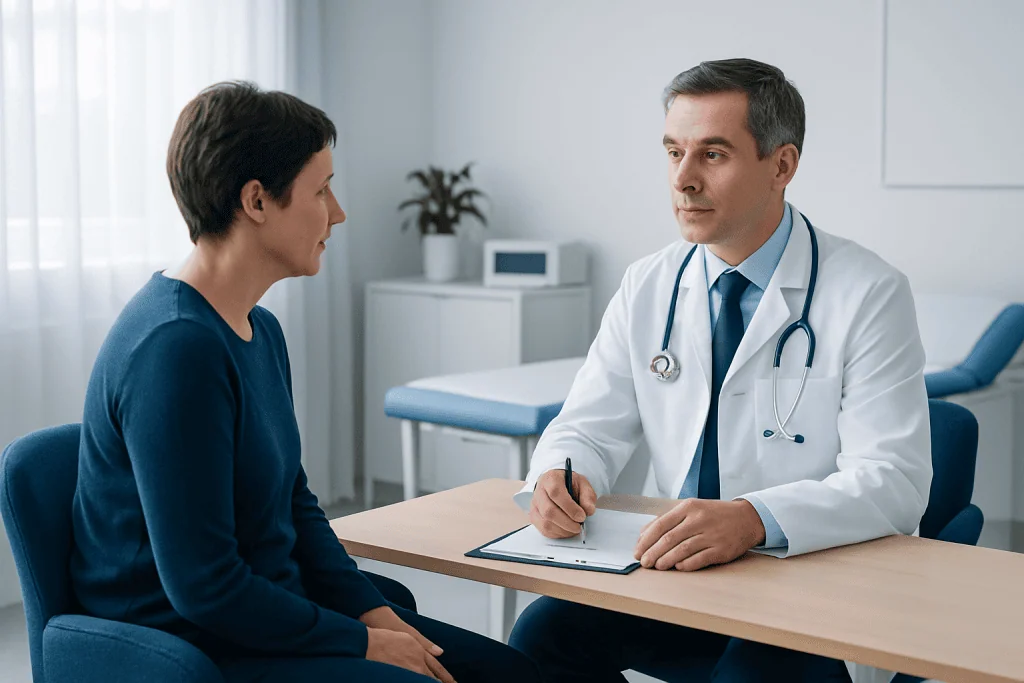
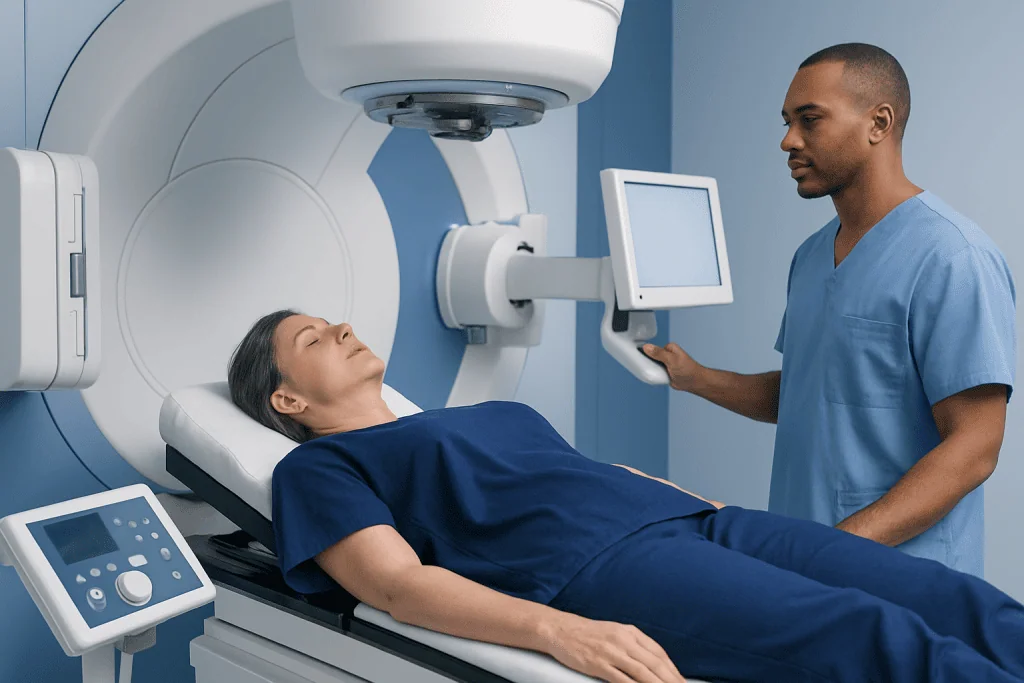
Planning begins with consultations and treatment-mapping scans. For radiation, the patient lies in a reproducible position while a planning CT scan is performed. The radiation oncology team uses this scan, along with MRI or PET-CT findings when available, to shape the treatment fields precisely. Small skin marks or tattoos may be used to ensure consistent positioning at each visit.
External-beam radiation is usually delivered on weekdays over several weeks. Each daily appointment is generally brief, and the radiation itself is painless. The treatment team may use modern planning techniques to limit radiation exposure to nearby healthy tissue as much as safely possible. The exact schedule varies with the stage, anatomy and treatment protocol.
Chemotherapy is given during the radiation course according to the chosen regimen. It may be administered through a vein, sometimes using a central venous access device, and some medicines may be taken by mouth. Blood tests are performed regularly to monitor blood cell counts and organ function. The oncology team may adjust timing or provide supportive medicines if side effects become significant.
Once chemoradiation is complete, assessment is not immediate in every case because tumors can continue to shrink and heal over time. Follow-up examinations and scans are scheduled at intervals chosen by the care team. This careful waiting period can prevent unnecessary surgery while still allowing prompt action if cancer persists or returns.
Benefits, Expected Results and Limits of Treatment
For many people with localized squamous cell anal cancer, chemoradiation offers a strong possibility of controlling the cancer while avoiding removal of the anal sphincter. Preserving the ability to pass stool normally is an important benefit of this strategy. However, every outcome is individual, and no treatment can guarantee a cure.
Response depends on several factors, including the cancer stage, lymph-node involvement, tumor biology, completion of planned treatment and overall health. The oncology team reviews response through examinations, imaging and, when needed, biopsy. A visible or palpable abnormality shortly after therapy does not always mean treatment has failed, because inflammation and healing can take time.
If cancer is still present after an appropriate observation period or returns in the anal area, an operation called abdominoperineal resection may be considered. This removes the anus and rectum and creates a permanent colostomy, in which stool exits through an opening in the abdomen into a pouch. Although this is a major change, specialist stoma support and rehabilitation can help patients adapt.
For cancer that has spread, treatment focuses on slowing disease, controlling symptoms and maintaining quality of life. Newer systemic options may be suitable for selected patients, particularly when standard chemotherapy has not controlled the disease. Decisions should be based on the person’s goals, cancer characteristics and potential benefits and risks.
Side Effects, Risks and Support During Treatment
Because radiation is directed at the pelvis and anal region, skin soreness, redness, peeling, itching and pain during bowel movements are common. Diarrhea, urgency, mucus discharge, gas, fatigue, bladder irritation and temporary changes in sexual comfort can also occur. Chemotherapy may add nausea, mouth sores, diarrhea, lowered blood counts or a greater risk of infection, depending on the medicines used.
Symptoms often build gradually during treatment and may be most noticeable in the final weeks and shortly afterward. The care team can offer pain relief, skin-care advice, bowel-management strategies, anti-nausea medicines, nutritional support and treatment for dehydration or infection when necessary. Patients should report symptoms early rather than trying to manage severe discomfort alone.
Some effects can last beyond treatment. These may include changes in bowel frequency or urgency, anal narrowing, pelvic discomfort, vaginal dryness or narrowing, erectile difficulties, early menopause or fertility concerns. Not everyone develops long-term effects, and many can be improved with specialist follow-up, pelvic-floor rehabilitation, sexual-health support or other treatments.
There is also a small risk of serious complications, such as severe infection during low blood counts, bowel obstruction, bleeding or tissue injury. The treating team explains individual risks before treatment and provides clear instructions for urgent concerns. Support from dietitians, stoma nurses, psychologists and rehabilitation professionals can be valuable throughout recovery.
Recovery Timeline and Self-Care After Treatment
Recovery after chemoradiation is gradual. Fatigue, skin reactions and bowel symptoms may continue for several weeks after the final radiation session before they begin to settle. Some people are able to maintain parts of their normal routine during therapy, while others need time away from work, extra help at home or more frequent clinical review.
During recovery, patients are usually encouraged to drink enough fluids, eat regular nourishing meals and ask for dietitian advice if diarrhea, poor appetite or weight loss occurs. Gentle activity, such as short walks when tolerated, may help with fatigue and mood. Skin in the treatment area should be cared for only with products recommended by the radiation team, as certain creams or fragranced products can worsen irritation.
Follow-up visits are an essential part of anal cancer treatment. They may include digital rectal examination, inspection of the anal area, assessment of groin lymph nodes and imaging when indicated. Follow-up also addresses late effects, emotional wellbeing and practical matters such as return to work, intimacy and bowel routine.
Stopping smoking, if applicable, and keeping recommended vaccinations and general preventive care up to date support overall health. Patients should not begin supplements, herbal products or restrictive diets during cancer treatment without discussing them with their oncology team, as some can affect treatment or recovery.
When to Seek Medical Care
Anyone with rectal bleeding, anal pain, a persistent lump, itching that does not settle, change in bowel habits, unexplained weight loss or swollen lymph nodes in the groin should arrange a medical assessment. These symptoms are often caused by non-cancerous conditions such as hemorrhoids or fissures, but a clinician can determine whether further examination is needed. Persistent symptoms should not be assumed to be hemorrhoids without evaluation.
During anal cancer treatment, the oncology team should be contacted promptly for fever, chills, worsening weakness, inability to drink fluids, uncontrolled vomiting or diarrhea, severe pain, new heavy bleeding, confusion, shortness of breath, or a rapidly worsening skin reaction. Patients should follow the urgent-contact instructions provided by their treatment center, since low blood counts or dehydration may need timely care.
After treatment, new or persistent anal symptoms, bowel changes, pelvic pain or groin lumps should also be reported between scheduled follow-up visits. Early evaluation helps distinguish normal healing effects from problems that need treatment. Acibadem International’s multidisciplinary specialists and JCI-accredited hospitals diagnose and treat anal cancer for international patients, with care coordinated around each individual treatment plan.
Frequently asked questions
What is the standard treatment for anal cancer?
For many people with localized squamous cell anal cancer, the standard treatment is chemotherapy given at the same time as radiation therapy. This approach aims to control the cancer while preserving the anus and its function. The exact regimen and radiation plan depend on the stage and the person’s health.
Is surgery always needed for anal cancer?
No. Surgery is not routinely the first treatment for most localized squamous cell anal cancers because chemoradiation can often control the disease without removing the anus. Surgery may be considered for very small selected tumors, cancer that persists after treatment, or cancer that returns locally.
How long does anal cancer chemoradiation take?
Radiation is commonly delivered on weekdays over several weeks, while chemotherapy is scheduled during that course. The precise duration and timing vary according to the treatment plan. Planning appointments and follow-up visits add to the overall treatment period.
What are the most common side effects of anal cancer treatment?
Common effects include tiredness, soreness and irritation of skin around the anus and groin, diarrhea, bowel urgency and discomfort with bowel movements. Chemotherapy can also cause nausea, mouth sores or low blood counts. The treatment team can provide medicines and practical strategies to reduce these effects.
Can anal cancer come back after treatment?
Yes, recurrence is possible, which is why regular follow-up is important. Cancer may return locally in the anal area or, less commonly, elsewhere in the body. If this happens, further treatment may include surgery, systemic therapy, radiation in selected situations or supportive care, depending on the circumstances.
When will doctors know whether treatment has worked?
The first assessment is planned after treatment, but the full response may take several months because radiation effects continue after the final session. Doctors use physical examinations and, when appropriate, imaging or biopsy to assess the response. A planned period of observation can be appropriate when the treated area is still healing.
References
- National Cancer Institute
- American Cancer Society
- National Comprehensive Cancer Network
- European Society for Medical Oncology
- World Health Organization
This article is for general information only and is not a substitute for professional medical advice. Please consult a qualified doctor about your individual situation.
Oncology care in Turkey — second opinion and treatment plan
JCI-accredited · board-certified surgeons · reply within 24h
Add us as a Preferred Source to see more of our trusted health content across Google Search, AI Overviews and Discover.