Anal Skin Tags: An Evidence-Based Guide for Patients

Anal skin tags are usually harmless and are not contagious. They may remain after an external hemorrhoid, anal fissure, childbirth, or repeated irritation.
Key Takeaways
- Anal skin tags are usually harmless and are not contagious.
- They may remain after an external hemorrhoid, anal fissure, childbirth, or repeated irritation.
- A clinician can usually identify an anal skin tag with a simple examination and distinguish it from other anal lumps.
- Removal is generally considered only when symptoms, hygiene problems, or uncertainty about the diagnosis are present.
- New, painful, bleeding, rapidly changing, or persistent anal growths should be assessed by a healthcare professional.
Anal skin tags are soft, noncancerous folds of excess skin around the anus. They commonly develop after irritation, hemorrhoids, or healing from a tear in the anal lining, and they often need no treatment unless they cause discomfort or hygiene difficulties.
Overview: What Are Anal Skin Tags?
Anal skin tags are small flaps or folds of loose skin located at or just outside the opening of the anus. They are also called perianal skin tags. Although their appearance can be concerning, they are usually benign, meaning they are not cancerous, and they are not sexually transmitted or contagious.
Some skin tags are tiny and barely noticeable, while others may be more prominent. They can be skin-colored, slightly darker than surrounding skin, or occasionally lighter. Most are soft and painless. However, depending on their size and location, they may make wiping difficult, trap moisture, or become irritated by friction.
It is important not to assume that every bump near the anus is a skin tag. Hemorrhoids, anal fissures, genital warts, cysts, abscesses, and less commonly other conditions can cause lumps or changes in the anal area. A qualified clinician can usually clarify the diagnosis through a focused history and examination.
How Anal Skin Tags May Feel and Look
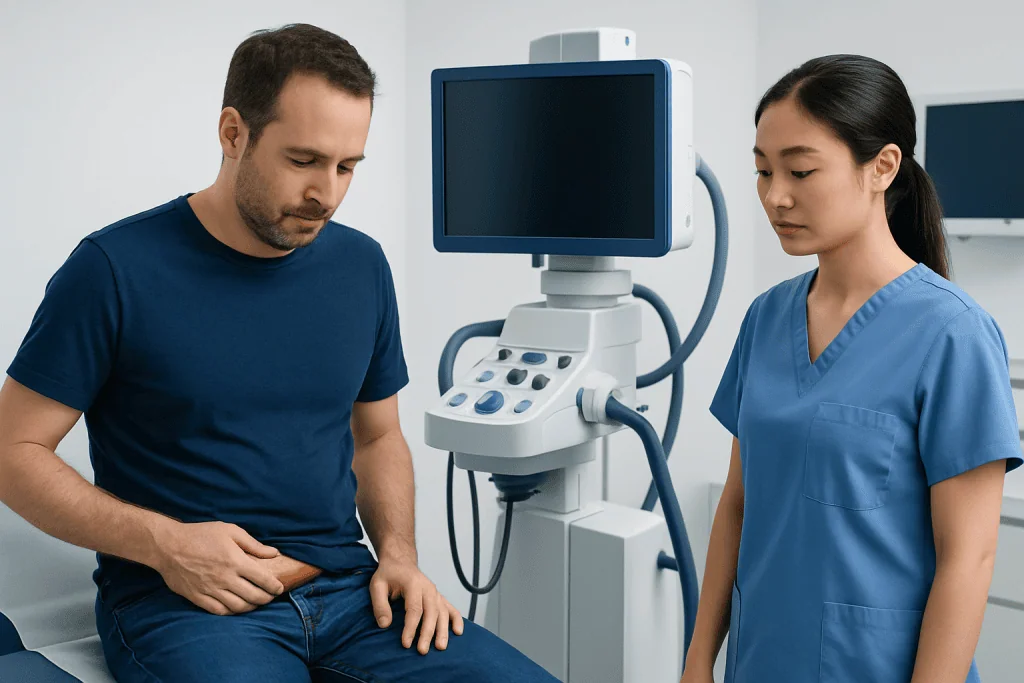
Many people have no symptoms from anal skin tags and first notice them while washing, wiping, or looking at the area. A typical tag feels like a soft, flexible piece of skin rather than a firm lump. It does not usually cause significant pain or bleeding on its own.
When symptoms do occur, they are commonly related to local irritation. Moisture, stool residue, frequent wiping, tight clothing, diarrhea, constipation, or vigorous exercise may lead to itching, tenderness, burning, or a sensation that the area is not fully clean after a bowel movement.
Anal skin tags can be confused with hemorrhoids. Hemorrhoids are swollen blood vessels in or around the anus and may cause bleeding, pain, or swelling. An external hemorrhoid that has clotted and then healed can leave behind a skin tag. Unlike an actively swollen hemorrhoid, a skin tag tends to remain soft and stable in size.
- Soft, skin-like fold near the anal opening
- Usually painless unless irritated
- Possible itching or hygiene difficulty
- Often stable over time rather than rapidly enlarging
Why Do Anal Skin Tags Develop?

Anal skin tags can develop after the skin around the anus has been stretched, inflamed, or injured. One common cause is healing after a thrombosed external hemorrhoid, which occurs when a small blood clot forms in an external hemorrhoid. As swelling improves, stretched skin may not fully retract.
They may also occur following an anal fissure, a small tear in the lining of the anus that often causes sharp pain with bowel movements. A tag near a chronic fissure is sometimes called a sentinel tag because it can be a visible sign of ongoing local irritation. Constipation, hard stools, repeated straining, and prolonged diarrhea can all contribute to fissures and hemorrhoids.
Pregnancy and vaginal childbirth can increase pressure on pelvic and anal veins, making hemorrhoids and related skin changes more likely. Recurrent inflammation in the anal area may also be associated with inflammatory bowel disease, particularly Crohn’s disease. In this setting, a doctor should assess unusual, multiple, swollen, or painful tags rather than assuming they are routine.
Anal skin tags are not caused by poor hygiene. However, maintaining gentle hygiene and keeping the area dry may help reduce irritation once a tag is present.
How a Diagnosis Is Made
Diagnosis usually begins with a conversation about symptoms, bowel habits, bleeding, pain, prior hemorrhoids or fissures, skin changes, and relevant medical conditions. The clinician may inspect the area and perform a gentle physical examination. In many cases, this is enough to identify a typical anal skin tag.
If there is rectal bleeding, a painful lump, a change in bowel habits, unexplained weight loss, or an atypical-looking growth, additional assessment may be needed. Depending on the concern, this can include an examination of the anal canal with a small instrument, laboratory testing, imaging, or referral to a colorectal specialist.
A clinician may distinguish a skin tag from conditions such as hemorrhoids, anal warts caused by human papillomavirus, an abscess, a fistula opening, or a prolapse. This distinction matters because these conditions have different causes and treatments. People should avoid trying to diagnose or remove an anal growth at home.
Treatment Options and Everyday Care
For most people, anal skin tags do not require medical treatment. If there is no pain, bleeding, or difficulty with cleaning, reassurance and observation are often appropriate. Skin tags generally do not disappear quickly on their own, but they also do not usually become dangerous.
Comfort measures focus on reducing irritation and supporting regular, easy bowel movements. Drinking enough fluids, eating fiber-rich foods, staying physically active when possible, and responding to the urge to pass stool can help prevent constipation and straining. After bowel movements, gentle cleansing with water or unscented, alcohol-free products may be less irritating than repeated dry wiping. The area should be patted dry rather than rubbed.
When a skin tag repeatedly causes itching, discomfort, hygiene problems, or substantial distress about its appearance, a clinician may discuss removal. Removal is a minor procedure performed by an appropriately trained doctor, often using local anesthetic. Because the anal area is sensitive and exposed to bacteria, healing can be uncomfortable and requires careful aftercare; removal should be considered thoughtfully rather than as a routine cosmetic measure.
Over-the-counter wart removers, skin-tag ligation devices, acids, and cutting tools should not be used on anal skin tags. These products may injure delicate tissue, cause bleeding or infection, and delay diagnosis of a different condition.
Prevention and Reducing Recurrence of Irritation
It is not always possible to prevent anal skin tags, particularly when they develop after a hemorrhoid or fissure has healed. However, lowering pressure and irritation in the anal area may reduce the likelihood of problems that can contribute to their formation.
Helpful habits include avoiding prolonged straining on the toilet, not delaying bowel movements, and limiting long periods of sitting on the toilet. A balanced diet with adequate fiber can promote softer, more regular stools. If dietary changes are not enough, a healthcare professional can advise on safe approaches for constipation or persistent diarrhea.
For people who exercise, breathable clothing and changing out of damp garments promptly can reduce friction and moisture. Fragranced soaps, harsh cleansers, and frequent scrubbing may worsen itching, so a simple gentle approach to hygiene is usually best. If symptoms continue despite these measures, medical assessment can identify whether hemorrhoids, dermatitis, fissures, or another issue is contributing.
When to Seek Medical Care
Anyone with a new anal lump can arrange a routine medical visit, especially if they are unsure whether it is a skin tag. A clinician can provide reassurance when appropriate and make sure a treatable condition is not being overlooked. This is particularly worthwhile when the lump is changing, bothersome, or associated with bowel symptoms.
Prompt medical advice is recommended for rectal bleeding, significant or worsening pain, fever, drainage of pus, a hard or rapidly growing lump, dark or ulcerated skin changes, or unexplained changes in bowel habits. These symptoms do not necessarily indicate a serious condition, but they should not be attributed to a skin tag without assessment.
People with Crohn’s disease, a weakened immune system, a personal history of anal or colorectal disease, or ongoing symptoms should seek individualized advice. Acibadem International’s multidisciplinary specialists and JCI-accredited hospitals can assess anal and colorectal concerns and discuss appropriate care for international patients.
Frequently asked questions
Are anal skin tags dangerous?
Anal skin tags are usually harmless, noncancerous folds of skin. They do not typically require treatment unless they cause irritation, hygiene difficulties, or uncertainty about the diagnosis. A new or changing anal lump should still be assessed by a clinician.
Can anal skin tags go away on their own?
Some swelling from a recent hemorrhoid or irritation may improve, but established skin tags often remain. They may become less noticeable over time and may not cause symptoms. Medical removal is an option for selected people with persistent problems.
Are anal skin tags the same as hemorrhoids?
No. Hemorrhoids are swollen veins in or around the anus, while skin tags are folds of excess skin. A skin tag can develop after an external hemorrhoid heals, which is why the two conditions may be associated.
Can anal skin tags be removed at home?
Home removal is not recommended. The anal area is sensitive, and using cutting tools, ligation products, or chemical removers can cause bleeding, infection, scarring, and injury. A doctor should first confirm that the growth is actually a skin tag.
Do anal skin tags cause bleeding?
A skin tag itself does not usually bleed. Bleeding may occur if the area is scratched or irritated, but it can also come from hemorrhoids, fissures, or other causes. Rectal bleeding should be discussed with a healthcare professional.
Can constipation cause anal skin tags?
Constipation may contribute indirectly by causing hard stools and straining, which can lead to hemorrhoids or anal fissures. Healing after these conditions can leave loose skin behind. Preventing constipation may reduce ongoing irritation and related problems.
References
- American Society of Colon and Rectal Surgeons
- National Institute of Diabetes and Digestive and Kidney Diseases
- Mayo Clinic
- Cleveland Clinic
This article is for general information only and is not a substitute for professional medical advice. Please consult a qualified doctor about your individual situation.
Explore treatments in Turkey — costs, top hospitals & a free quote
JCI-accredited · board-certified surgeons · reply within 24h
Add us as a Preferred Source to see more of our trusted health content across Google Search, AI Overviews and Discover.