Anal Swelling — Explained by Medical Evidence, Not Myths

Anal swelling is a symptom with several possible causes, not a condition by itself. Common causes include hemorrhoids, irritation, anal fissures, abscesses, and infections.
Key Takeaways
- Anal swelling is a symptom with several possible causes, not a condition by itself.
- Common causes include hemorrhoids, irritation, anal fissures, abscesses, and infections.
- Pain, fever, drainage, bleeding, or a new persistent lump should be medically assessed.
- Diagnosis usually involves a history, physical examination, and sometimes additional tests.
- Treatment depends on the cause and may include self-care, medicines, or procedures.
Anal swelling usually refers to puffiness, a lump, fullness, or inflamed tissue around the anus. It is a symptom rather than a diagnosis, and common causes include hemorrhoids, anal fissures, infection, skin irritation, or less commonly inflammatory bowel disease and other anorectal conditions.
What Anal Swelling Means
Anal swelling describes enlargement, fullness, puffiness, or a lump in or around the anus. Some people notice it together with itching, burning, pain, bleeding, or discomfort during bowel movements, while others mainly feel pressure or see a visible bulge. Because many different problems can affect this area, anal swelling should be understood as a symptom rather than a diagnosis.
In everyday practice, anal swelling is often linked to inflamed hemorrhoids, local skin irritation, constipation-related straining, or a small tear called an anal fissure. However, infection, an abscess, inflammatory bowel disease, sexually transmitted infections, prolapse, and less common growths can also cause similar symptoms. The exact cause matters because treatment that helps one condition may not help another.
A careful, evidence-based approach is useful because myths about anorectal symptoms are common. Not every lump is a hemorrhoid, and not every episode of swelling is dangerous. A clinician can usually narrow down the cause through a focused history and examination, then suggest treatments that reduce symptoms and address the underlying problem.
Common Symptoms That May Occur With Anal Swelling
The feeling of anal swelling can vary. Some people describe a soft bulge, others a firm tender lump, and some feel internal pressure without seeing anything on the outside. The pattern of symptoms often offers clues about the cause. For example, sudden severe pain with a blue-purple lump may suggest a thrombosed external hemorrhoid, while throbbing pain with fever can point toward an abscess.
Other symptoms that may occur alongside swelling include:
- Pain or tenderness, especially when sitting or passing stool
- Bright red bleeding on toilet paper or in the toilet bowl
- Itching, irritation, or a burning sensation
- Mucus discharge or moisture around the anus
- A sensation of incomplete bowel emptying
- Drainage of pus or foul-smelling fluid
- Constipation or straining
The timing also matters. Swelling that appears after constipation, heavy straining, prolonged sitting, or pregnancy may suggest hemorrhoids. Recurrent episodes associated with diarrhea, abdominal symptoms, or weight loss may prompt evaluation for inflammatory conditions such as Crohn’s disease. Symptoms that persist, worsen, or recur frequently should not be ignored even if they seem manageable at first.
What Can Cause Anal Swelling?

Hemorrhoids are among the most common causes. These are swollen veins in the lower rectum or anus that can become enlarged from straining, constipation, pregnancy, chronic diarrhea, or prolonged sitting. External hemorrhoids may look or feel like a lump at the anal opening, while internal hemorrhoids can prolapse and cause fullness, bleeding, or mucus. A thrombosed external hemorrhoid can become especially painful when a clot forms.
Anal fissures are another frequent cause. A fissure is a small tear in the anal lining, often triggered by passing hard stool. It can cause sharp pain, spasms, and localized swelling or a small skin tag near the tear. Skin irritation from aggressive wiping, fragranced products, sweating, or diarrhea may also inflame the area and create swelling, redness, and itching.
Infections can cause significant swelling and deserve prompt attention. An anal abscess develops when a gland becomes infected, leading to a painful swollen area that may feel warm or fluctuant. Sexually transmitted infections, fungal infections, and skin infections can also affect the anal region. People with diabetes, immune suppression, or inflammatory bowel disease may be at higher risk of complications.
Less common causes include anorectal fistulas, rectal prolapse, enlarged skin tags, trauma, and inflammatory diseases. Occasionally, a persistent lump, ulcer, or bleeding may reflect a more serious condition that needs specialist review. Related conditions may include hemorrhoids or anal fissure, but only an examination can confirm the cause.
Risk Factors and Triggers
Anal swelling often develops when pressure or irritation affects the tissues around the anus. Constipation is one of the strongest contributors because hard stools and repeated straining increase stress on veins and the anal lining. Chronic diarrhea can be just as irritating, since frequent wiping and inflammation may lead to swelling and discomfort.
Other common risk factors include pregnancy, obesity, low-fiber diets, dehydration, prolonged sitting, heavy lifting, and sedentary habits. Some people notice symptoms after long travel, intensive exercise that raises abdominal pressure, or repeated use of irritating soaps and wipes. Aging can also play a role because supportive tissues may weaken over time.
Certain medical conditions increase the likelihood of ongoing or recurrent symptoms. These include inflammatory bowel disease, immune system disorders, diabetes, and pelvic floor dysfunction. Anal intercourse may increase the risk of irritation or infection if tissue is injured. Knowing these triggers can help guide prevention and reduce recurrence after treatment.
How Doctors Diagnose the Cause
Diagnosis starts with a focused medical history. A clinician will ask when the swelling began, whether there is pain or bleeding, how bowel habits have changed, and whether fever, drainage, weight loss, or abdominal symptoms are present. Questions about constipation, diarrhea, medications, pregnancy, and previous anorectal problems can help narrow the possibilities.
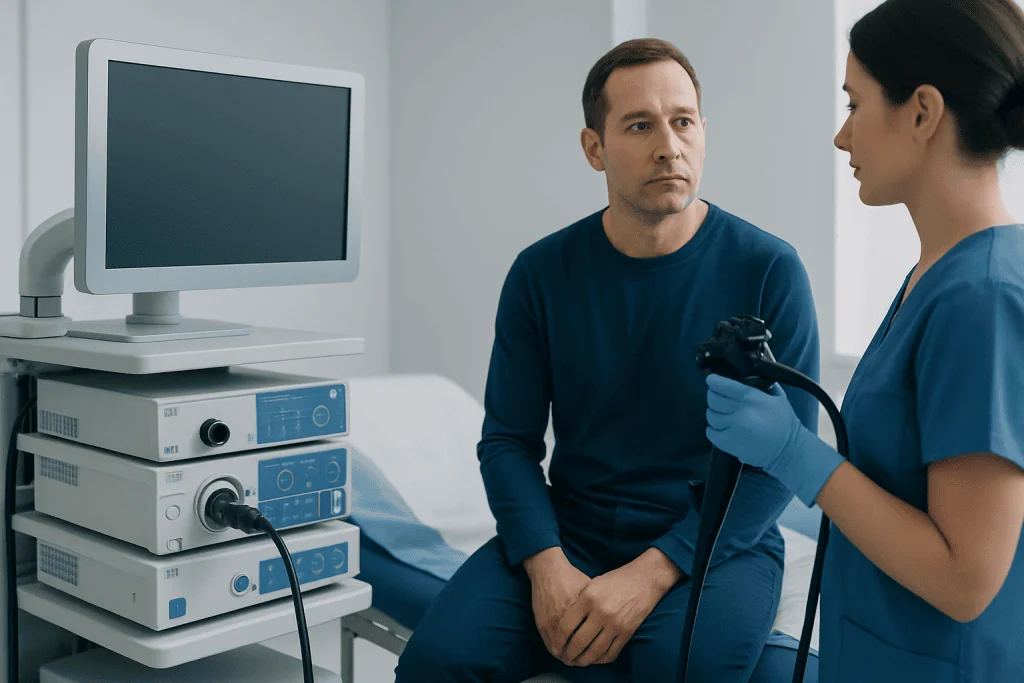
The physical examination usually includes inspection of the skin around the anus and a gentle palpation of the area. Depending on symptoms, the doctor may perform a digital rectal examination or use a small instrument to view the anal canal. Although many people feel anxious about this, the examination is typically brief and provides important information that cannot be obtained from symptoms alone.
Additional tests are not always needed, but they may be recommended in some situations. If bleeding is unexplained, symptoms are persistent, or there are warning signs for bowel disease, further evaluation such as endoscopy may be advised. Imaging can help if an abscess, fistula, or deeper infection is suspected. In selected cases, doctors may recommend colonoscopy to assess rectal bleeding or other bowel symptoms and endoscopic evaluation when related digestive symptoms are present.
Treatment Options for Anal Swelling
Treatment depends entirely on the cause. For mild irritation or uncomplicated hemorrhoids, conservative care is often the first step. This may include increasing fluid intake, adding fiber to soften stool, avoiding prolonged straining, and using warm sitz baths to ease discomfort. Some people also benefit from short-term topical treatments recommended by a doctor or pharmacist, though prolonged unsupervised use is not advisable.
If constipation is contributing, addressing bowel habits is important. Stool-softening strategies, regular toilet routines, and a fiber-rich diet can reduce pressure on the anal tissues and improve healing. When an anal fissure is present, treatment may focus on relaxing the anal sphincter, easing pain, and preventing hard stools. Persistent hemorrhoidal symptoms sometimes require office-based or procedural treatment; in appropriate cases, specialists may discuss options related to hemorrhoid treatment.
Infections need a different approach. An anal abscess often requires prompt drainage rather than home treatment alone. Antibiotics may be used in selected situations, especially when there is spreading infection or certain medical risks, but they do not replace drainage when an abscess is present. If inflammatory bowel disease or another underlying disorder is causing the swelling, treatment is directed at that condition.
When symptoms are recurring, severe, or unclear, referral to a colorectal surgeon or gastroenterologist may be appropriate. In JCI-accredited hospitals, multidisciplinary specialists at Acibadem International evaluate and treat anorectal conditions for international patients using diagnosis tailored to the suspected cause rather than assumptions.
Self-Care and Prevention
Many episodes of anal swelling can be reduced or prevented by protecting bowel habits and minimizing local irritation. A practical goal is to keep stools soft and easy to pass. This usually means enough daily fluids, a diet with fruits, vegetables, legumes, and whole grains, and responding to the urge to use the toilet rather than delaying bowel movements. It also helps to avoid prolonged sitting on the toilet.
Gentle hygiene matters. The area should be cleaned carefully with water or mild, non-irritating products, then patted dry rather than rubbed. Fragranced wipes, harsh soaps, and vigorous scrubbing can worsen swelling. Loose, breathable underwear and moisture control may also help when irritation is part of the problem.
Helpful self-care steps include:
- Using warm sitz baths for short periods to ease discomfort
- Eating more fiber gradually to avoid bloating
- Staying physically active to support regular bowel function
- Avoiding repeated heavy straining during bowel movements
- Seeking medical advice before using long-term rectal creams or suppositories
Prevention is especially important for people with recurring hemorrhoids, fissures, or digestive conditions. If symptoms continue despite home measures, self-care should not replace medical assessment. Persistent swelling may have a cause that requires targeted treatment.
When to Seek Medical Care
Medical care is recommended if anal swelling lasts more than a few days, keeps returning, or is accompanied by significant pain. A doctor should also assess new rectal bleeding, especially if the source is unclear or bleeding happens repeatedly. Although many causes are treatable and not serious, a proper diagnosis helps prevent unnecessary delay.
Prompt evaluation is particularly important if there is fever, pus, redness spreading into the surrounding skin, severe tenderness, difficulty passing stool, or a rapidly enlarging lump. These features may suggest an abscess or another condition that needs urgent treatment. People with immune suppression, diabetes, inflammatory bowel disease, or pregnancy should have a lower threshold for seeking care.
Emergency care may be needed for heavy bleeding, severe weakness, black stools, or intense pain with systemic symptoms. If there is concern about complications, specialists may use imaging or surgical assessment, and some anorectal infections may eventually require procedures alongside broader digestive evaluation such as gastroenterology care. Early assessment is the safest way to identify the cause and begin appropriate treatment.
Frequently asked questions
Is anal swelling always caused by hemorrhoids?
No. Hemorrhoids are common, but anal swelling can also be caused by fissures, irritation, infection, abscesses, skin tags, prolapse, or inflammatory bowel disease. A doctor can usually distinguish among these causes with a history and examination.
Can anal swelling go away on its own?
Sometimes it can, especially if it is related to mild irritation, temporary constipation, or a small hemorrhoid flare. Supportive measures such as warm baths, hydration, and softer stools may help. If symptoms persist, recur, or are severe, medical evaluation is important.
What does it mean if anal swelling is painful?
Painful swelling may occur with a thrombosed external hemorrhoid, an anal fissure, or an abscess. The type of pain matters: sharp pain with stool can suggest a fissure, while constant throbbing pain with fever may suggest infection. Because treatment differs, painful swelling should be assessed if it is severe or not improving.
Should rectal bleeding with anal swelling be checked by a doctor?
Yes. Bright red blood can happen with hemorrhoids or fissures, but bleeding should not be assumed to be harmless without assessment, especially if it recurs or the diagnosis is uncertain. A doctor may decide whether further testing is needed.
Are home remedies safe for anal swelling?
Simple measures such as warm sitz baths, hydration, gentle hygiene, and increasing dietary fiber are often reasonable first steps. However, not all home treatments are appropriate for every cause, and some over-the-counter products can irritate the skin if used too long. Medical advice is best if symptoms are intense, prolonged, or unusual.
When is anal swelling urgent?
Urgent assessment is needed if swelling is associated with fever, pus, spreading redness, severe worsening pain, or a rapidly enlarging lump. Heavy bleeding, faintness, black stools, or severe systemic symptoms also need prompt care. These signs may indicate infection, significant bleeding, or another condition that should not be managed at home.
References
- National Institute of Diabetes and Digestive and Kidney Diseases
- American Society of Colon and Rectal Surgeons
- Mayo Clinic
- Merck Manual Consumer Version
- National Health Service
This article is for general information only and is not a substitute for professional medical advice. Please consult a qualified doctor about your individual situation.
Persistent digestive symptoms? Get evaluated in Turkey
JCI-accredited · board-certified surgeons · reply within 24h
Add us as a Preferred Source to see more of our trusted health content across Google Search, AI Overviews and Discover.

More from the Health Library


Related Specialists

Assoc. Prof. Dr. Muhammet Ahmet Karakaya
Anesthesiology
Dr. Oya Uğurlubilek
Inpatient Clinic Physicians Clinical Service
Dr. Emel Eskitaşçıoğlu
Anesthesiology
Dr. Olcayto İncedere
Cardiology