Anastomotic Leak: What Patients Need to Know

An anastomotic leak is a gap or breakdown at a surgical connection, commonly after gastrointestinal surgery. Symptoms can include worsening abdominal pain, fever, fast heart rate, nausea, bloating, or unusual wound drainage.
Key Takeaways
- An anastomotic leak is a gap or breakdown at a surgical connection, commonly after gastrointestinal surgery.
- Symptoms can include worsening abdominal pain, fever, fast heart rate, nausea, bloating, or unusual wound drainage.
- Some leaks can be treated with antibiotics, drainage, nutrition support, and close monitoring; others require another procedure or surgery.
- The chance of a leak depends on the operation, blood supply to tissues, overall health, and factors that affect healing.
- New or worsening symptoms after surgery should be reported promptly, especially during the first days to weeks of recovery.
An anastomotic leak occurs when a surgically created connection between two body structures, most often sections of bowel, does not seal fully during healing. It can lead to infection and requires prompt assessment, but early recognition and individualized treatment can support recovery.
Overview: What Is an Anastomotic Leak?
An anastomotic leak is a complication that can occur after surgery in which a surgeon joins two structures together. This connection is called an anastomosis. It is most often created when part of the bowel is removed and the remaining ends are joined, but anastomoses may also be made in the esophagus, stomach, urinary tract, blood vessels, or other organs.
A leak happens when the connection does not heal tightly enough and fluid, air, bacteria, digestive contents, or urine escapes into nearby tissues. The consequences vary widely. A small, contained leak may cause limited local inflammation and be managed without another major operation, while a larger leak can cause an abscess, widespread infection, or sepsis and needs urgent treatment.
It is important to remember that an anastomotic leak is not always immediately obvious. It may develop during the initial hospital stay or after discharge, often within the first several days or weeks after surgery. Surgical teams monitor recovery closely because timely diagnosis and treatment are central to reducing complications.
Where Leaks Occur and Why They Matter
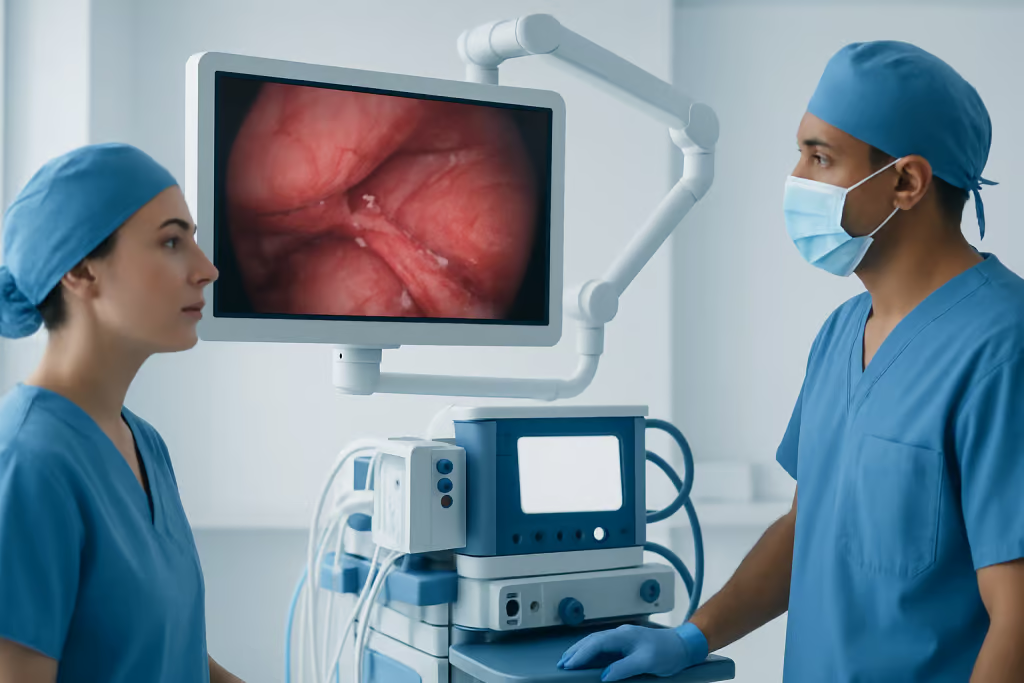
In digestive surgery, anastomotic leaks can occur after operations involving the colon, rectum, small intestine, stomach, pancreas, or esophagus. For example, after colorectal surgery, a leak at the bowel join can allow bowel contents and bacteria into the abdomen or pelvis. After esophageal or stomach surgery, a leak may affect the chest or upper abdomen.
The body normally responds to a leak with inflammation. In some cases, surrounding tissues contain the leakage and form a localized collection of infected fluid, called an abscess. In other cases, infection can spread through the abdominal cavity or bloodstream. This is why healthcare professionals treat concerning symptoms after surgery carefully, even when a person initially seems to be recovering well.
The impact also depends on the location and size of the leak, the person’s health, and how quickly it is identified. A leak does not necessarily mean that a previous operation has failed permanently. However, it may lengthen recovery and may temporarily change the care plan, including the need for drainage, bowel rest, nutritional support, or a protective stoma in selected circumstances.
Symptoms Patients and Families Should Know

Symptoms of an anastomotic leak may be subtle at first and can overlap with normal postoperative discomfort. A key warning sign is a change rather than expected gradual improvement. Worsening abdominal or chest pain, increasing tenderness, new bloating, persistent nausea or vomiting, or difficulty tolerating food or fluids should be discussed with the surgical team.
Other possible signs include fever or chills, a rapid heartbeat, fast breathing, unusual fatigue, confusion, low blood pressure, reduced urine output, or feeling generally much more unwell. Some people may have drainage from an abdominal wound or surgical drain that looks cloudy, foul-smelling, bloody, or similar to bowel contents. After rectal surgery, there may be pelvic pain, rectal discharge, or changes in drainage through a pelvic drain.
Not everyone with a leak has every symptom, and pain medicine may sometimes mask discomfort. For this reason, patients should follow their discharge instructions, monitor their temperature if advised, and contact the care team rather than assuming a significant change is part of normal healing.
- Increasing pain rather than steady improvement
- Fever, chills, or a racing heart
- Repeated vomiting or inability to keep fluids down
- New wound redness, swelling, or unusual drainage
- Marked weakness, dizziness, confusion, or shortness of breath
Causes and Factors That Can Raise Risk
An anastomosis heals when the connected tissues have adequate blood flow, are aligned without excessive tension, and are able to form a secure healing seal. Surgical technique and the complexity of the procedure are important, but leaks are usually caused by a combination of factors rather than one single event.
Risk may be higher when surgery is performed urgently, when there is existing infection or bowel inflammation, or when the tissue has limited blood supply. Operations lower in the pelvis, especially some rectal operations, can be technically more challenging because of the anatomy. Previous radiation therapy, extensive scar tissue, or certain cancer treatments may also affect tissue healing in some patients.
Personal health factors can contribute as well. These include smoking, poor nutritional status, anemia, diabetes that is not well controlled, obesity, kidney or liver disease, immune suppression, and use of medicines that can affect healing. Older age alone does not cause a leak, but people with several health conditions may need closer assessment and support before and after surgery.
Surgeons assess these factors before an operation whenever possible. Measures such as improving nutrition, stopping smoking, treating infections, planning the safest surgical approach, and occasionally creating a temporary diverting stoma may help lower risk for appropriate patients.
How an Anastomotic Leak Is Diagnosed
Diagnosis starts with a careful clinical assessment. The surgical team reviews symptoms, examines the abdomen and wound, checks vital signs, and considers how recovery has progressed. Blood tests may show signs of inflammation, infection, dehydration, anemia, or changes in kidney function, although no blood test alone can confirm or exclude a leak.
Imaging is often needed. A computed tomography, or CT, scan of the abdomen and pelvis can identify fluid collections, free air, inflammation, or contrast material outside the bowel. Depending on the operation, the team may use oral, rectal, or intravenous contrast to better evaluate the surgical connection. A contrast swallow study may be used after some esophageal or upper gastrointestinal surgeries.
In selected cases, endoscopy may allow the surgeon or gastroenterologist to look directly at the connection. This can help clarify the problem and, occasionally, enable treatment. Doctors interpret all results together, because scans and laboratory findings must be considered alongside symptoms, the timing after surgery, and the specific operation performed.
Treatment Options and Recovery Support
Treatment is individualized according to the leak’s location, size, whether infection is contained, and the patient’s overall stability. People with signs of severe infection or an uncontrolled leak require urgent hospital care. Initial treatment may include intravenous fluids, antibiotics, pain relief, oxygen when needed, and close monitoring.
For a small or contained leak in a stable person, treatment may involve temporarily avoiding food by mouth, receiving nutrition through a vein or feeding tube when appropriate, and draining an infected fluid collection. Drainage can sometimes be performed by an interventional radiologist using imaging guidance and a small tube placed through the skin. Repeat scans and blood tests help the team assess healing.
Some leaks require endoscopic approaches, such as placement of a clip, stent, or endoscopic vacuum device, depending on the location and expertise available. Larger leaks, ongoing contamination, bowel blockage, or signs of severe illness may require return to the operating room. Surgery may involve washing out infection, repairing or redoing the connection when feasible, placing drains, or creating a temporary stoma to divert stool while healing occurs.
Recovery can take time and may include gradual reintroduction of food, nutritional guidance, wound or stoma care, and follow-up imaging. The care plan should be discussed with the surgical team, who can explain the expected course and the purpose of each treatment step.
Reducing Risk and Supporting Healing
Not every anastomotic leak can be prevented, and patients should not blame themselves if one occurs. Still, preparing for planned surgery can support healing. If possible, people are encouraged to stop smoking well before surgery, follow preoperative nutrition advice, and discuss alcohol use, supplements, and all medicines with their clinician.
After surgery, following instructions about activity, wound care, diet, hydration, and prescribed medicines is important. Early gentle movement, as recommended by the care team, can support circulation and recovery. People with diabetes should work with their clinicians to manage blood glucose, as consistently high levels can interfere with healing and increase infection risk.
Patients should attend scheduled follow-up appointments even if they feel well. They should also understand whom to call outside office hours and keep a current list of medicines and surgical details available. Acibadem International’s multidisciplinary specialists and JCI-accredited hospitals diagnose and treat surgical complications, including anastomotic leaks, for international patients when specialist assessment is needed.
When to Seek Medical Care
Patients should contact their surgeon or surgical unit promptly if they develop a fever, increasing pain, repeated vomiting, new abdominal swelling, unusual drainage, or a clear decline in how they feel after surgery. It is especially important to call if symptoms worsen after an initial period of improvement or occur after leaving the hospital.
Emergency medical care is needed for severe abdominal or chest pain, difficulty breathing, fainting, confusion, a very fast heartbeat, blue or gray skin color, severe weakness, or signs of shock such as cold clammy skin and very low urine output. These symptoms may indicate a serious infection or another urgent postoperative complication.
Seeking care quickly does not mean a leak is certain. Many postoperative symptoms have other explanations, but prompt evaluation is the safest way to identify problems early and begin appropriate treatment. Patients should not drive themselves if they feel faint, confused, or severely unwell.
Frequently asked questions
How common is an anastomotic leak?
The likelihood varies substantially according to the type and location of surgery, whether it is planned or urgent, and a person’s individual health. Leaks are generally discussed as a recognized but uncommon complication of surgery involving a new connection. The operating surgeon can provide the most relevant estimate for a specific procedure.
Can an anastomotic leak heal without another operation?
Some small, contained leaks can heal with careful nonoperative treatment, such as antibiotics, drainage of a fluid collection, nutritional support, and close observation. This is only appropriate for selected patients who are stable and monitored by an experienced surgical team. Larger or uncontrolled leaks may require an endoscopic procedure or surgery.
When do anastomotic leaks usually happen?
Many leaks are identified within the first days after surgery, but they can also become apparent after discharge during the following weeks. The timing depends on the procedure and how the tissues heal. Any new or worsening symptoms during recovery should be reported to the surgical team.
Does fever always mean there is an anastomotic leak?
No. Fever after surgery can have several causes, including normal early inflammation, a wound infection, a urinary infection, a lung problem, or a medication reaction. However, fever together with worsening pain, fast heart rate, vomiting, or feeling very unwell needs prompt medical assessment.
Can a CT scan detect every anastomotic leak?
CT is a valuable test, but no test is perfect, particularly very early after surgery or with a small leak. Doctors consider the scan alongside the person’s symptoms, examination, blood tests, and surgical details. If concern remains despite an initial test, repeat imaging or another diagnostic approach may be needed.
Will a temporary stoma be permanent after a leak?
Not necessarily. A temporary stoma may be created to divert stool away from a healing bowel connection and reduce contamination. Whether it can later be reversed depends on healing, the original disease, the remaining bowel, and overall health, so this decision is individualized.
References
- American College of Surgeons
- National Institute of Diabetes and Digestive and Kidney Diseases
- National Health Service
- World Health Organization
- Society of American Gastrointestinal and Endoscopic Surgeons
This article is for general information only and is not a substitute for professional medical advice. Please consult a qualified doctor about your individual situation.
Persistent digestive symptoms? Get evaluated in Turkey
JCI-accredited · board-certified surgeons · reply within 24h
Add us as a Preferred Source to see more of our trusted health content across Google Search, AI Overviews and Discover.
Check your numbers in seconds
BMI, calories, due date, blood pressure and 30+ more clinical calculators — free, instant, doctor-reviewed ranges.