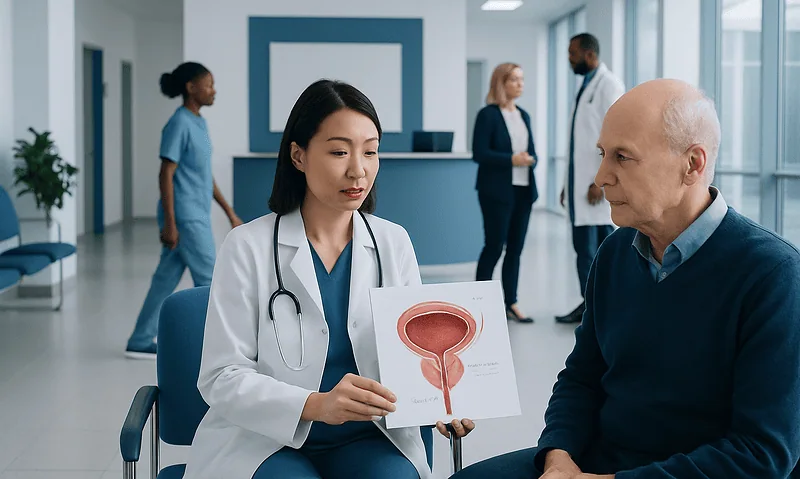
Anderson Radiation Oncology Partnership: How It Works, Results and What to Expect
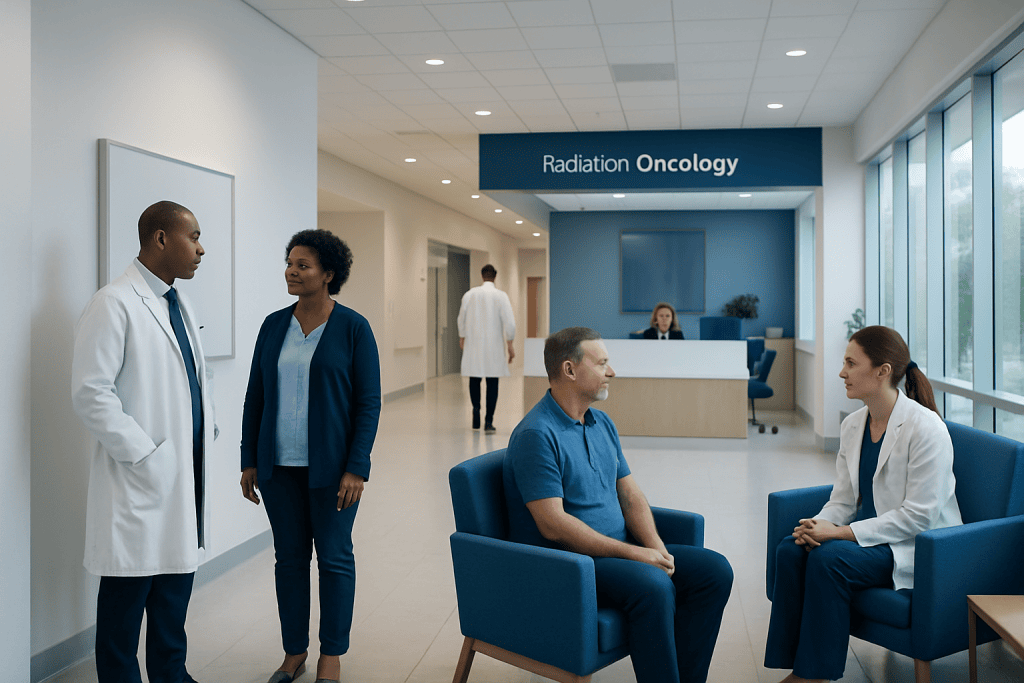
Radiation therapy uses carefully planned high-energy radiation to damage cancer cells while limiting exposure to nearby healthy tissue. Care is usually coordinated through a multidisciplinary team, particularly when surgery, systemic treatment or both may also be needed.
Key Takeaways
- Radiation therapy uses carefully planned high-energy radiation to damage cancer cells while limiting exposure to nearby healthy tissue.
- Care is usually coordinated through a multidisciplinary team, particularly when surgery, systemic treatment or both may also be needed.
- Planning visits and imaging are essential; radiation treatment itself is painless, but side effects can develop gradually during or after treatment.
- Response is assessed through symptoms, examinations, laboratory tests and appropriately timed scans, not by day-to-day changes alone.
- The best treatment location depends on the cancer type, treatment needs, access to specialist expertise and practical support available to the patient.
An Anderson radiation oncology partnership generally describes a coordinated approach to cancer care in which radiation oncologists work with surgeons, medical oncologists, imaging specialists and supportive-care teams. The goal is to determine whether radiation therapy is appropriate, deliver it precisely and monitor both treatment response and side effects over time.
Overview: what an Anderson radiation oncology partnership means
An Anderson radiation oncology partnership is best understood as a model of coordinated cancer care rather than a single radiation procedure. It brings radiation oncologists into close communication with medical oncologists, surgeons, radiologists, pathologists, nurses and supportive-care professionals. Together, the team reviews the diagnosis, cancer stage, imaging findings and a person’s general health to build an individual treatment plan.
Radiation therapy may be used to cure certain cancers, reduce the chance of cancer returning after surgery, shrink a tumor before another treatment, control a cancer that has spread, or relieve symptoms such as pain or bleeding. Whether it is recommended alone or alongside other treatments depends on the specific cancer and the person’s goals of care.
Patients benefit when decisions are made with a clear explanation of expected benefits, possible side effects, alternatives and timing. A coordinated team can also help organize nutritional support, symptom management, rehabilitation, fertility counselling when relevant and emotional support throughout treatment.
How radiation oncology care works
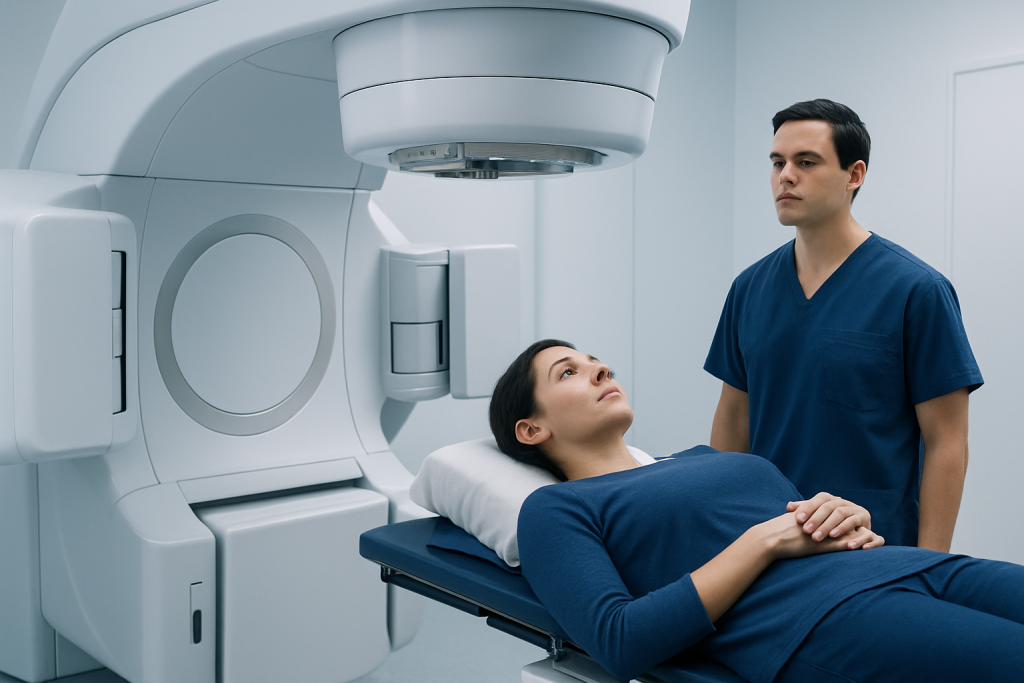
Radiation oncology begins with a consultation. The radiation oncologist reviews pathology reports, scans, prior treatments, medicines and medical history. They explain the role radiation may have in the overall plan and discuss the type of radiation that may be suitable, such as external-beam radiation therapy or, in selected situations, internal radiation treatment.
If treatment is advised, the next phase is simulation and planning. During simulation, the team uses imaging—commonly a CT scan—to map the treatment area. Positioning devices may be made to help the person lie in the same position for every visit. For some cancers, temporary skin marks or tiny reference tattoos may be used to support accurate daily alignment.
Radiation oncologists, medical physicists and dosimetrists then create and check a detailed plan. Modern techniques shape and direct radiation beams to the target while seeking to protect organs and tissues nearby. Planning may take several days or longer because it involves careful calculation and quality checks before treatment begins.
For patients needing coordinated cancer services, radiotherapy planning and delivery is one part of a broader treatment pathway. The exact schedule varies: some courses last one to several weeks, while others use fewer visits with a higher dose per treatment when clinically appropriate.
Who may be a candidate for radiation therapy?
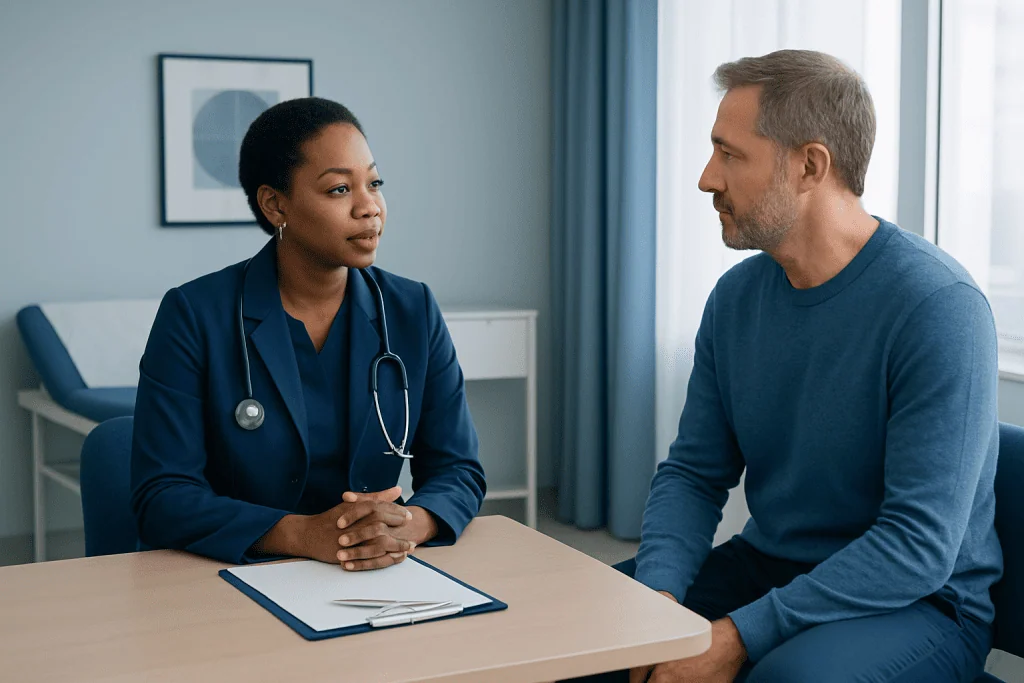
Candidacy is based on the cancer diagnosis, location, size and stage, as well as whether cancer has spread and what treatments have already been given. Radiation may be considered for many solid tumors, including breast, prostate, lung, head and neck, gynecologic, brain and colorectal cancers. It can also have an important palliative role when symptoms from cancer need relief.
A person’s overall health, ability to attend appointments, prior radiation exposure and the closeness of sensitive organs to the treatment target all influence the recommendation. Previous radiation does not always rule out further treatment, but it requires highly individualized review because healthy tissue has limits on how much radiation it can safely receive.
Some patients receive radiation before or after surgery. Others receive it with chemotherapy, immunotherapy or targeted treatment, which can increase effectiveness in certain cancers but may also increase side-effect risks. A multidisciplinary discussion helps determine the safest sequence.
Not every patient needs radiation. Surgery, systemic therapy, active surveillance or symptom-focused care may be more appropriate in some circumstances. Patients should feel comfortable asking why radiation is recommended, what alternatives exist and what may happen if treatment is delayed or declined.
What happens step by step, and what is recovery like?
After planning is complete, treatment sessions usually take place on weekdays. The actual delivery of external-beam radiation commonly lasts only a few minutes, although each appointment may be longer because of positioning and safety checks. The machine moves around the body but does not touch the person, and treatment is painless.
During each visit, the radiation therapists verify positioning, often using image guidance. The team can communicate with the patient throughout the session. People receiving external-beam radiation are not radioactive afterward and can safely be around family members, including children and pregnant people.
Recovery does not follow one fixed timetable. Some side effects, such as tiredness, skin irritation or symptoms related to the treated area, may develop gradually after treatment starts. They can continue briefly after the final session and then improve over the following weeks. Longer-term recovery depends on the treatment site, total dose, other therapies and individual health.
Follow-up appointments are arranged to check recovery and assess cancer control. Patients should report new or worsening symptoms rather than waiting for a scheduled review. The care team can recommend practical measures, medicines or referrals to help manage treatment-related effects.
Benefits, risks and practical expectations
The potential benefit of radiation therapy is local cancer control: it aims to treat cancer cells in a defined area while preserving as much healthy tissue as possible. In some settings it is a central curative treatment; in others, it lowers recurrence risk after surgery or provides meaningful symptom relief. The expected benefit should be discussed in relation to the individual diagnosis.
Side effects are related mainly to the body area treated. Fatigue is common. Skin in the treatment field may become dry, sensitive or darker. Depending on the site, temporary effects can include mouth soreness, swallowing difficulty, nausea, diarrhea, urinary symptoms, cough or changes in appetite. The radiation team monitors symptoms regularly and provides guidance.
Some effects can appear months or years later, including tissue stiffness, persistent bowel or bladder changes, hormonal changes, nerve effects or fertility concerns, depending on the area treated. Serious complications are uncommon but possible. The planning process is designed to reduce these risks, and a patient should receive a clear explanation of risks that are particularly relevant to their treatment area.
Patients can prepare by attending planning appointments, bringing an updated medicine list, maintaining hydration and nutrition as advised, avoiding unapproved skin products in the treatment area and arranging help with transport or daily tasks if fatigue becomes difficult. Smoking cessation is also important because smoking can worsen side effects and affect treatment outcomes.
How do you know if radiation therapy is working?
Radiation therapy response is assessed through a combination of clinical information, not through a single immediate test. The oncology team considers changes in symptoms, physical examinations, blood tests when relevant and follow-up imaging such as CT, MRI, PET or ultrasound. The correct timing of scans depends on the cancer type and treatment site.
It is common for radiation effects to continue after the last treatment because cancer cells and normal tissues respond over time. Inflammation and healing can temporarily make a scan look unclear or, occasionally, mimic cancer activity. For this reason, imaging performed too early may not provide a reliable answer.
For symptom-relieving radiation, improvement in pain, bleeding, pressure or swallowing may be an early sign of benefit, although the timing varies. Patients should keep follow-up appointments and discuss any symptom changes with their team. A scan result is best interpreted in the context of the whole treatment history.
How long does it take to get in MD Anderson?
Appointment timelines at any major cancer center, including MD Anderson Cancer Center, can vary substantially. The timing depends on the urgency of the diagnosis, the cancer type, whether pathology or imaging must be reviewed, insurance or referral requirements, clinician availability and the need for several specialists to see the patient.
For a newly diagnosed or rapidly progressing cancer, the referring clinician can help communicate urgency and send complete medical records promptly. Patients can often make the process smoother by gathering pathology reports, imaging discs or electronic images, medication lists, prior treatment summaries and referral documents before contacting a center.
It is sensible not to postpone urgent local care while waiting for an outside consultation unless the treating team specifically advises otherwise. A current oncology clinician can help determine whether a second opinion can occur in parallel with necessary testing or initial treatment planning.
What do oncologists not tell you?
Oncologists aim to provide clear, informed guidance, but there is often a large amount of information to absorb in a short time. Patients may need to ask directly about the purpose of treatment, likelihood of benefit in their own situation, short- and long-term effects, alternatives, what uncertainty remains and how treatment may affect work, family life, intimacy, fertility or independence.
It is also helpful to ask who to contact outside clinic hours, which symptoms need urgent attention, what supportive-care services are available and whether a second opinion could be useful. These are appropriate questions, not signs of distrust. Bringing a trusted family member or writing questions down can make appointments easier to navigate.
No clinician can predict every individual outcome with certainty. A good cancer discussion acknowledges uncertainty while explaining what is known from the diagnosis, imaging, pathology and evidence-based treatment guidelines. Shared decision-making allows the plan to reflect both medical factors and the patient’s values.
Is it worth going to MD Anderson Cancer Center?
Whether it is worth seeking care or a second opinion at MD Anderson Cancer Center depends on individual needs rather than a universal answer. A specialist center may be particularly helpful for rare cancers, complex or recurrent disease, unusual pathology findings, clinical-trial questions or situations in which several treatment approaches are being considered.
For many common cancers, high-quality care can also be delivered closer to home by an experienced multidisciplinary oncology team. Travel, language needs, family support, ability to attend repeated appointments and communication between local and referral clinicians are all important practical considerations. The best option is one that provides appropriate expertise and enables the person to complete recommended care safely.
Patients may ask their current oncologist whether a second opinion would add useful perspective. Acibadem International’s multidisciplinary specialists and JCI-accredited hospitals diagnose and treat cancer for international patients, with treatment plans developed around each patient’s clinical needs.
When to seek medical care
Anyone with a new cancer diagnosis should arrange timely review with an oncology team to understand the diagnosis and treatment options. A person already receiving radiation should contact their care team if side effects are not controlled, if they cannot eat or drink adequately, or if symptoms are interfering significantly with daily activities.
Urgent medical assessment is important for severe shortness of breath, chest pain, confusion, sudden weakness, heavy bleeding, a high fever, persistent vomiting, severe dehydration or rapidly worsening pain. These symptoms may not always be caused by radiation, but they require prompt evaluation.
Follow-up remains important after treatment ends. Ongoing surveillance, rehabilitation and support for physical and emotional recovery can help identify concerns early and support quality of life during and after cancer treatment.
Frequently asked questions
Is radiation therapy painful?
External-beam radiation therapy is painless during delivery. The machine does not touch the body, although lying in one position can sometimes be uncomfortable. Side effects may develop later and depend largely on the part of the body treated.
Will I be radioactive after external-beam radiation?
No. External-beam radiation does not make a person radioactive after a treatment session. They can generally be around other people as usual, including children and pregnant people. Internal radiation treatments have different safety considerations, which the care team explains individually.
Can radiation therapy be given with chemotherapy?
Yes, radiation is sometimes combined with chemotherapy, immunotherapy or targeted medicines. This can improve treatment effectiveness for some cancers, but it may also increase side effects. The oncology team determines whether combined treatment is appropriate and how it should be monitored.
How soon do radiation side effects start?
Some side effects begin after several treatment sessions, while others occur later or after treatment has ended. Fatigue and skin changes often build gradually. The timing and severity depend on the treatment area, schedule and other treatments being received.
Can I work during radiation therapy?
Many people continue some work or usual activities during radiation treatment, especially early in a course. However, fatigue, appointment schedules and site-specific symptoms can make adjustments necessary. The care team can provide advice about activity, workplace needs and medical documentation when needed.
Should I get a second opinion before radiation therapy?
A second opinion can be helpful when the diagnosis is rare, treatment choices are complex, surgery and radiation are both possible, or a person simply wants reassurance. It should be arranged promptly so that it does not create an avoidable delay in necessary treatment. The current oncology team can often help send records for review.
References
- National Cancer Institute
- American Society for Radiation Oncology
- American Cancer Society
- European Society for Medical Oncology
- World Health Organization
This article is for general information only and is not a substitute for professional medical advice. Please consult a qualified doctor about your individual situation.
Oncology care in Turkey — second opinion and treatment plan
JCI-accredited · board-certified surgeons · reply within 24h
Add us as a Preferred Source to see more of our trusted health content across Google Search, AI Overviews and Discover.