Androphobia: A Complete Medical Overview

Androphobia is a phobia marked by strong fear, avoidance, or panic related to men. Symptoms can be emotional, physical, and behavioral, and may interfere with daily life.
Key Takeaways
- Androphobia is a phobia marked by strong fear, avoidance, or panic related to men.
- Symptoms can be emotional, physical, and behavioral, and may interfere with daily life.
- Past trauma can play a role, but not everyone with androphobia has a trauma history.
- Diagnosis is based on a mental health evaluation, not a blood test or brain scan.
- Treatment often includes psychotherapy, especially exposure-based approaches and CBT.
- Professional care is important when fear causes distress, avoidance, panic, or safety concerns.
Androphobia is an intense, persistent fear of men that goes beyond ordinary discomfort or shyness. It can affect relationships, work, travel, and daily routines, but careful assessment and evidence-based treatment can help people recover and function more comfortably.
What is androphobia?
Androphobia is an intense and persistent fear of men. The fear is stronger than ordinary nervousness, personal preference, or social discomfort, and it may lead a person to avoid places, conversations, or activities where men are present. In clinical terms, it may be understood within the broader group of phobias or anxiety-related conditions, depending on the person’s symptoms and history.
This fear can affect many parts of daily life. A person may feel unable to ride public transport, attend school or work, seek healthcare, or form relationships if they expect contact with men. Some people feel anxiety only around unfamiliar men, while others react to almost any male presence, voice, or reminder.
Androphobia is not simply “disliking men,” and it is not a character flaw. It is a mental health concern that deserves compassionate, individualized assessment. Because fear can overlap with trauma responses, social anxiety, or anxiety disorders, a careful evaluation helps identify what is driving the symptoms and which treatments are likely to help.
How androphobia may feel in everyday life
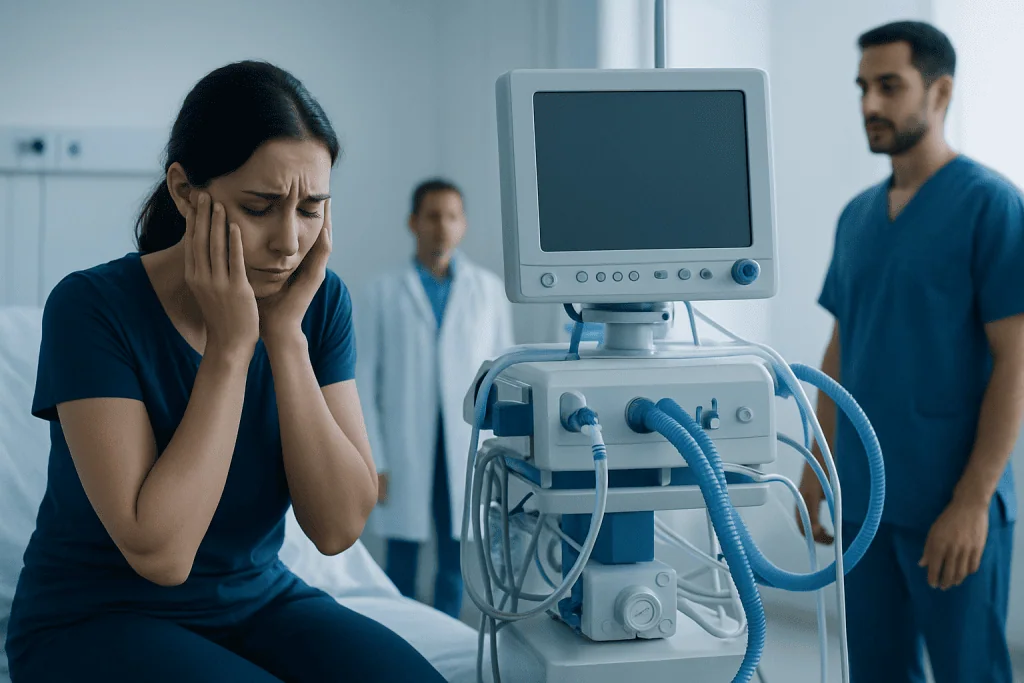
People with androphobia often describe a sense of alarm that appears quickly and feels hard to control. The reaction may start before direct contact, such as when planning a trip, entering a crowded building, or seeing a man approach. Even if the person recognizes that the fear is excessive, the body may still react as though there is immediate danger.
The impact can be practical as well as emotional. Someone may change routes to avoid male security staff, skip appointments with male professionals, avoid stores at busy times, or depend heavily on trusted companions. Over time, this pattern of avoidance can reduce independence and increase isolation.
For some, the fear is linked to a previous harmful experience. For others, it may develop gradually through learned associations, family messages, or repeated anxiety in social settings. Understanding how the fear shows up in real life is an important part of building an effective treatment plan.
Symptoms and possible complications

Symptoms of androphobia can appear on emotional, physical, and behavioral levels. Emotional symptoms may include dread, embarrassment, helplessness, irritability, or a strong urge to escape. Physical symptoms can resemble panic, including a racing heart, shaking, sweating, shortness of breath, nausea, dizziness, chest tightness, or a sense of losing control.
Behavioral symptoms usually involve avoidance. A person may avoid eye contact, cancel appointments, refuse certain jobs, avoid neighborhoods, or leave public places suddenly. In severe cases, even images, voices, or messages associated with men may trigger anxiety.
If symptoms continue without support, complications can develop. These may include loneliness, difficulty maintaining work or education, strain in family life, sleep problems, low mood, and increased reliance on alcohol or other unhealthy coping strategies. Some people also develop panic attacks or symptoms that overlap with depression.
- Fear that is persistent and difficult to control
- Physical panic-like symptoms during exposure or anticipation
- Avoidance that limits normal activities
- Distress that affects relationships, work, school, or self-care
What causes androphobia and who may be at risk?
There is no single cause of androphobia. In some people, the fear is associated with past trauma, harassment, abuse, or witnessing violence involving a man. In others, the fear may be shaped by family experiences, cultural messages, repeated stressful encounters, or a general tendency toward anxiety. Not every person with androphobia has experienced direct trauma, and not every traumatic experience leads to androphobia.
Risk may be higher in people with other anxiety conditions, a family history of anxiety, heightened sensitivity to stress, or limited feelings of safety in social situations. Negative experiences in childhood or adolescence may have a lasting effect, especially if they are not processed with support. Personality style, coping skills, and current life stress can also influence whether fear becomes persistent.
It is also important to distinguish androphobia from trauma-related disorders such as post-traumatic stress disorder. Trauma can contribute to the fear, but PTSD typically includes a broader pattern of symptoms such as intrusive memories, nightmares, hypervigilance, and avoidance linked to a traumatic event. Accurate diagnosis matters because treatment may need to address both trauma and phobic anxiety.
How doctors diagnose androphobia
There is no laboratory test that confirms androphobia. Diagnosis usually begins with a detailed conversation about symptoms, triggers, duration, the degree of avoidance, and how the fear affects daily functioning. A doctor, psychologist, or psychiatrist may also ask about past experiences, mood, sleep, panic attacks, and whether there are signs of trauma, social anxiety, or other mental health conditions.
The main goal of assessment is to understand the pattern of fear and rule out other causes of similar symptoms. For example, sudden episodes of palpitations or dizziness may need medical review if they could relate to another health issue. When the problem is psychological, the clinician will look at whether the fear is persistent, disproportionate, and impairing.
Diagnosis should be respectful and collaborative. A person does not need to force themselves into distressing situations during the first visit. Instead, clinicians usually gather information gradually, explain possible diagnoses clearly, and work with the patient to set realistic goals for treatment and safety.
Treatment options and recovery
Androphobia is treatable, and many people improve with structured mental health care. Psychotherapy is often the main treatment. Cognitive behavioral therapy helps identify fear patterns, challenge unhelpful beliefs, and build practical coping skills. Exposure-based therapy, when done carefully and at the right pace, can help the brain relearn that certain situations involving men are not automatically dangerous.
If trauma is part of the picture, treatment may need to address both trauma symptoms and phobic avoidance. Some people benefit from trauma-focused psychotherapy, relaxation training, grounding techniques, or broader psychiatric care for anxiety-related conditions. In selected cases, a clinician may discuss medication to reduce severe anxiety symptoms, especially when panic, insomnia, or coexisting depression is present.
Recovery does not usually mean forcing rapid exposure or ignoring valid boundaries. Treatment is most effective when it proceeds at a manageable pace and respects the person’s sense of safety. Support from trusted family members or friends can help, but professional guidance is especially important when fear is intense or linked to trauma. In more complex cases, assessment may also involve clinical psychology services and, if trauma symptoms are prominent, coordinated care similar to that used in mental health treatment programs.
Self-care, daily support, and when to seek medical care
Self-care can support recovery, although it does not replace treatment when symptoms are significant. Helpful steps may include regular sleep, balanced meals, limiting alcohol and recreational drugs, and learning calming techniques such as slow breathing, grounding, and progressive muscle relaxation. Keeping a journal of triggers and responses can also help a person and their clinician notice patterns and measure progress.
It can be useful to build a gradual plan for situations that feel challenging, rather than avoiding everything at once or confronting the biggest fear immediately. For example, a person might begin by discussing concerns with a therapist, practicing coping skills, and working through smaller exposures in a controlled setting. Respecting personal safety and consent remains important throughout the process.
Medical care should be sought when fear of men causes panic attacks, persistent avoidance, major distress, or problems with work, school, healthcare access, or relationships. Prompt evaluation is also important if symptoms follow trauma, if depression develops, or if there are thoughts of self-harm. Near the end of the care pathway, some international patients may choose centers such as Acibadem International, where multidisciplinary specialists in JCI-accredited hospitals evaluate and treat anxiety-related conditions in a coordinated way.
Frequently asked questions
Is androphobia a real medical condition?
Androphobia is a real and meaningful mental health concern characterized by intense fear and avoidance related to men. It may be understood as a phobic or anxiety-related condition, depending on the person’s symptoms and overall clinical picture.
What is the difference between androphobia and simple discomfort around men?
Ordinary discomfort may cause uneasiness, but it usually does not seriously disrupt daily life. Androphobia involves strong fear, physical anxiety symptoms, and avoidance that can interfere with work, school, relationships, travel, or healthcare.
Can trauma cause androphobia?
Yes, trauma can be one important factor, especially if a person has experienced abuse, harassment, or violence involving a man. However, not everyone with androphobia has a trauma history, and some people develop it through other anxiety pathways.
How is androphobia treated?
Treatment often includes psychotherapy, especially cognitive behavioral therapy and carefully guided exposure-based therapy. If symptoms are severe or linked with other conditions such as panic, depression, or trauma, a clinician may recommend broader psychiatric or psychological support.
Can androphobia go away on its own?
Some people notice improvement over time, especially if stress decreases and they have strong support. However, persistent avoidance often keeps the fear going, so professional treatment is usually the most effective way to reduce symptoms and improve daily functioning.
When should someone seek help for androphobia?
Help is recommended when fear of men causes panic, avoidance, distress, or limits normal life activities. It is especially important to seek care if symptoms follow trauma, are getting worse, or are affecting safety, sleep, mood, or access to medical care.
References
- American Psychiatric Association
- National Institute of Mental Health
- National Health Service
- World Health Organization
- Anxiety and Depression Association of America
This article is for general information only and is not a substitute for professional medical advice. Please consult a qualified doctor about your individual situation.
Explore treatments in Turkey — costs, top hospitals & a free quote
JCI-accredited · board-certified surgeons · reply within 24h
Add us as a Preferred Source to see more of our trusted health content across Google Search, AI Overviews and Discover.

More from the Health Library



Related Specialists

Assoc. Prof. Dr. Sabri Berkem Ökten
Gynecology & Obstetrics
Dt. Türkan Subaşıoğlu
Oral & Dental Health
Dr. Özlem Türkcanoğlu
Emergency Service
Prof. Dr. Halit Çavuşoğlu
Neurosurgery