Anemia: Common Causes, Symptoms, and When to Investigate

Anemia means the blood has reduced capacity to carry oxygen, most often due to low hemoglobin or too few healthy red blood cells. Common symptoms include tiredness, weakness, shortness of breath, dizziness, pale skin, headaches, and fast heartbeat.
Key Takeaways
- Anemia means the blood has reduced capacity to carry oxygen, most often due to low hemoglobin or too few healthy red blood cells.
- Common symptoms include tiredness, weakness, shortness of breath, dizziness, pale skin, headaches, and fast heartbeat.
- Iron deficiency is a frequent cause, but anemia can also result from vitamin deficiencies, chronic inflammation, kidney disease, inherited conditions, or blood loss.
- A complete blood count and iron, vitamin, and inflammation tests help doctors determine the type and cause of anemia.
- Treatment depends on the cause and may include dietary changes, supplements, medication, or investigation of bleeding or chronic disease.
Anemia is a common condition in which the body does not have enough healthy red blood cells or hemoglobin to carry oxygen effectively. It can be mild and temporary, but persistent or unexplained anemia should be evaluated to identify the underlying cause.
Overview
Anemia is a medical condition in which the body has a lower than normal number of red blood cells, a reduced level of hemoglobin, or red blood cells that do not function properly. Hemoglobin is the iron-containing protein in red blood cells that carries oxygen from the lungs to the tissues. When hemoglobin is low, the body’s organs and muscles may receive less oxygen than they need, which can lead to fatigue and other symptoms.
Anemia is not a single disease. It is a finding that can develop for many reasons, from low iron intake to heavy menstrual bleeding, pregnancy, chronic kidney disease, inflammation, vitamin deficiency, inherited blood disorders, or blood loss from the digestive tract. This is why identifying the cause is as important as correcting the low blood count.
The condition may be mild and discovered on routine blood tests, or it may cause noticeable symptoms that affect daily life. In many cases, anemia can be treated effectively once the reason is known. However, taking iron or other supplements without a diagnosis is not always appropriate, because not all anemia is caused by iron deficiency.
Common Symptoms of Anemia
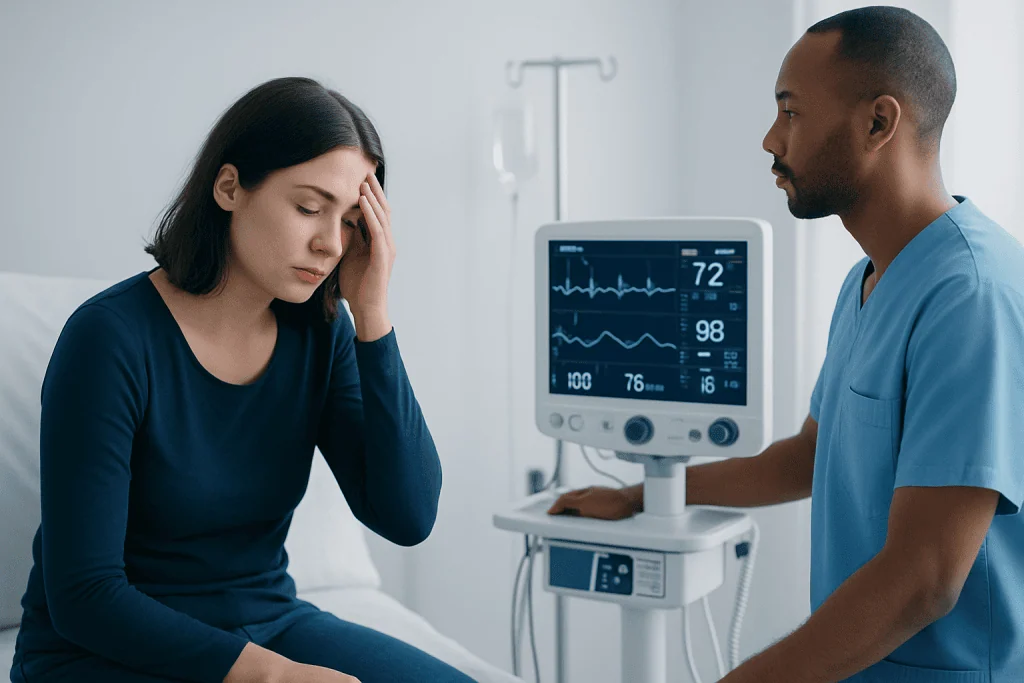
Anemia symptoms can develop gradually, so some people adjust to feeling tired or short of breath and may not realize these changes are related to low hemoglobin. Symptoms often depend on how severe the anemia is, how quickly it developed, and whether the person has heart, lung, or other medical conditions.
Common symptoms may include:
- Persistent tiredness, weakness, or reduced exercise tolerance
- Shortness of breath during activity or, in more severe cases, at rest
- Dizziness, lightheadedness, or feeling faint
- Pale skin, lips, gums, or nail beds
- Headaches, difficulty concentrating, or low mood
- Fast heartbeat, palpitations, or chest discomfort
- Cold hands and feet
Some types of anemia cause additional clues. Iron deficiency may be associated with brittle nails, hair shedding, restless legs, cracks at the corners of the mouth, or unusual cravings such as ice. Vitamin B12 deficiency may cause numbness, tingling, balance problems, or memory changes. These symptoms should be discussed with a doctor, especially if they are persistent or worsening.
Causes and Risk Factors

Anemia develops through three broad mechanisms: the body does not make enough healthy red blood cells, red blood cells are destroyed too quickly, or blood is being lost. Understanding which mechanism is present guides testing and treatment. Iron deficiency anemia is among the most common forms and often results from inadequate iron intake, increased iron needs, or chronic blood loss.
In adults, blood loss is an important cause to investigate. Heavy menstrual bleeding can lead to iron deficiency in women of reproductive age. In men and postmenopausal women, iron deficiency may point to bleeding from the stomach or intestines, such as ulcers, polyps, inflammatory bowel disease, or, less commonly, cancer. For this reason, unexplained iron deficiency anemia should not be dismissed as simply a dietary issue.
Other causes include low vitamin B12 or folate, chronic kidney disease, autoimmune or inflammatory conditions, thyroid disorders, liver disease, infections, bone marrow disorders, and inherited conditions such as thalassemia or sickle cell disease. Certain medicines may also contribute to anemia by affecting absorption, causing bleeding, or influencing bone marrow function.
Risk factors include pregnancy, restrictive diets, vegetarian or vegan diets without careful planning, gastrointestinal surgery, celiac disease, inflammatory bowel disease, chronic infections, older age, family history of inherited anemia, and long-term use of medicines that irritate the stomach or interfere with nutrient absorption. A careful medical history helps doctors decide which of these possibilities is most likely.
How Anemia Is Diagnosed
The first step in diagnosing anemia is usually a complete blood count, often called a CBC. This test measures hemoglobin, hematocrit, red blood cell count, and red blood cell size. The size and appearance of red blood cells can provide valuable clues. For example, small red blood cells may suggest iron deficiency or thalassemia, while large red blood cells may suggest vitamin B12 or folate deficiency, liver disease, thyroid disease, or certain medication effects.
Additional tests are often needed to find the cause. These may include ferritin and iron studies to evaluate iron stores, vitamin B12 and folate levels, kidney and liver function tests, thyroid tests, markers of inflammation, and a reticulocyte count to see whether the bone marrow is producing new red blood cells appropriately. A blood smear may be examined under a microscope when the diagnosis is unclear.
If blood loss is suspected, doctors may recommend tests based on the person’s age, sex, symptoms, and risk factors. This can include stool testing for hidden blood, gynecological evaluation for heavy periods, or gastrointestinal evaluation such as endoscopy or colonoscopy. In selected cases, specialized testing for inherited blood conditions, hemolysis, autoimmune disease, or bone marrow disorders may be necessary.
Treatment Options
Treatment for anemia depends on the underlying cause, the severity of the low hemoglobin, symptoms, and the person’s overall health. The goal is not only to raise hemoglobin but also to address the reason it became low. For example, iron deficiency caused by heavy menstrual bleeding or digestive tract bleeding may return if the bleeding source is not treated.
Iron deficiency anemia is commonly treated with iron replacement and dietary guidance. Some people take oral iron, while others may need intravenous iron if tablets are not tolerated, not absorbed well, or if anemia is more significant. Vitamin B12 or folate deficiency is treated by replacing the missing vitamin and investigating why the deficiency occurred, especially if absorption problems are suspected.
Anemia related to chronic kidney disease, inflammation, cancer treatment, or bone marrow conditions may require more specialized management. Treatment may involve addressing the underlying condition, adjusting medicines, using specific blood-forming therapies when appropriate, or, in selected situations, blood transfusion. Transfusion is generally reserved for severe anemia, significant symptoms, active bleeding, or urgent medical circumstances, and the decision is individualized.
It is important not to self-treat anemia for long periods without medical advice. Taking iron when it is not needed can cause side effects and may delay the diagnosis of another condition. A qualified healthcare professional can interpret blood tests in context and recommend a safe plan.
Nutrition, Prevention, and Self-Care
A balanced diet supports healthy red blood cell production, although diet alone may not correct anemia when there is significant deficiency, poor absorption, or ongoing blood loss. Iron-rich foods include lean red meat, poultry, fish, eggs, beans, lentils, chickpeas, tofu, spinach, nuts, seeds, and iron-fortified grains. Iron from animal sources is generally absorbed more easily than iron from plant sources.
Vitamin C can improve the absorption of plant-based iron, so pairing beans, lentils, or leafy greens with citrus fruit, tomatoes, peppers, or berries may be helpful. Tea and coffee can reduce iron absorption if taken at the same time as iron-rich meals or iron supplements, so spacing them apart may be advised. People following vegetarian or vegan diets should pay particular attention to vitamin B12, which is mainly found in animal products or fortified foods.
Prevention also involves managing risk factors. People with heavy menstrual bleeding, digestive symptoms, prior stomach or intestinal surgery, chronic kidney disease, inflammatory conditions, or a history of anemia may need periodic monitoring. Pregnant people often require screening because iron needs increase during pregnancy, and treatment should be guided by an obstetric or healthcare professional.
When to See a Doctor
Medical evaluation is recommended if a person has persistent fatigue, shortness of breath, dizziness, palpitations, pale skin, unexplained weakness, or symptoms that interfere with daily activities. A doctor should also be consulted if a blood test shows low hemoglobin, even if there are no symptoms, because mild anemia can still indicate an underlying issue that needs attention.
Prompt medical care is especially important if anemia symptoms occur with chest pain, fainting, severe shortness of breath, rapid heartbeat at rest, black or bloody stools, vomiting blood, sudden heavy bleeding, or severe weakness. These symptoms do not always mean a serious condition is present, but they should be assessed quickly and safely.
Investigation is particularly important for men, postmenopausal women, older adults, people with unexplained weight loss, persistent digestive changes, recurrent anemia, or iron deficiency that does not improve as expected. For international patients, Acibadem International’s multidisciplinary specialists and JCI-accredited hospitals can evaluate and treat anemia using coordinated diagnostic and clinical pathways. The right plan depends on the individual’s test results, medical history, and overall health.
Frequently asked questions
What is anemia in simple terms?
Anemia means the blood has reduced ability to carry oxygen, usually because hemoglobin or healthy red blood cells are low. Hemoglobin is the protein that carries oxygen to the body’s tissues. When levels are low, a person may feel tired, weak, dizzy, or short of breath.
Is iron deficiency the only cause of anemia?
No. Iron deficiency is common, but anemia can also be caused by vitamin B12 or folate deficiency, chronic kidney disease, inflammation, inherited blood disorders, bone marrow problems, or blood loss. The treatment depends on the cause, so testing is important before starting long-term supplements.
When should anemia be investigated?
Anemia should be investigated when it is newly diagnosed, persistent, recurrent, moderate to severe, or associated with symptoms. It is especially important to evaluate iron deficiency anemia in men and postmenopausal women, because it may be related to hidden bleeding from the digestive tract.
Can anemia be treated with diet alone?
Diet can help prevent some nutrient-related anemia and support recovery, but it may not be enough if iron stores are very low, absorption is poor, or blood loss continues. A doctor may recommend iron, vitamin B12, folate, or other treatments depending on test results. The underlying cause should also be addressed.
How long does it take to recover from anemia?
Recovery time varies depending on the cause and severity of anemia. Symptoms may improve before blood stores are fully replenished, especially in iron deficiency, so treatment may need to continue as advised by a doctor. Follow-up blood tests help confirm that hemoglobin and nutrient stores are improving.
Is anemia dangerous?
Many cases of anemia are mild and treatable, especially when identified early. However, significant or untreated anemia can strain the heart and reduce quality of life, and it may signal another medical condition. A medical evaluation helps determine the level of concern and the most appropriate treatment.
References
- World Health Organization
- National Heart, Lung, and Blood Institute
- Mayo Clinic
- American Society of Hematology
- British Society of Gastroenterology
This article is for general information only and is not a substitute for professional medical advice. Please consult a qualified doctor about your individual situation.
Anemia in Turkey — costs, top hospitals & a free quote
JCI-accredited · board-certified surgeons · reply within 24h
Add us as a Preferred Source to see more of our trusted health content across Google Search, AI Overviews and Discover.