Anesthetic: An Evidence-Based Guide for Patients

Anesthetic medicines can numb a small area, block pain in part of the body, or make a patient fully unconscious. The type of anesthetic used depends on the procedure, medical history, age, and individual risk factors.
Key Takeaways
- Anesthetic medicines can numb a small area, block pain in part of the body, or make a patient fully unconscious.
- The type of anesthetic used depends on the procedure, medical history, age, and individual risk factors.
- Most side effects are temporary, such as nausea, sore throat, dizziness, or sleepiness after a procedure.
- Careful preoperative assessment and monitoring help make anesthesia very safe for most patients.
- Patients should tell their care team about medicines, allergies, prior anesthesia problems, and sleep or breathing conditions.
Anesthetic is a medicine used to prevent pain and help patients stay comfortable during tests, dental work, surgery, and other procedures. Different types of anesthetic affect the body in different ways, and the safest choice depends on the procedure, overall health, and the anesthesiology plan.
Overview: what anesthetic means
Anesthetic refers to medicine used to block pain and improve comfort during medical or dental care. Depending on the situation, it may numb a small area, reduce sensation in a larger part of the body, or cause temporary unconsciousness so a procedure can be done safely and without pain.
People often use the words anesthetic and anesthesia interchangeably. In general, the anesthetic is the medicine or combination of medicines, while anesthesia is the state it creates, such as numbness, sedation, or unconsciousness. These medicines are used for many settings, from stitches and biopsies to childbirth and major operations.
Anesthesia care is individualized. The choice depends on the type of procedure, expected level of pain, the patient’s age, medical conditions, previous reactions to anesthesia, and personal preferences when appropriate. The goal is not only pain control, but also safety, stable breathing and circulation, and a smooth recovery.
Main types of anesthetic
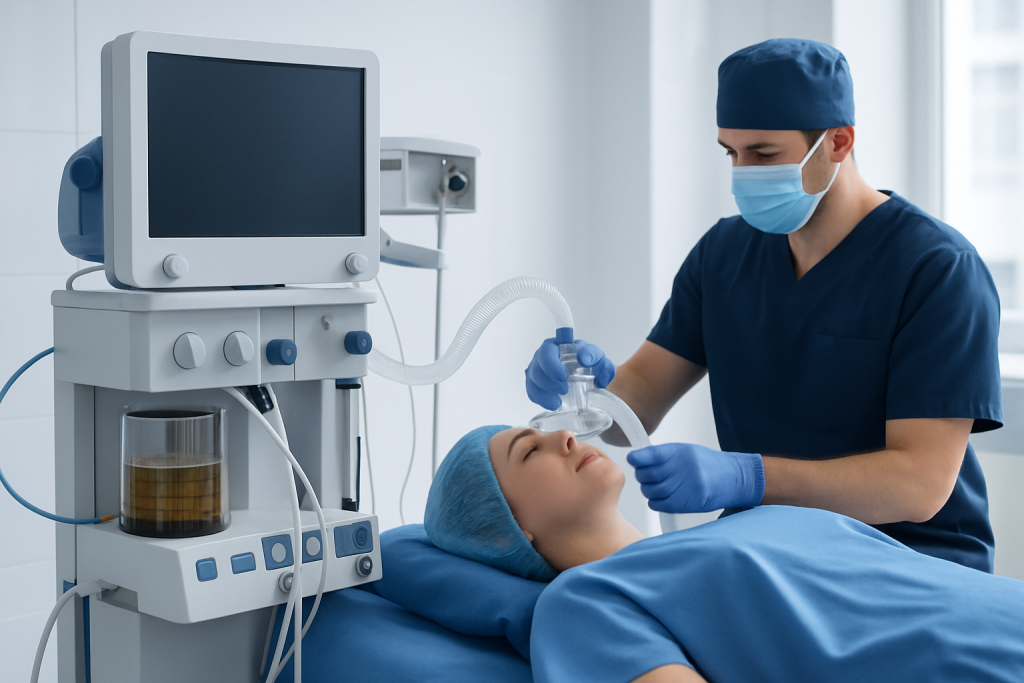
There are several broad types of anesthetic, and each works differently. Local anesthetic numbs a small, specific area, such as skin before stitches, a dental procedure, or removal of a small lesion. The patient stays awake and alert, though mild sedation may sometimes be added.
Regional anesthetic blocks pain in a larger part of the body by numbing specific nerves. Examples include epidural and spinal anesthesia, often used for childbirth or surgery involving the lower body, and nerve blocks for arm, shoulder, knee, or foot procedures. Sedation may also be used with regional techniques to help the patient feel more relaxed.
General anesthetic affects the whole body and brain, causing temporary unconsciousness and loss of awareness during surgery. It may involve intravenous medicines, inhaled gases, or both. Under general anesthesia, the care team continuously monitors breathing, oxygen levels, heart rhythm, blood pressure, and body temperature.
Sedation exists on a spectrum, from minimal relaxation to deep sedation. Some patients describe this as being sleepy but not fully unconscious. Sedation can be used for endoscopy, imaging, dental work, and some minor procedures, often alongside local anesthetic. In some situations, anesthesia planning is part of broader surgical care, such as robotic surgery or general surgery.
How anesthetic is chosen and given

Before a procedure, the care team reviews the patient’s medical history, current medicines, allergies, prior surgeries, and any past anesthesia reactions. They also ask about smoking, alcohol use, sleep apnea, reflux, heart or lung disease, and whether there may be pregnancy. This assessment helps determine the safest anesthesia plan.
The route of administration depends on the type of anesthetic. Local anesthetics are usually injected into tissue or applied topically as a cream, gel, or spray. Regional anesthesia is placed around nerves or into the spine by trained specialists. General anesthesia may be started through a vein, followed by inhaled anesthetic gases, or managed with intravenous medicines alone in selected cases.
Monitoring is a central part of anesthesia care. During procedures, the patient’s pulse, oxygen level, blood pressure, heart rate, and breathing are watched closely. For deeper anesthesia, extra monitoring may be used based on the patient’s health and the complexity of surgery. This helps the team respond quickly to changes and maintain comfort and stability.
Patients are also given instructions before anesthesia, including when to stop eating and drinking, whether to continue regular medicines, and when to arrange a ride home. Following these instructions reduces avoidable risks, especially aspiration, delayed recovery, or problems with blood sugar and blood pressure control.
Common effects, side effects, and possible risks
Most people recover from anesthetic medicines without serious problems. Common short-term effects include sleepiness, grogginess, nausea, vomiting, chills, dry mouth, sore throat after a breathing tube, dizziness, and mild confusion for a few hours. Local or regional anesthesia can also cause temporary numbness, tingling, or weakness in the treated area.
Side effects vary depending on the medicine used, the length of the procedure, the patient’s age, and underlying health conditions. Older adults may be more sensitive to sedative effects. People with sleep apnea or significant lung disease may need especially careful planning because sedatives and general anesthesia can affect breathing.
Serious complications are less common but can occur. These may include allergic reactions, breathing difficulties, changes in heart rhythm, aspiration of stomach contents, nerve injury, severe low blood pressure, awareness during anesthesia in rare cases, or a dangerous inherited reaction such as malignant hyperthermia. Risk is generally higher with major surgery, emergency procedures, or complex health conditions.
Patients should not be afraid to discuss concerns. Asking about expected side effects, pain control after surgery, and individual risk factors is appropriate and helpful. A clear conversation with the anesthesiology team can reduce anxiety and improve preparation.
Diagnosis, assessment, and safety checks before anesthesia
Anesthetic medicines themselves are not diagnosed, but patients are carefully assessed before they are given. This pre-anesthesia evaluation looks at the person’s overall health and identifies factors that may affect anesthesia safety. It often includes a physical exam, airway assessment, review of test results, and discussion of prior anesthesia experiences.
Additional tests are not always necessary, but some patients may need blood tests, heart evaluation, or imaging based on age, symptoms, or medical history. Conditions such as high blood pressure, diabetes, asthma, kidney disease, obesity, or heart disease may influence medication choice, monitoring, and postoperative planning.
Medication review is especially important. Blood thinners, diabetes medicines, sedatives, herbal supplements, and weight-loss injections may need special instructions before a procedure. Patients should also tell the team about loose teeth, dental bridges, hearing aids, contact lenses, and any history of severe nausea after surgery.
One key safety step is informed consent. The patient should understand why a certain anesthetic is recommended, what alternatives may exist, what common side effects to expect, and what the main risks are in their situation. Good communication is an important part of safe care.
Recovery after anesthetic and self-care at home
Recovery depends on the type of anesthetic, the procedure performed, and the patient’s baseline health. After local anesthesia, recovery may be quick, though numbness can last for several hours. After sedation or general anesthesia, patients usually spend time in a recovery area until breathing, alertness, circulation, and pain control are stable.
It is common to feel tired or less focused for the rest of the day after sedation or general anesthesia. Because judgment and reaction time can be affected, most patients are advised not to drive, sign important documents, drink alcohol, or operate machinery for a period recommended by their doctor. A responsible adult may need to stay with them after discharge.
At home, patients should follow instructions about fluids, food, rest, wound care, and pain medicine. Nausea often improves with time and gradual intake of clear fluids. Sore throat after general anesthesia is usually temporary. If a limb remains numb after a regional block, extra care may be needed to avoid burns, falls, or accidental injury until sensation returns.
For patients undergoing complex procedures, recovery may involve coordinated care with surgeons, pain specialists, and rehabilitation teams. In international centers such as Acibadem International, multidisciplinary specialists in JCI-accredited hospitals evaluate anesthesia needs as part of broader treatment planning, including fields such as neurosurgery when appropriate.
Reducing risk: what patients can do before a procedure
Patients can play an important role in safer anesthesia. The most important step is to give complete and accurate health information, including all prescription medicines, over-the-counter drugs, supplements, allergies, and recreational substance use. Even details that seem unrelated can matter during anesthesia planning.
Following fasting instructions is essential. Eating or drinking too close to anesthesia can increase the risk of aspiration, in which stomach contents enter the lungs. Patients should also ask which regular medicines to take on the day of the procedure and which ones may need to be paused or adjusted.
Stopping smoking, even for a short period before surgery, may help breathing and recovery. Managing chronic conditions such as diabetes, asthma, or high blood pressure can also lower the chance of complications. People who use CPAP for sleep apnea should tell the team and bring their device if instructed.
- Ask what type of anesthetic is planned and why.
- Discuss prior nausea, difficult intubation, or family history of anesthesia problems.
- Arrange transport and help at home if sedation or general anesthesia is planned.
- Report fever, cough, chest symptoms, or new illness before the procedure.
When to seek medical care
Patients should contact a doctor promptly if they have severe or worsening symptoms after anesthesia. Warning signs include trouble breathing, chest pain, severe dizziness, persistent vomiting, confusion that does not improve, high fever, or fainting. These symptoms do not always mean there is a serious complication, but they need medical assessment.
Medical advice is also important if numbness, weakness, or tingling lasts much longer than expected after a local or regional anesthetic, or if there is increasing pain, swelling, or redness at an injection site. After surgery, new symptoms may relate to the procedure rather than the anesthetic, so it is best not to guess and instead ask the care team for guidance.
Anyone with a history of difficult anesthesia, severe allergic reactions, malignant hyperthermia in the family, or major breathing problems should tell clinicians before any future procedure, including dental treatment. For urgent symptoms, emergency care is the safest choice.
Frequently asked questions
What is the difference between anesthetic and anesthesia?
Anesthetic usually refers to the medicine used to block pain or cause unconsciousness. Anesthesia refers to the effect produced by that medicine, such as numbness, sedation, or a sleep-like state during surgery.
Is anesthetic safe?
For most patients, anesthetic care is very safe when it is planned and monitored by trained professionals. Safety depends on the type of procedure, overall health, medical history, and following pre-procedure instructions carefully.
Will a patient feel pain under general anesthesia?
General anesthesia is designed to prevent awareness and pain during the procedure. In addition, other pain-relief medicines are often used during and after surgery to keep the patient comfortable as they wake up.
How long does anesthetic stay in the body?
The main effects of many anesthetic medicines wear off within hours, but the exact timing varies by medication, dose, procedure length, age, and liver or kidney function. Some after-effects, such as tiredness or mild nausea, may last into the next day.
What are common side effects after anesthesia?
Common short-term side effects include drowsiness, sore throat, nausea, chills, dry mouth, and dizziness. Most are temporary and improve with rest, hydration, and routine postoperative care, but persistent or severe symptoms should be reported.
Can someone be allergic to an anesthetic?
Yes, but true allergic reactions to anesthetic medicines are uncommon. If a person has had a previous reaction to anesthesia, latex, antibiotics, or other medicines, they should tell the anesthesia team before any procedure.
This article is for general information only and is not a substitute for professional medical advice. Please consult a qualified doctor about your individual situation.
Explore treatments in Turkey — costs, top hospitals & a free quote
JCI-accredited · board-certified surgeons · reply within 24h
Add us as a Preferred Source to see more of our trusted health content across Google Search, AI Overviews and Discover.
Check your numbers in seconds
BMI, calories, due date, blood pressure and 30+ more clinical calculators — free, instant, doctor-reviewed ranges.

More from the Health Library

Deep Tissue Massage — Explained by Medical Evidence, Not Myths

Ketone: Symptoms, Causes, and Treatment — Complete Patient Guide

Treatment of Torsion Testis: Procedure, Recovery and Results

Jogging: A Complete Medical Overview

Citrulline Malate — Explained by Medical Evidence, Not Myths