Angelman Syndrome: Diagnosis, Outlook, and Modern Treatment Approaches
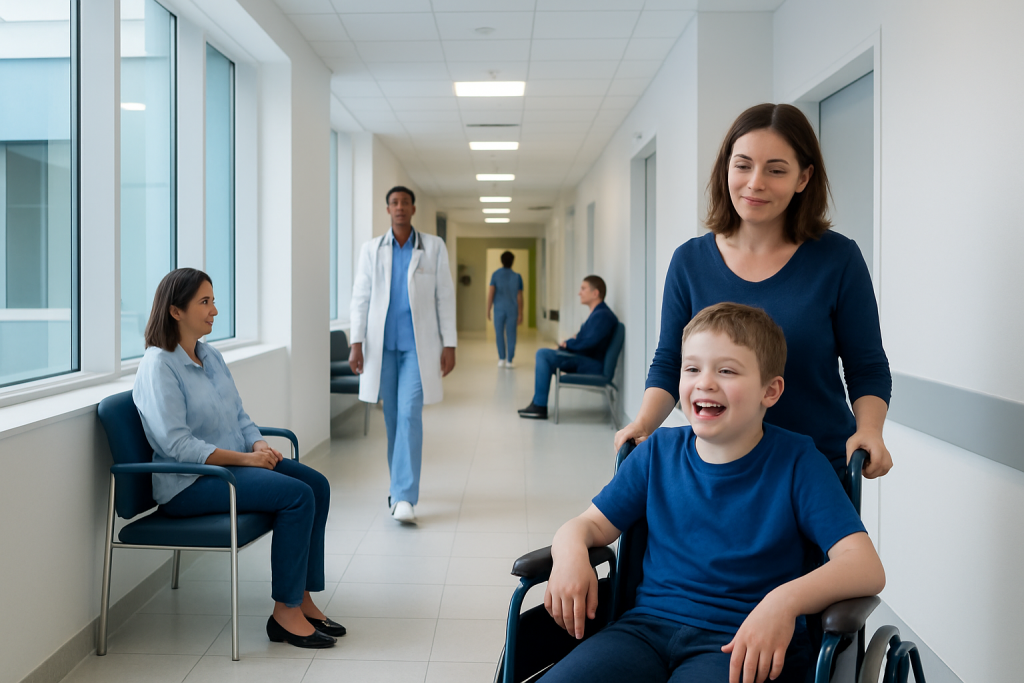
Angelman syndrome is a genetic neurodevelopmental disorder, most often linked to changes affecting the UBE3A gene on chromosome 15. Common features include developmental delay, limited speech, balance problems, seizures, and a happy or excitable behavior pattern.
Key Takeaways
- Angelman syndrome is a genetic neurodevelopmental disorder, most often linked to changes affecting the UBE3A gene on chromosome 15.
- Common features include developmental delay, limited speech, balance problems, seizures, and a happy or excitable behavior pattern.
- Diagnosis is confirmed with genetic testing after a child shows characteristic developmental and neurological signs.
- There is no cure yet, but treatment can improve quality of life through seizure management, therapies, sleep support, and ongoing monitoring.
- Early intervention and coordinated care from pediatric neurology, rehabilitation, and therapy teams are important for long-term outcomes.
Angelman syndrome is a rare genetic condition that affects development, movement, speech, and behavior. Diagnosis usually combines a careful clinical evaluation with genetic testing, while modern treatment focuses on seizure control, developmental support, rehabilitation, and long-term family-centered care.
Overview: what angelman syndrome is
Angelman syndrome is a rare genetic neurodevelopmental disorder that affects how the brain develops and functions. It typically causes significant developmental delay, limited or absent speech, movement and balance difficulties, and characteristic behavioral features such as frequent smiling, excitability, and a happy demeanor. Symptoms usually become noticeable in infancy or early childhood, although the diagnosis is not always made right away.
The condition most often happens when the maternal copy of a gene called UBE3A does not work properly in certain brain cells. This may be due to a deletion, a gene mutation, uniparental disomy, or an imprinting defect. Because the underlying cause is genetic, angelman syndrome is not caused by anything a parent did during pregnancy or early care.
Families often first seek answers because a baby is not meeting expected developmental milestones, has poor coordination, or later develops seizures. Although angelman syndrome is lifelong, many people benefit from structured therapies, symptom-based medical treatment, and educational support. The outlook varies, but with the right care, children and adults can make meaningful progress in communication, mobility, and daily living skills.
Signs and symptoms across childhood
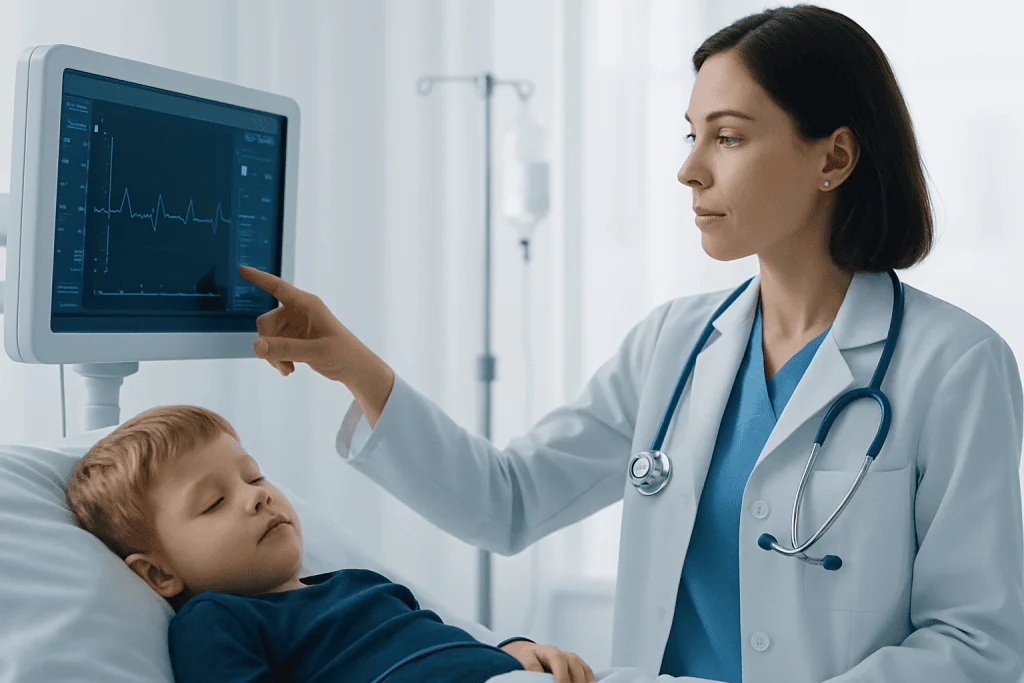
The features of angelman syndrome usually emerge over time. In early infancy, there may be feeding difficulties, low muscle tone, or delayed motor development. As a child grows, the pattern becomes clearer, often including delayed sitting and walking, unusual movement patterns, tremor, and trouble with balance. Speech is usually very limited, but many children understand more language than they can express.
Behavioral and neurological features are also common. Children may laugh frequently, seem unusually cheerful, flap their hands when excited, and have a short attention span. Sleep problems are common, and many children need ongoing support for sleep routines. Seizures often begin in early childhood, and some children have abnormal EEG findings even before seizures are recognized.
Other possible signs can include:
- Microcephaly, or a smaller-than-expected head size developing over time
- Stiff or jerky movements
- Wide-based gait
- Difficulty chewing or swallowing
- Constipation or reflux
- Sensitivity to heat
- Strabismus or other vision concerns
Not every child has the same combination of symptoms. Some have more prominent seizures, while others have greater challenges with sleep, feeding, or mobility. This variation is one reason why specialist assessment is important.
Why it happens: causes and genetic risk
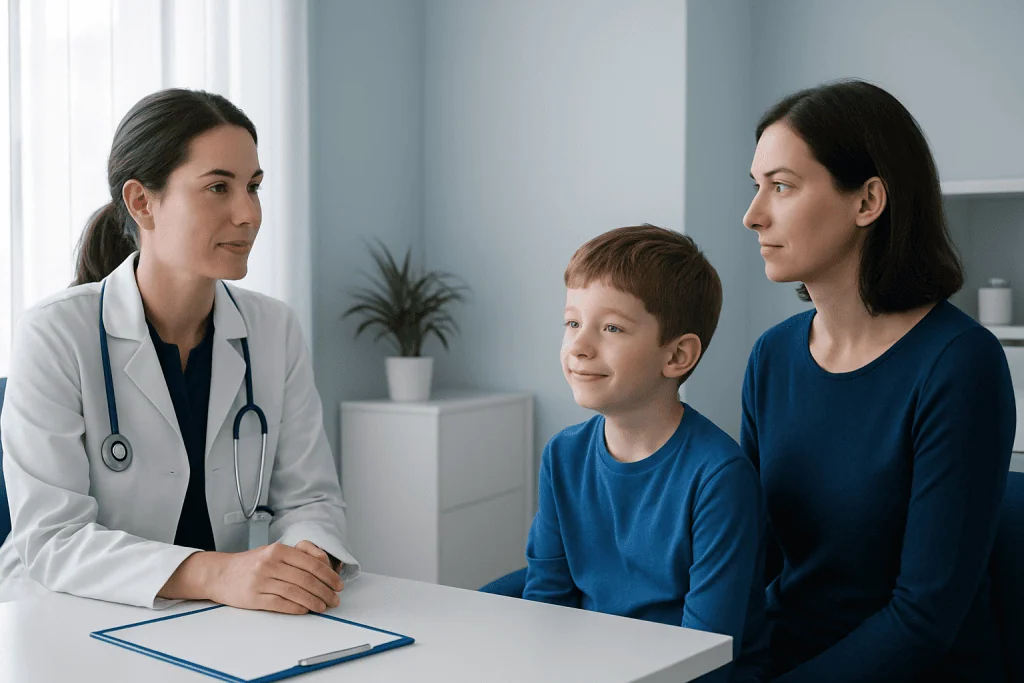
Angelman syndrome is caused by a problem affecting the expression of the maternal UBE3A gene in the brain. In many people, the cause is a small missing piece of chromosome 15 in the region 15q11-q13. In others, the maternal gene is present but altered by a mutation, or the child has inherited both copies of that chromosome region from the father, a mechanism called paternal uniparental disomy. Another possible cause is an imprinting defect, which affects how the gene is switched on or off.
Most cases happen sporadically, meaning they occur by chance and are not inherited in a straightforward way. However, some genetic mechanisms can increase the chance of recurrence in future pregnancies. For this reason, once a diagnosis is confirmed, families are often offered genetic counseling to better understand what the test results mean and whether additional testing is helpful for parents or siblings.
Angelman syndrome is different from other genetic and developmental conditions, even though some features may overlap. For example, seizures or developmental delay may also occur in epilepsy or cerebral palsy, but the overall clinical pattern and genetic findings help distinguish angelman syndrome from these and other disorders.
How angelman syndrome is diagnosed
Diagnosis begins with a detailed medical history and physical and neurological examination. A pediatrician, pediatric neurologist, or clinical geneticist may suspect angelman syndrome when a child has a combination of developmental delay, severe speech impairment, movement difficulties, characteristic behavior, and seizures. Because symptoms can overlap with other developmental conditions, the diagnosis should not be based on appearance or behavior alone.
Genetic testing is the most important step to confirm the diagnosis. Testing often starts with methods that can detect common abnormalities in the chromosome 15 region, followed by more targeted analysis if needed. Depending on the initial results, doctors may use methylation studies, microarray testing, or sequencing of the UBE3A gene. These tests not only confirm the diagnosis but can also identify the genetic subtype, which may help guide counseling and expectations.
Additional evaluations may be recommended to understand a child’s overall needs. These can include an EEG for seizures, sleep assessment, feeding and swallowing evaluation, developmental testing, and vision or orthopedic review. In some situations, clinicians may arrange genetic testing together with pediatric neurology care to build a clear diagnosis and care plan.
Early diagnosis matters because it allows families to begin therapies, education planning, and medical monitoring sooner. Even when no curative treatment is available, timely recognition can reduce delays in supportive care and improve everyday functioning.
Modern treatment approaches and long-term care
There is currently no cure that reverses angelman syndrome, so treatment focuses on symptoms, development, and quality of life. Care is usually individualized and coordinated across several specialties. The main goals are to reduce seizures, improve mobility and communication, support nutrition and sleep, and help the child participate as fully as possible at home and school.
Seizure management is often a central part of treatment. Doctors may prescribe anti-seizure medicines based on the type and frequency of seizures, while avoiding medications that may worsen symptoms in some children. If a child has difficult-to-control seizures, the neurology team may recommend further evaluation and follow-up through epilepsy treatment. Regular review is important because seizure patterns can change with age.
Rehabilitation therapies are also essential. Physical therapy can help with posture, balance, strength, and walking. Occupational therapy supports daily skills, positioning, and adaptive equipment needs. Speech and language therapy usually focuses not only on spoken words but also on alternative communication methods, such as gestures, picture systems, or communication devices. In many children, progress in communication greatly improves comfort and participation even when verbal speech remains limited.
Medical treatment may also address sleep problems, constipation, reflux, feeding difficulties, scoliosis, and behavioral concerns. Some children need coordinated services that include nutrition support, orthopedic review, and developmental follow-up. For selected families seeking multidisciplinary support, Acibadem International’s specialists in JCI-accredited hospitals provide assessment and treatment planning for international patients, including physical therapy and rehabilitation when movement and functional challenges are significant.
Outlook, learning, and daily life
The outlook for angelman syndrome has improved as diagnosis, seizure care, rehabilitation, and communication supports have advanced. Children usually continue to learn throughout life, although development is significantly delayed. Many can build social connections, enjoy routines, and gain skills in mobility, self-care, and communication with consistent support.
Speech is often the most affected area, but this does not mean a person cannot communicate. Many children and adults understand much more than they can say aloud. Augmentative and alternative communication tools can help express needs, choices, emotions, and preferences. Families often notice meaningful improvement when communication support starts early and is used consistently across home and school.
Adults with angelman syndrome generally continue to need supervision and structured support, but the degree varies. Some symptoms, such as hyperactivity, may ease with age, while mobility issues, sleep concerns, or scoliosis may require ongoing attention. Long-term care works best when it balances medical follow-up with practical goals for independence, comfort, and participation in everyday life.
Prevention, self-care, and family support
Angelman syndrome cannot usually be prevented because most cases result from spontaneous genetic changes. However, once a diagnosis is made, genetic counseling can help families understand recurrence risk and discuss future pregnancy planning if desired. This information can be especially useful when the genetic mechanism suggests a higher chance of recurrence.
At home, self-care focuses on routines and supportive strategies rather than disease prevention. Families may benefit from regular sleep schedules, feeding plans tailored to swallowing and nutrition needs, fall prevention measures, and close observation for seizure activity. Consistent therapy practice at home can reinforce progress made in formal sessions.
Practical support often includes:
- Early intervention and special education services
- Alternative communication tools
- Home safety planning for mobility and seizures
- Routine follow-up with neurology and pediatric specialists
- Caregiver support groups and community resources
Caring for a child with complex developmental needs can be demanding, so family well-being matters too. Parents and caregivers may need emotional support, respite options, and help coordinating school and medical services. A care team that listens to family concerns and adjusts plans over time can make a meaningful difference.
When to seek medical care
Medical evaluation is important if a baby or young child is not meeting developmental milestones, especially if there is delayed sitting, walking, or speech, unusual movements, poor balance, or frequent unexplained laughter with developmental delay. A child should also be assessed promptly if seizures are suspected, if sleep problems are severe, or if feeding and swallowing difficulties are affecting growth or safety.
Urgent medical care is needed for a first seizure, a seizure lasting longer than expected, repeated seizures without full recovery between them, breathing difficulty, injury during a seizure, or signs of dehydration and poor feeding. Families should also contact a doctor if a child suddenly loses skills, develops worsening walking problems, or shows new pain, back curvature, or major sleep disruption.
Because symptoms can overlap with many neurological and developmental conditions, families should not try to self-diagnose. An experienced pediatric team can help determine whether angelman syndrome or another condition is responsible and guide the next steps for testing and support.
Frequently asked questions
Is angelman syndrome inherited from parents?
Most cases of angelman syndrome happen spontaneously and are not inherited in a simple way. However, some genetic mechanisms can increase the chance of recurrence, so genetic counseling is recommended after diagnosis.
At what age is angelman syndrome usually diagnosed?
Symptoms often become noticeable between about 6 months and 2 years of age, when developmental delays become clearer. Some children are diagnosed later, especially if early signs are subtle or if seizures have not yet appeared.
Can children with angelman syndrome talk?
Many children have very limited spoken language, and some remain nonverbal. Even so, they can often communicate effectively through gestures, picture systems, or speech-generating devices with the right support.
Does angelman syndrome always cause seizures?
Seizures are very common in angelman syndrome, but not every person has them in the same way or at the same age. Some children develop seizures early, while others may have abnormal EEG findings before obvious seizures occur.
Is there a cure for angelman syndrome?
There is no cure at present that corrects the underlying genetic problem in routine clinical care. Treatment focuses on managing symptoms, supporting development, and improving quality of life through therapies and medical follow-up.
What is the life expectancy for someone with angelman syndrome?
Many people with angelman syndrome can live into adulthood, and life expectancy may be near normal in some cases. Overall health depends on factors such as seizure control, mobility, nutrition, and the management of related medical problems.
References
- National Institute of Neurological Disorders and Stroke
- National Organization for Rare Disorders
- MedlinePlus Genetics
- GeneReviews
- American Academy of Pediatrics
This article is for general information only and is not a substitute for professional medical advice. Please consult a qualified doctor about your individual situation.
Explore treatments in Turkey — costs, top hospitals & a free quote
JCI-accredited · board-certified surgeons · reply within 24h
Add us as a Preferred Source to see more of our trusted health content across Google Search, AI Overviews and Discover.