Ankle Fracture Rehabilitation Time — Explained by Medical Evidence, Not Myths

Ankle fracture rehabilitation time varies widely and depends on fracture severity, stability, and treatment. Bone healing and functional recovery are not the same; walking normally may take longer than the fracture itself to mend.
Key Takeaways
- Ankle fracture rehabilitation time varies widely and depends on fracture severity, stability, and treatment.
- Bone healing and functional recovery are not the same; walking normally may take longer than the fracture itself to mend.
- Physical therapy, safe weight-bearing, and swelling control play a major role in recovery.
- Surgery, smoking, diabetes, osteoporosis, and complex fractures can lengthen rehabilitation time.
- Persistent pain, worsening swelling, numbness, fever, or inability to bear weight should be medically reviewed.
Ankle fracture rehabilitation time is usually measured in weeks to months rather than days, and the exact timeline depends on the type of fracture, whether surgery was needed, age, general health, and how well rehabilitation is followed. Most people improve steadily, but full strength, balance, and confidence in walking can take longer than the bone itself takes to heal.
Overview: How Long Does Ankle Fracture Rehabilitation Usually Take?
Ankle fracture rehabilitation time usually falls on a spectrum rather than following one fixed schedule. In many uncomplicated cases, the bone may show meaningful healing within about 6 to 12 weeks, but recovery of normal walking, ankle flexibility, strength, balance, and return to sport or demanding work often takes several more weeks or months. This is why two people with a “broken ankle” can have very different experiences.
Medical evidence shows that recovery depends on several factors: which ankle bone is fractured, whether the break is stable or displaced, whether ligaments or cartilage are also injured, and whether treatment involves a cast, boot, or surgery. A small stable fracture treated without surgery may recover more quickly than a complex fracture involving multiple bones, joint misalignment, or soft-tissue damage.
It also helps to separate bone healing from rehabilitation. X-rays may show that the fracture is uniting, yet the ankle can still feel stiff, weak, swollen, or unreliable on uneven ground. Rehabilitation focuses on restoring function safely, reducing pain and swelling, rebuilding range of motion, and helping the person return to usual daily activities with less risk of re-injury.
What Influences Ankle Fracture Rehabilitation Time?
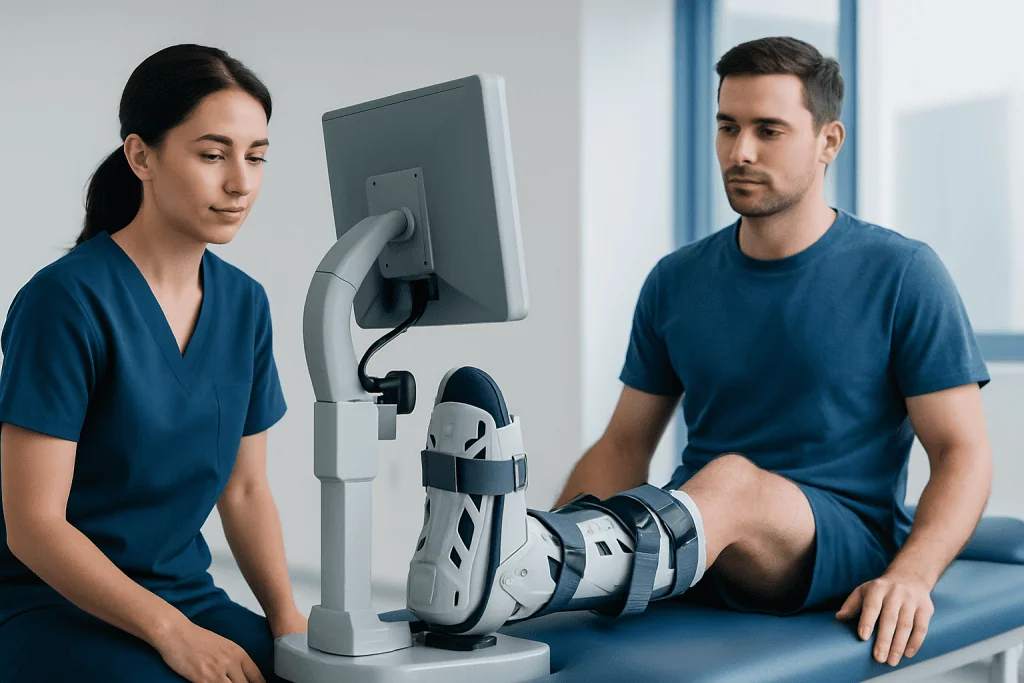
The biggest factor is the nature of the fracture itself. Stable fractures that keep the ankle joint aligned often heal faster and may allow earlier progression in a walking boot. More serious injuries, such as displaced fractures, fractures involving both sides of the ankle, or those extending into the joint surface, often need longer protection and a more gradual return to movement. Associated injuries to ligaments, tendons, skin, or nerves can also slow recovery.
Treatment choice matters as well. Some fractures are managed with immobilization and follow-up imaging, while others need surgery to restore alignment and stabilize the bones. Surgical treatment can provide strong fixation, but it does not make recovery “instant.” Soft tissues still need to recover, swelling can remain for months, and rehabilitation after surgery is often structured in phases. Readers looking for more general information on orthopedic care may find it helpful to understand how fracture management is planned.
Personal health factors also affect progress. Older age, smoking, diabetes, poor circulation, low bone density, vitamin deficiencies, and some medications can slow bone healing or impair tissue recovery. At the same time, younger age does not guarantee a fast return to sport, especially if there is significant stiffness, muscle loss, or fear of loading the ankle after immobilization.
Adherence to rehabilitation is another key issue. Carefully following weight-bearing instructions, wearing the boot or cast as directed, doing prescribed exercises, elevating the ankle, and attending follow-up appointments can all help recovery stay on track. Trying to do too much too soon may increase pain and swelling, while too little movement at the right stage may contribute to stiffness and weakness.
Typical Recovery Phases After an Ankle Fracture
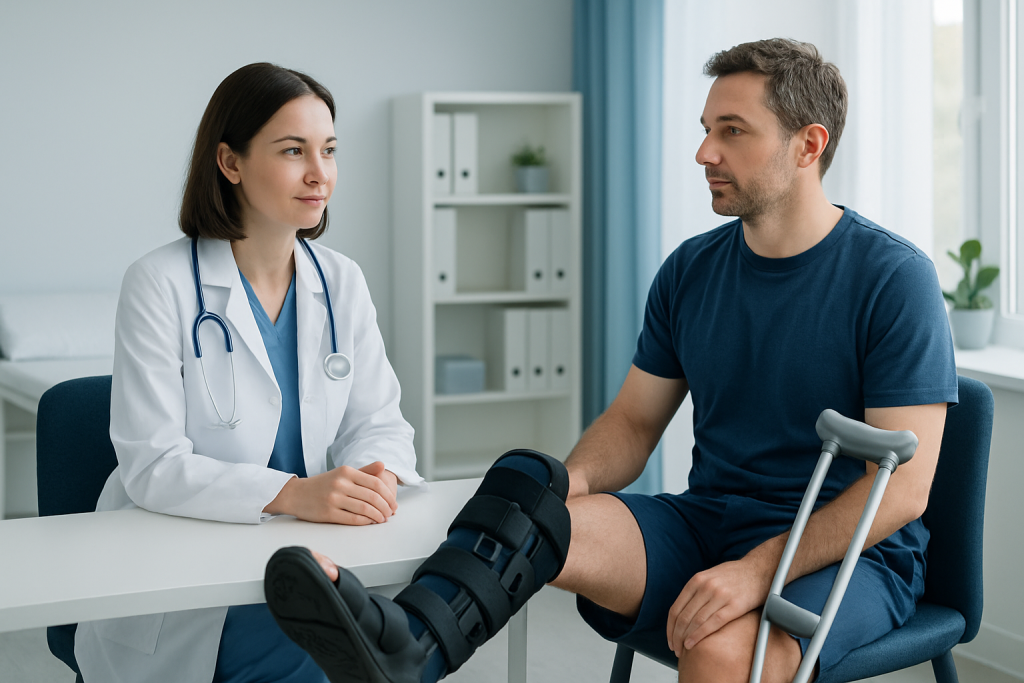
Although every case is individual, rehabilitation often moves through recognizable phases. In the early phase, the main goals are protecting the fracture, controlling swelling, and managing pain. This may involve a cast or boot, reduced weight-bearing, elevation, and simple movement exercises for nearby joints such as the toes, knee, and hip. Some patients are allowed early partial weight-bearing, while others need to avoid loading the ankle until a clinician confirms it is safe.
The next phase usually begins when the fracture is stable enough for more active rehabilitation. This may include gradually increasing weight-bearing, gentle ankle range-of-motion work, and exercises to limit muscle loss in the calf and lower leg. Swelling and stiffness are still common at this stage, especially at the end of the day.
Later rehabilitation focuses on restoring strength, walking pattern, balance, and confidence. Patients may work on calf raises, resistance exercises, step training, and stability drills. More demanding goals, such as running, jumping, rapid directional changes, or prolonged standing at work, generally come after basic walking has normalized.
Return to sport or heavy physical activity is often the final phase and should be guided by function, not just time alone. The ankle should have enough mobility, strength, and balance to tolerate the specific activity. For some people this may happen within a few months; for others, especially after complex injury or surgery, it can take considerably longer.
Symptoms and Recovery Milestones to Expect
During recovery, pain and swelling usually improve gradually, but they rarely disappear all at once. Mild to moderate swelling around the ankle and foot can persist for many weeks and may worsen after activity or prolonged standing. Stiffness in the morning or after rest is also common. These symptoms do not always mean something is wrong, but they should trend in the right direction over time.
Walking often improves in stages. At first, the person may rely on crutches or a walker, then progress to partial and full weight-bearing if approved by the treating clinician. Even after full weight-bearing is allowed, a limp may continue if the ankle remains stiff or weak. Regaining a smooth walking pattern is an important milestone because it reduces strain on the knees, hips, and back.
Functional milestones often matter more to patients than imaging results. Common signs of progress include being able to put the foot down without sharp pain, stand longer, move the ankle more freely, climb stairs more comfortably, and balance better on the injured side. Some people with severe injuries may also need support from a formal physical therapy and rehabilitation program.
If symptoms plateau for a long time or worsen, the medical team may reassess for delayed healing, joint stiffness, tendon irritation, hardware-related discomfort after surgery, or ongoing instability. In some cases, ankle problems overlap with or resemble a severe sprain, and readers may also come across related information on ankle sprain when doctors are evaluating soft-tissue injury alongside a fracture.
How Doctors Assess Healing and Plan Rehabilitation
Diagnosis and follow-up begin with a clinical examination and imaging, most often X-rays. The doctor checks the location of the fracture, whether the bones are aligned, whether the joint is affected, and whether there may be additional injuries. In selected cases, CT or MRI may be used for a more detailed view, especially when the fracture pattern is complex or there is concern about cartilage, ligaments, or occult injury.
Rehabilitation planning is based on more than the first diagnosis. Follow-up visits help determine whether the fracture is healing as expected and whether the patient can safely increase movement or weight-bearing. The clinician looks at pain levels, swelling, skin condition, range of motion, gait, and sometimes repeat imaging findings. This is why rehabilitation timelines should not be copied from another person’s experience.
Physical therapists and orthopedic specialists often work together to tailor the program. The pace may be adjusted according to stiffness, weakness, balance deficits, and the patient’s daily needs. Someone who mainly needs to return to desk work will have different goals from someone returning to manual labor, dance, or competitive sport. In a small number of cases, persistent pain may prompt review for associated conditions such as osteoporosis or other factors affecting bone strength.
Treatment and Rehabilitation Options
Treatment for an ankle fracture aims first to allow the bone to heal in good alignment. Non-surgical care may include a cast or removable boot, rest, ice, elevation, and a gradual progression in walking status under medical guidance. This is often effective for stable fractures. Surgery may be recommended when the fracture is displaced, unstable, open, or affecting the ankle joint in a way that risks poor long-term function if left uncorrected.
Rehabilitation begins alongside or soon after this initial treatment plan, depending on the injury and medical advice. Key elements include swelling control, ankle mobility exercises, muscle strengthening, gait retraining, and balance work. Some patients need formal supervised therapy, while others can progress with a home exercise plan and periodic review. More complex cases may benefit from sports injury care if return to running or athletic performance is a goal.
Supportive measures can also help. Elevating the leg after activity, using compression if advised, wearing suitable footwear during recovery, and pacing activity levels may improve comfort. Pain management should follow a clinician’s advice, especially after surgery or if other health conditions are present.
Near the end of care, some people still notice reduced confidence on stairs or uneven surfaces. Ongoing strengthening of the calf, foot, and hip muscles, plus single-leg balance practice, may continue for some time after formal treatment ends. In selected cases, multidisciplinary evaluation is useful; Acibadem International’s specialists in JCI-accredited hospitals diagnose and treat orthopedic injuries for international patients.
Self-care, Prevention of Setbacks, and Return to Daily Life
Self-care during rehabilitation is not just about rest. The aim is to protect the healing ankle while preventing avoidable stiffness and deconditioning. Patients should follow the exact instructions they are given about weight-bearing, boot or cast use, wound care after surgery, and exercise. Doing more activity than advised can lead to increased swelling and pain, but doing too little once movement is permitted may slow functional recovery.
Swelling management often remains important for longer than people expect. Simple steps such as elevating the leg, taking regular breaks from prolonged standing, and using supportive shoes when cleared can reduce discomfort. Exercises should be progressed gradually and should challenge the ankle without causing a major flare-up that lasts well into the next day.
Preventing future ankle problems also matters. Once healing is established, balance training and leg strengthening can reduce the risk of another injury. Safe home surroundings, sensible footwear, attention to bone health, and avoiding smoking support recovery. People with repeat fractures or low-impact fractures may need assessment for bone weakness and fall risk.
Returning to work, driving, travel, or sport should be individualized. Readiness depends on pain control, reaction time, strength, walking quality, and the demands of the activity. A clinician can advise when it is safe to resume these tasks, especially if the injury involved surgery, the right ankle, or physically demanding responsibilities.
When to Seek Medical Care
Medical review is important if there is worsening pain, increasing swelling that does not improve with rest and elevation, numbness, color change in the foot, fever, wound drainage, or a cast or boot that feels too tight. These symptoms do not always signal a serious problem, but they should not be ignored. Sudden calf pain, marked swelling, or shortness of breath require urgent medical attention.
Patients should also contact their doctor if they cannot bear weight when they were previously improving, if the ankle feels unstable, or if stiffness and pain remain severe well beyond the expected stage of recovery. Delayed healing, joint irritation, infection after surgery, or other complications may need assessment.
Anyone with diabetes, poor circulation, nerve problems, osteoporosis, or a history of slow wound healing should keep close follow-up because recovery may need more careful supervision. Early medical guidance can help refine the rehabilitation plan and reduce the risk of long-term limitations.
Frequently asked questions
How long does ankle fracture rehabilitation time usually last?
Ankle fracture rehabilitation time often ranges from several weeks to several months. Bone healing may occur within roughly 6 to 12 weeks in many cases, but full recovery of strength, balance, and confidence in walking can take longer.
Is recovery faster if surgery is done?
Not necessarily. Surgery can stabilize the fracture and improve alignment when needed, but the surrounding soft tissues still need time to recover. Rehabilitation after surgery may still be lengthy, especially if the injury is complex.
When can a person walk after an ankle fracture?
Walking depends on the fracture pattern and the treatment plan. Some people begin partial weight-bearing earlier in a boot, while others must avoid putting weight on the ankle until imaging and examination show it is safe. The treating doctor should guide this decision.
Why is the ankle still swollen even after the bone has healed?
Swelling often lasts longer than people expect because soft tissues around the fracture also need time to recover. It may become more noticeable after standing or activity. Gradual improvement is common, but persistent or worsening swelling should be discussed with a clinician.
Will physical therapy always be needed?
Not every patient needs formal in-person physical therapy, but most benefit from a structured rehabilitation plan. This may be delivered through supervised sessions, home exercises, or both. Therapy is especially helpful when stiffness, weakness, limping, or balance problems continue.
Can an ankle fracture cause long-term problems?
Some people recover fully, while others may have lingering stiffness, swelling, reduced range of motion, or discomfort on uneven ground. The risk is higher after severe fractures, joint surface injuries, or delayed rehabilitation. Early follow-up and appropriate exercises can help reduce this risk.
References
- American Academy of Orthopaedic Surgeons
- National Institute for Health and Care Excellence
- National Health Service
- American Physical Therapy Association
- OrthoInfo
This article is for general information only and is not a substitute for professional medical advice. Please consult a qualified doctor about your individual situation.
Joint and spine care in Turkey — expert assessment & treatment
JCI-accredited · board-certified surgeons · reply within 24h
Add us as a Preferred Source to see more of our trusted health content across Google Search, AI Overviews and Discover.

More from the Health Library

HDL Cholesterol: What Patients Need to Know

Yoni Massage: An Evidence-Based Guide for Patients

Fractionated Coconut Oil: A Complete Medical Overview

Fat Vigana: What Patients Need to Know
Tetraplegia: An Evidence-Based Guide for Patients

Nasal Saline Rinses.: An Evidence-Based Guide for Patients
Orthopedic Surgery & Traumatology Specialists at Acibadem

Fzt. A.Sercan Soyarslan
Physical Medicine & Rehabilitation
Dr. Abdullah Yener İnce
Orthopedic Surgery & Traumatology
Dr. Adnan Abbasoğlu
Orthopedic Surgery & Traumatology
Prof. Dr. Ahmet Alanay
Orthopedic Surgery & Traumatology