Ankle Sprain: Grades, Recovery Time, and Prevention of Repeat Injury

Ankle sprains are commonly graded from mild ligament stretching to complete ligament tears, and the grade helps estimate recovery time. Early care usually focuses on protection, rest, ice, compression, elevation, and safe movement as advised by a clinician.
Key Takeaways
- Ankle sprains are commonly graded from mild ligament stretching to complete ligament tears, and the grade helps estimate recovery time.
- Early care usually focuses on protection, rest, ice, compression, elevation, and safe movement as advised by a clinician.
- Rehabilitation is essential because balance, strength, and joint control reduce the risk of chronic ankle instability.
- X-rays or other imaging may be needed if there is severe pain, inability to bear weight, significant swelling, or concern for fracture.
- Return to sport or demanding activity should be gradual and based on function, not only on the number of days since injury.
An ankle sprain occurs when the ligaments that support the ankle are stretched or torn, most often after the foot twists inward. Most ankle sprains heal well with the right early care, rehabilitation, and prevention plan to reduce the risk of repeat injury.
Overview
An ankle sprain is an injury to one or more ligaments around the ankle joint. Ligaments are strong bands of tissue that connect bones and help keep the joint stable. The most common type is a lateral ankle sprain, which usually happens when the sole of the foot rolls inward and the ankle turns outward, stretching the ligaments on the outside of the ankle.
Ankle sprains can occur during sports, walking on uneven ground, stepping off a curb, or simply landing awkwardly. Although many sprains are mild, they should not be dismissed as a minor problem. Without appropriate recovery and rehabilitation, the ankle may remain weak or unstable, increasing the chance of repeated sprains.
The good news is that most ankle sprains improve with conservative care. A structured plan usually includes early symptom control, guided movement, strengthening, balance training, and a gradual return to normal activities. The right approach depends on the severity of the injury, the person’s activity level, and whether there have been previous ankle injuries.
Ankle Sprain Grades and Recovery Time
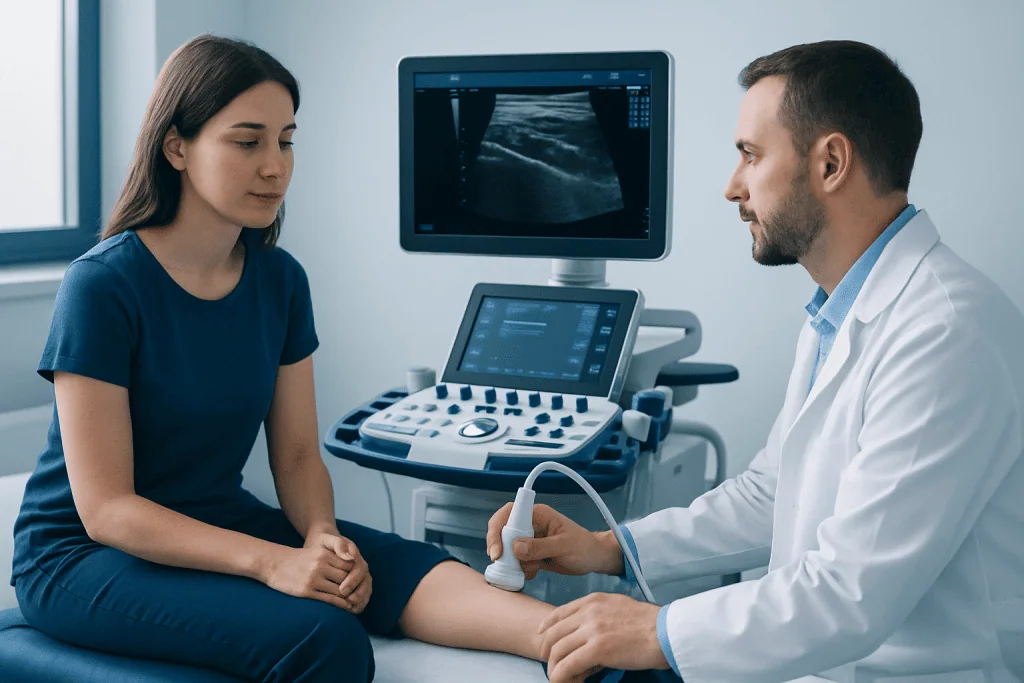
Doctors often describe ankle sprains by grade. This grading system helps explain how much ligament damage has occurred, although symptoms and recovery can vary from person to person. A clinician may assess pain, swelling, bruising, range of motion, ability to walk, and ankle stability before estimating the grade.
Grade 1 is a mild sprain with stretching or tiny microscopic tears in the ligament. The ankle may be tender and slightly swollen, but walking is often possible. Recovery may take about 1 to 3 weeks, although returning to running or sports may take longer if strength and balance have not fully recovered.
Grade 2 is a moderate sprain with a partial ligament tear. Swelling, bruising, pain with weight-bearing, and reduced motion are more noticeable. Recovery commonly takes 3 to 6 weeks, and rehabilitation is especially important to restore stability and prevent repeat injury.
Grade 3 is a severe sprain with a complete ligament tear. The ankle may feel unstable, walking can be difficult, and swelling or bruising may be significant. Recovery may take several months, particularly for athletes or people whose work requires standing, climbing, or rapid direction changes. In selected cases, additional imaging or specialist care may be needed.
Symptoms of a Sprained Ankle

Symptoms usually begin immediately after the twist or fall. Pain is often felt on the outside of the ankle, especially with standing, walking, or moving the foot inward. Swelling may develop quickly, and bruising can appear over the next hours or days as small blood vessels are affected by the injury.
Some people hear or feel a pop at the time of injury. A pop does not always mean a complete tear, but it is a useful detail to share with a healthcare professional. The ankle may feel stiff, weak, tender to touch, or unstable, especially when walking on uneven surfaces.
Symptoms that deserve prompt medical assessment include inability to take several steps, severe pain, marked swelling, deformity, numbness, open wounds, or pain higher up the leg. These signs may suggest a fracture, tendon injury, nerve involvement, or a more complex sprain that needs careful evaluation.
Causes and Risk Factors
Ankle sprains usually happen when the ankle moves beyond its normal range. This can occur during jumping, landing, sudden turning, slipping, or stepping onto an uneven surface. Sports such as basketball, football, volleyball, tennis, and trail running are common settings because they involve quick changes in direction and jumping.
Several factors can increase the risk of spraining an ankle. A previous ankle sprain is one of the most important because ligaments, muscles, and balance reflexes may not fully recover without rehabilitation. Limited ankle mobility, weak calf or hip muscles, poor balance, fatigue, unsuitable footwear, and uneven playing surfaces may also contribute.
Risk can also rise when activity increases too quickly after a period of rest. For example, returning to sport after a break without rebuilding strength and coordination may make the ankle more vulnerable. People with jobs that require climbing, carrying loads, or walking on irregular ground may also need extra attention to footwear and conditioning.
Diagnosis and When Imaging Is Needed
Diagnosis begins with a medical history and physical examination. The clinician may ask how the injury happened, where the pain is located, whether the person could walk afterward, and whether there have been previous sprains. The exam may include checking swelling, bruising, tenderness, range of motion, circulation, sensation, and ankle stability.
X-rays are not necessary for every ankle sprain, but they may be recommended when a fracture is possible. Healthcare professionals often use clinical decision rules, such as the Ottawa Ankle Rules, to help decide when X-rays are appropriate. Imaging is more likely if there is bone tenderness in specific areas or the person cannot bear weight shortly after the injury and during assessment.
In some cases, ultrasound or MRI may be considered. These tests can help evaluate ligament tears, tendon injuries, cartilage damage, or persistent pain that does not improve as expected. Advanced imaging is usually reserved for more severe injuries, uncertain diagnoses, elite athletic demands, or ongoing symptoms despite appropriate treatment.
Treatment Options and Rehabilitation
Initial treatment focuses on reducing pain and swelling while protecting the ankle from further injury. Many people are advised to use a short period of relative rest, ice, compression, and elevation. A brace, elastic bandage, walking boot, or crutches may be recommended depending on pain and stability. Pain relief medicines may help some patients, but they should be used according to medical advice, especially for people with stomach, kidney, heart, bleeding, or medication-interaction concerns.
Complete immobilization for long periods is not needed for most mild or moderate sprains. As symptoms allow, gentle movement can help reduce stiffness and support healing. A clinician or physiotherapist may guide safe exercises such as ankle circles, calf stretching, and gradual weight-bearing. The timing should be individualized, because pushing through sharp pain can delay recovery.
Rehabilitation is the part of treatment most closely linked to preventing repeat sprains. It usually progresses through stages: restoring range of motion, rebuilding strength, improving balance and proprioception, and practicing sport- or work-specific movements. Balance exercises, such as standing on one leg, may begin in a simple form and later progress to unstable surfaces or movement-based drills when appropriate.
Surgery is uncommon for a first-time ankle sprain, but it may be considered in selected cases. Examples include severe instability that does not improve with high-quality rehabilitation, associated injuries, or repeated sprains that limit daily life or sport. An orthopedic specialist can discuss whether non-surgical care remains appropriate or whether surgical stabilization should be considered.
Prevention and Safe Return to Activity
Preventing repeat injury begins before the ankle feels completely normal. Pain may settle earlier than balance, strength, and reaction time, which means the ankle can still be at risk. A safe return should be based on function: the person should be able to walk, climb stairs, balance, jog, cut, jump, and land as needed for their activity without pain, swelling, or giving way.
Helpful prevention strategies include wearing supportive footwear, warming up before sport, increasing training gradually, and continuing balance and strengthening exercises after symptoms improve. People with a history of sprains may benefit from an ankle brace or athletic taping during higher-risk activities, especially during the first months after return to sport. The best choice depends on comfort, sport rules, skin sensitivity, and professional advice.
- Practice single-leg balance and controlled landing drills if approved by a clinician.
- Strengthen the calf, peroneal muscles, hips, and core to improve lower-limb control.
- Replace worn shoes and choose footwear suited to the activity and surface.
- Avoid sudden increases in running distance, speed, jumping volume, or uneven-terrain training.
- Do not return to competition if the ankle is swelling after practice or feels unstable.
If symptoms persist or the ankle repeatedly gives way, medical evaluation is important. Chronic ankle instability can often improve with targeted rehabilitation, but some cases need further assessment. Acibadem International’s multidisciplinary specialists and JCI-accredited hospitals diagnose and treat ankle injuries for international patients, including cases that require imaging, rehabilitation planning, or orthopedic review.
When to See a Doctor
A healthcare professional should assess an ankle injury if pain is severe, walking is difficult, swelling is significant, or symptoms are not improving over a few days. Immediate care is recommended if there is visible deformity, numbness, coldness in the foot, an open wound, or concern that the injury may be a fracture or dislocation.
Medical review is also advised when the ankle continues to swell after activity, feels unstable, locks, catches, or repeatedly gives way. Persistent pain on the inside of the ankle, pain above the ankle, or pain that does not match a typical sprain pattern may point to another injury. Children and adolescents should be evaluated carefully because growth plate injuries can sometimes resemble sprains.
Anyone planning to return to competitive sport, physically demanding work, or long-distance travel soon after a sprain may benefit from professional guidance. A doctor or physiotherapist can help determine whether bracing, imaging, a rehabilitation program, or activity modification is needed for a safer recovery.
Frequently asked questions
How long does an ankle sprain take to heal?
Healing time depends on the grade of the sprain and the person’s activity demands. Mild sprains may improve in 1 to 3 weeks, moderate sprains often take 3 to 6 weeks, and severe sprains can take several months. Full recovery should include strength, balance, and confidence in movement, not just reduced pain.
Can a sprained ankle be walked on?
Some mild sprains can tolerate careful walking, but walking should not cause sharp pain or worsening swelling. If a person cannot take several steps or must limp significantly, medical assessment is recommended. Crutches, a brace, or a boot may be useful for a short time when weight-bearing is painful.
Is swelling normal after an ankle sprain?
Yes, swelling is common and can last for days or sometimes weeks depending on severity. Elevation, compression, and appropriate movement can help manage swelling. Swelling that is severe, increasing, associated with numbness, or persistent after activity should be checked by a clinician.
Do all ankle sprains need an X-ray?
No, many ankle sprains do not need an X-ray. Clinicians may recommend X-rays when there is bone tenderness in certain areas, inability to bear weight, major swelling, deformity, or concern for fracture. A medical examination helps decide which imaging, if any, is appropriate.
What is the best way to prevent another ankle sprain?
The most effective prevention plan usually includes balance training, ankle and leg strengthening, gradual return to sport, and supportive footwear. Bracing or taping can help some people during higher-risk activities, especially after a previous sprain. Continuing exercises after pain improves is important because coordination may take longer to recover.
When can someone return to sports after an ankle sprain?
Return to sport should be gradual and based on function rather than a fixed number of days. The ankle should have near-normal motion, strength, balance, and the ability to run, jump, cut, and land without pain, swelling, or giving way. A physiotherapist or sports medicine clinician can help guide safe progression.
References
- American Academy of Orthopaedic Surgeons
- National Institute for Health and Care Excellence
- British Journal of Sports Medicine
- American College of Sports Medicine
- Mayo Clinic
This article is for general information only and is not a substitute for professional medical advice. Please consult a qualified doctor about your individual situation.
Joint and spine care in Turkey — expert assessment & treatment
JCI-accredited · board-certified surgeons · reply within 24h
Add us as a Preferred Source to see more of our trusted health content across Google Search, AI Overviews and Discover.

Orthopedics & Spine
Care for bones, joints and the musculoskeletal system, including joint replacement, sports injuries and trauma.
125 specialists in this unit