

Ankylosing Spondylitis Symptoms: Common Causes, Related Conditions, and When to See a Doctor

Common ankylosing spondylitis symptoms include chronic low back pain, morning stiffness, and reduced flexibility. Pain that improves with activity but worsens with rest can suggest inflammatory back pain rather than strain.
Key Takeaways
- Common ankylosing spondylitis symptoms include chronic low back pain, morning stiffness, and reduced flexibility.
- Pain that improves with activity but worsens with rest can suggest inflammatory back pain rather than strain.
- The condition may also affect the eyes, chest wall, hips, and energy levels, not only the spine.
- Diagnosis is based on symptoms, physical examination, imaging, and blood tests rather than one single test.
- Early treatment can reduce pain, maintain mobility, and help prevent long-term joint damage.
- New or persistent back pain with stiffness, eye redness, or limited daily function should be assessed by a doctor.
Ankylosing spondylitis symptoms usually start gradually, most often with ongoing low back pain and stiffness that improve with movement rather than rest. Because these symptoms can resemble common mechanical back pain, recognizing the inflammatory pattern can help people seek evaluation earlier.
Overview: what ankylosing spondylitis symptoms usually feel like
Ankylosing spondylitis symptoms often begin with persistent pain and stiffness in the lower back or buttocks, especially in younger adults. Unlike typical back strain, the discomfort usually develops gradually, is worse after resting, and tends to improve with movement or exercise. Many people also notice stiffness in the morning that lasts for a while before easing.
Ankylosing spondylitis is a form of inflammatory arthritis that mainly affects the spine and the joints linking the spine to the pelvis. It belongs to a broader group of conditions called axial spondyloarthritis. In some people, inflammation can also affect the hips, shoulders, rib joints, and areas where tendons and ligaments attach to bone.
Symptoms vary from person to person. Some people have mild, fluctuating symptoms for years, while others develop more persistent pain, stiffness, and reduced mobility. Because early signs can be mistaken for common back pain, the condition is sometimes diagnosed later than it should be.
Common symptoms and patterns to watch for
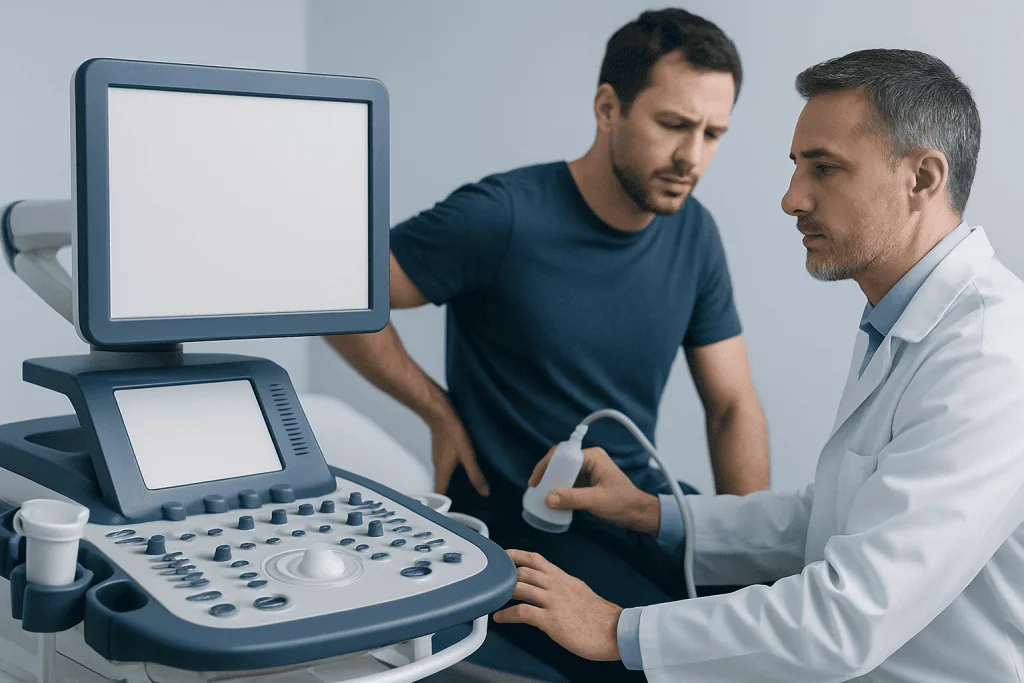
The most typical symptom is chronic inflammatory back pain. This is often felt deep in the lower back or buttocks and may switch from one side to the other. The key pattern is that pain feels worse after inactivity, such as after sleep or long sitting, and better after stretching, walking, or a warm shower.
Morning stiffness is another common feature. People may feel as though the back, hips, or chest are tight when getting out of bed, and it can take time to loosen up. Over time, there may also be reduced flexibility, making it harder to bend, twist, or stand fully upright.
Other symptoms can include:
- Buttock pain, sometimes alternating sides
- Hip or shoulder discomfort
- Fatigue or low energy
- Neck pain in more established disease
- Chest tightness or pain with deep breathing due to inflammation where the ribs meet the spine or breastbone
- Tenderness at the heels, knees, or other tendon attachment sites
Symptoms often come and go in flares. During a flare, pain, stiffness, and tiredness may be more noticeable. Between flares, symptoms may improve but not disappear completely.
Causes, risk factors, and related conditions

The exact cause of ankylosing spondylitis is not fully understood. It is considered an immune-mediated inflammatory condition, which means the body’s immune system drives inflammation in joints and surrounding tissues. Genetics play an important role, and the HLA-B27 gene is associated with a higher likelihood of developing the disease, although not everyone with this gene will become ill.
Age and family history matter. Symptoms often begin in adolescence or early adulthood rather than later life. Having a close relative with ankylosing spondylitis or another spondyloarthritis can increase risk. Sex assigned at birth may also influence how symptoms appear, with some people having more obvious spinal symptoms and others having more peripheral joint pain.
Ankylosing spondylitis can occur alongside other inflammatory conditions. These may include Crohn's disease or ulcerative colitis, psoriasis, and episodes of eye inflammation called uveitis. Recognizing these links is helpful because a person with back pain plus bowel, skin, or eye symptoms may need assessment for a related inflammatory condition rather than routine treatment for back strain.
Smoking is not considered a direct cause, but it may be linked to worse symptoms and poorer long-term spinal health. General physical deconditioning can also make stiffness and pain harder to manage, even though it does not cause the disease itself.
How ankylosing spondylitis is diagnosed
There is no single test that confirms ankylosing spondylitis in every case. Diagnosis begins with a careful history of symptoms, including how long back pain has been present, whether morning stiffness occurs, and whether pain improves with activity. A doctor will also ask about eye inflammation, digestive symptoms, skin changes, family history, and any limits on daily movement.
Physical examination may include checking posture, spinal flexibility, chest expansion, and tenderness around the pelvis or tendon attachment sites. Because early disease may not show up clearly on standard X-rays, doctors may combine examination findings with blood tests and advanced imaging. Blood tests can look for markers of inflammation and may include HLA-B27 testing, although gene testing alone cannot diagnose or exclude the condition.
Imaging is often important. X-rays may show changes in the sacroiliac joints or spine in more established disease, while MRI can detect inflammation earlier, before structural changes are obvious on X-ray. In some cases, a person is found to have non-radiographic axial spondyloarthritis, meaning symptoms and inflammation are present even though X-rays do not yet show classic changes.
Because chronic back pain has many possible causes, diagnosis may involve distinguishing inflammatory disease from muscle strain, disc problems, osteoarthritis, or other spinal conditions. When needed, doctors may also evaluate related problems such as persistent eye inflammation or inflammatory bowel disease.
Treatment options and long-term management
Treatment aims to reduce inflammation, control pain, maintain posture and flexibility, and protect long-term function. Many people benefit from a combination of medication, exercise, posture-focused rehabilitation, and regular follow-up. The right approach depends on symptom severity, imaging findings, and whether other joints or organs are affected.
Nonsteroidal anti-inflammatory drugs are commonly used to relieve pain and stiffness, if they are safe for the individual. If symptoms remain active or imaging shows ongoing inflammation, a specialist may consider advanced therapies such as biologic medicines or other targeted treatments. These decisions are individualized and usually guided by a rheumatologist.
Exercise is a core part of care, not an optional extra. Structured physical therapy and rehabilitation can help improve mobility, posture, breathing mechanics, and core strength. Daily stretching, spinal extension exercises, and low-impact aerobic activity are often recommended because movement typically helps inflammatory stiffness.
Some people with severe joint damage or major limitation may need additional orthopedic assessment, especially if the hips are affected. In international centers such as Acibadem International, multidisciplinary specialists and JCI-accredited hospitals evaluate ankylosing spondylitis and related conditions, using tools such as rheumatology care and imaging to guide treatment plans for international patients.
Self-care, posture, and lifestyle steps that may help
Self-care does not replace medical treatment, but it can make a meaningful difference in comfort and daily function. Regular movement is usually more helpful than prolonged rest. Gentle stretching in the morning, short walking breaks during the day, and exercises that support posture may all help reduce stiffness.
Paying attention to posture is especially important because ankylosing spondylitis can gradually affect how the spine and chest move. A doctor or therapist may suggest posture training, breathing exercises, and sleep positioning strategies. Some people find that a supportive mattress, avoiding long periods in one position, and a consistent exercise routine improve symptoms.
Helpful self-care habits may include:
- Staying physically active most days of the week
- Doing flexibility and posture exercises regularly
- Using heat, such as a warm shower, to ease morning stiffness
- Stopping smoking, if applicable
- Maintaining a healthy body weight to reduce strain on joints
- Keeping follow-up appointments to monitor disease activity
Because fatigue can be part of the disease, pacing daily activities can also help. However, complete inactivity often makes inflammatory stiffness worse, so balancing rest with regular movement is usually the best approach.
When to seek medical care
Medical assessment is important when back pain lasts for several weeks or keeps returning, especially in a younger person without a clear injury. Ongoing morning stiffness, buttock pain, reduced flexibility, or pain that improves with exercise but not with rest can all point toward inflammatory back pain rather than simple overuse.
A person should also seek care if back symptoms occur with red, painful eyes, light sensitivity, diarrhea or abdominal symptoms, unexplained fatigue, or joint swelling. These features may suggest a related inflammatory condition and can help doctors reach the correct diagnosis more quickly.
Urgent medical advice is needed for sudden severe eye pain or vision changes, significant weakness, numbness, loss of bladder or bowel control, fever with severe back pain, or unexplained weight loss. Although these symptoms are not typical of ankylosing spondylitis alone, they can signal complications or another condition that needs prompt attention.
Early evaluation matters because treatment can begin before long-term stiffness and structural changes develop. If symptoms are interfering with work, sleep, or daily activities, a doctor can help determine whether further imaging, specialist review, or supportive therapies are needed.
Frequently asked questions
What are the first signs of ankylosing spondylitis?
Early signs often include gradual low back pain, buttock pain, and morning stiffness that improve with movement. Fatigue and reduced flexibility may also appear early. The pattern of symptoms is often more important than one single symptom.
How is ankylosing spondylitis pain different from normal back pain?
Ankylosing spondylitis pain is typically inflammatory, which means it tends to worsen with rest and improve with activity. Mechanical back pain from strain usually behaves in the opposite way and often improves with rest. Morning stiffness lasting a noticeable time can also point toward inflammatory disease.
Can ankylosing spondylitis cause symptoms outside the spine?
Yes. Some people develop hip, shoulder, heel, or chest wall pain, and the disease can also be linked with eye inflammation, bowel disease, or psoriasis. These associated symptoms can help doctors recognize the condition earlier.
Does everyone with the HLA-B27 gene get ankylosing spondylitis?
No. HLA-B27 increases the likelihood of the disease in some populations, but many people with the gene never develop symptoms. It is only one piece of the diagnostic picture and cannot confirm the condition on its own.
Can ankylosing spondylitis be seen on an X-ray?
Sometimes, but not always in the early stages. X-rays may show changes once the disease is more established, while MRI can detect earlier inflammation. This is one reason diagnosis can take time if symptoms are subtle at first.
Is exercise safe with ankylosing spondylitis?
In general, yes, and it is usually an important part of treatment. Appropriate exercise can improve stiffness, posture, and overall mobility. A doctor or physical therapist can help tailor activities to the person's symptoms and fitness level.
References
- National Institute of Arthritis and Musculoskeletal and Skin Diseases
- American College of Rheumatology
- Spondylitis Association of America
- National Health Service
- Arthritis Foundation
This article is for general information only and is not a substitute for professional medical advice. Please consult a qualified doctor about your individual situation.
Ankylosing Spondylitis in Turkey — costs, top hospitals & a free quote
JCI-accredited · board-certified surgeons · reply within 24h
Add us as a Preferred Source to see more of our trusted health content across Google Search, AI Overviews and Discover.

Physical Medicine & Rehabilitation
Restoring movement and function after injury, surgery or neurological conditions.
152 specialists in this unitMore from the Health Library



Related Specialists

Prof. Dr. Ender Semiz
Cardiology
Prof. Dr. Alper Kaya
Orthopedic Surgery & Traumatology
Dr. Melekşah Pekel
Anesthesiology
Dr. Iretıola Oluwakanyınsola Albert
Inpatient Clinic Physicians