Anomic Aphasia: What Patients Need to Know
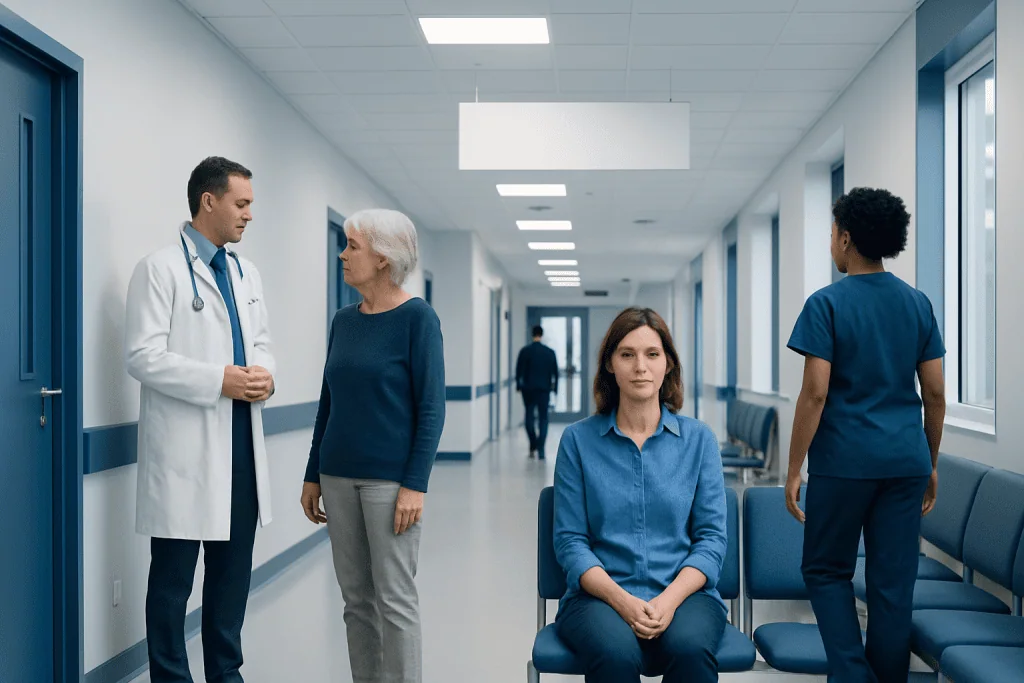
Anomic aphasia mainly affects word retrieval, not intelligence. Speech is usually fluent, but pauses, substitutions, and vague descriptions are common.
Key Takeaways
- Anomic aphasia mainly affects word retrieval, not intelligence.
- Speech is usually fluent, but pauses, substitutions, and vague descriptions are common.
- Stroke is a common cause, but head injury, brain tumors, and neurological diseases can also lead to it.
- Diagnosis involves language testing, neurological evaluation, and often brain imaging.
- Treatment focuses on speech-language therapy, rehabilitation, and care for the underlying condition.
- Sudden language changes need urgent medical attention because they may signal a stroke.
Anomic aphasia is a type of aphasia in which a person knows what they want to say but has trouble retrieving specific words, especially names of objects or people. It often follows stroke or other brain injury, and many people improve with speech-language therapy and treatment of the underlying cause.
Overview: what anomic aphasia means
Anomic aphasia is a language disorder marked by difficulty finding the right words. A person may understand conversation, know the meaning of the word they want, and be able to speak in full sentences, yet still pause or substitute a less specific term such as “thing” or “that item.” This is why anomic aphasia is often described as a word-finding problem.
It is one of the milder and more common forms of aphasia. Speech may sound relatively fluent, grammar is often preserved, and reading or writing may be less affected than in some other types of aphasia. Even so, the condition can be frustrating because it interrupts everyday communication, work, relationships, and confidence.
Anomic aphasia does not reflect a loss of intelligence. The difficulty lies in language processing, usually because of an injury or disorder affecting brain areas involved in naming and word retrieval. In many cases, it appears after a stroke, but it can also develop after traumatic brain injury, a brain tumor, or certain neurological diseases.
Signs and symptoms patients may notice

The most noticeable symptom is trouble naming familiar objects, people, places, or concepts. A person may know exactly what an object is used for but be unable to say its name quickly. Instead, they may pause, circle around the word, or describe it indirectly, such as saying “the thing you write with” instead of “pen.”
Speech in anomic aphasia is usually fluent, which means the person can still form phrases and sentences. However, conversation may include frequent hesitations, filler words, substitutions, or less precise vocabulary. Some people become more quiet in social situations because the extra effort of speaking feels tiring or embarrassing.
Other features can vary depending on the cause and the areas of the brain affected. Some people also have mild problems with reading, writing, or repeating words. If anomic aphasia occurs as part of a broader neurological event such as a stroke, there may also be weakness, facial drooping, confusion, vision changes, or balance problems.
- Frequent pauses while trying to find a word
- Using vague words like “thing,” “stuff,” or “that one”
- Describing an object instead of naming it
- Substituting a related or incorrect word
- Frustration during conversation despite otherwise clear thinking
Causes and risk factors

Anomic aphasia most often develops when parts of the brain involved in language are damaged. In adults, stroke is one of the leading causes. When blood flow to language networks in the dominant side of the brain is interrupted, word retrieval may be affected even if other language abilities remain relatively intact.
Other possible causes include traumatic brain injury, brain tumors, infections affecting the brain, and problems that reduce blood supply or increase pressure within the skull. Some people may develop anomic aphasia after brain surgery, depending on the location of the procedure and the surrounding tissue.
In some cases, word-finding problems emerge gradually rather than suddenly. Progressive neurological conditions can affect language over time. For example, some patients may be evaluated for forms of aphasia related to neurodegenerative disease, especially if language changes slowly worsen instead of appearing all at once.
Risk factors generally mirror the risk factors for the underlying condition. These can include high blood pressure, diabetes, smoking, high cholesterol, atrial fibrillation, older age, prior stroke, head trauma risk, or a history of neurological illness. A doctor’s goal is not only to identify the language problem but also to determine why it happened.
How doctors diagnose anomic aphasia
Diagnosis begins with a careful history and neurological examination. The doctor will ask when the word-finding problem began, whether it appeared suddenly or gradually, and whether there are other symptoms such as weakness, confusion, headache, or memory changes. This helps distinguish anomic aphasia from other language, speech, or cognitive disorders.
A speech-language pathologist usually performs structured language testing. These assessments look at naming, comprehension, repetition, reading, writing, and spontaneous speech. The pattern of strengths and weaknesses helps identify anomic aphasia and separate it from other aphasia types, dysarthria, or conditions that affect memory or attention.
Brain imaging is often an important part of the evaluation. A doctor may order CT or MRI scans to look for stroke, bleeding, tumor, injury, or other structural changes. Depending on the situation, the patient may also need blood tests or additional neurological studies to investigate possible causes.
Because sudden word-finding difficulty can be a sign of a medical emergency, urgent assessment may be needed. In hospitals with stroke services, language symptoms are often evaluated alongside imaging and other tests used in stroke treatment planning. Early diagnosis can make a major difference in both safety and recovery.
Treatment options and recovery
Treatment for anomic aphasia usually has two parts: treating the underlying cause and improving communication through rehabilitation. If the problem is due to stroke, head injury, tumor, or another neurological condition, that condition needs prompt medical care. Once the patient is medically stable, language rehabilitation becomes a key part of recovery.
Speech-language therapy is the main treatment for anomic aphasia. Therapy often focuses on naming practice, word-retrieval strategies, cueing techniques, and exercises that strengthen access to vocabulary. Patients may practice using semantic cues such as category or function, phonological cues such as the first sound, and compensatory strategies like gesturing or writing key words.
Recovery varies from person to person. Some improve significantly in the first weeks and months, especially after stroke, while others continue to make slower gains over a longer period. Progress depends on factors such as the cause, the size and location of brain injury, the patient’s general health, and how consistently therapy is followed.
Rehabilitation may involve a wider team when needed. Occupational therapy, physical therapy, and neurological rehabilitation can support overall recovery, especially if language difficulties are part of a broader neurological event. In appropriate cases, patients may receive coordinated neurological rehabilitation or speech therapy to improve communication and daily function.
Self-care, communication support, and daily living
Daily communication can become easier when family members understand what anomic aphasia is and how to respond. It helps to give the person enough time to speak, avoid interrupting, and ask one question at a time. Calm, supportive conversation often reduces pressure and improves word retrieval.
Many patients benefit from practical tools. Keeping a notebook, using a smartphone notes app, pointing to pictures, and practicing common names for people or household objects can all help. Some people find it useful to rehearse key words before phone calls, appointments, or social gatherings.
Home practice can reinforce therapy, but it should be realistic and not exhausting. Short, regular sessions are often easier to maintain than long periods of effort. A speech-language pathologist can suggest structured exercises and communication strategies tailored to the individual’s strengths and needs.
Emotional adjustment also matters. Even a mild word-finding problem can affect confidence, independence, and mood. Support from family, peer groups, and rehabilitation professionals can help patients stay engaged in recovery and continue everyday activities as much as possible.
When to seek medical care
Sudden trouble speaking or finding words should always be taken seriously. If language problems start abruptly, especially with facial drooping, arm weakness, numbness, severe headache, confusion, vision changes, or trouble walking, urgent emergency evaluation is needed because these can be signs of stroke.
Medical attention is also important if word-finding difficulty follows a head injury, if it is getting worse over time, or if it begins to interfere with work, school, safety, or daily communication. A person should not assume these changes are simply stress, aging, or fatigue without proper assessment.
If symptoms are mild but persistent, an appointment with a neurologist or speech-language specialist can help clarify the cause and guide treatment. Near the end of the care pathway, centers such as Acibadem International can support international patients through multidisciplinary evaluation and treatment in JCI-accredited hospitals when neurological and language rehabilitation expertise is needed.
Frequently asked questions
Is anomic aphasia the same as forgetting words occasionally?
No. Many healthy people occasionally forget a word, especially when tired or stressed. Anomic aphasia is a more persistent language disorder in which word-finding problems are frequent enough to affect communication and are usually linked to a neurological cause.
Can a person with anomic aphasia understand what others are saying?
Often, yes. Many people with anomic aphasia understand conversation relatively well and know what they want to say. The main difficulty is retrieving the exact word, not understanding the idea itself.
Does anomic aphasia improve over time?
It can improve, especially when the underlying cause is treated and speech-language therapy begins early. Recovery is different for each person and may continue over months or longer. Some people recover substantially, while others continue to use strategies to manage lingering word-finding difficulty.
What is the difference between anomic aphasia and other types of aphasia?
Anomic aphasia mainly affects naming and word retrieval, while speech often remains fluent and comprehension may be fairly preserved. Other aphasia types may cause more severe problems with understanding, sentence formation, repetition, reading, or writing.
What kind of doctor treats anomic aphasia?
Evaluation often involves a neurologist and a speech-language pathologist. Depending on the cause, other specialists may also be involved, such as rehabilitation physicians, neurosurgeons, or stroke specialists. Treatment usually works best when it is coordinated across a team.
Can anomic aphasia be a sign of stroke?
Yes. Sudden onset of word-finding difficulty or trouble speaking can be a stroke symptom, even if the person seems otherwise alert. Emergency care is important because rapid treatment may reduce brain injury and improve outcomes.
References
- National Institute of Neurological Disorders and Stroke
- American Stroke Association
- American Speech-Language-Hearing Association
- National Aphasia Association
This article is for general information only and is not a substitute for professional medical advice. Please consult a qualified doctor about your individual situation.
Aphasia in Turkey — costs, top hospitals & a free quote
JCI-accredited · board-certified surgeons · reply within 24h
Add us as a Preferred Source to see more of our trusted health content across Google Search, AI Overviews and Discover.
Check your numbers in seconds
BMI, calories, due date, blood pressure and 30+ more clinical calculators — free, instant, doctor-reviewed ranges.

More from the Health Library



Related Specialists

Assoc. Prof. Dr. Hasan Üstün
Medical Oncology
Prof. Dr. Murat Saruç
Gastroenterology
Dr. Hasan Hüseyin Özgökçe
Emergency Service
Dr. Gökan Güler
Emergency Service