Anoscopy: How It Works, Recovery, and What to Expect

Anoscopy uses a short, lighted tube to examine the anal canal and lower rectum. It is commonly done to evaluate bleeding, pain, itching, hemorrhoids, fissures, and other anorectal symptoms.
Key Takeaways
- Anoscopy uses a short, lighted tube to examine the anal canal and lower rectum.
- It is commonly done to evaluate bleeding, pain, itching, hemorrhoids, fissures, and other anorectal symptoms.
- The procedure is usually quick and often does not require sedation.
- Most people can return to normal activities soon after anoscopy.
- Risks are generally low, but ongoing bleeding, severe pain, or fever after the exam should be assessed by a doctor.
Anoscopy is a short office-based procedure used to examine the anal canal and lower rectum. It can help identify common causes of rectal bleeding, pain, itching, discharge, or changes around bowel movements, and most people recover immediately or within the same day.
Overview: what anoscopy is and why it is done
Anoscopy is a simple medical examination of the anal canal and the very lowest part of the rectum. It is performed with a short instrument called an anoscope, which allows a doctor to look directly at the lining of this area. In most cases, the exam is done to find the cause of symptoms such as rectal bleeding, anal pain, itching, swelling, discharge, or a feeling of fullness.
Unlike broader bowel tests, anoscopy focuses on the last few centimeters of the digestive tract. This makes it especially useful for conditions that start close to the anal opening, including hemorrhoids, anal fissures, inflammation, small growths, or signs of infection. It may also be used to assess tissue changes, collect a small sample for biopsy, or guide the next step in care if a more extensive test is needed.
For many people, one of the most reassuring aspects of anoscopy is that it is usually brief and straightforward. It is often performed in an outpatient clinic or office setting, and many patients can go back to everyday activities shortly afterward. While the idea of the test can feel uncomfortable, the examination itself is generally well tolerated.
Who may need anoscopy
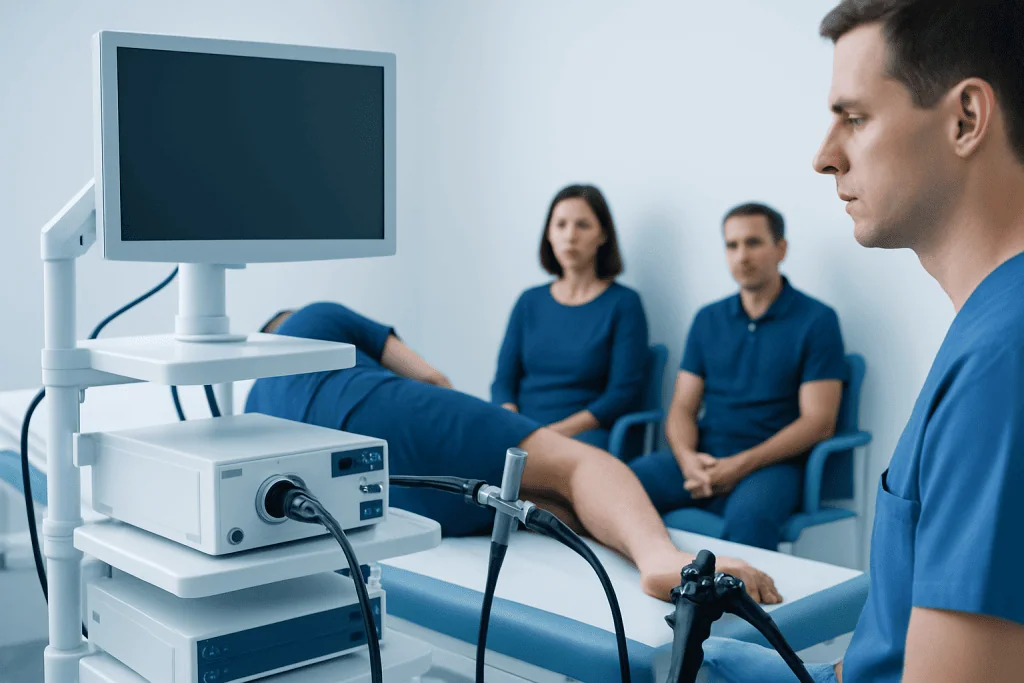
A doctor may recommend anoscopy when symptoms suggest a problem in the anal canal or lower rectum. Common reasons include bright red blood on toilet paper or in the toilet, pain during bowel movements, ongoing itching, drainage, swelling near the anus, or a sensation that something is protruding. It may also be used when a physical examination does not fully explain the symptoms.
Anoscopy can be helpful for people with suspected internal hemorrhoids, fissures, small tears, inflammation, or abnormal tissue that needs closer inspection. In some cases, it is used to evaluate changes related to chronic constipation, diarrhea, straining, or prior anorectal conditions. It may also be part of follow-up care after treatment for anal or rectal symptoms.
The exam is not always the only test needed. If symptoms point higher up in the rectum or colon, the doctor may recommend another procedure, such as a colonoscopy, or a more detailed anorectal assessment. The choice depends on the person’s age, symptoms, medical history, and physical examination findings.
How the anoscopy procedure works step by step
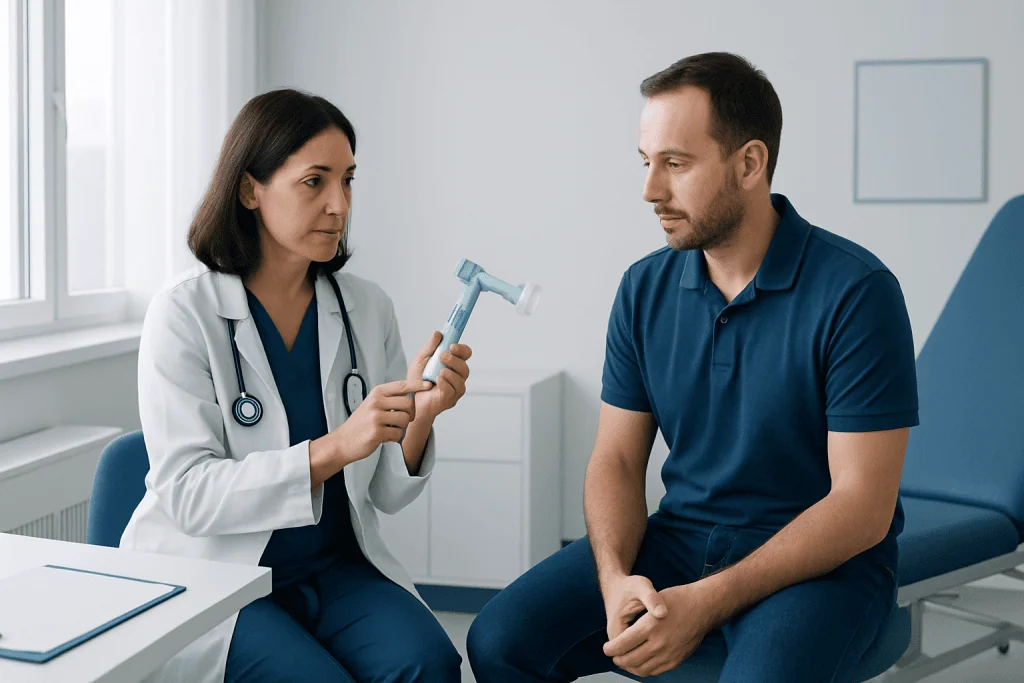
Before the procedure, the clinician usually asks about symptoms, medications, allergies, and any history of bleeding disorders or bowel conditions. A brief physical examination may be done first, including inspection of the area and sometimes a digital rectal exam, in which the doctor gently inserts a gloved, lubricated finger to assess for tenderness, masses, or other changes.
For the anoscopy itself, the patient is typically positioned on the side with knees bent, in a knee-chest position, or sometimes lying on the back depending on the clinical setting. The anoscope is a short, lubricated tube that is gently inserted through the anal opening. Once in place, the clinician can inspect the lining of the anal canal and lower rectum using direct light. The instrument may be rotated slightly to view different areas.
If needed, the doctor may perform additional steps during the same session. These can include taking a small tissue sample, checking a suspicious area more closely, or treating certain minor problems. When appropriate, a person being evaluated for persistent rectal bleeding or concern about lower bowel disease may later need endoscopic evaluation beyond anoscopy alone.
The test itself is usually short, often lasting only a few minutes. Most people describe pressure, fullness, or a brief urge to have a bowel movement rather than significant pain. If discomfort is more pronounced, the clinician may pause, adjust the instrument, or consider another approach.
Preparation, comfort, and what the patient may feel
Preparation for anoscopy is usually minimal. Many patients do not need full bowel preparation, though a doctor may ask them to empty the bowels beforehand or use a small enema in some situations. Specific instructions can vary depending on the reason for the test and whether another procedure is planned the same day.
In most outpatient settings, sedation is not required. Because the exam evaluates a very short segment near the anal opening, it is commonly done while the person is awake. Lubrication is used to reduce friction, and the clinician will usually explain each step before and during the exam to help the patient stay relaxed.
Some people feel embarrassed before an anoscopy, but it is a routine medical examination. Patients can often make the experience easier by telling the doctor about pain, anxiety, past anorectal surgery, or a history of trauma so the exam can be approached as gently as possible. Asking questions in advance can also help reduce uncertainty and improve comfort.
Benefits, findings, and possible risks
The main benefit of anoscopy is that it gives a direct view of the area where many common anorectal symptoms begin. This can help a doctor quickly identify internal hemorrhoids, fissures, inflammation, fistula openings, polyps, warts, or other visible abnormalities. A direct examination often provides more useful information than symptoms alone and may avoid delays in diagnosis.
Another advantage is that anoscopy is relatively simple and efficient. It usually does not require sedation, extensive preparation, or a hospital stay. That makes it practical for evaluating many causes of anal discomfort or bleeding and for monitoring known conditions over time, including problems related to anal fissure or recurrent hemorrhoidal symptoms.
Risks are generally low, but no procedure is entirely risk-free. Mild discomfort, temporary spotting, or irritation can occur, especially if tissue is already inflamed or if a biopsy is taken. Less commonly, a person may have more significant bleeding, worsening pain, or signs of infection. The doctor will weigh these small risks against the benefit of finding the cause of symptoms.
Recovery timeline and aftercare
Recovery after anoscopy is usually quick. Many people feel well enough to return to normal activities immediately after the exam, especially if no biopsy or additional procedure was performed. Mild pressure, a brief sense of irritation, or a small amount of spotting may occur, but these symptoms often settle within hours.
If a biopsy or minor treatment is done during the exam, the doctor may recommend avoiding straining and watching for bleeding for a short time. Drinking enough water, keeping stools soft, and not delaying bowel movements can make the first bowel movement after the procedure more comfortable. Some patients benefit from warm sitz baths if there is temporary anal discomfort.
The exact recovery timeline depends on what was done and why. If anoscopy confirms a condition such as hemorrhoids, treatment may include dietary changes, medicines, office-based procedures, or referral for further care. For some patients, specialist assessment for hemorrhoid treatment may be considered when symptoms are persistent, severe, or recurrent despite conservative measures.
When to seek medical care
Medical care should be sought promptly for rectal bleeding that is heavy, recurrent, or associated with dizziness, weakness, black stools, or fainting. Ongoing anal pain, a new lump, pus-like discharge, unexplained weight loss, or changes in bowel habits that do not improve also deserve medical attention. Even common conditions such as hemorrhoids should not be assumed without an examination, because several different problems can cause similar symptoms.
After anoscopy, a person should contact a doctor if they develop severe pain, fever, increasing swelling, persistent bleeding, or trouble passing stool or urine. These problems are not typical and should be checked. People who take blood thinners or have immune system problems should follow the clinician’s instructions closely after the procedure.
For international patients who need further evaluation or treatment, Acibadem International’s multidisciplinary specialists and JCI-accredited hospitals diagnose and manage anorectal conditions using individualized care plans. The most appropriate next step may range from lifestyle advice to office-based treatment or more advanced colorectal assessment.
Frequently asked questions
Is anoscopy painful?
Anoscopy is usually more uncomfortable than painful. Many people feel pressure, fullness, or a brief urge to have a bowel movement during the exam. If the area is already inflamed or tender, discomfort can be stronger, but the procedure is generally short.
How long does an anoscopy take?
The examination itself often takes only a few minutes. The full visit may be longer because the doctor may ask questions, perform a physical exam, and discuss findings and next steps afterward.
Do patients need sedation for anoscopy?
Most patients do not need sedation for anoscopy. It is commonly done in a clinic or office setting while the person is awake. If additional procedures are planned, preparation may be different and the care team will explain what to expect.
What can anoscopy detect?
Anoscopy can help identify internal hemorrhoids, anal fissures, inflammation, small growths, warts, signs of infection, and other visible changes in the anal canal and lower rectum. In some cases, it can also guide a biopsy if tissue looks abnormal.
Can a person drive home after anoscopy?
Most people can drive home and return to normal activities after a standard anoscopy because sedation is usually not used. If another treatment or sedating medication is given, the doctor may recommend arranging transportation.
What is the difference between anoscopy and colonoscopy?
Anoscopy examines only the anal canal and the very lowest part of the rectum. Colonoscopy looks much farther into the colon and usually requires more preparation. The right test depends on the symptoms, age, medical history, and what the doctor is trying to evaluate.
References
- American Society of Colon and Rectal Surgeons
- National Institute of Diabetes and Digestive and Kidney Diseases
- MedlinePlus
- Mayo Clinic
- Cleveland Clinic
This article is for general information only and is not a substitute for professional medical advice. Please consult a qualified doctor about your individual situation.
Persistent digestive symptoms? Get evaluated in Turkey
JCI-accredited · board-certified surgeons · reply within 24h
Add us as a Preferred Source to see more of our trusted health content across Google Search, AI Overviews and Discover.