Anti Inflammatory Essential Oils: What Patients Need to Know

Essential oils may provide symptom relief, but they do not cure inflammatory diseases. Evidence for anti inflammatory effects in people is limited and varies by oil and method of use.
Key Takeaways
- Essential oils may provide symptom relief, but they do not cure inflammatory diseases.
- Evidence for anti inflammatory effects in people is limited and varies by oil and method of use.
- Essential oils should usually be diluted before skin use and should not be swallowed unless specifically advised by a qualified clinician.
- People with asthma, allergies, eczema, pregnancy, or chronic illness should use extra caution.
- Persistent pain, swelling, fever, rash, or joint symptoms should be assessed by a doctor.
Anti inflammatory essential oils may offer mild, temporary comfort for symptoms such as muscle soreness, tension, or a feeling of irritation when used carefully on the skin or through inhalation. They are supportive measures, not treatments for the underlying cause of inflammation, and safe use is important because essential oils can also irritate the skin, trigger allergies, or interact with medical conditions.
Overview: what anti inflammatory essential oils can and cannot do
Anti inflammatory essential oils are concentrated plant extracts that some people use to support comfort when they have minor muscle soreness, tension, or localized irritation. Oils such as lavender, eucalyptus, peppermint, chamomile, frankincense, ginger, and tea tree are often discussed for their calming, cooling, or soothing properties. In practice, they are best viewed as optional supportive tools rather than primary treatment.
The key point for patients is that inflammation is a biological process with many causes. It may be related to overuse, injury, infection, allergy, autoimmune disease, skin conditions, digestive conditions, or chronic diseases. An essential oil may help a person feel better for a short time, but it does not diagnose the problem or remove the underlying cause.
Research on essential oils is promising in some laboratory and small clinical settings, but it is still limited. Some oils contain plant compounds that appear to affect inflammatory pathways, pain signaling, or the perception of discomfort. However, real-world results can be inconsistent because products differ in concentration, purity, and method of use.
For that reason, essential oils are usually most appropriate as part of a broader self-care plan that may also include rest, gentle movement, sleep, hydration, stress reduction, and medical evaluation when symptoms are significant or persistent.
Which essential oils are most often used for inflammation support
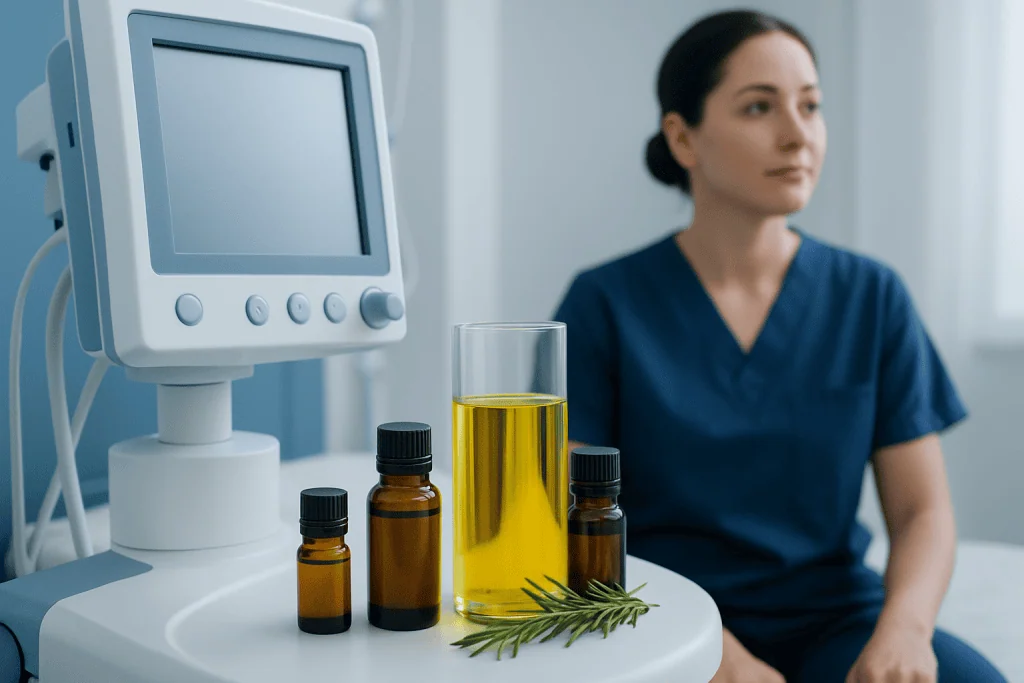
Several essential oils are commonly associated with anti inflammatory or soothing effects. Lavender is often used for relaxation and may help ease the perception of discomfort. Peppermint can create a cooling sensation, while eucalyptus is often chosen for muscle rubs and inhalation blends. German or Roman chamomile may be used in products aimed at calming irritated skin or promoting relaxation.
Frankincense and ginger are also frequently mentioned in discussions about inflammation support. Frankincense has been studied for plant compounds that may influence inflammatory responses, and ginger is better known as a food and herbal ingredient but also appears in topical oil blends. Tea tree oil is mainly associated with skin care because of its antimicrobial and anti-irritation properties, though it must be used carefully because it can also cause contact dermatitis.
Patients should remember that “natural” does not always mean gentle or safe for everyone. A single oil may feel soothing for one person but provoke redness, headache, breathing irritation, or rash in another. Product quality matters as well, since fragrance oils or poorly labeled mixtures are not the same as pure essential oils.
- Commonly used oils: lavender, peppermint, eucalyptus, chamomile, frankincense, ginger, tea tree
- Typical goals: temporary comfort, relaxation, skin soothing, support for massage
- Important limitation: they are not a substitute for treatment of arthritis, infection, autoimmune disease, or injury
How they may work in the body

Essential oils contain volatile plant chemicals, such as terpenes and alcohols, that may interact with the body in different ways. When inhaled, aroma signals can influence the nervous system and change how a person experiences stress, tension, or pain. When diluted and applied to the skin, some oils may create warming or cooling sensations that can temporarily distract from discomfort.
In laboratory studies, certain plant compounds appear to affect inflammatory messengers or oxidative stress. This has led to interest in whether essential oils might have anti inflammatory effects beyond fragrance. However, laboratory findings do not always translate into clear medical benefit in people, and many human studies are small or use mixed products that are difficult to compare.
There is also an important difference between reducing symptoms and treating disease. For example, skin redness, joint pain, and swelling can occur in conditions that need medical management, such as rheumatoid arthritis or eczema. In these cases, essential oils may sometimes be used alongside doctor-guided care, but they should not delay proper diagnosis or treatment.
Overall, the most realistic expectation is mild, short-term symptom support for selected people, not a cure for inflammation. Patients usually benefit most when they use these products cautiously, observe how their body responds, and seek professional advice when symptoms continue.
Safe ways to use essential oils
The safest methods are usually diluted topical use and inhalation. For skin application, essential oils are generally mixed into a carrier oil such as jojoba, almond, or coconut oil before being placed on a small area of skin. This helps reduce the chance of burning, stinging, or rash. A patch test on a small area first is a sensible step, especially for people with sensitive skin.
For inhalation, a person may use a diffuser according to manufacturer instructions or inhale briefly from a tissue or from the room air after diffusion. The space should be well ventilated, and strong exposure should be avoided, especially around infants, young children, older adults, or anyone with asthma or fragrance sensitivity.
Some practices are not considered safe for general self-care. Essential oils should not be swallowed unless a qualified healthcare professional specifically advises it, because concentrated oils can be toxic or irritating to the mouth, esophagus, stomach, liver, or nervous system. They should also be kept away from the eyes, inside the nose, and other delicate tissues.
Patients with painful muscles or joints sometimes ask whether a massage blend can help. In some situations, a diluted oil blend used during gentle massage may be soothing, but ongoing pain should still be evaluated. If pain relates to sports injury, chronic tendon problems, or spine and joint disease, doctor-led options such as physical therapy and rehabilitation may be more helpful than self-treatment alone.
Risks, side effects, and who should be cautious
The most common side effects are skin irritation and allergic contact dermatitis. Symptoms can include redness, itching, dryness, scaling, burning, or a delayed rash after repeated use. Tea tree, peppermint, cinnamon, lemongrass, and some citrus oils are well known for causing irritation in some people, though almost any essential oil can trigger a reaction.
Inhalation may also cause problems. Some people develop headache, nausea, dizziness, watery eyes, or breathing irritation from strong scents. This can be especially relevant for those with asthma, chronic lung conditions, migraines, or chemical sensitivities. Fragrance exposure should be stopped right away if it causes coughing, wheezing, chest tightness, or worsening headache.
Certain groups should be especially careful: pregnant or breastfeeding women, infants and children, people with epilepsy, people with severe allergies, and anyone with chronic medical conditions or multiple medications. Essential oils may not be appropriate in every situation, and guidance from a clinician or pharmacist can be useful.
Photosensitivity is another concern. Some citrus oils can increase the skin’s sensitivity to sunlight, leading to redness or discoloration after sun exposure. If a person develops a persistent rash or worsening skin symptoms, they may need assessment by a specialist in dermatology rather than continuing home remedies.
What to look for if inflammation may have a medical cause
Because inflammation is a symptom rather than a single diagnosis, it helps to notice the broader pattern. Temporary soreness after exercise is different from swelling that lasts for days, pain that wakes a person from sleep, repeated joint stiffness in the morning, or skin inflammation that keeps returning. These features may suggest an underlying condition that needs proper evaluation.
Examples include inflammatory skin conditions, autoimmune joint disease, tendon injury, bursitis, infection, and bowel disorders. When symptoms affect day-to-day activity, it is reasonable to ask a doctor whether tests, imaging, or specialist review are needed. Depending on the symptoms, care may involve blood tests, physical examination, or imaging such as MRI to better understand a painful joint, soft tissue injury, or another source of ongoing inflammation.
It is also useful to think beyond the site of pain. A swollen joint together with fatigue, fever, or weight change means something different from mild post-exercise soreness. A persistent rash with cracking or oozing is different from occasional dry skin. Recognizing these differences can help patients use self-care wisely while still seeking timely medical advice.
Supportive remedies can still have a place, but they work best when they are matched to the right situation. If the cause is uncertain, or if symptoms are recurrent, a medical diagnosis is more valuable than trying multiple oils and hoping one will solve the problem.
Practical self-care and when to seek medical care
For mild, short-lived discomfort, practical self-care usually matters as much as any essential oil. Rest after overuse, gradual return to activity, good sleep, hydration, balanced nutrition, and stress management can all support recovery. A cool compress, gentle stretching, and doctor-approved over-the-counter options may also help, depending on the situation.
Patients should seek medical care if inflammation is severe, keeps returning, or lasts longer than expected. Medical advice is also important for joint swelling, warmth, or redness; fever; shortness of breath; spreading rash; numbness; weakness; chest pain; or pain after a significant injury. These symptoms can point to conditions that need prompt assessment rather than home treatment.
If a person wants to include essential oils in a wider treatment plan, it is sensible to mention this during a medical visit, especially if they have allergies, asthma, pregnancy, chronic illness, or skin disease. Acibadem International’s multidisciplinary specialists in JCI-accredited hospitals diagnose and treat inflammatory symptoms and related conditions for international patients, helping match supportive measures with evidence-based care.
In short, anti inflammatory essential oils may be a reasonable comfort measure for some people, but careful use and realistic expectations are essential. If symptoms are persistent, disabling, or unclear, the safest next step is to consult a qualified doctor.
Frequently asked questions
Do anti inflammatory essential oils really reduce inflammation?
They may help some people feel temporary relief from discomfort, tension, or irritation, but the evidence in humans is limited. They should not be considered a treatment for the underlying cause of inflammation, especially when symptoms are persistent or severe.
Which essential oil is considered best for inflammation?
There is no single best essential oil for all types of inflammation. Lavender, peppermint, eucalyptus, chamomile, frankincense, and ginger are commonly used, but the right choice depends on the symptom, the method of use, and a person's sensitivity.
Can essential oils be applied directly to the skin?
Most essential oils should not be applied directly to the skin because they are highly concentrated and may cause irritation or allergy. They are usually diluted in a carrier oil first, and a patch test is a good precaution.
Is it safe to swallow essential oils for inflammation?
In general, no. Swallowing essential oils can be harmful and should only happen if a qualified healthcare professional specifically recommends and supervises it.
Who should avoid essential oils or use extra caution?
People with asthma, eczema, fragrance allergy, migraines, pregnancy, epilepsy, or very sensitive skin should be especially cautious. Infants and young children also need extra care because some oils can be too strong for them.
When should someone see a doctor instead of trying essential oils?
A doctor should assess symptoms such as ongoing swelling, repeated joint pain, fever, spreading rash, breathing trouble, chest pain, or pain after an injury. Medical review is also important if symptoms do not improve or keep coming back.
This article is for general information only and is not a substitute for professional medical advice. Please consult a qualified doctor about your individual situation.
Explore treatments in Turkey — costs, top hospitals & a free quote
JCI-accredited · board-certified surgeons · reply within 24h
Add us as a Preferred Source to see more of our trusted health content across Google Search, AI Overviews and Discover.

More from the Health Library

Opponent Process Theory — Explained by Medical Evidence, Not Myths

Incline Dumbbell Press: A Complete Medical Overview

Hemorrhagic Cyst: A Complete Medical Overview

Yellow Scab: What Patients Need to Know

Best Condom Brands: An Evidence-Based Guide for Patients