Anti Radiation for Kids 9 to 10 Years Old: How It Works, Results and What to Expect
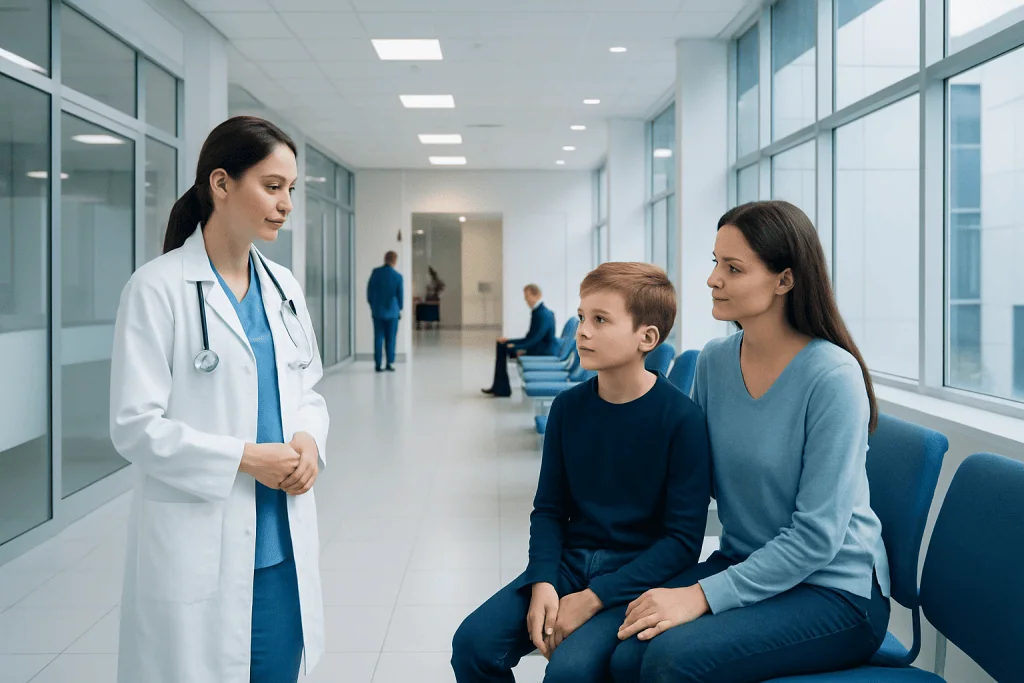
Radiation therapy is not used for every childhood cancer; it is recommended only when its expected benefits outweigh possible short- and long-term effects. A pediatric radiation oncology team plans treatment around the tumor’s location, the child’s age, prior treatment and the need to protect developing organs.
Key Takeaways
- Radiation therapy is not used for every childhood cancer; it is recommended only when its expected benefits outweigh possible short- and long-term effects.
- A pediatric radiation oncology team plans treatment around the tumor’s location, the child’s age, prior treatment and the need to protect developing organs.
- External-beam radiation is painless during delivery, although children may need support or anesthesia to stay still for some sessions.
- Side effects depend mainly on the part of the body being treated and may occur during treatment or months to years later.
- Long-term follow-up is an important part of care because children are still growing and developing after treatment ends.
Anti radiation for kids 9 to 10 years old commonly refers to radiation therapy used to treat certain cancers or, less often, other serious conditions. It uses precisely planned high-energy radiation to damage abnormal cells while limiting exposure to nearby healthy tissues, with care tailored to a child’s growth, development and emotional needs.
Overview: What Does “Anti Radiation” Mean for Children?
The phrase “anti radiation for kids 9 to 10 years old” is often used when families are searching for radiation treatment for a child. In clinical care, the treatment is called radiation therapy or radiotherapy. It is a local treatment that uses carefully directed high-energy radiation to damage the DNA of cancer cells so they can no longer grow and divide effectively.
Radiation therapy may be used alone in selected situations, but it is more often one part of a wider treatment plan that can include surgery, chemotherapy, targeted medicines, immunotherapy or stem cell transplantation. The purpose may be to cure cancer, lower the chance of recurrence after surgery, shrink a tumor before another treatment, or relieve symptoms in advanced disease.
For a child aged 9 or 10, decisions are made by a pediatric multidisciplinary team. The team considers the cancer type, its location and stage, the child’s general health, and how treatment could affect growing tissues. Modern planning methods aim to deliver the necessary dose to the target while reducing radiation to nearby organs whenever possible.
How Pediatric Radiation Therapy Works
Radiation therapy affects cells in the treatment area. Cancer cells often have less ability than healthy cells to repair radiation-related damage, so repeated treatments can gradually control or destroy them. Healthy cells can also be affected, which is why treatment is planned in small daily portions called fractions, usually given on weekdays over a defined period.
The most common approach is external-beam radiation therapy. A machine outside the body directs beams toward the planned treatment area; it does not touch the child and does not make the child radioactive. Advanced techniques, such as intensity-modulated radiation therapy, image-guided radiation therapy and proton therapy in selected cases, can shape or guide the dose more precisely.
Internal radiation, also called brachytherapy, is used much less often in children and only for particular cancers. The radiation source is placed inside or close to the treatment area under specialist supervision. The best technique depends on the diagnosis and anatomy, rather than on age alone.
Radiation therapy is distinct from diagnostic imaging such as X-rays, CT scans or MRI. Imaging uses radiation only in some cases and at diagnostic doses; therapeutic radiation uses higher, carefully calculated doses to treat disease. Families can ask the team to explain why each scan or treatment step is needed.
Who May Be a Candidate?
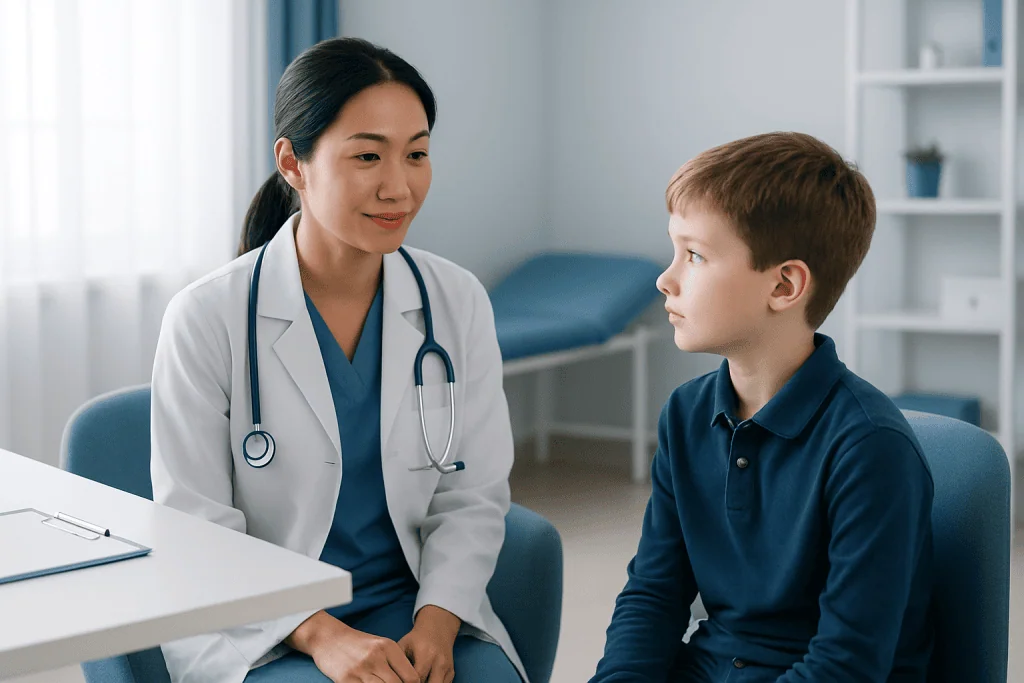
Not every child with cancer needs radiation therapy. It may be considered for some brain and spinal cord tumors, lymphomas, sarcomas, neuroblastoma, Wilms tumor, retinoblastoma and other childhood cancers. Whether it is appropriate depends on the specific cancer, its risk features, the response to other treatment and whether radiation can be delivered safely.
Age matters because radiation can affect developing organs and tissues. In very young children, clinicians may delay, reduce or avoid radiation when safe alternatives are available. At 9 to 10 years old, treatment may be appropriate in certain situations, but the team will still carefully protect the brain, eyes, thyroid, heart, lungs, bones, reproductive organs and other sensitive structures depending on the treatment site.
Candidacy is usually discussed at a tumor board or multidisciplinary meeting involving pediatric oncologists, radiation oncologists, surgeons, radiologists, pathologists, nurses and supportive-care professionals. Parents or caregivers should be included in shared decisions and given time to discuss expected benefits, alternatives and uncertainties.
A child’s emotional readiness is also important. Many children in this age group can learn to lie still with reassurance, practice sessions and child-life support. Others may need sedation or general anesthesia for planning scans or daily treatments, particularly if the target is near the head or if remaining still is difficult.
What Happens Before and During Treatment?
Radiation treatment starts with a planning visit, often called simulation. The child has a CT planning scan and may also have MRI or PET imaging to show the tumor and surrounding organs in detail. The team uses these images to design a personalized treatment plan. Small skin marks, or sometimes tiny tattoos, may be used as positioning guides.
For head, neck or brain treatment, a custom mask may be made to help keep the head in the same position each day. The mask is molded to the child’s face and is designed to be secure but not painful. For other body areas, cushions, molds or positioning devices may be used. Staff explain the process in child-friendly language and can arrange practice sessions before the first treatment.
During each external-beam session, radiation therapists position the child and leave the room to operate the machine. They can see and hear the child throughout the session. The radiation itself is painless, and the beam delivery usually takes only a few minutes, although setup and safety checks can make the visit longer.
Most children receive treatment as outpatients and return home the same day. A parent or caregiver is generally present until the treatment begins. If anesthesia is needed, fasting instructions and recovery monitoring are provided for each session. The treating team reviews progress regularly and can adjust supportive care when needed.
Benefits, Risks and Possible Side Effects
The potential benefit of radiation therapy is better control of a tumor in a specific area. In some cancers, it can be essential to cure treatment; in others, it may reduce the likelihood that cancer returns locally. The care team should explain the goal of radiation for the individual child and how it fits with surgery or medicines.
Short-term effects usually develop gradually during treatment and often improve in the weeks after it finishes. They depend on the treatment area and may include tiredness, skin redness or darkening, hair loss within the treated area, nausea, appetite changes, mouth or throat soreness, diarrhea, or urinary irritation. Hair loss from radiation may be temporary or permanent depending on the dose and location.
Long-term effects are possible because children have many years of growth and development ahead. These may include effects on growth of bone or soft tissue, hormone production, fertility, learning or memory, hearing, vision, heart or lung function, and a small risk of a future second cancer. The risk varies substantially by treatment site, total dose, radiation technique and other treatments received.
The radiation oncologist will discuss the risks that are most relevant to the child before treatment begins. Careful planning, shielding, image guidance and follow-up monitoring are used to lower risk. Families should report new symptoms promptly, but they should also remember that many side effects can be prevented, reduced or treated with supportive care.
Recovery, Follow-Up and Supporting Everyday Life
Recovery after radiation is gradual. Fatigue may continue for several weeks, and skin in the treated area may remain sensitive while it heals. The child’s team may recommend gentle skin care, adequate fluids, regular meals or nutritional support, rest balanced with light activity, and medicines for symptoms when appropriate. Products or supplements should not be used on the treated skin without checking with the clinical team.
School attendance may be possible during treatment for some children, while others need a reduced schedule or home-based learning for a time. Teachers and school nurses can help with practical adjustments, fatigue, infection precautions during combined chemotherapy, and a gradual return to normal routines. Emotional support from family, counselors, child-life specialists and peers can also be valuable.
Follow-up appointments continue after radiation ends. These visits assess recovery, monitor for tumor response or recurrence, and screen for late effects. Depending on the treated area, follow-up may involve blood tests, imaging, endocrine assessment, hearing or vision tests, neuropsychological evaluation, dental care, fertility counseling or cardiac monitoring.
Children treated for cancer benefit from a written survivorship care plan. This records the diagnosis, treatments received and recommended long-term checks. Keeping this information available helps future healthcare professionals provide appropriate care through adolescence and adulthood.
When to Seek Medical Care
Parents or caregivers should contact the child’s oncology or radiation team for symptoms that are severe, worsening or difficult to manage. This includes persistent vomiting, inability to drink enough fluids, signs of dehydration, uncontrolled pain, rapidly worsening skin reactions, severe diarrhea, new confusion, unusual sleepiness, weakness, breathing difficulty, or symptoms that concern the family.
A fever can be especially important in a child receiving chemotherapy or with a weakened immune system. The oncology team should provide clear instructions about the temperature threshold and when to call urgently. Families should follow those instructions rather than relying on general fever guidance, because individual risks vary.
Emergency care is needed for trouble breathing, seizures, loss of consciousness, severe allergic symptoms, uncontrolled bleeding or other immediate emergencies. For non-urgent questions, parents can contact the treatment team between visits; early advice often helps symptoms stay manageable.
Acibadem International’s multidisciplinary specialists and JCI-accredited hospitals provide diagnosis and treatment planning for international pediatric patients who may need coordinated cancer care, including radiation therapy. Families can ask a qualified pediatric oncology team to review the diagnosis, available options and expected follow-up needs.
Frequently asked questions
Is radiation therapy painful for a 9- or 10-year-old child?
External-beam radiation therapy is not painful while it is being delivered. The child may need to stay still in a particular position, and some side effects can develop over time depending on the body area treated. The care team can provide practical and emotional support to make visits easier.
Will a child be radioactive after radiation treatment?
A child is not radioactive after standard external-beam radiation therapy and can safely be around family members, classmates and pets. Special instructions may be needed after certain internal radiation treatments, but these are less common and the team will explain any precautions clearly.
How long does pediatric radiation therapy take?
The number of sessions varies according to the cancer type, treatment goal and radiation technique. Treatments are often given on weekdays over several weeks, while each daily appointment may take longer for positioning than for the radiation delivery itself. The radiation oncologist will provide an individualized schedule.
Can radiation therapy affect growth or learning?
It can, especially when radiation is directed near developing bones, the brain or hormone-producing glands. The likelihood and type of effect depend on the dose, location, age and other cancer treatments. Long-term follow-up helps identify and manage potential effects early.
Does every child with cancer need radiation therapy?
No. Some childhood cancers are treated successfully with surgery, chemotherapy, targeted treatment, immunotherapy or a combination of approaches without radiation. Radiation is recommended only when the expected benefit for that child supports its use.
Can children go to school during radiation therapy?
Some children can attend school fully or part-time, while others need more rest or adjustments because of fatigue, symptoms or other treatments. The oncology team can help families coordinate with the school and plan a safe, gradual return to usual activities.
References
- World Health Organization
- National Cancer Institute
- American Cancer Society
- Children’s Oncology Group
- International Atomic Energy Agency
This article is for general information only and is not a substitute for professional medical advice. Please consult a qualified doctor about your individual situation.
Oncology care in Turkey — second opinion and treatment plan
JCI-accredited · board-certified surgeons · reply within 24h
Add us as a Preferred Source to see more of our trusted health content across Google Search, AI Overviews and Discover.