Antibacterial Mouthwash — Explained by Medical Evidence, Not Myths

Antibacterial mouthwash can reduce bacteria and help with plaque, gingivitis, and bad breath in some people. Different products use different active ingredients, so the best choice depends on the person’s oral health needs.
Key Takeaways
- Antibacterial mouthwash can reduce bacteria and help with plaque, gingivitis, and bad breath in some people.
- Different products use different active ingredients, so the best choice depends on the person’s oral health needs.
- These rinses support oral hygiene but do not replace brushing with fluoride toothpaste and cleaning between teeth.
- Some mouthwashes can cause side effects such as temporary staining, taste changes, or mouth irritation.
- Persistent bad breath, bleeding gums, or mouth sores should be assessed by a dentist or doctor.
Antibacterial mouthwash can help lower the number of bacteria in the mouth, freshen breath, and support treatment for some oral problems. Medical evidence shows it works best as an addition to daily brushing, flossing, and regular dental care—not as a substitute for them.
What antibacterial mouthwash does—and what it does not do
Antibacterial mouthwash is a rinse designed to lower the number of bacteria in the mouth. Depending on its ingredients, it may help reduce plaque buildup, improve gum inflammation, and control bad breath caused by bacterial activity. Evidence supports its use in specific situations, especially when combined with brushing twice daily, cleaning between the teeth, and professional dental care.
What it does not do is equally important. Antibacterial mouthwash does not remove food debris or dental plaque as effectively as mechanical cleaning. It cannot replace brushing with fluoride toothpaste, flossing, interdental brushes, or regular dental checkups. It also cannot treat every cause of bad breath, mouth pain, or gum bleeding, because these symptoms may relate to cavities, dry mouth, sinus problems, digestive conditions, tobacco use, or certain medications.
Not all mouthwashes are the same. Some are cosmetic and mainly freshen breath for a short time. Others are therapeutic and contain active ingredients shown to reduce bacteria or inflammation. Reading the label and understanding the intended use can help a person choose a product more wisely and avoid unrealistic expectations.
How it works in the mouth
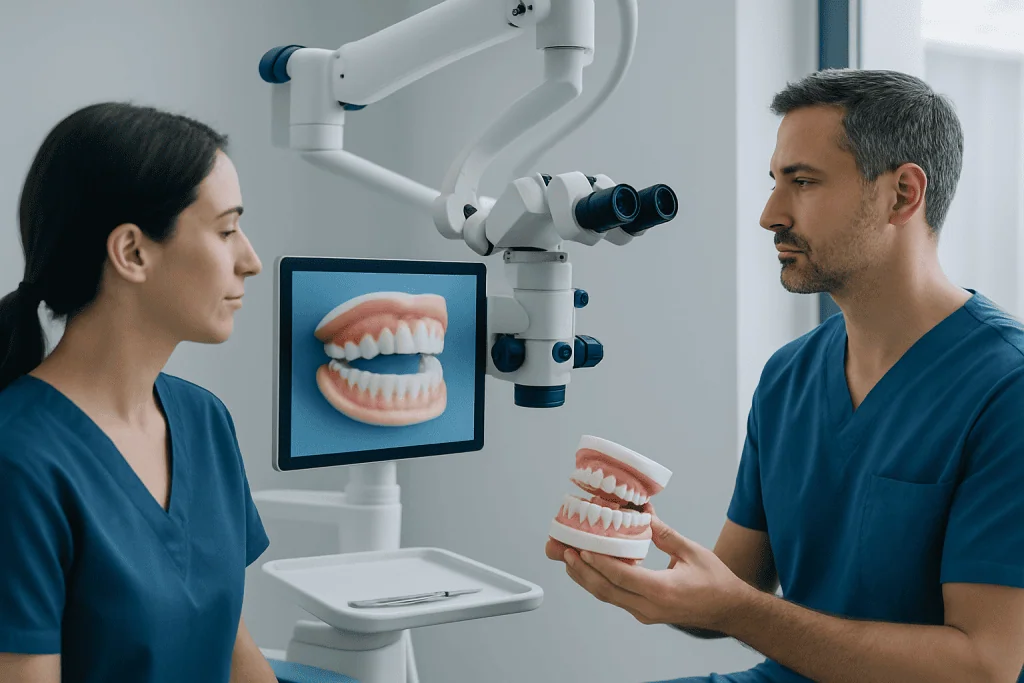
The mouth naturally contains many kinds of bacteria. Some are harmless, while others contribute to plaque, gum irritation, tooth decay, and unpleasant breath. Antibacterial mouthwash works by exposing these bacteria to active compounds that damage bacterial cell walls, interfere with their metabolism, or reduce their ability to attach to oral surfaces.
Common active ingredients include chlorhexidine, cetylpyridinium chloride, essential oils, and sometimes agents that also help with dry mouth or fluoride support. Chlorhexidine is often used for short-term medical or dental indications because it is particularly effective at reducing plaque and gingivitis. Essential-oil and cetylpyridinium formulations may offer a more suitable option for longer routine use in some people, depending on tolerance and dental advice.
Even when bacterial counts fall, the effect is partial and temporary. Bacteria quickly repopulate oral surfaces, especially if plaque is left undisturbed. That is why mouthwash is most useful as part of a broader oral hygiene routine rather than a stand-alone measure.
When antibacterial mouthwash may be helpful

Antibacterial mouthwash can be helpful for people with mild gum inflammation, repeated plaque buildup, or persistent bad breath related to oral bacteria. It may also be recommended after some dental procedures, during times when brushing is difficult, or in carefully selected cases of increased risk for gum disease. For example, a dentist may suggest a short course of chlorhexidine after gum treatment or oral surgery.
It may also support oral care in people wearing orthodontic appliances, those with reduced hand dexterity, or people recovering from illness who are temporarily unable to clean their teeth thoroughly. In these situations, a rinse can help lower bacterial burden while normal oral hygiene is re-established.
However, it is important not to assume that all oral symptoms are caused by routine bacterial buildup. Ongoing gum bleeding, loose teeth, painful chewing, or severe bad breath can point to periodontal disease or another condition that needs direct professional evaluation. If a person has a painful lesion, swelling, or a non-healing sore, mouthwash alone is unlikely to solve the problem.
- Short-term support after certain dental treatments
- Extra help for plaque and gingivitis control
- Management of bacteria-related bad breath
- Temporary aid when normal brushing and flossing are difficult
What the evidence says about benefits and limits
Medical and dental evidence generally shows that some antibacterial mouthwashes can reduce plaque and gingivitis when used correctly. This benefit is most consistent with products that contain chlorhexidine, essential oils, or cetylpyridinium chloride. In practical terms, that means a rinse may improve gum health modestly and help control odor-causing bacteria, especially in combination with good home care.
The limits are just as important as the benefits. Mouthwash does not remove hardened tartar, repair cavities, or reverse advanced gum disease. It also cannot correct poor brushing technique or inadequate cleaning between the teeth. If oral disease is already established, people may need a professional exam, cleaning, or targeted treatment such as dental treatment.
There is also growing public interest in whether very frequent use of strong antibacterial rinses might affect the natural balance of the oral microbiome. Research is ongoing. For most people, the safest approach is to use a product for a clear reason, follow label directions or dental advice, and avoid unnecessary overuse.
Possible side effects and how to use it safely
Most antibacterial mouthwashes are safe when used as directed, but side effects can occur. Chlorhexidine may cause temporary tooth staining, a change in taste, or increased tartar buildup with longer use. Some alcohol-containing products can cause a burning sensation or worsen mouth dryness in sensitive individuals. Others may irritate already inflamed tissues if used too often.
Safe use starts with choosing the right product for the right purpose. A person should follow the instructions on the label or any advice given by a dentist or doctor, including how often to rinse and whether the product is meant for short-term or regular use. Children should only use mouthwash when age-appropriate and under supervision, because swallowing can be harmful.
It is also sensible to be cautious in special situations. People with dry mouth, mouth ulcers, recent oral surgery, braces, or ongoing dental sensitivity may need a gentler formula or a prescribed product. If mouth irritation, rash, swelling, or worsening pain develops, the rinse should be stopped and medical advice sought.
Choosing the right mouthwash for individual needs
The best antibacterial mouthwash depends on the goal. For short-term treatment of significant gingivitis, a dentist may prescribe chlorhexidine. For routine support with plaque or breath control, an over-the-counter therapeutic rinse may be enough. If the main problem is dry mouth, a moisturizing rinse may be more appropriate than a strong antibacterial one.
It helps to look beyond marketing claims and focus on the active ingredient, intended use, and whether the product has fluoride if cavity prevention is also important. A person with frequent mouth ulcers, burning, or sensitivity may need an alcohol-free formulation. Someone with persistent bad breath may need evaluation for dental decay, gum disease, tongue coating, dry mouth, tonsil issues, or another underlying cause rather than repeated use of stronger rinses.
When oral symptoms are complex or long-lasting, an individualized plan is often better than self-treatment alone. Depending on the findings, care may involve periodontal care or assessment by specialists in oral and dental health.
When to seek medical care
Antibacterial mouthwash is not a substitute for professional care if symptoms persist. A dentist or doctor should assess problems such as bleeding gums that continue for more than a short period, loose teeth, gum recession, marked tooth sensitivity, persistent bad breath, mouth swelling, fever, or pain that interferes with eating or sleeping.
Medical care is also important for a mouth sore, white or red patch, or ulcer that does not heal within about two weeks. This is especially true in people who smoke, use alcohol heavily, have diabetes, are immunocompromised, or have had previous oral disease. Severe facial swelling, trouble swallowing, or difficulty breathing needs urgent assessment.
For international patients who need evaluation and treatment, Acibadem International’s multidisciplinary specialists and JCI-accredited hospitals provide diagnosis and care for oral and dental conditions. The most appropriate specialist and treatment plan depend on the underlying cause of the symptoms, not simply on whether mouthwash has helped temporarily.
Frequently asked questions
Is antibacterial mouthwash necessary for everyone?
No. Many people can maintain good oral health with twice-daily brushing using fluoride toothpaste, regular cleaning between the teeth, and routine dental care. Antibacterial mouthwash is usually an added tool rather than a basic requirement.
Can antibacterial mouthwash replace brushing and flossing?
No. Mouthwash cannot physically remove plaque and food debris the way brushing and flossing or interdental cleaning can. It works best as a supplement to, not a replacement for, daily oral hygiene.
Which ingredient is best in an antibacterial mouthwash?
The best ingredient depends on the purpose. Chlorhexidine is often used short term for gum inflammation or after dental procedures, while essential oils or cetylpyridinium chloride may be used for routine bacterial control in some people. A dentist can advise which option fits a person’s needs.
Can antibacterial mouthwash help with bad breath?
Yes, it can help when bad breath is mainly caused by oral bacteria. However, if bad breath keeps returning, the cause may be gum disease, tongue coating, dry mouth, tooth decay, sinus issues, or another medical problem that needs evaluation.
Are there any risks from using antibacterial mouthwash every day?
Some products are suitable for routine use, while others are better for short-term use only. Possible side effects include staining, taste changes, dryness, or irritation, depending on the ingredients. Following label instructions and dental advice helps reduce these risks.
Should children use antibacterial mouthwash?
Only when it is age-appropriate and used under adult supervision. The main concern is accidental swallowing, and not all formulations are suitable for younger children. A dentist or pediatrician can help decide if it is appropriate.
References
- American Dental Association
- National Institute of Dental and Craniofacial Research
- Centers for Disease Control and Prevention
- Mayo Clinic
- World Health Organization
This article is for general information only and is not a substitute for professional medical advice. Please consult a qualified doctor about your individual situation.
Explore treatments in Turkey — costs, top hospitals & a free quote
JCI-accredited · board-certified surgeons · reply within 24h
Add us as a Preferred Source to see more of our trusted health content across Google Search, AI Overviews and Discover.

More from the Health Library

Chamomile Tea — Explained by Medical Evidence, Not Myths

Left Hand Itching — Explained by Medical Evidence, Not Myths

Calcified Pineal Gland — Explained by Medical Evidence, Not Myths

Mindfulness Practices: What Patients Need to Know

K Permanganate: What Patients Need to Know