Antibiotics for Tooth Infection: What It Treats, How It Works, and What to Watch For

Antibiotics may help control a tooth infection, but they do not cure the damaged or infected tooth on their own. Many tooth infections require dental treatment such as drainage, root canal treatment, or tooth removal.
Key Takeaways
- Antibiotics may help control a tooth infection, but they do not cure the damaged or infected tooth on their own.
- Many tooth infections require dental treatment such as drainage, root canal treatment, or tooth removal.
- Antibiotics are more likely to be used when there is facial swelling, fever, spreading infection, or limited access to immediate dental care.
- Common side effects include stomach upset, diarrhea, rash, and yeast infection; serious allergic reactions need urgent medical attention.
- People should take antibiotics exactly as prescribed and tell their clinician about allergies, pregnancy, liver or kidney disease, and other medicines.
Antibiotics for tooth infection are sometimes used when a bacterial dental infection is spreading, causing swelling, or cannot be treated immediately. They can reduce infection risk, but they do not remove the source of the problem, so dental treatment is usually still needed.
Overview: What antibiotics for tooth infection actually do
Antibiotics for tooth infection are medicines used to treat bacterial infections that involve a tooth or the tissues around it. They are usually prescribed when infection is spreading beyond the tooth, causing swelling, affecting the gums or face, or when prompt dental treatment is not immediately possible. In these situations, antibiotics can help lower the bacterial burden and reduce the chance of complications.
It is important to understand that antibiotics do not repair the tooth itself. If the infection starts inside the tooth pulp or around the root, the source often remains unless a dentist treats it directly. That treatment may involve draining an abscess, removing infected tissue, performing root canal treatment, or removing the tooth if it cannot be saved.
Not every toothache or dental infection needs antibiotics. A localized infection that can be treated right away may be managed with dental care alone. This is one reason clinicians are careful about when they prescribe antibiotics: unnecessary use can lead to side effects and antibiotic resistance.
What a tooth infection is and when antibiotics may be used
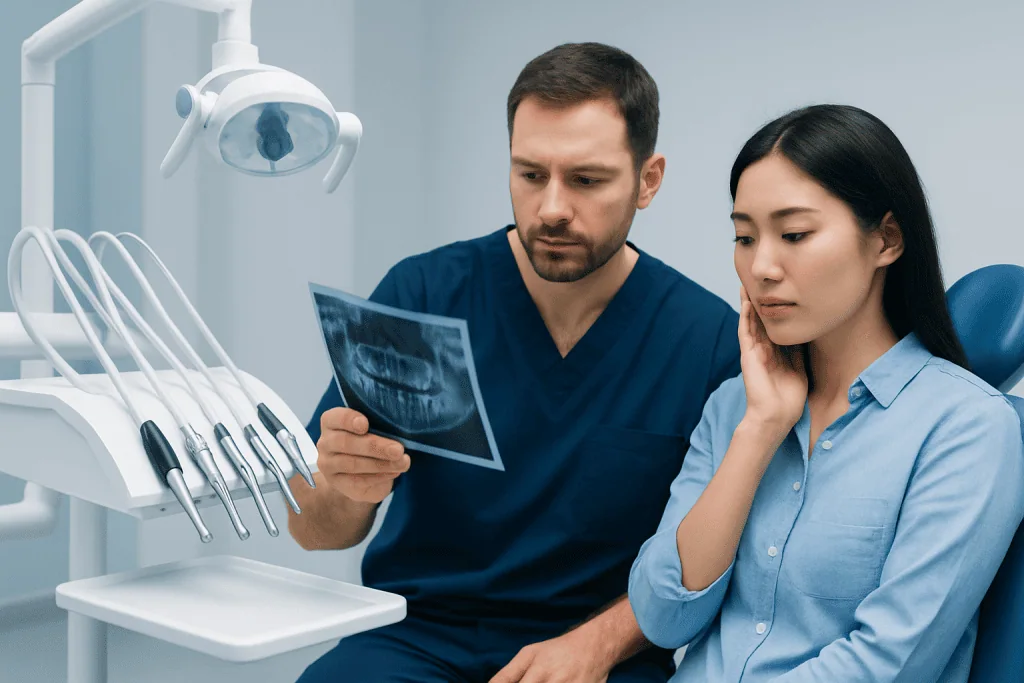
A tooth infection often begins when bacteria enter through deep decay, a crack, trauma, or severe gum disease. The bacteria can infect the inner part of the tooth, called the pulp, and may then spread into the tissues around the root. This can lead to a pocket of pus known as a dental abscess, including conditions such as a dental abscess.
Clinicians usually consider antibiotics when there are signs that the infection is not staying localized. Examples include swelling of the face or jaw, swollen lymph nodes, fever, increasing pain, difficulty opening the mouth, or signs of spreading soft-tissue infection. Antibiotics may also be used when a person has a weakened immune system or when immediate dental treatment must be delayed.
By contrast, if the infection is confined and the dentist can remove the source quickly, antibiotics may not add much benefit. In those cases, drainage and dental treatment are often more important than medication. This is why the decision to use antibiotics should be individualized rather than automatic.
Symptoms to watch for

A tooth infection can cause persistent, throbbing, or pressure-like pain in or around a tooth. The pain may worsen when chewing, biting, or drinking hot or cold liquids. Some people also notice bad taste in the mouth, bad breath, gum tenderness, or a pimple-like bump on the gum that may release pus.
As infection progresses, surrounding tissues may become red, swollen, and sore. Swelling can involve the gum, cheek, jaw, or under the eye, depending on the tooth involved. A person may also have headache, ear discomfort on the same side, or sensitivity when touching the area.
Systemic symptoms suggest a more significant infection. These can include fever, feeling unwell, swollen neck glands, trouble swallowing, or reduced ability to open the mouth. When symptoms move beyond the tooth itself, it is especially important to seek prompt assessment by a dentist or doctor.
- Tooth pain that does not improve
- Swelling of the gum, face, or jaw
- Pus, drainage, or foul taste in the mouth
- Fever or general illness
- Pain when biting or chewing
Common antibiotics, how they work, and label-level precautions
Several antibiotics may be used for tooth infections, depending on the suspected bacteria, a person’s allergy history, and local prescribing guidance. Commonly used classes include penicillin-type antibiotics, combinations that broaden bacterial coverage, and alternatives for people who cannot take penicillins. The choice depends on clinical judgment, because no single antibiotic is right for everyone.
These medicines work by killing bacteria or stopping them from multiplying. However, they can only reach bacteria that are accessible through the bloodstream and surrounding tissues. If pus is trapped inside an abscess or infection remains inside a dead tooth, the medicine may not fully clear it without drainage or another dental procedure.
Label-level safety information matters. Common side effects include nausea, diarrhea, stomach upset, rash, and yeast infection. Some antibiotics can interact with other prescription medicines, over-the-counter products, or supplements. Certain people may need extra caution, including those with a history of antibiotic allergy, liver or kidney problems, pregnancy, breastfeeding, or previous severe antibiotic-related diarrhea. Dosage and duration should come from a qualified clinician, and patients should ask their prescriber or pharmacist about exact directions.
Why antibiotics alone are often not enough
The main reason antibiotics cannot fully solve many tooth infections is that the underlying problem remains in place. If bacteria are living inside damaged pulp tissue or around the root tip, the infection often returns unless the source is removed. This is why a person can feel somewhat better on medication, then worsen again after the course ends.
Definitive dental care may include drainage of an abscess, cleaning and sealing the root canal system, treatment of severe gum disease, or extraction of a tooth that cannot be restored. In some situations, imaging helps determine how deep or extensive the infection is and whether nearby structures are affected. If the infection involves neighboring tissues, doctors may also evaluate for related ENT or facial infections.
When symptoms are severe or infection has spread, urgent medical and dental coordination may be needed. Supportive care such as pain relief, hydration, and treatment of swelling may be recommended alongside the dental plan. For more advanced cases, specialist care may include oral and maxillofacial surgery or evaluation for tooth abscess complications.
Diagnosis and treatment options
Diagnosis usually starts with a clinical history and dental examination. The clinician asks about the pain pattern, swelling, fever, recent dental work, and whether the person has taken any antibiotics already. The mouth and face are examined for tenderness, gum changes, drainage, swelling, and signs that the infection is spreading.
Dental X-rays are often used to identify decay, root infection, bone involvement, or an abscess. In more complicated cases, additional imaging may be considered if there is concern about spread into deeper tissues. The goal is to locate the source and decide whether the problem is best managed by dental drainage, restoration, root canal treatment, extraction, medication, or a combination of these.
Treatment depends on severity. Localized infections may be treated with direct dental care alone, while more extensive infections may also need antibiotics. If the tooth can be saved, root canal treatment may remove the infected pulp and preserve function. If it cannot be saved, extraction may be the safest option. The best plan should always be discussed with a dental professional who can tailor care to the individual case.
When to seek medical care
Anyone with a suspected tooth infection should arrange dental evaluation, especially if pain, swelling, or drainage persists. It is wise not to rely on leftover antibiotics or over-the-counter products as a substitute for professional care. Delaying treatment can allow the infection to continue beneath the surface even if symptoms temporarily settle.
Urgent care is needed if there is fever, rapidly increasing facial swelling, difficulty swallowing, trouble breathing, inability to open the mouth, confusion, or severe dehydration. These symptoms can suggest a more serious infection that may need prompt medical treatment in addition to dental care.
People who are immunocompromised, have uncontrolled diabetes, are pregnant, or have major heart or kidney conditions should seek advice early because treatment decisions may differ. Near the end of the care pathway, some patients may benefit from coordinated specialist evaluation; Acibadem International’s multidisciplinary specialists in JCI-accredited hospitals diagnose and treat complex dental and oral infections for international patients.
Self-care, prevention, and safer antibiotic use
Self-care can support recovery, but it does not replace treatment of the infected tooth. While waiting for care, people may be advised by their clinician to keep the mouth clean, avoid very hot or very cold foods if they worsen pain, and stay hydrated. Pain relief should follow the advice on the medicine label or the recommendations of a healthcare professional.
Safer antibiotic use is also part of prevention. Antibiotics should only be taken when prescribed for the current problem, and the full treatment instructions should be followed exactly. People should not share antibiotics, save unused tablets for later, or stop early unless their clinician tells them to do so. Any new rash, severe diarrhea, or signs of allergic reaction should be reported promptly.
The best way to reduce the chance of future dental infection is to prevent the causes. Good oral hygiene, regular dental checkups, treatment of cavities and cracked teeth, and management of gum disease all help lower risk. Conditions such as gum disease can increase vulnerability to infection if left untreated, so early care matters.
Frequently asked questions
Do antibiotics cure a tooth infection completely?
Usually not on their own. Antibiotics can help control bacterial spread, but they do not remove the infected pulp, drain an abscess, or repair a damaged tooth. Most people still need dental treatment to fix the source.
How long do antibiotics take to help a tooth infection?
Some people notice improvement in pain or swelling within a few days, but the response varies. Feeling better does not necessarily mean the infection is fully resolved. A dentist should still assess and treat the tooth as needed.
What are the common side effects of antibiotics for tooth infection?
Common side effects can include nausea, diarrhea, stomach discomfort, rash, and yeast infection. Serious allergic reactions are less common but require urgent medical attention. Patients should read the medicine label and discuss concerns with their clinician or pharmacist.
Can a person take antibiotics for a toothache without seeing a dentist?
A toothache does not always mean there is a bacterial infection that needs antibiotics. Taking antibiotics without proper assessment may delay the correct treatment and can expose a person to side effects or resistance. It is best to seek dental evaluation rather than self-treat.
Are antibiotics always prescribed for a dental abscess?
No. If the abscess is localized and can be drained or treated promptly, antibiotics may not be necessary. They are more often used when there is swelling, fever, spread into surrounding tissues, or a higher-risk medical situation.
What should patients tell their clinician before taking these medicines?
They should mention any previous antibiotic allergy, current medicines and supplements, pregnancy or breastfeeding, and any liver, kidney, or bowel conditions. This helps the clinician choose a safer option and avoid important interactions or contraindications.
This article is for general information only and is not a substitute for professional medical advice. Please consult a qualified doctor about your individual situation.
Explore treatments in Turkey — costs, top hospitals & a free quote
JCI-accredited · board-certified surgeons · reply within 24h
Add us as a Preferred Source to see more of our trusted health content across Google Search, AI Overviews and Discover.

More from the Health Library

Breyanzi Common Side Effects: A Doctor-Reviewed Guide to Uses and Safety

Gallbladder Taken Out Side Effects: A Doctor-Reviewed Guide to Uses and Safety

Cephalosporin Antibiotics: Uses, Dosage, and Side Effects — A Clinical Overview

Anxiety Medication: What It Treats, How It Works, and What to Watch For

Aspirin 81 MG: What It Treats, How It Works, and What to Watch For

Narcan Side Effects: A Doctor-Reviewed Guide to Uses and Safety
Infectious Diseases & Clinical Microbiology Specialists at Acibadem

Assoc. Prof. Dr. Aslıhan Demirel
Infectious Diseases & Clinical Microbiology
Dr. Aytan Seydalıyeva
Infectious Diseases & Clinical Microbiology
Prof. Dr. Behice Kurtaran
Infectious Diseases & Clinical Microbiology
Prof. Dr. Cihadiye Elif Öztürk
Infectious Diseases & Clinical Microbiology